Personal Property For Business In Allegheny
Description

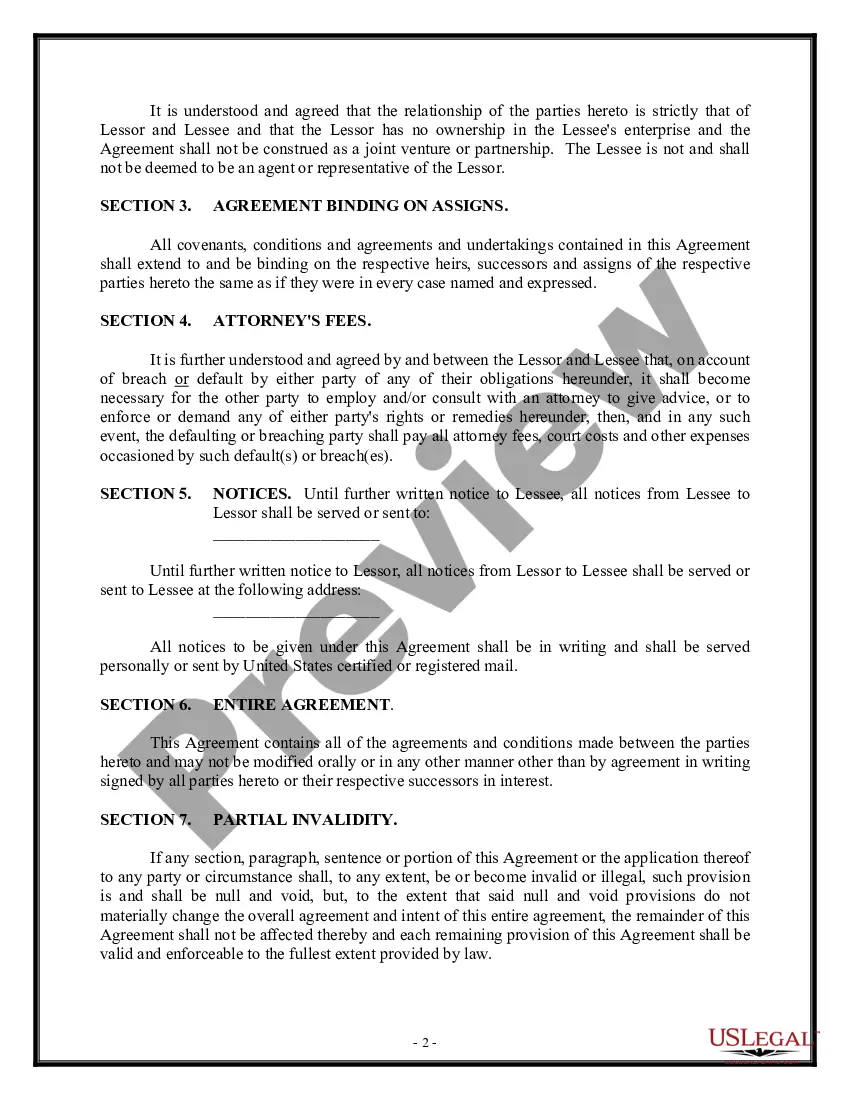
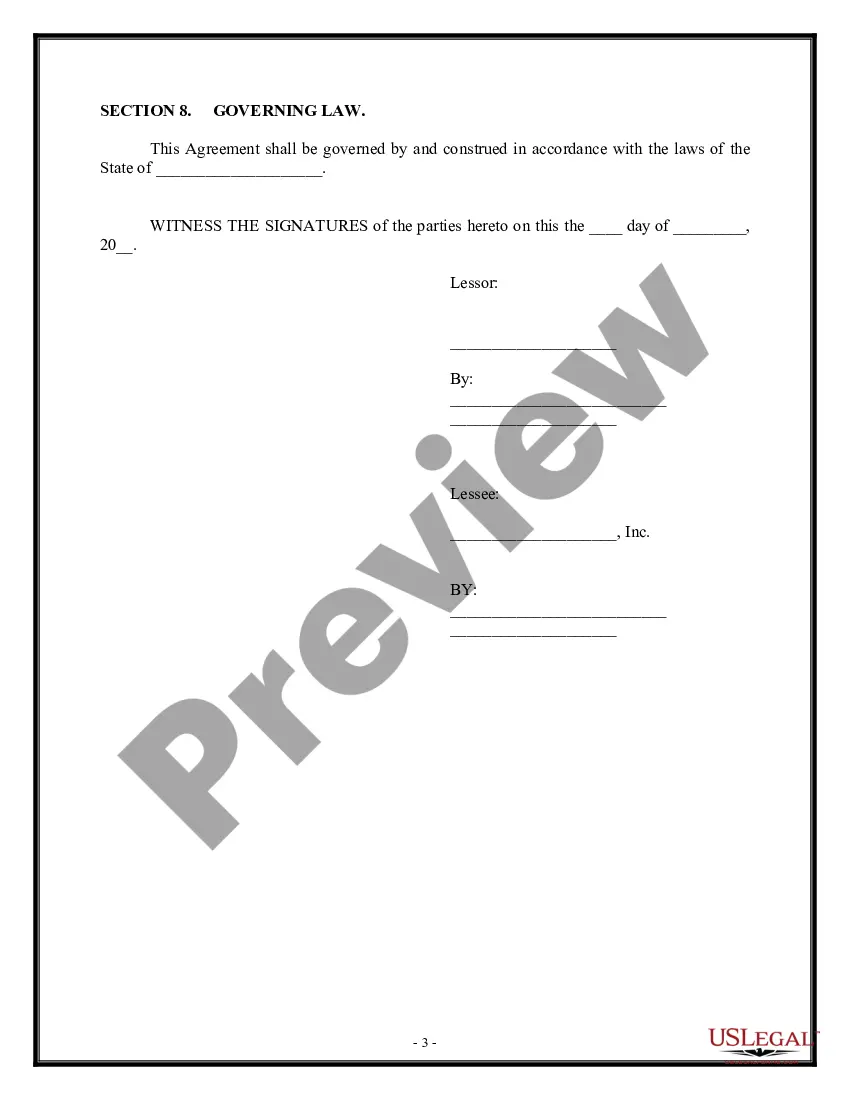
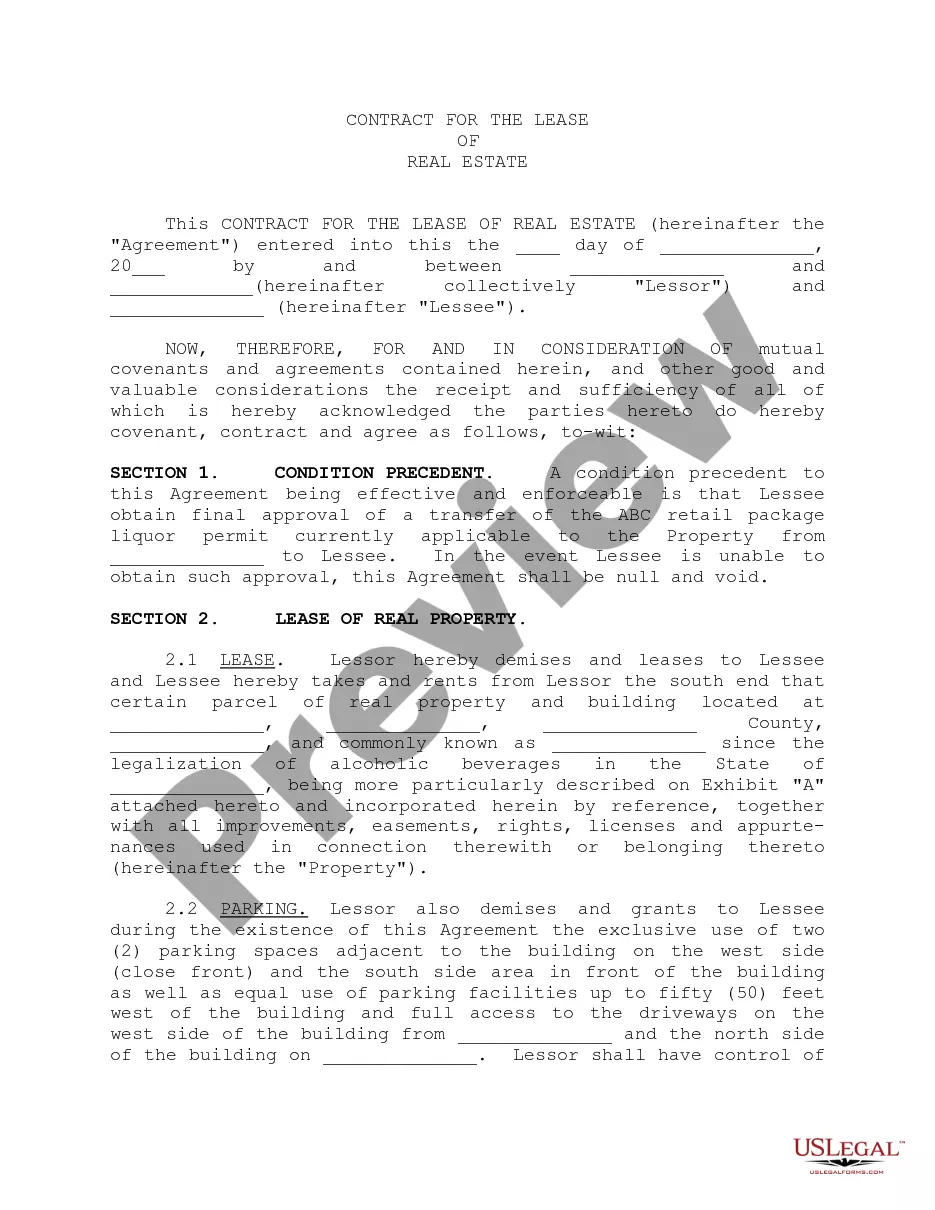
Get your form ready online
Our built-in tools help you complete, sign, share, and store your documents in one place.
Make edits, fill in missing information, and update formatting in US Legal Forms—just like you would in MS Word.
Download a copy, print it, send it by email, or mail it via USPS—whatever works best for your next step.
Sign and collect signatures with our SignNow integration. Send to multiple recipients, set reminders, and more. Go Premium to unlock E-Sign.
If this form requires notarization, complete it online through a secure video call—no need to meet a notary in person or wait for an appointment.
We protect your documents and personal data by following strict security and privacy standards.

Make edits, fill in missing information, and update formatting in US Legal Forms—just like you would in MS Word.

Download a copy, print it, send it by email, or mail it via USPS—whatever works best for your next step.

Sign and collect signatures with our SignNow integration. Send to multiple recipients, set reminders, and more. Go Premium to unlock E-Sign.

If this form requires notarization, complete it online through a secure video call—no need to meet a notary in person or wait for an appointment.

We protect your documents and personal data by following strict security and privacy standards.
Looking for another form?








Form popularity
FAQ
Starting a business in Pennsylvania may require additional permits and licenses beyond basic business registration. While Pennsylvania does not issue a general business license at the state level, specific industries or professions may require state-level licenses.
Getting started in Pennsylvania as a cottage food producer requires registration of your business and a home inspection. Pennsylvania allows you to sell cottage foods in more places than most states, like restaurants and retail stores, under limited food establishments.
What is business personal property? Business personal property is all property owned or leased by a business except real property.
Are there any states that do not tax business personal property? Twelve states currently do not tax business personal property. These states include Delaware, Hawaii, Illinois, Iowa, Minnesota, New Hampshire, New Jersey, New York, North Dakota, Ohio, Pennsylvania, and South Dakota.
To file your annual income tax return, you will need to use Schedule C (Form 1040), Profit or Loss from Business (Sole Proprietorship), to report any income or loss from a business you operated or profession you practiced as a sole proprietor, or gig work performed.
5 steps to fill out a business personal property rendition quickly and accurately Review your property tax accounts. Take stock of your assets. Select the appropriate business personal property rendition forms. Prepare the personal property renditions. File your business personal property rendition packages.
Form 1040 is what individual taxpayers use to file their taxes with the IRS. The form determines if additional taxes are due or if the filer will receive a tax refund.
More In Forms and Instructions Use Schedule C (Form 1040) to report income or loss from a business you operated or a profession you practiced as a sole proprietor. An activity qualifies as a business if: Your primary purpose for engaging in the activity is for income or profit.