Real Property Clause In Will In San Diego
Description

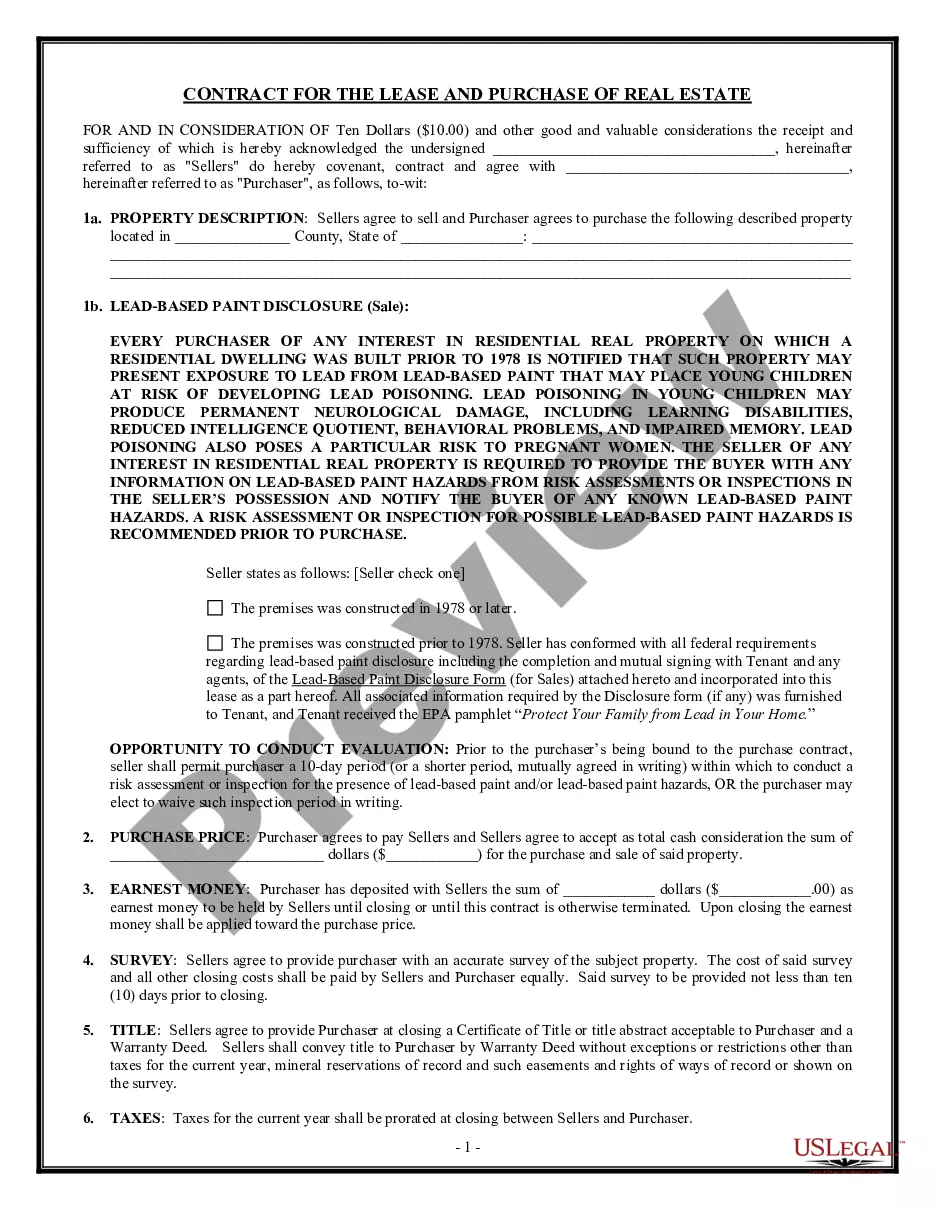
Get your form ready online
Our built-in tools help you complete, sign, share, and store your documents in one place.
Make edits, fill in missing information, and update formatting in US Legal Forms—just like you would in MS Word.
Download a copy, print it, send it by email, or mail it via USPS—whatever works best for your next step.
Sign and collect signatures with our SignNow integration. Send to multiple recipients, set reminders, and more. Go Premium to unlock E-Sign.
If this form requires notarization, complete it online through a secure video call—no need to meet a notary in person or wait for an appointment.
We protect your documents and personal data by following strict security and privacy standards.

Make edits, fill in missing information, and update formatting in US Legal Forms—just like you would in MS Word.

Download a copy, print it, send it by email, or mail it via USPS—whatever works best for your next step.

Sign and collect signatures with our SignNow integration. Send to multiple recipients, set reminders, and more. Go Premium to unlock E-Sign.

If this form requires notarization, complete it online through a secure video call—no need to meet a notary in person or wait for an appointment.

We protect your documents and personal data by following strict security and privacy standards.
Looking for another form?







Form popularity
FAQ
One disadvantage of placing your house in a trust is the loss of direct ownership. Transferring your property to a revocable living trust makes the trust the legal owner. While you retain control as the trustee, this change in ownership may affect your ability to mortgage or refinance the property.
A: In California, estates totaling less than $184,500 can avoid probate. A small estate affidavit is a less complicated process for estates valued at less than $166,250.
Here is the rough outline: Select the trust that is best suited to your needs, such as a revocable living trust. Draft a trust deed and have it notarized so that it is legally binding. Record the deed at the county recorder's office. Notify the relevant parties, such as your mortgage lender and insurance provider.
Probate Code §10308 provides that all sales of real property, whether by private sale or public auction, shall be with court confirmation unless the personal representative has been granted full authority under the Independent Administration of Estate Act (IAEA) as outlined in Probate Code §10500 to 10538.
If you are named as a beneficiary, you should be able to transfer the property to yourself without going to probate court.
Real estate can be transferred into a trust by a deed that transfers title from the grantor to the name of the trust. Under California law, a Preliminary Change of Ownership Report must be filed simultaneously with the deed at the county recorder's office in the county where the real property is situated.
An irrevocable trust offers your assets the most protection from creditors and lawsuits. Assets in an irrevocable trust aren't considered personal property. This means they're not included when the IRS values your estate to determine if taxes are owed.
What California Law Says About Avoiding Probate. Pursuant to California law, assets outside of a Trust which do not have a beneficiary named, that are in your name alone, that do not exceed $150,000 collectively do not require probate.
