Real Estate Offer With Escalation Clause In Maricopa
Description

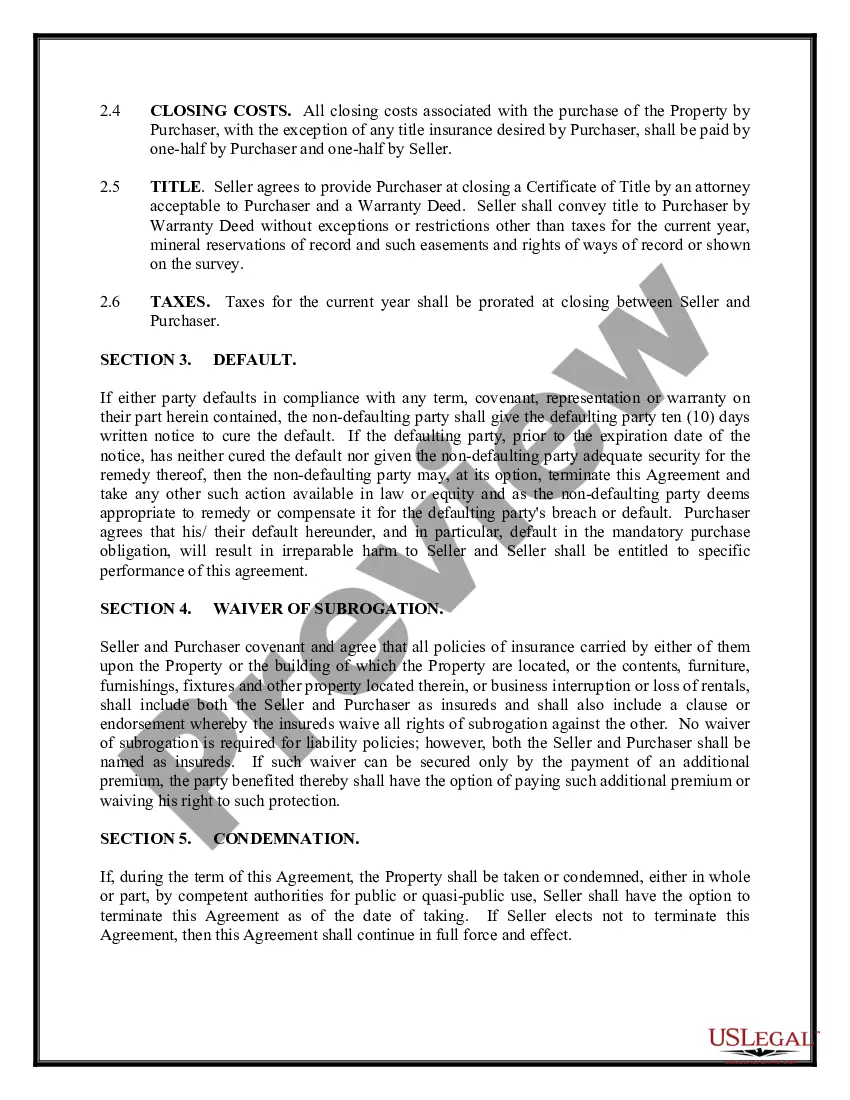
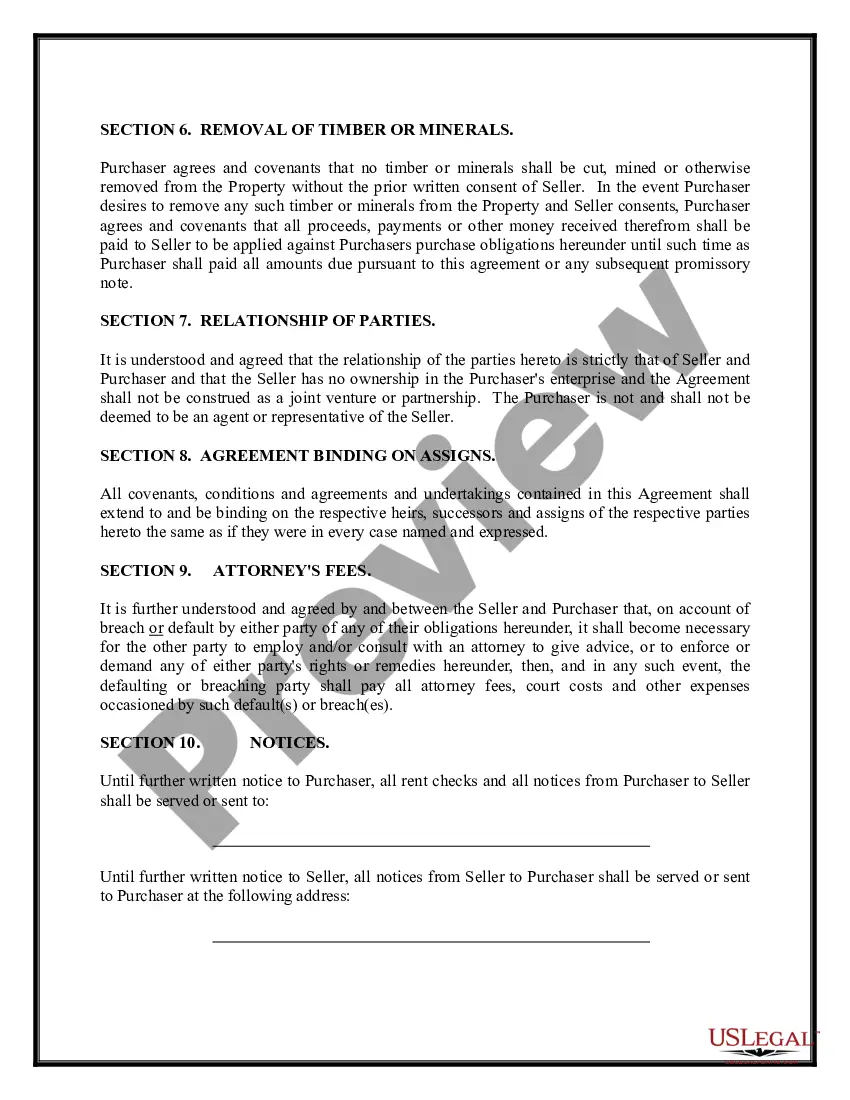
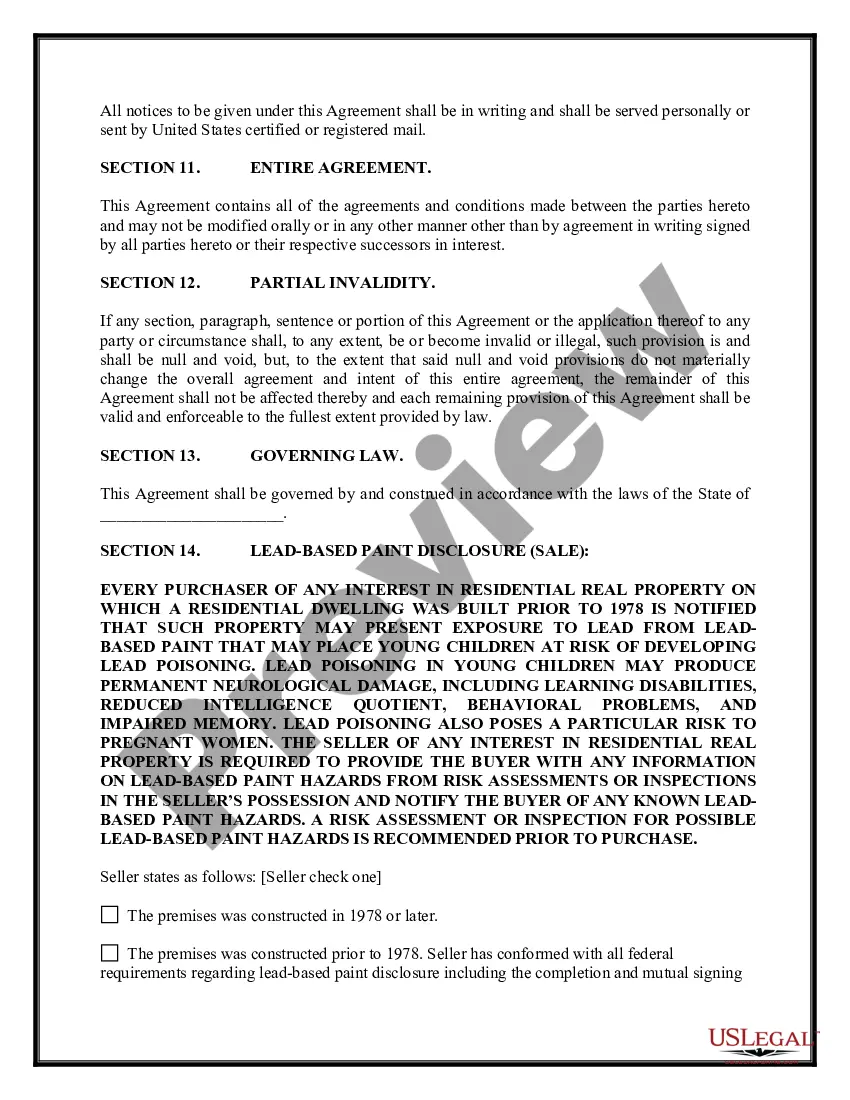
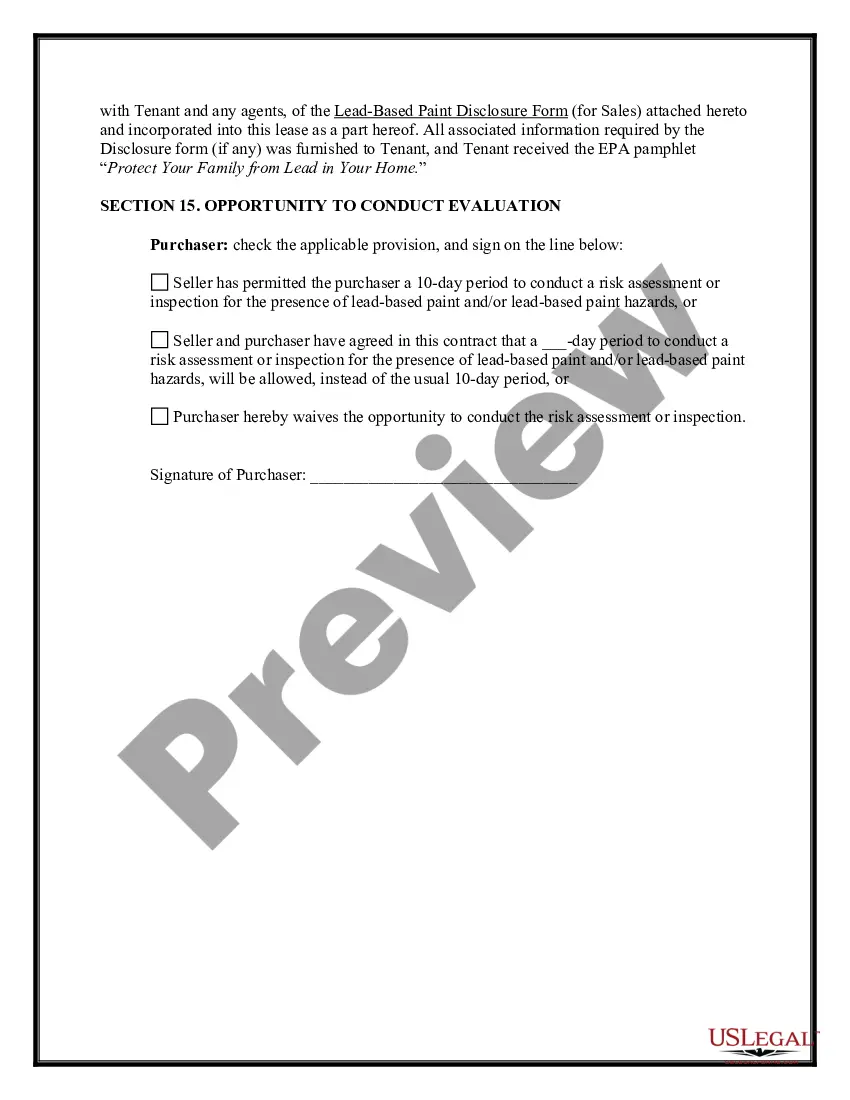
Get your form ready online
Our built-in tools help you complete, sign, share, and store your documents in one place.
Make edits, fill in missing information, and update formatting in US Legal Forms—just like you would in MS Word.
Download a copy, print it, send it by email, or mail it via USPS—whatever works best for your next step.
Sign and collect signatures with our SignNow integration. Send to multiple recipients, set reminders, and more. Go Premium to unlock E-Sign.
If this form requires notarization, complete it online through a secure video call—no need to meet a notary in person or wait for an appointment.
We protect your documents and personal data by following strict security and privacy standards.

Make edits, fill in missing information, and update formatting in US Legal Forms—just like you would in MS Word.

Download a copy, print it, send it by email, or mail it via USPS—whatever works best for your next step.

Sign and collect signatures with our SignNow integration. Send to multiple recipients, set reminders, and more. Go Premium to unlock E-Sign.

If this form requires notarization, complete it online through a secure video call—no need to meet a notary in person or wait for an appointment.

We protect your documents and personal data by following strict security and privacy standards.
Looking for another form?










Form popularity
FAQ
Including an escalation clause may put you at risk for paying more than what the property was appraised for. Just because someone else is making a higher offer doesn't necessarily mean the home is worth that amount.
The reason why sellers don't want escalation clauses is simple: It introduces the risk that they'll sell the house for less than what would be your best and final offer.
However, buyers need to be careful with these clauses as they can sometimes backfire. “An escalation clause needs to be in conjunction with a really good offer,” said Madani of Room Real Estate. “It's really the whole package to get your offer accepted.”
Escalator clauses allow for an automatic increase in wages or prices if certain specified conditions change in the future. These clauses allow people to enter into long-term contracts without worrying that changes in business conditions could make the agreement unfavorable.
An escalation clause is triggered when the seller has proof of a bona fide offer from another buyer. This means that the offer is legitimate and enforceable. Essentially, a seller cannot make up another offer.
With an escalation clause, your offer only increases when your seller can provide proof of a higher offer. This can protect you from paying more than necessary.
To add, yes, escalation clauses are highly advisable. I use them for almost every single house my buyer is going to write an offer on and we know for certain there will be other offers. The escalation clause in itself is very favorable to buyers and protects them in more ways than one.
The reason why sellers don't want escalation clauses is simple: It introduces the risk that they'll sell the house for less than what would be your best and final offer.