Clause Real Estate Fort Myers In Illinois
Description

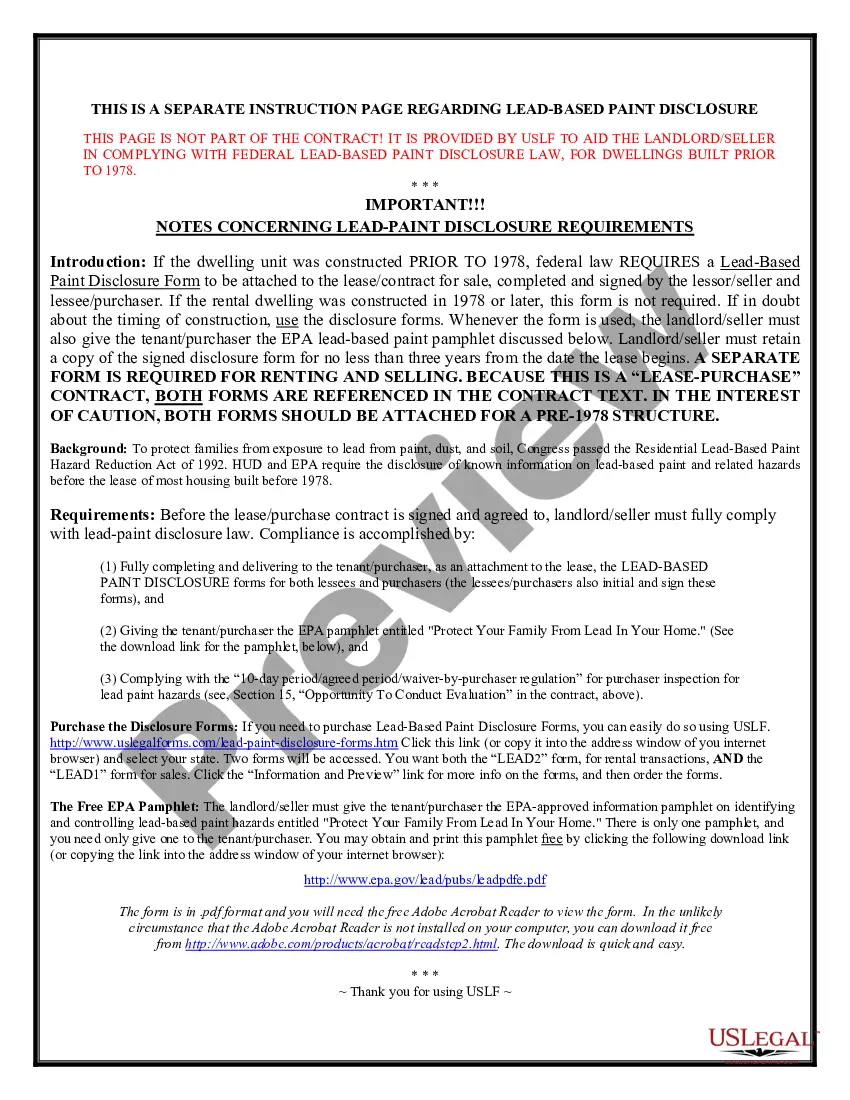
Get your form ready online
Our built-in tools help you complete, sign, share, and store your documents in one place.
Make edits, fill in missing information, and update formatting in US Legal Forms—just like you would in MS Word.
Download a copy, print it, send it by email, or mail it via USPS—whatever works best for your next step.
Sign and collect signatures with our SignNow integration. Send to multiple recipients, set reminders, and more. Go Premium to unlock E-Sign.
If this form requires notarization, complete it online through a secure video call—no need to meet a notary in person or wait for an appointment.
We protect your documents and personal data by following strict security and privacy standards.

Make edits, fill in missing information, and update formatting in US Legal Forms—just like you would in MS Word.

Download a copy, print it, send it by email, or mail it via USPS—whatever works best for your next step.

Sign and collect signatures with our SignNow integration. Send to multiple recipients, set reminders, and more. Go Premium to unlock E-Sign.

If this form requires notarization, complete it online through a secure video call—no need to meet a notary in person or wait for an appointment.

We protect your documents and personal data by following strict security and privacy standards.
Looking for another form?
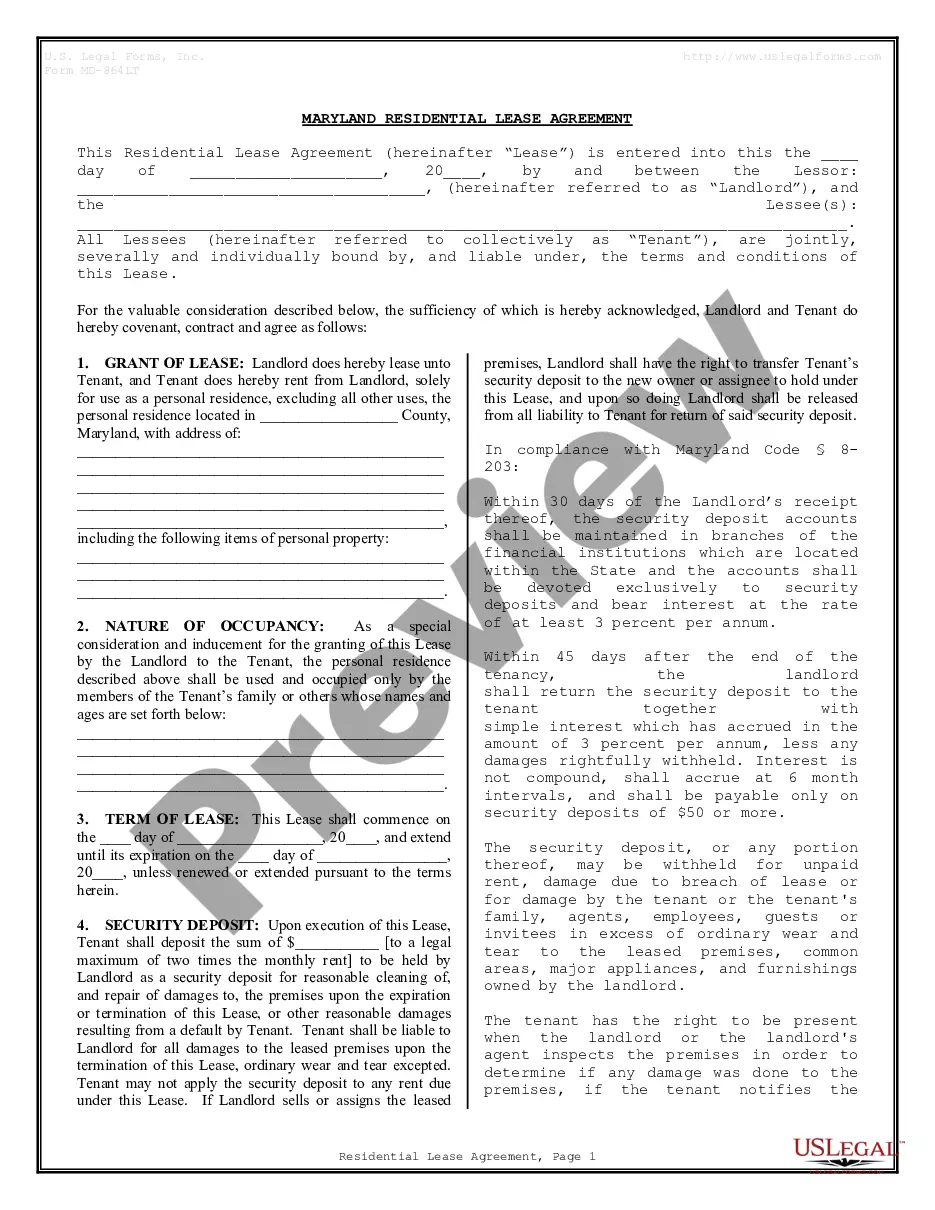
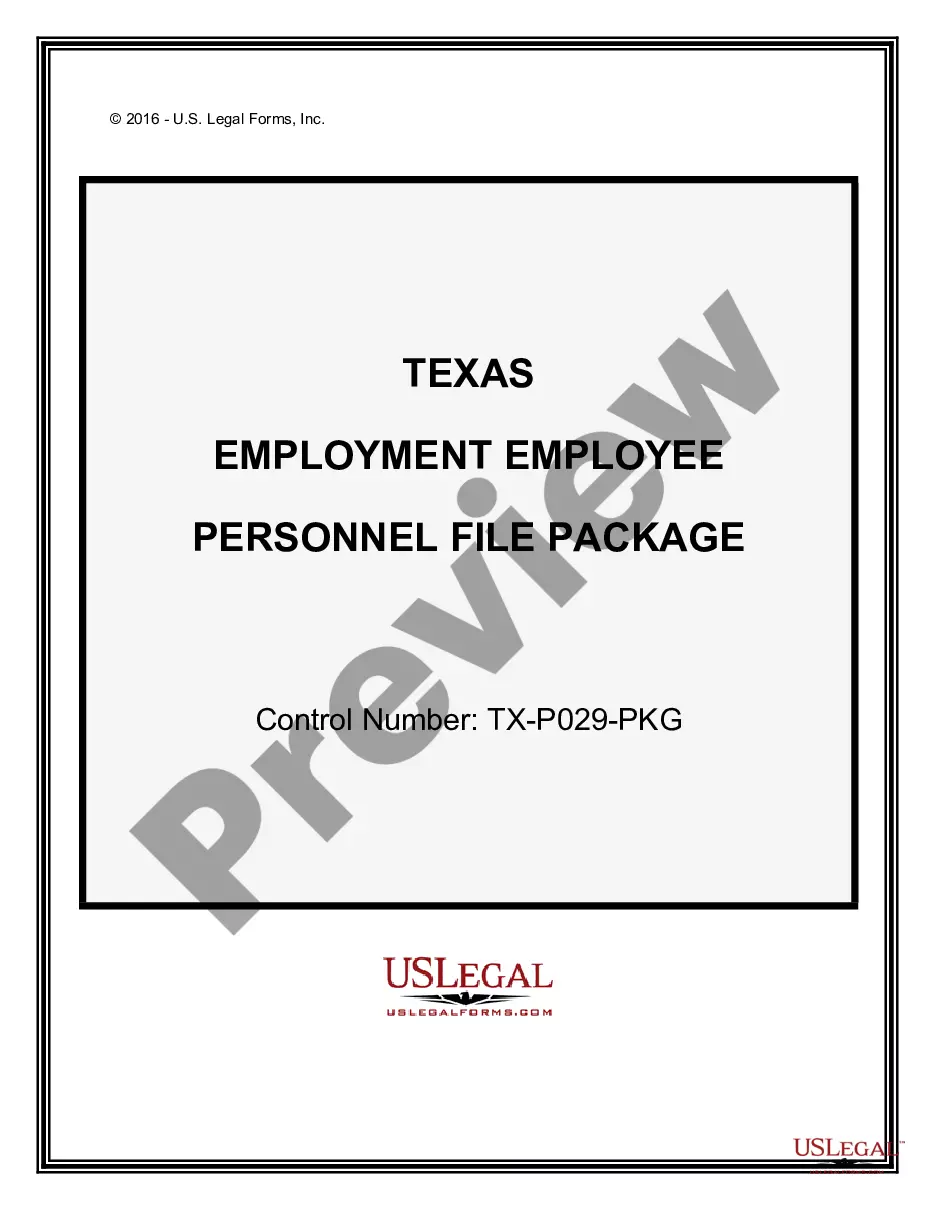
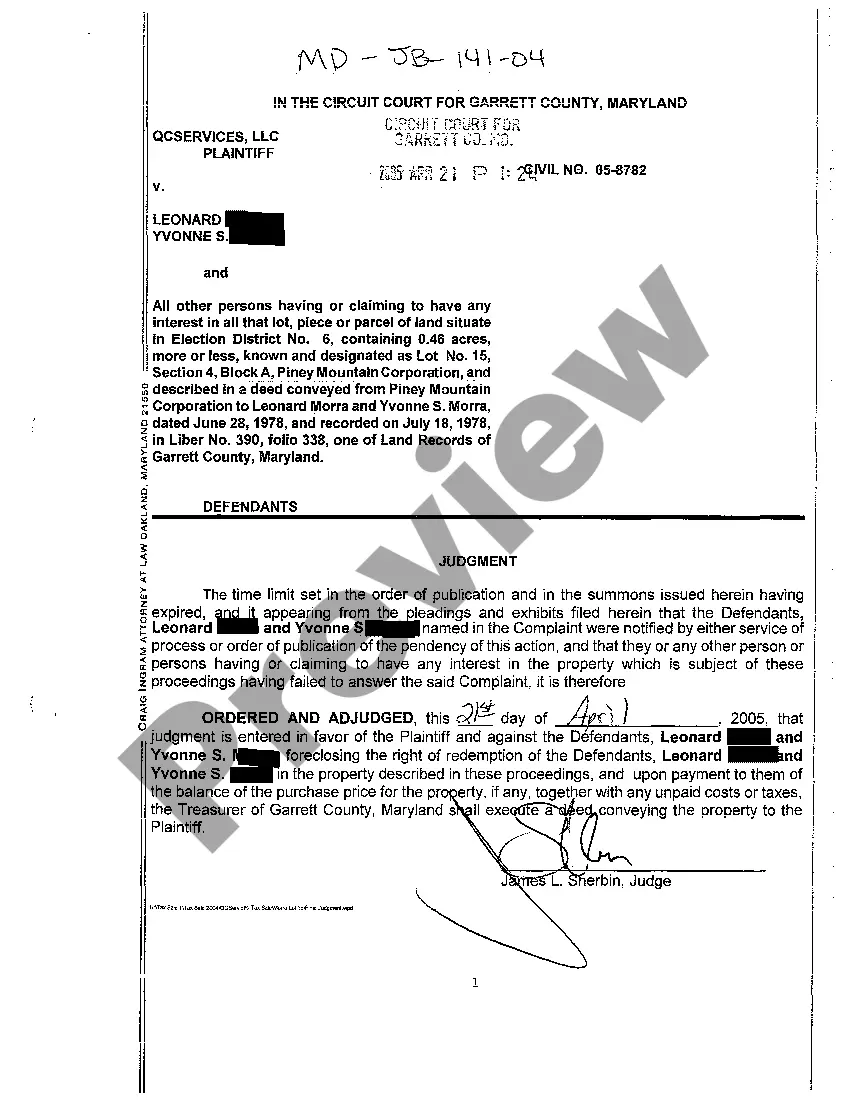

Form popularity
FAQ
A letter of intent (LOI) is a written, nonbinding document that outlines an agreement in principle between two or more parties before a legal agreement is finalized. It is often used in business transactions, such as mergers and acquisitions, joint ventures and real estate leases.
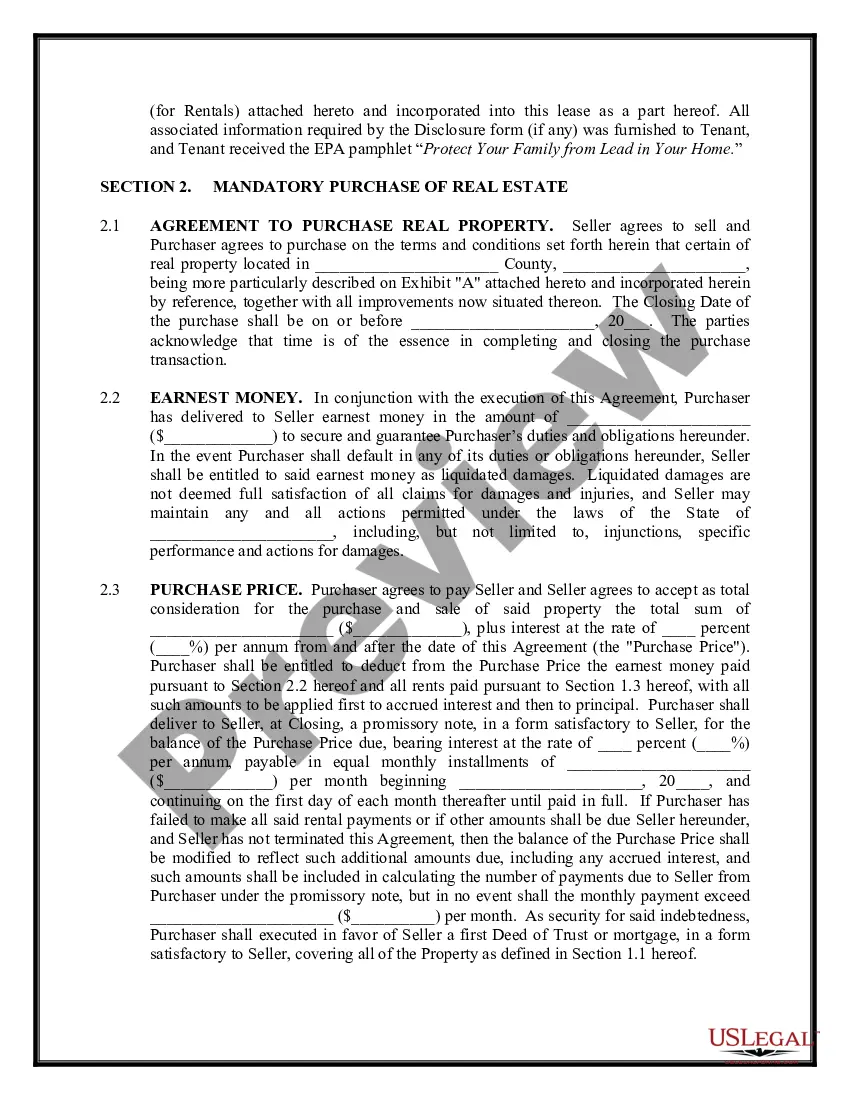
Xx accepts the Property “As-Is” as of the date of the execution of this Agreement, without any warranties or representations from Seller regarding the use, condition or habitability of the Property.
It is an informal document that will give your loved ones important information about personal and financial matters after your death. Letters of intent are not legally binding and do not replace your need for a will or a living trust, however it can be a nice complement to those documents.
Most real estate contracts have a clause which specifies what personal property is included in or excluded from the sale. Sellers and buyers often forget to specify certain items, which leads to arguments at closing.
“As Is” disclaimer example: Other than as provided in this agreement, Developer makes no other warranties, express or implied, and hereby disclaims all implied warranties, including any warranty of merchantability and warranty of fitness for a particular purpose.
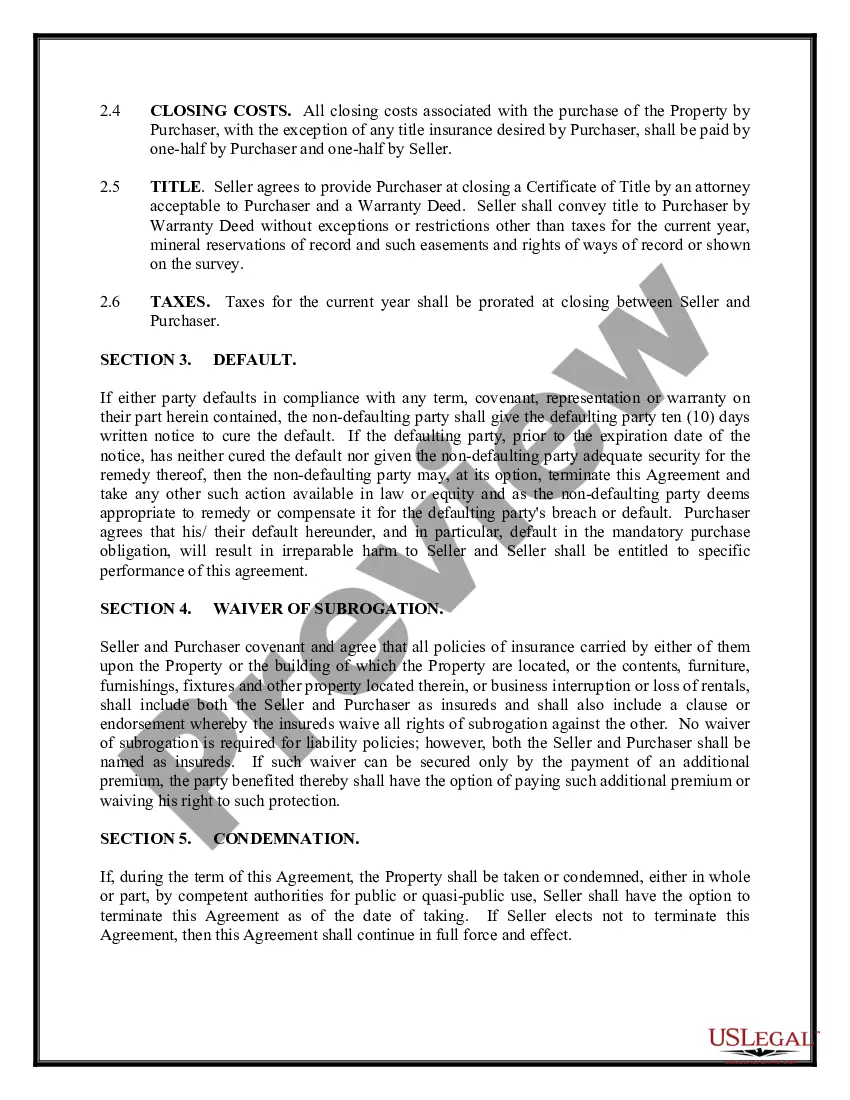
In real estate contracts, there are contract clauses that outline the terms of the agreement and responsibilities of each party. The contract clauses address all aspects of the sale terms and are legally binding once both parties sign the document.
"As is" clauses "put potential buyers on notice that the seller makes no warranties about the quality or condition of the thing sold." (Shapiro v. Hu (1986) 188 Cal. App. 3d 324, 333, 233 Cal. Rptr.
With an “as-is” provision, sellers are protected from liability for defects in the property that the buyer visibly observes. Sellers still, however, have a duty under California law to disclose any known defects in the property.
Make an offer to the seller that includes the escalation clause addendum, spelling out the original offer, with the escalation document attached. The seller will provide evidence of potential competing offers. The buyer will receive the courtesy call and may increase their offer using the escalation clause.