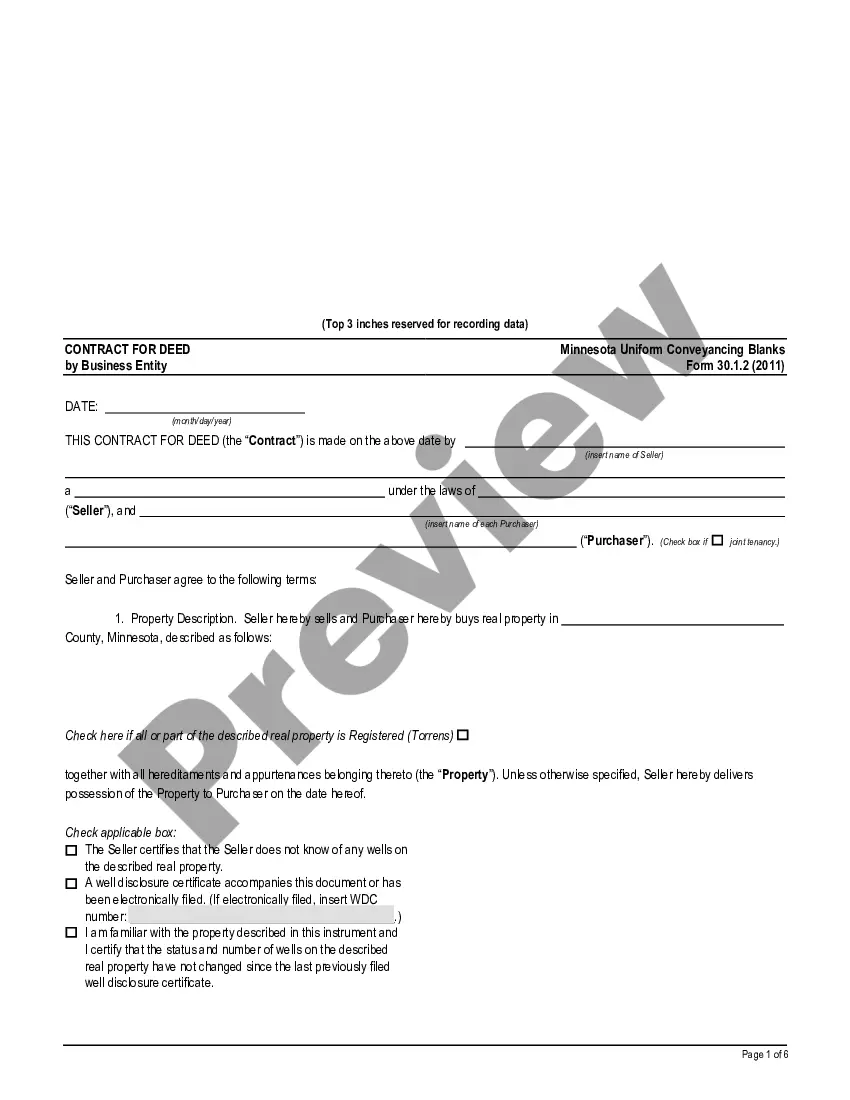
Real Estate Clause In A Will In Franklin
Description

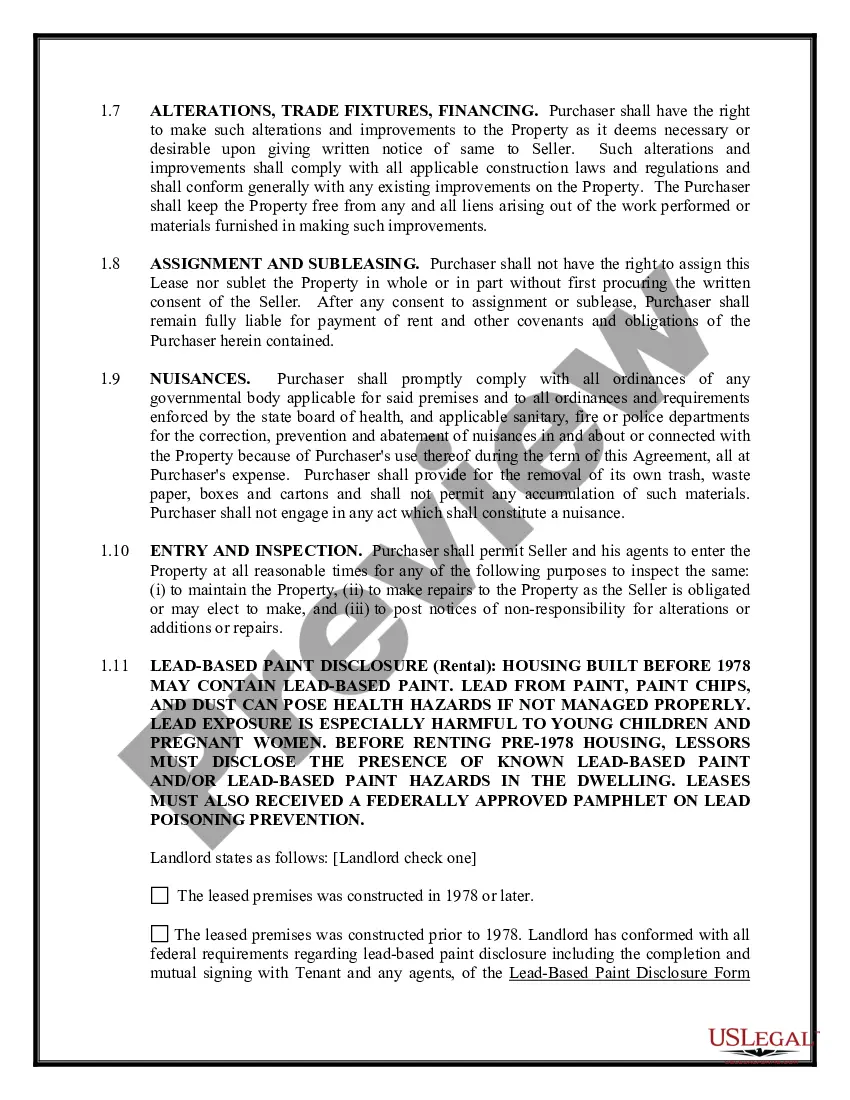
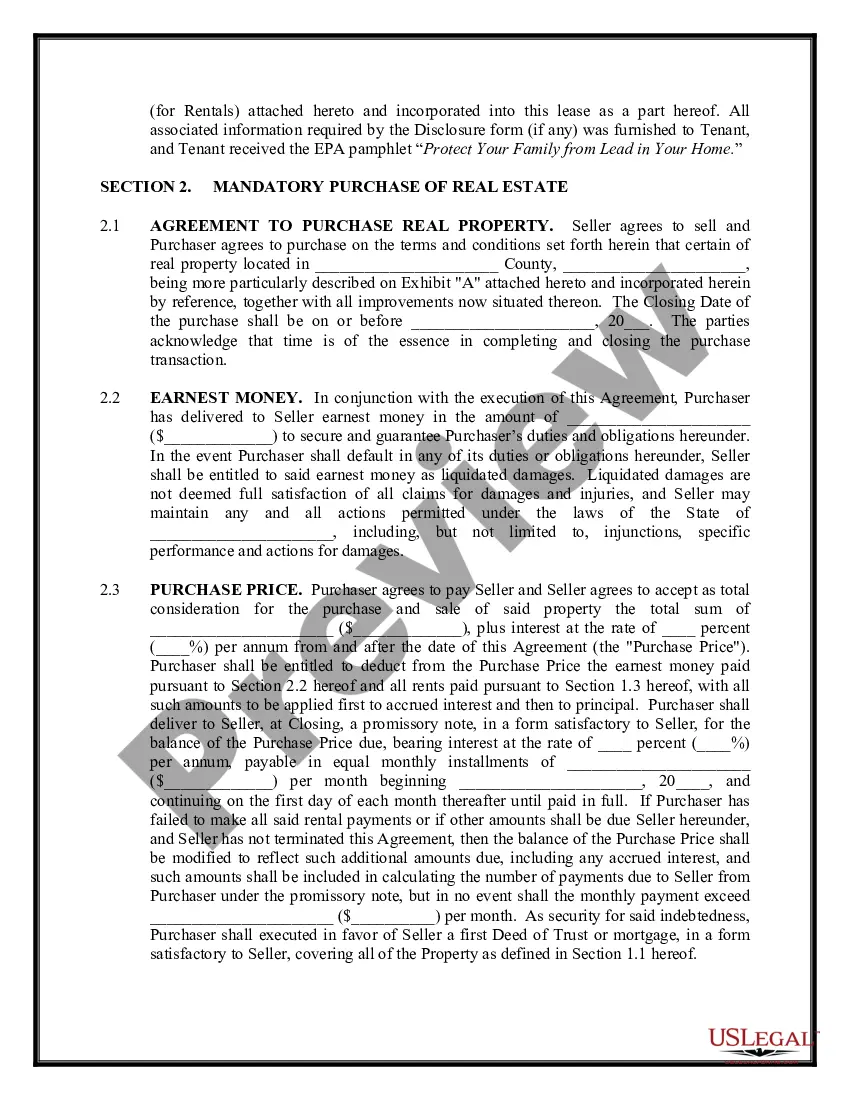
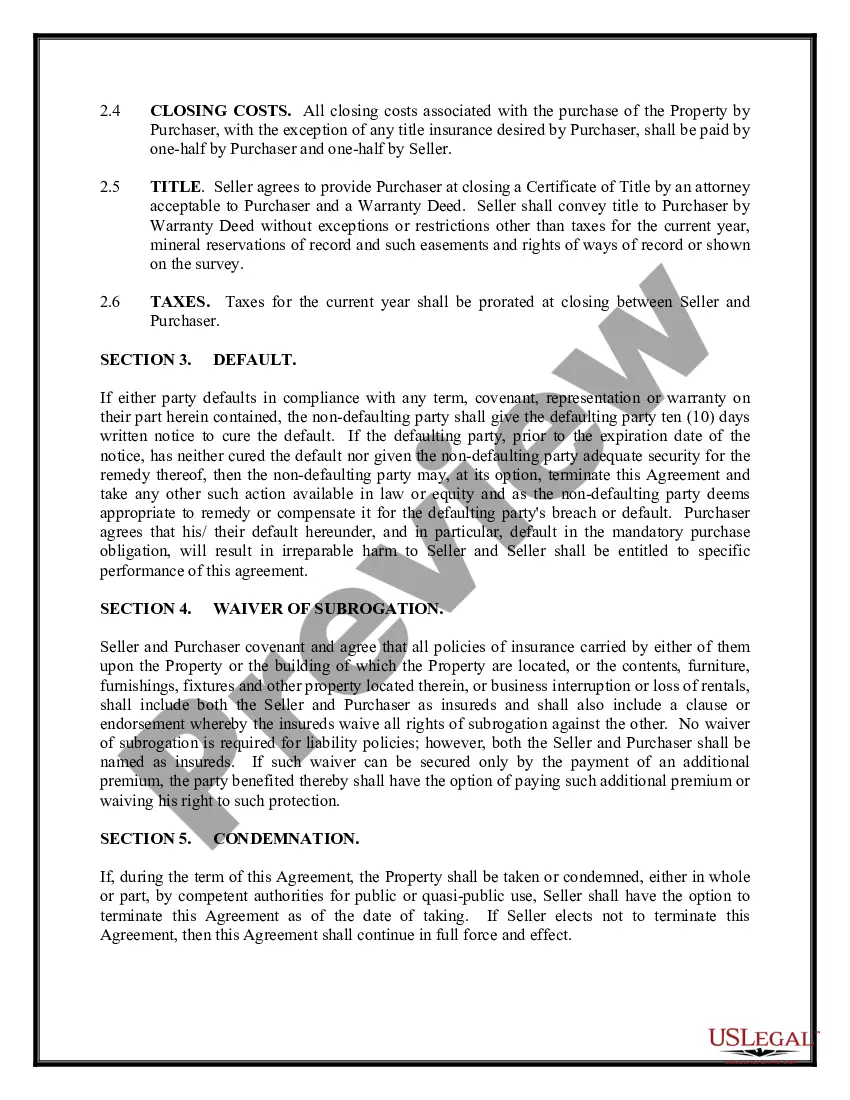
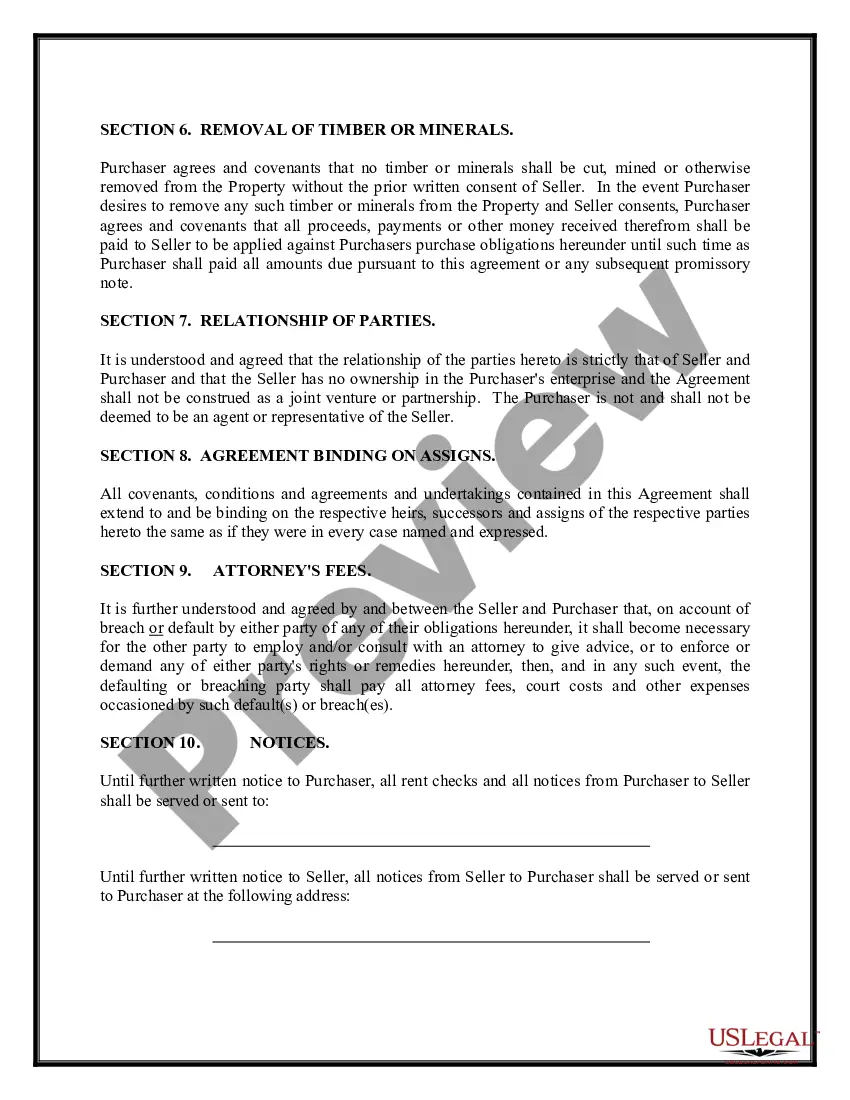
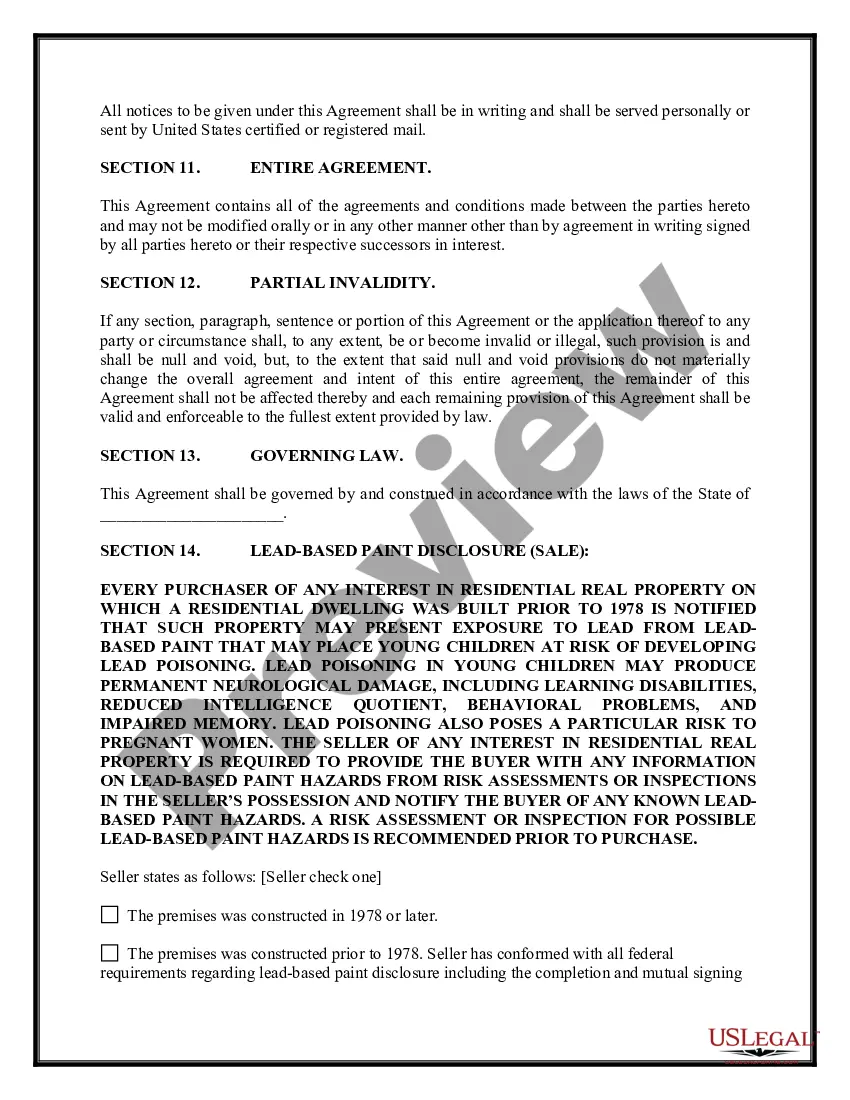
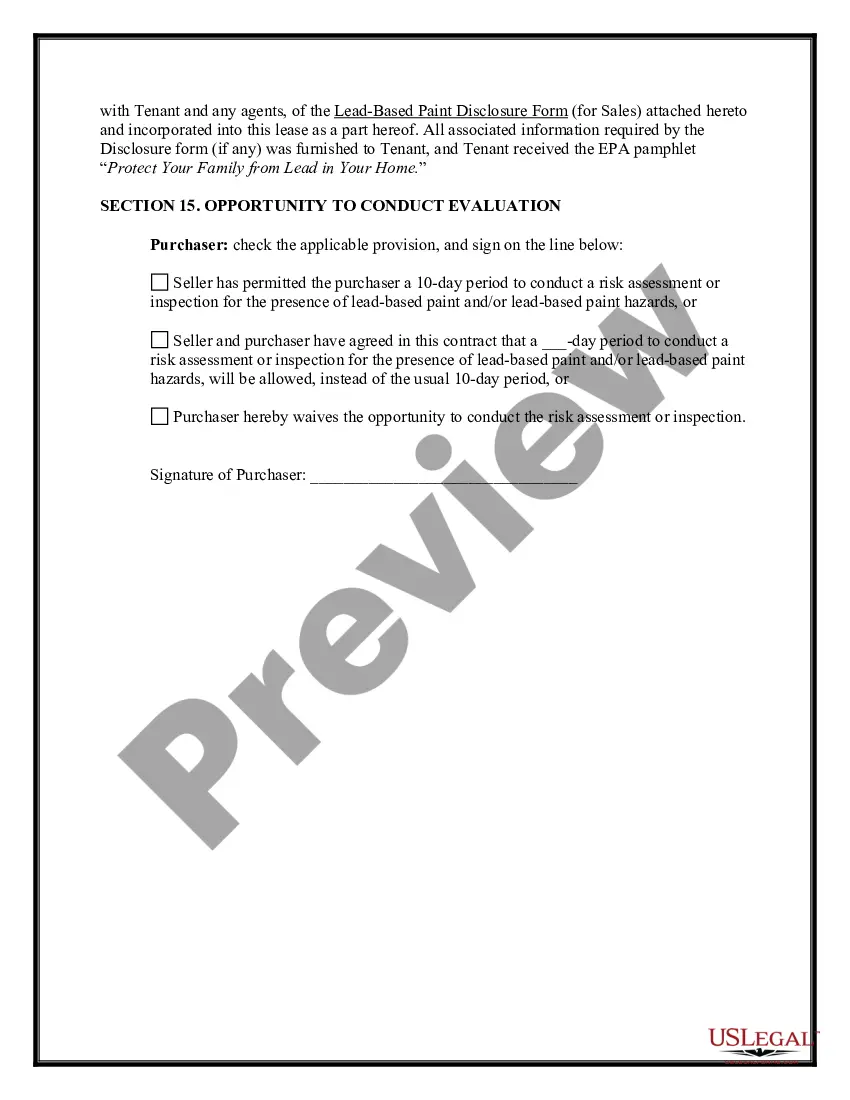
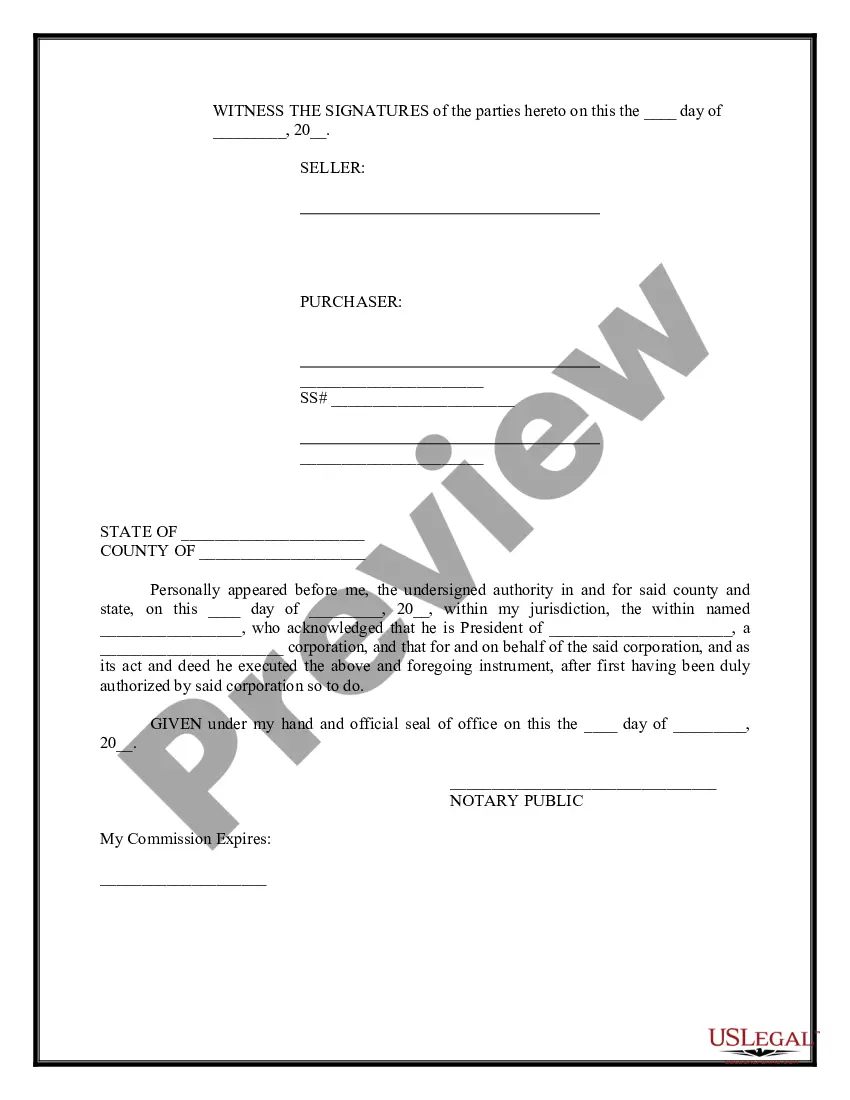
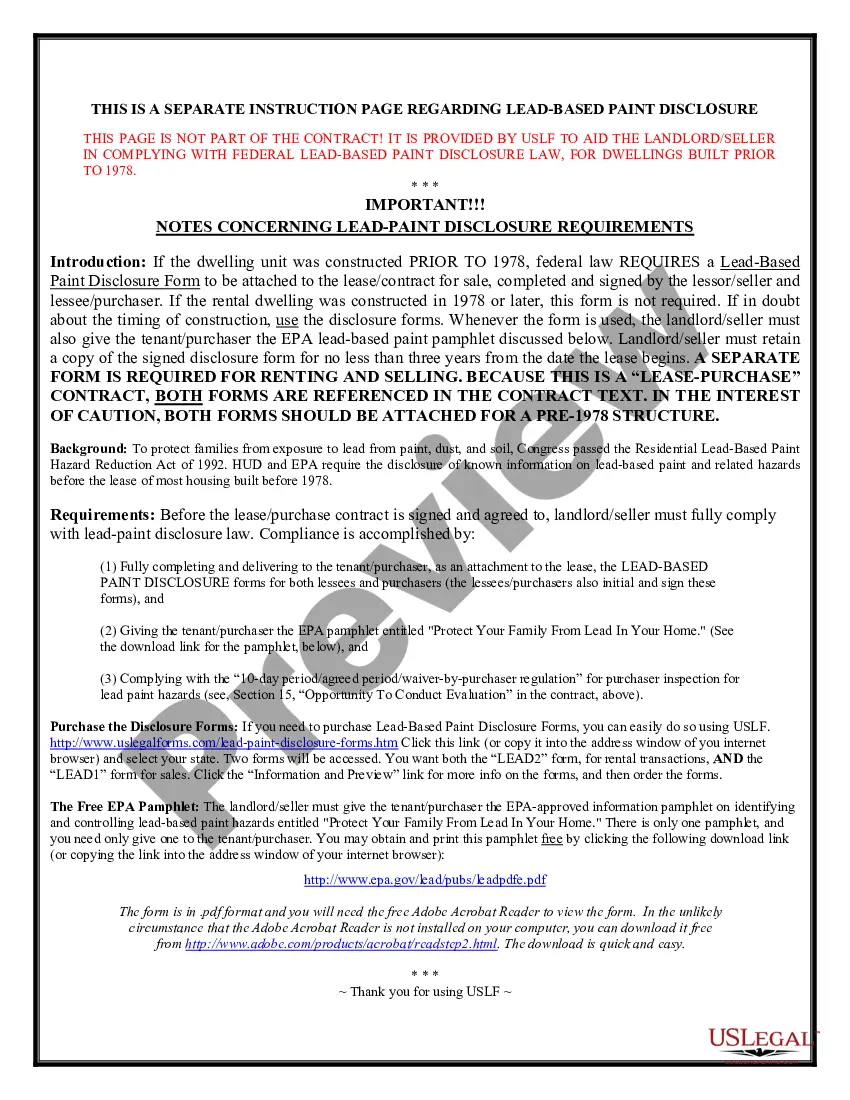
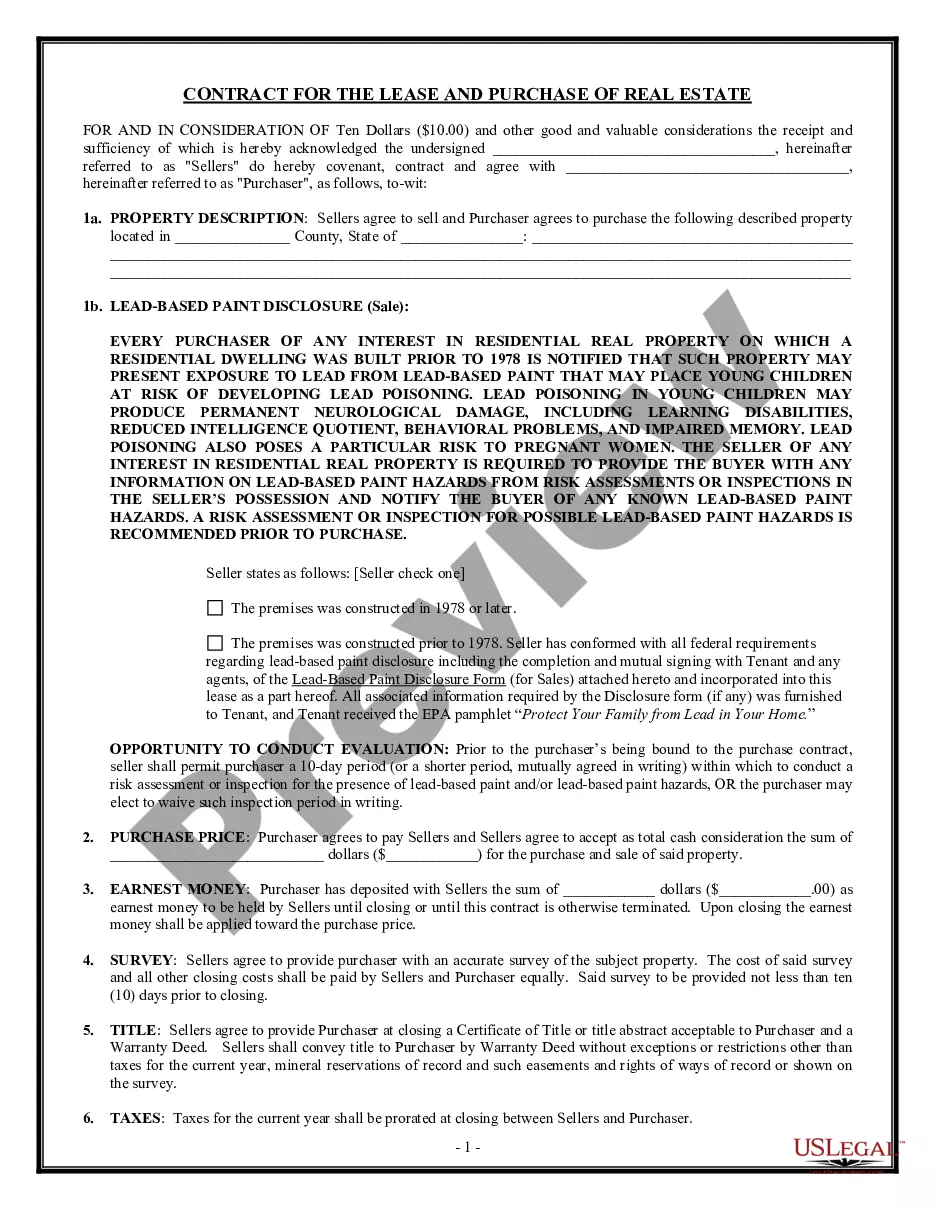
Get your form ready online
Our built-in tools help you complete, sign, share, and store your documents in one place.
Make edits, fill in missing information, and update formatting in US Legal Forms—just like you would in MS Word.
Download a copy, print it, send it by email, or mail it via USPS—whatever works best for your next step.
Sign and collect signatures with our SignNow integration. Send to multiple recipients, set reminders, and more. Go Premium to unlock E-Sign.
If this form requires notarization, complete it online through a secure video call—no need to meet a notary in person or wait for an appointment.
We protect your documents and personal data by following strict security and privacy standards.

Make edits, fill in missing information, and update formatting in US Legal Forms—just like you would in MS Word.

Download a copy, print it, send it by email, or mail it via USPS—whatever works best for your next step.

Sign and collect signatures with our SignNow integration. Send to multiple recipients, set reminders, and more. Go Premium to unlock E-Sign.

If this form requires notarization, complete it online through a secure video call—no need to meet a notary in person or wait for an appointment.

We protect your documents and personal data by following strict security and privacy standards.
Looking for another form?

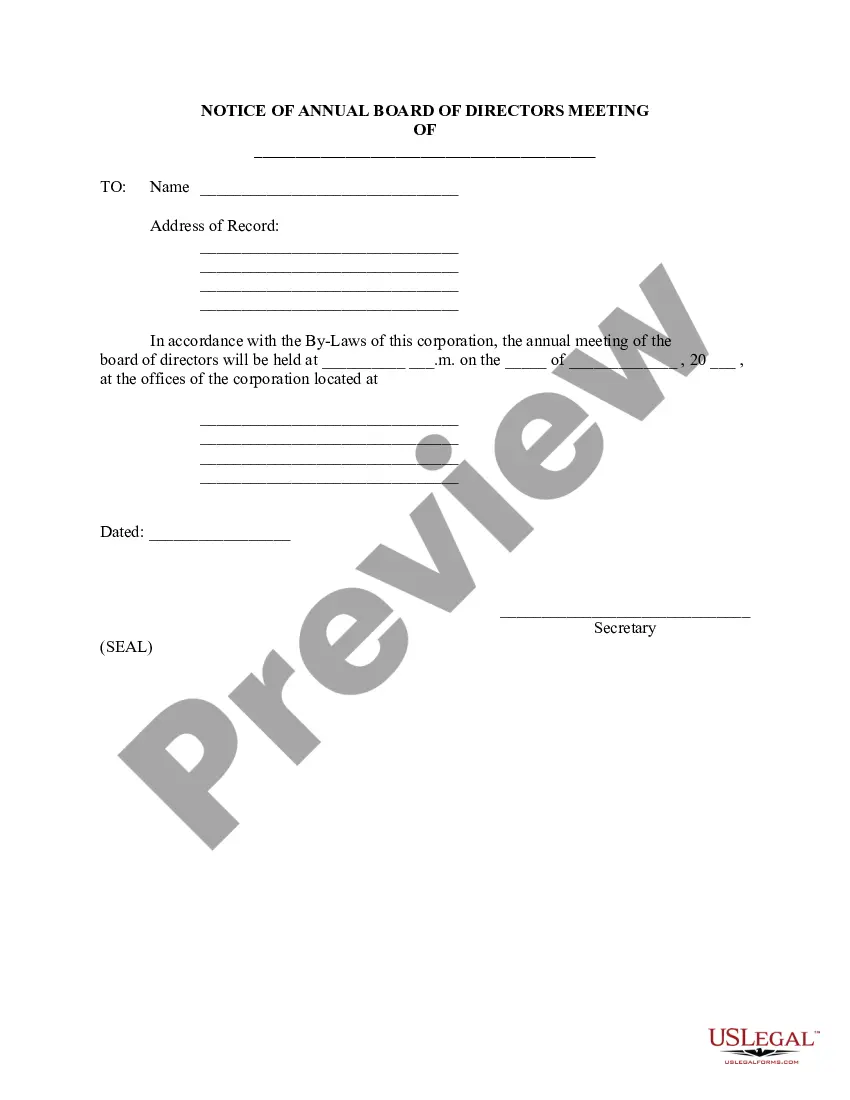






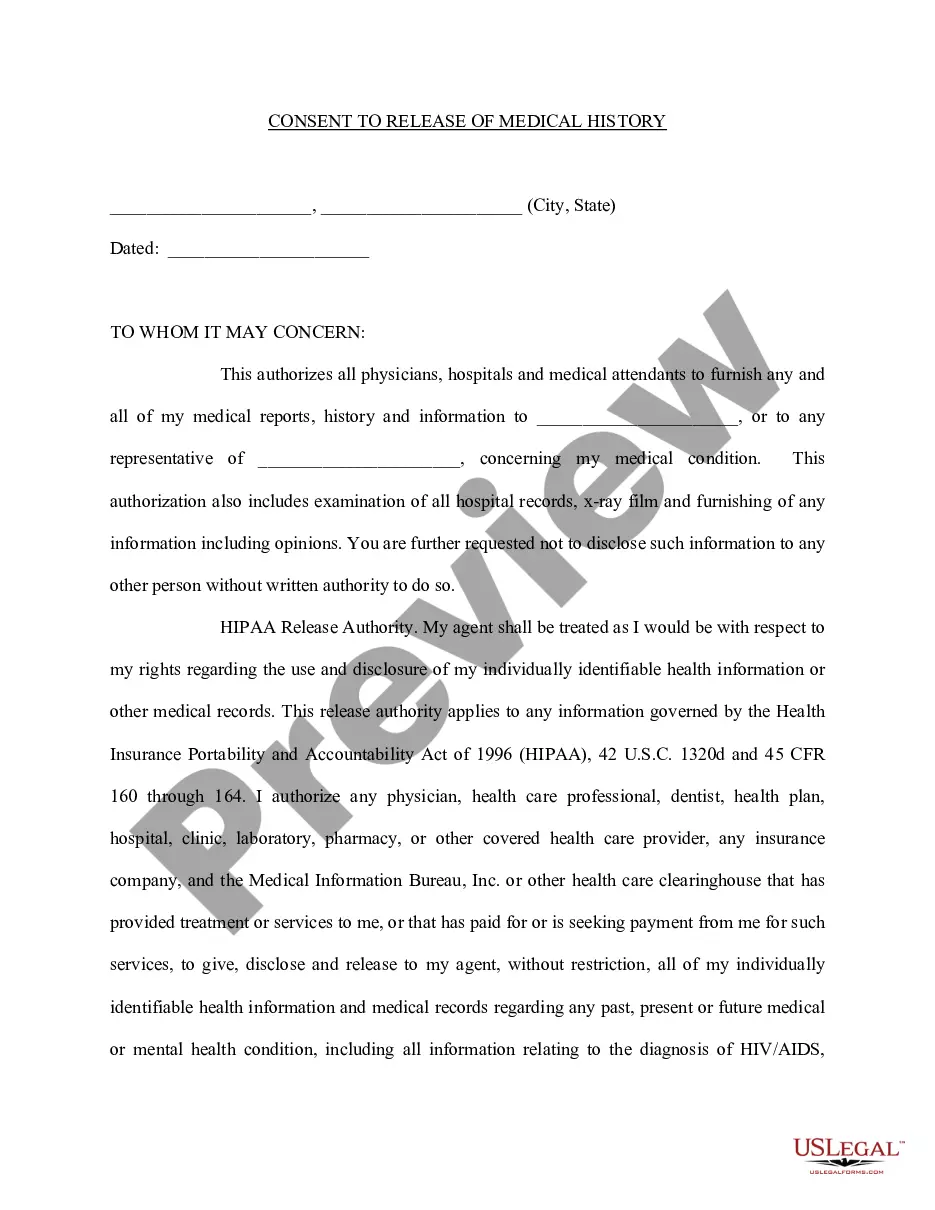

Form popularity
FAQ
Required Elements of a Real Estate Contract To establish legality, a real estate contract must include a legal purpose, legally competent parties, agreement by offer and acceptance, consideration, and consent.
How to draft a contract between two parties: A step-by-step checklist Know your parties. Agree on the terms. Set clear boundaries. Spell out the consequences. Specify how you will resolve disputes. Cover confidentiality. Check the legality of the contract. Open it up to negotiation.
Here is an example clause: Due Diligence Period Clause: “The Buyer shall have a period of number of days days, starting from the Effective Date, to conduct a thorough due diligence review of the Property.
Xx accepts the Property “As-Is” as of the date of the execution of this Agreement, without any warranties or representations from Seller regarding the use, condition or habitability of the Property.
Writing your own contracts is perfectly possible, and legal. But it's also an incredibly bad idea. There's two reasons for this: Property law is complicated. Because it's such a fundamental part of legislation, it's often lots and lots of different laws layered on top of each other.
Real estate contracts commonly include the following information: Parties involved: The names and contact information of the buyer(s) and seller(s). Property description: A detailed description of the property, including its address, legal description, and any specific features.
Real property: Real estate, land, and things permanently attached to it, such as houses. Residue or residuary estate: All property subject to a will that isn't given away specifically in the will.
A codicil to a will is a legal document used to make minor changes to your existing will without having to rewrite the entire document. It's a flexible tool for updating your estate plan when there are minor changes. Codicils must be executed with the same formalities as a will to ensure validity.
Giving Real Estate Away in Your Will Upon your death, the property will pass ing to the terms in your will through the probate court. The probate process is a public process that is time-consuming and costly, so many people want to find alternate ways to gift their real estate upon death.
These clauses essentially act as conditions that must be met for the contract to be considered valid. One common type of clause is an inspection contingency. This allows the buyer to perform a thorough inspection of the property before finalizing the sale. Another type is a financing contingency.