Forfeiture Clause Real Estate
Description

Get your form ready online
Our built-in tools help you complete, sign, share, and store your documents in one place.
Make edits, fill in missing information, and update formatting in US Legal Forms—just like you would in MS Word.
Download a copy, print it, send it by email, or mail it via USPS—whatever works best for your next step.
Sign and collect signatures with our SignNow integration. Send to multiple recipients, set reminders, and more. Go Premium to unlock E-Sign.
If this form requires notarization, complete it online through a secure video call—no need to meet a notary in person or wait for an appointment.
We protect your documents and personal data by following strict security and privacy standards.

Make edits, fill in missing information, and update formatting in US Legal Forms—just like you would in MS Word.

Download a copy, print it, send it by email, or mail it via USPS—whatever works best for your next step.

Sign and collect signatures with our SignNow integration. Send to multiple recipients, set reminders, and more. Go Premium to unlock E-Sign.

If this form requires notarization, complete it online through a secure video call—no need to meet a notary in person or wait for an appointment.

We protect your documents and personal data by following strict security and privacy standards.
Looking for another form?






Form popularity
FAQ
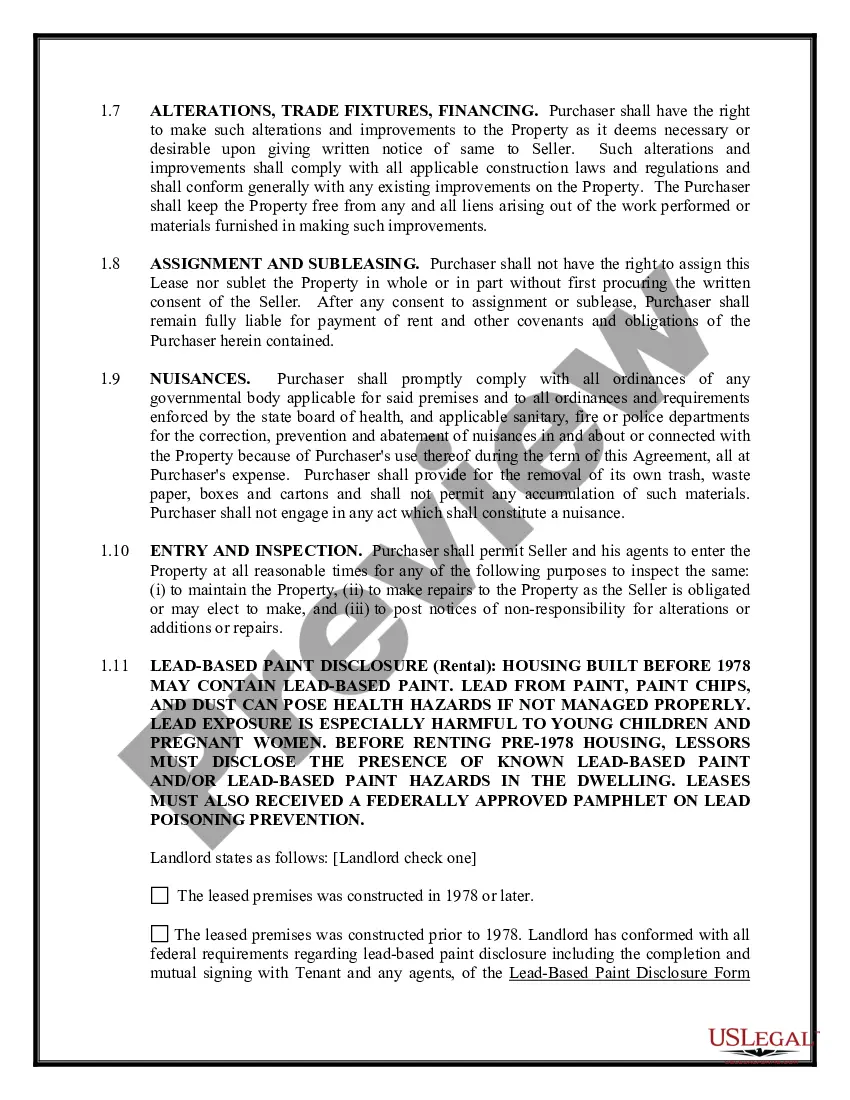
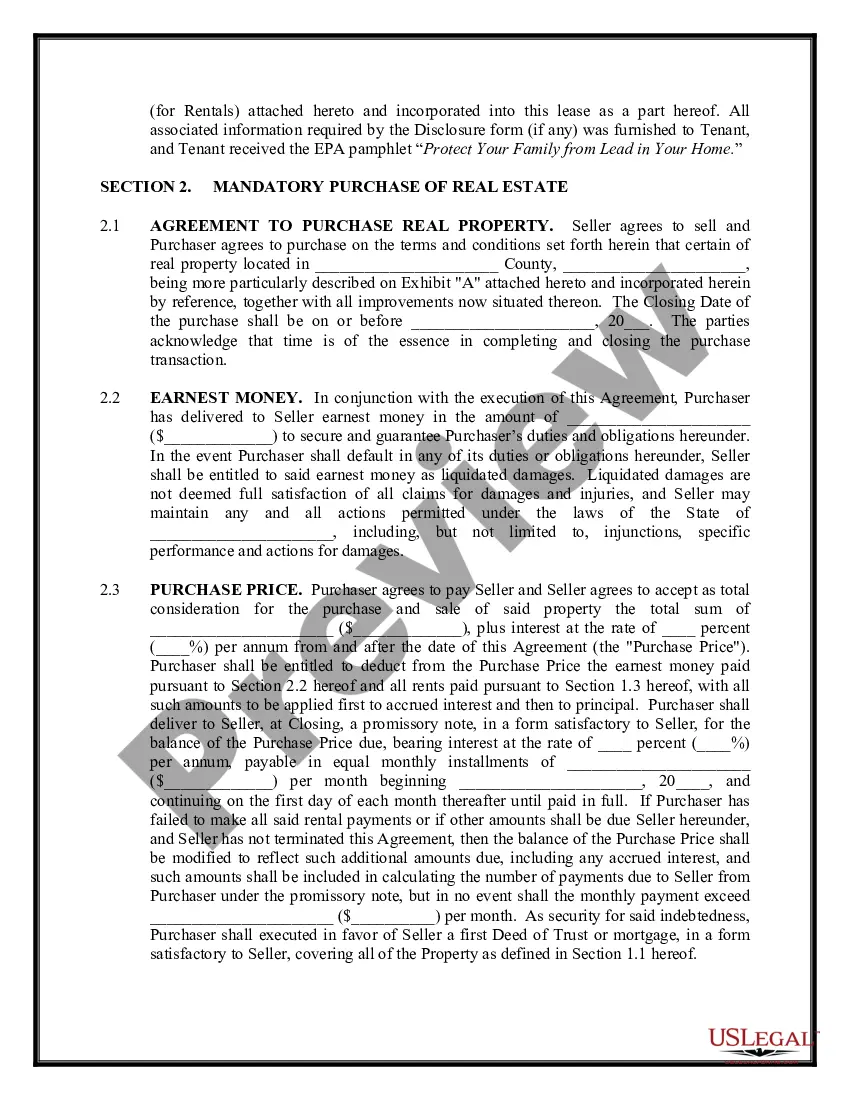
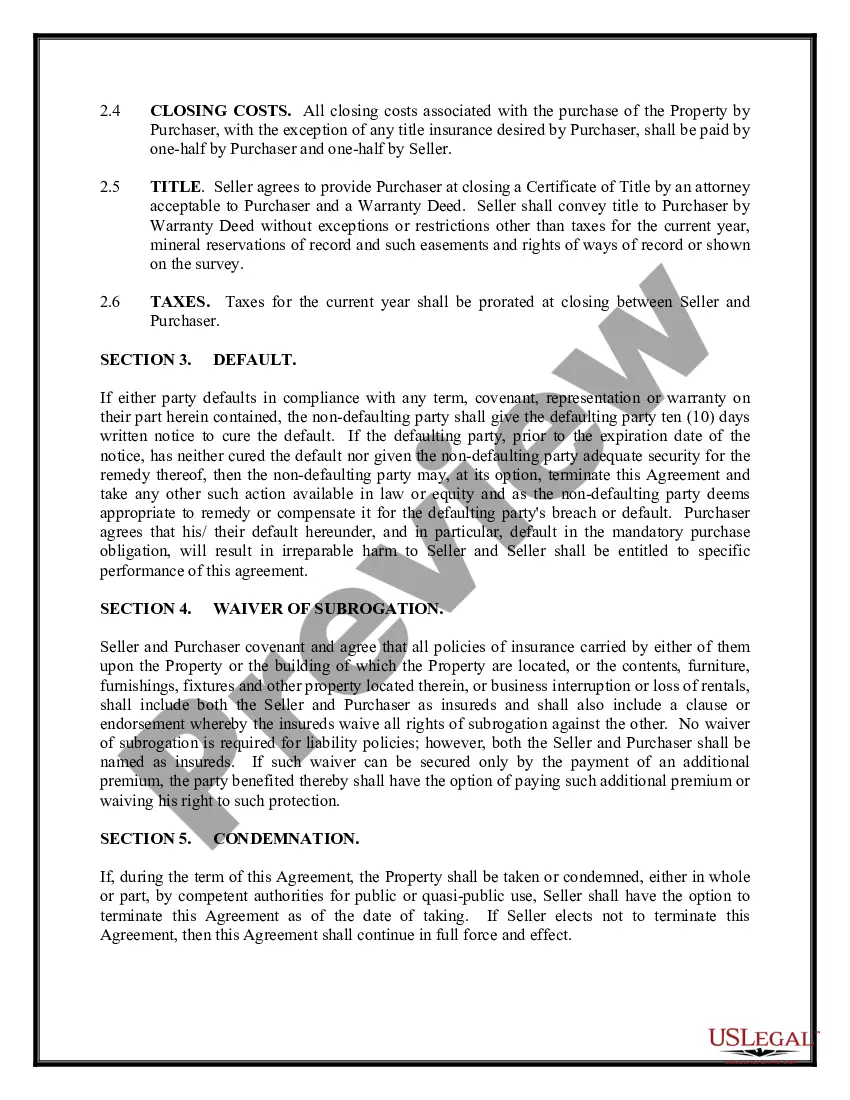
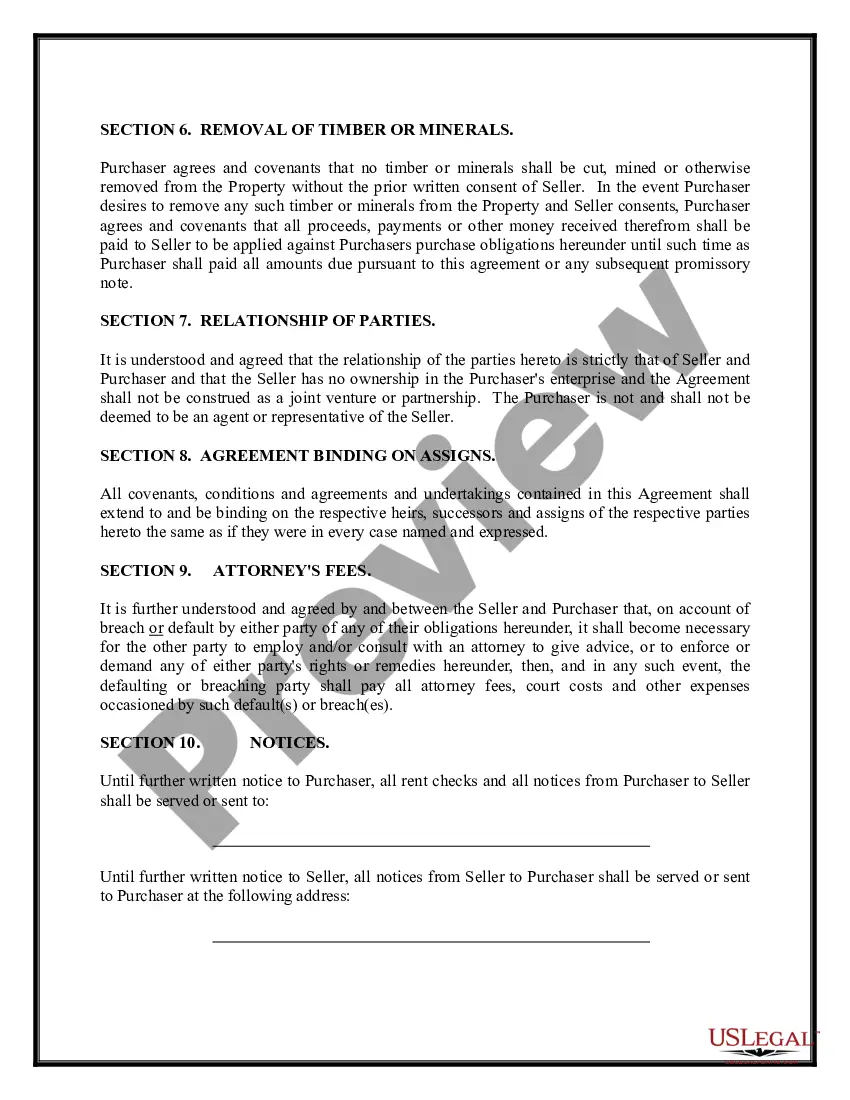
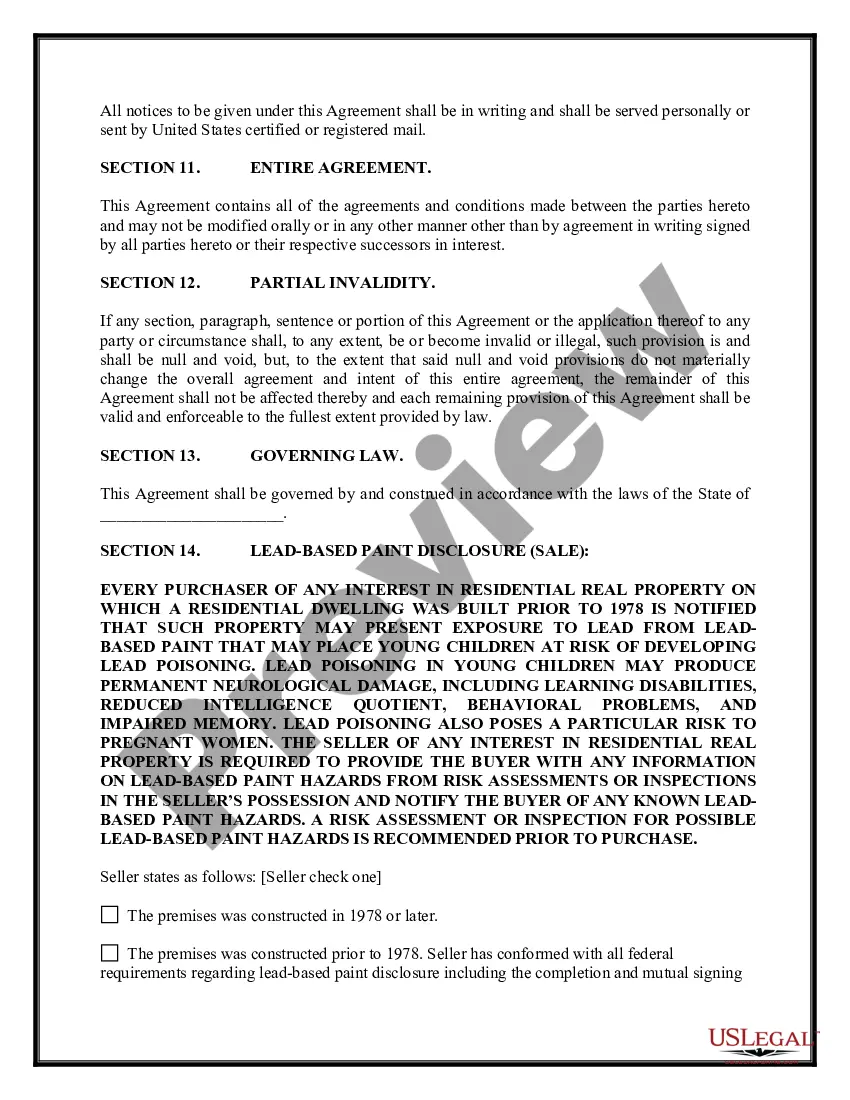
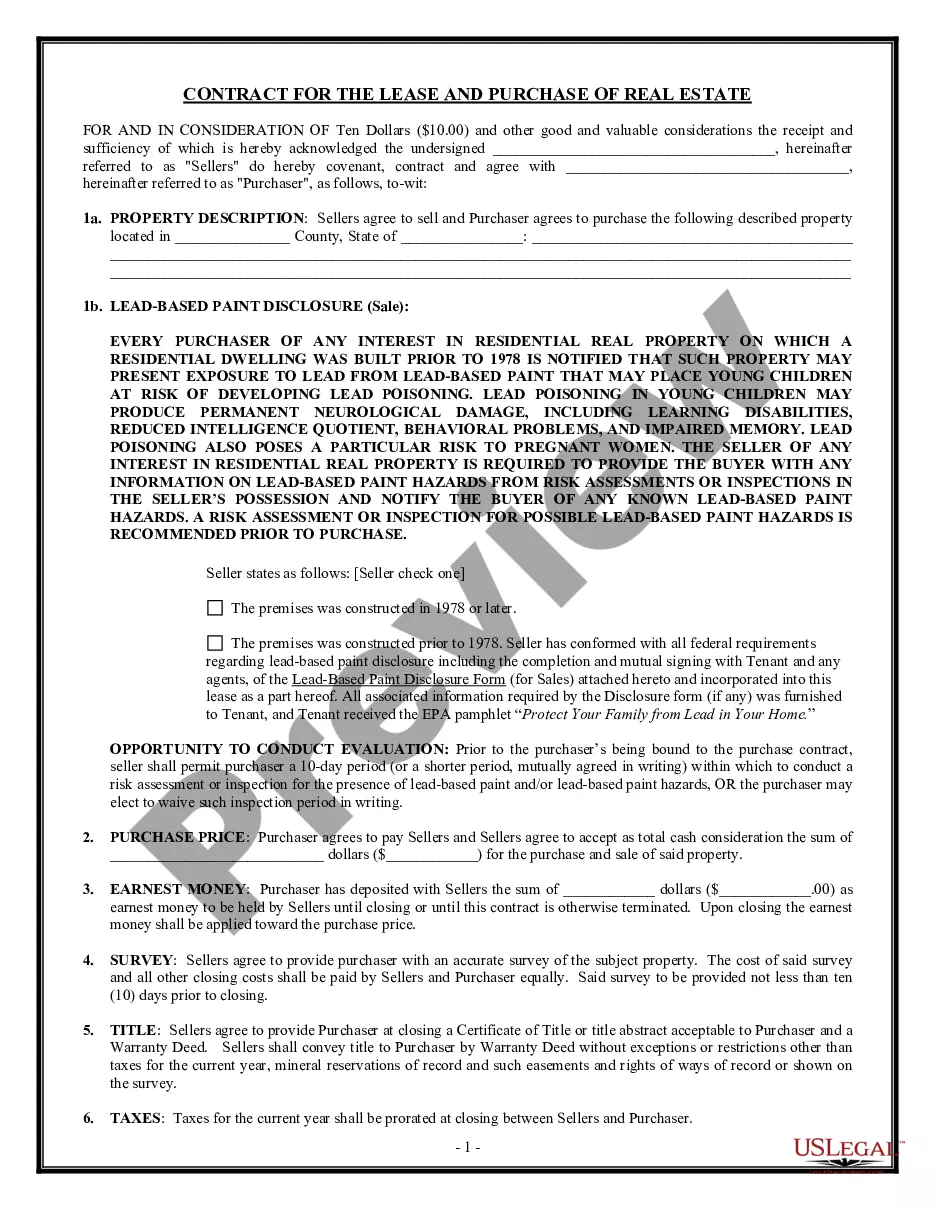
The forfeiture clause in a contract outlines the conditions under which a party may lose their rights or benefits due to breaches or non-compliance. In the context of real estate, this clause can lead to significant implications for buyers and sellers alike. If either party fails to meet the agreed terms, the forfeiture clause can result in financial penalties or the loss of property rights. Reviewing contracts carefully, especially if they include a forfeiture clause, can save you from future disputes.
The forfeiture clause in real estate is a provision that allows a property owner to reclaim their property after a default on a contract or lease. This clause typically outlines the conditions under which the forfeiture can occur, providing a legal pathway for the owner to regain possession. Understanding the forfeiture clause in real estate is essential for both buyers and sellers, as it can impact your rights and responsibilities significantly. Luckily, US Legal Forms offers resources to help you navigate these clauses, ensuring that you make informed decisions in the real estate process.
A significant disadvantage for the buyer under a land contract is that they may lack full ownership until the contract's terms are fulfilled completely. This means if they default on payments, the seller can invoke the forfeiture clause to reclaim the property swiftly. Moreover, buyers might struggle to build equity during the contract term since they do not hold the deed. Therefore, understanding the implications of the forfeiture clause real estate is crucial for any buyer entering a land contract.
In Michigan, the redemption period for land contract forfeiture typically lasts for 15 days after a notice of default is issued. During this time, the buyer can rectify the situation by making overdue payments to retain ownership. Failing to act within this timeframe can result in losing the property without any further recourse. Knowing about the redemption period and the forfeiture clause real estate is vital for buyers in Michigan to ensure they protect their investments.
In the context of Quizlet, a forfeiture clause can be particularly disadvantageous to buyers because it can lead to losing their learned investment in property. Buyers may only realize the full implications of this clause after it is too late, resulting in financial loss and eviction. This situation highlights the need for buyers to educate themselves thoroughly, possibly using platforms like US Legal Forms, to understand their rights and obligations in real estate agreements.
The main disadvantage of a forfeiture clause to the buyer is the risk of losing their investment if they fail to adhere to the contract terms. If the buyer misses payments or breaches any part of the agreement, they could forfeit the property without any compensation. This creates a precarious situation, where a significant investment may vanish simply due to oversight or unforeseen circumstances. Thus, buyers must clearly understand the forfeiture clause real estate before signing a contract.
An example of a forfeiture occurs when a buyer fails to make mortgage payments for several months. In this scenario, the seller can exercise the forfeiture clause to take back the property. This process may not require court intervention, simplifying the recovery for the seller. However, it is crucial for buyers to understand the forfeiture clause real estate and their obligations to avoid such outcomes.
A forfeiture clause is a provision in a real estate contract that allows the seller to reclaim the property if the buyer fails to meet specific conditions, such as making timely payments. This clause provides a safety net for the seller, ensuring they can regain control over the property. It is important to read and understand this clause to fully grasp the implications it might have on your transaction.
A forfeiture in real estate occurs when a buyer loses their rights to a property due to not fulfilling the contractual obligations. This often happens when payments are missed or terms are violated. In such cases, the seller may reclaim the property without needing to go through a lengthy court process. Understanding the forfeiture clause real estate is essential to avoid this situation.
To initiate forfeiture proceedings, you first need to review the terms outlined in the forfeiture clause within the property contract. Typically, documentation demonstrating the default must be gathered and presented to a legal authority. Additionally, it is advisable to consult a legal professional to ensure compliance with local laws and proper execution of the process. Platforms like US Legal Forms can provide templates and resources to help you navigate this procedure effectively.
