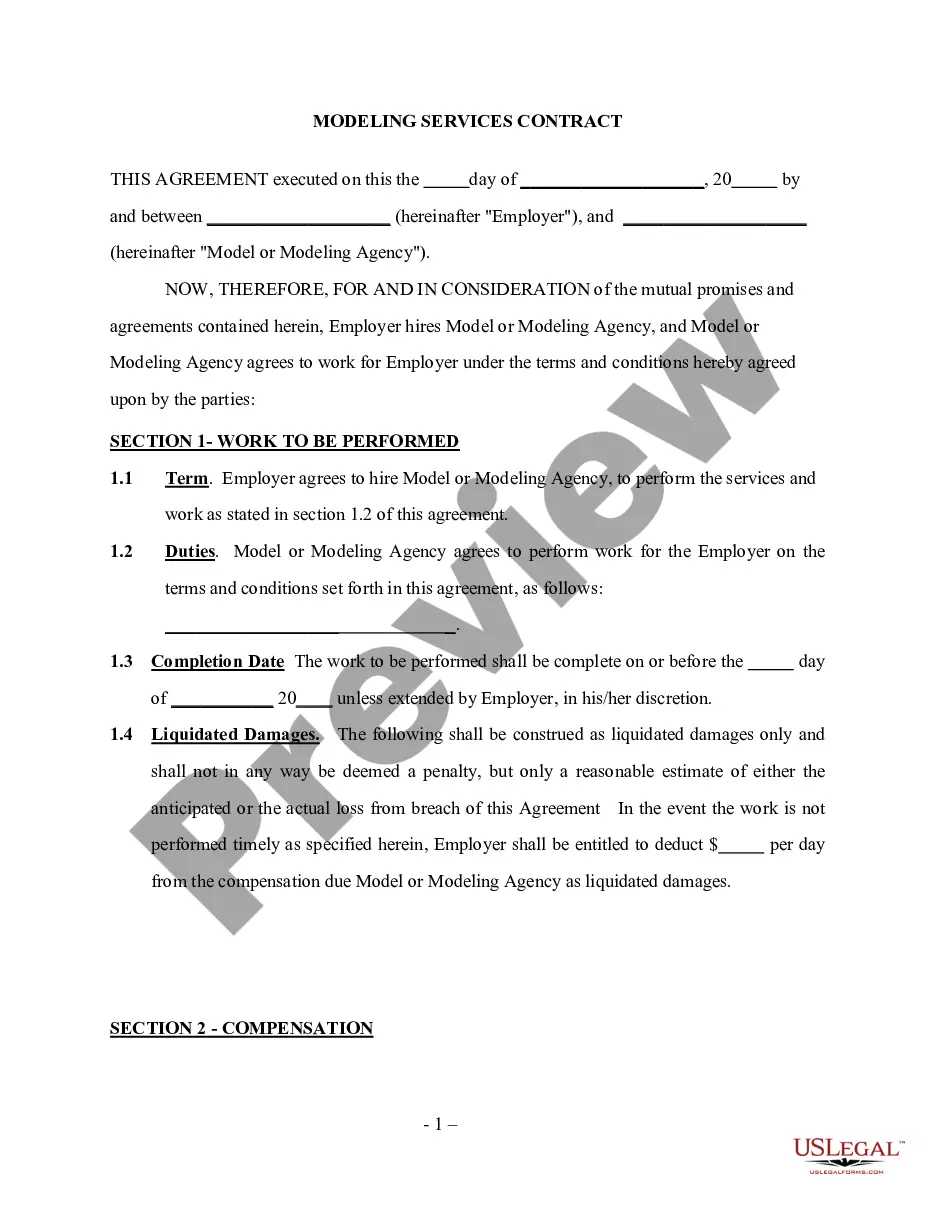
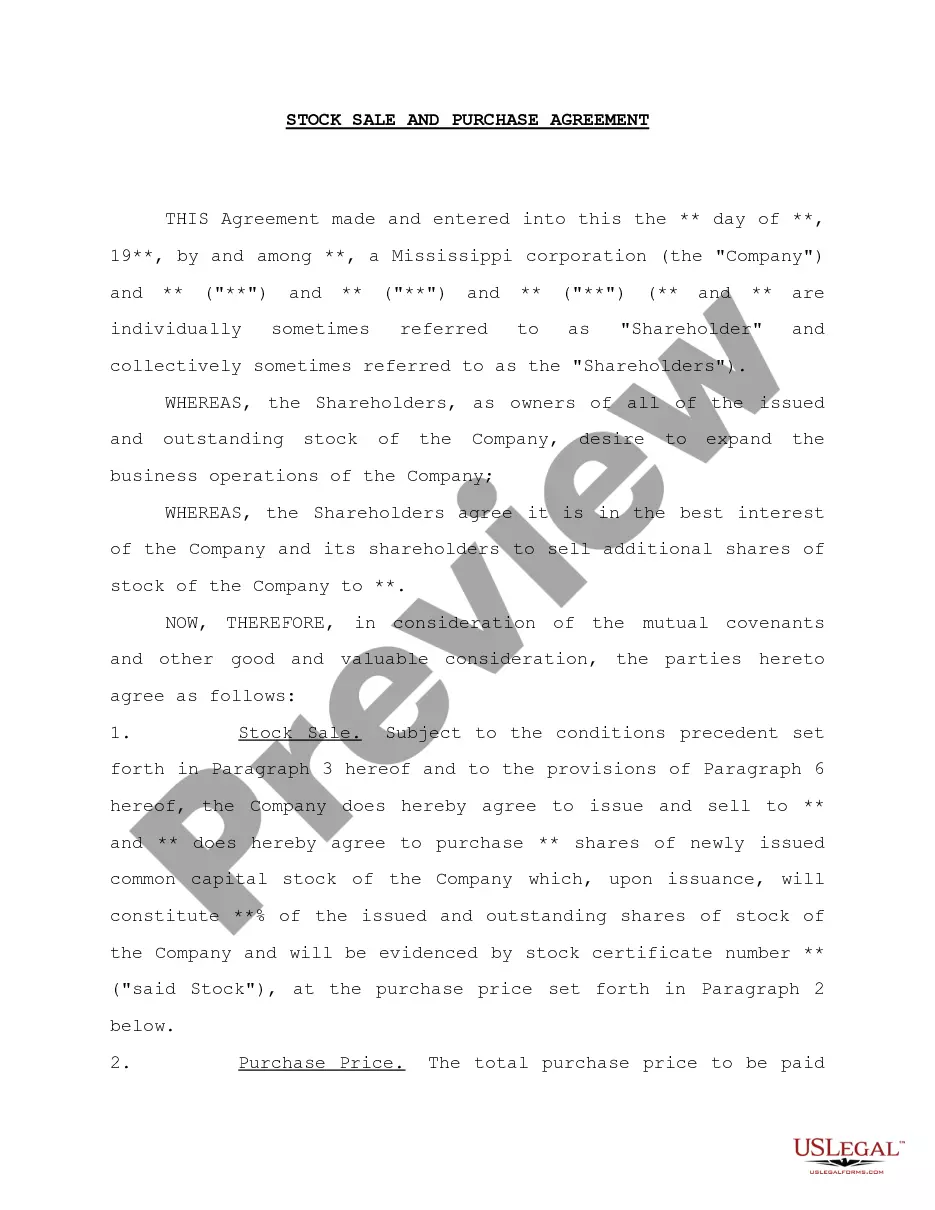
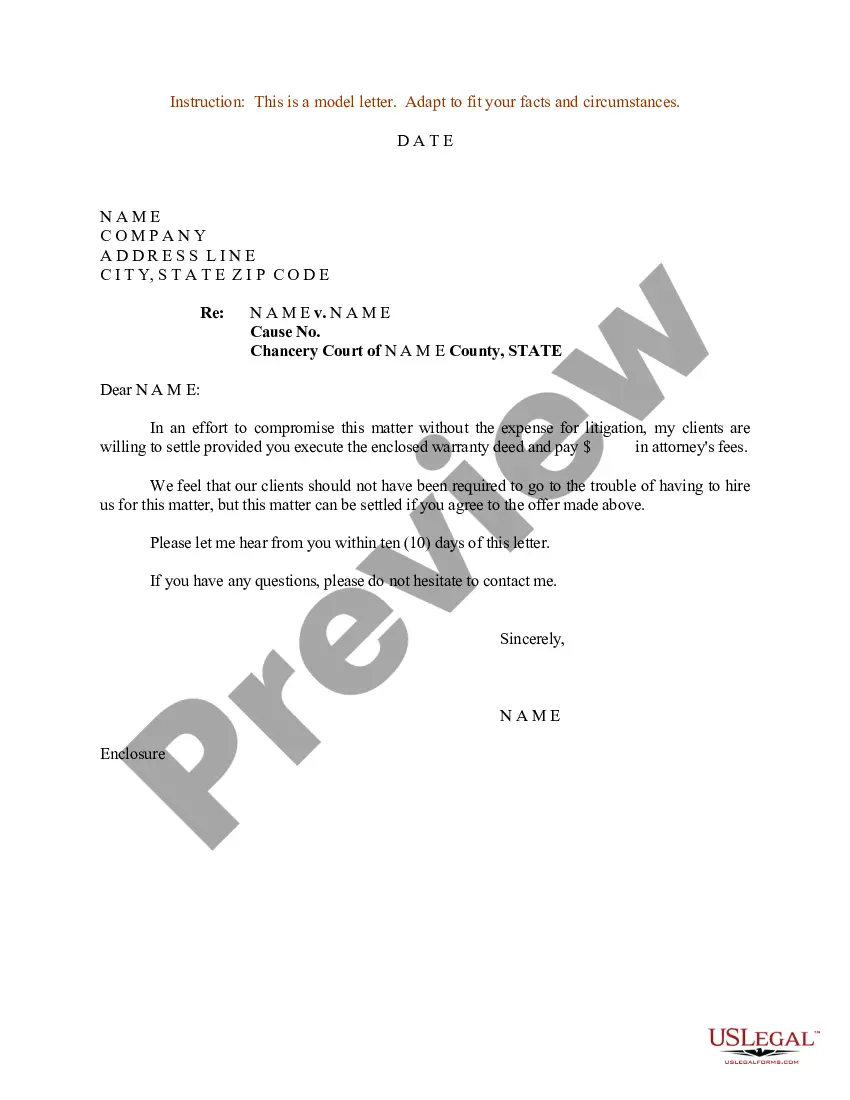
Noc Templates With Photo In Fairfax
Description


Get your form ready online
Our built-in tools help you complete, sign, share, and store your documents in one place.
Make edits, fill in missing information, and update formatting in US Legal Forms—just like you would in MS Word.
Download a copy, print it, send it by email, or mail it via USPS—whatever works best for your next step.
Sign and collect signatures with our SignNow integration. Send to multiple recipients, set reminders, and more. Go Premium to unlock E-Sign.
If this form requires notarization, complete it online through a secure video call—no need to meet a notary in person or wait for an appointment.
We protect your documents and personal data by following strict security and privacy standards.

Make edits, fill in missing information, and update formatting in US Legal Forms—just like you would in MS Word.

Download a copy, print it, send it by email, or mail it via USPS—whatever works best for your next step.

Sign and collect signatures with our SignNow integration. Send to multiple recipients, set reminders, and more. Go Premium to unlock E-Sign.

If this form requires notarization, complete it online through a secure video call—no need to meet a notary in person or wait for an appointment.

We protect your documents and personal data by following strict security and privacy standards.
Looking for another form?









Form popularity
FAQ
All deeds must be prepared by the owner of the property or by an attorney licensed to practice in Virginia.
Legal Requirements for Deeds It should be an original or a first-generation printout as per Va. It should be written in printed ink or typed in ribbon copy, complying with general recording. All individual names need to be underlined or written in capital letters when they first appear in.
How do I record a homestead deed? Virginia law allows for the filing of a homestead deed within your local county Land Records office. In Fairfax County and the City of Fairfax, homestead deeds are recorded in the Land Records Division of the Fairfax Circuit Court.
The building official shall issue the certificate of occupancy within five working days after approval of the final inspection and when the building or structure or portion thereof is determined to be in compliance with this code and any pertinent laws or ordinances, or when otherwise entitled.
Permits are typically required for the following projects: alterations to existing commercial structures; commercial structures; carport enclosures; decks; demolition; electrical systems; finished basements; garages and sheds; HVAC systems; mobile homes; plumbing systems; pools, spas and hot tubs; renovations; ...
Virginia law requires that a Certificate of Occupancy be issued for all new buildings and when the occupancy use of an existing building changes. The CO is the County's way of certifying that a building may be used in a specific manner, and that construction methods comply with applicable codes.
Virginia Code section 36-105.4 states, “The owner or managing agent of a residential dwelling unit may develop and implement occupancy standards restricting the maximum number of occupants permitted to occupy a dwelling unit to two persons per bedroom, which is presumed to be reasonable.”
New Construction customer preference items include interior wall finishes, floor coverings, appliances, fixtures and equipment. construction” do not require VA inspections. VA will accept a certificate of occupancy (CO) as evidence of local authority inspections.