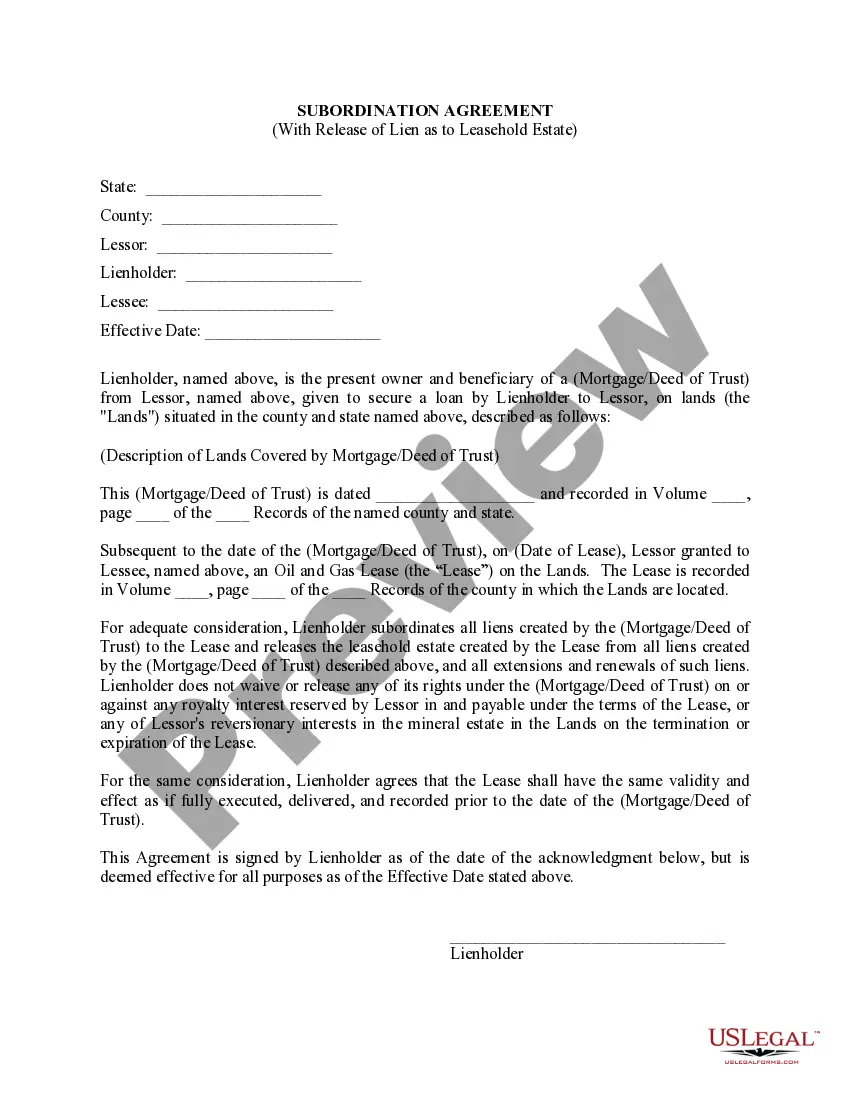
Debt Settlement Letter Sample With Notice Period In Broward
Description



Get your form ready online
Our built-in tools help you complete, sign, share, and store your documents in one place.
Make edits, fill in missing information, and update formatting in US Legal Forms—just like you would in MS Word.
Download a copy, print it, send it by email, or mail it via USPS—whatever works best for your next step.
Sign and collect signatures with our SignNow integration. Send to multiple recipients, set reminders, and more. Go Premium to unlock E-Sign.
If this form requires notarization, complete it online through a secure video call—no need to meet a notary in person or wait for an appointment.
We protect your documents and personal data by following strict security and privacy standards.

Make edits, fill in missing information, and update formatting in US Legal Forms—just like you would in MS Word.

Download a copy, print it, send it by email, or mail it via USPS—whatever works best for your next step.

Sign and collect signatures with our SignNow integration. Send to multiple recipients, set reminders, and more. Go Premium to unlock E-Sign.

If this form requires notarization, complete it online through a secure video call—no need to meet a notary in person or wait for an appointment.

We protect your documents and personal data by following strict security and privacy standards.
Looking for another form?





Form popularity
FAQ
How to write a debt collection letter: Step by step guide Step 1: Use a professional format. Step 2: Write a clear subject line (if sending via email) ... Step 3: Address the recipient. Step 4: State the purpose of the letter. Step 5: Provide detailed information on the debt. Step 6: Include payment instructions.
Clearly define objectives before drafting the settlement offer. If monetary compensation is involved, the offer should specify the amount, payment schedule, and contingencies for non-payment. Non-monetary terms, such as confidentiality clauses, mutual releases, or other protective measures, should also be considered.
And I want to offer this as full and final settlement of the account. I amWe are we are making this offer on the clear understanding that, if you accept it, neither you nor any associate company will take any other action to collect or enforce this debt in any way and that I will be released from any liability.
Clearly define objectives before drafting the settlement offer. If monetary compensation is involved, the offer should specify the amount, payment schedule, and contingencies for non-payment. Non-monetary terms, such as confidentiality clauses, mutual releases, or other protective measures, should also be considered.
Treat the following as a set of general guidelines: Gather complete information before you start writing. Describe your injuries and medical treatment. List your medical expenses, lost wages, and non-economic damages. Make a settlement demand. Include a deadline for legal action if you want to, but don't bluff.
The 7-in-7 rule, established by the Consumer Financial Protection Bureau (CFPB) in 2021, limits how often debt collectors can contact you by phone. Specifically, the rule states that a debt collector cannot: Make more than seven calls within a seven-day period to a consumer regarding a specific debt.
Treat the following as a set of general guidelines: Gather complete information before you start writing. Describe your injuries and medical treatment. List your medical expenses, lost wages, and non-economic damages. Make a settlement demand. Include a deadline for legal action if you want to, but don't bluff.
I am writing this letter to state that on _ (Day) i.e. (Date), I got relieved from your _ (Company/ Organization) but my full and final settlement has not been done. I request you to kindly do the full and final settlement and send me all dues (if any).
“Offering 25%-50% of the total debt as a lump sum payment may be acceptable. The actual percentage may vary depending on the circumstances of the borrower as well as the prevailing practices of that particular collection agency.” One benefit of negotiating settlement terms is likely to reduce stress.
Some collectors want 75%–80% of what you owe. Others will take 50%, while others might settle for one-third or less. So, it makes sense to start low with your first offer and see what happens. And be aware that some collectors won't accept anything less than the total debt amount.