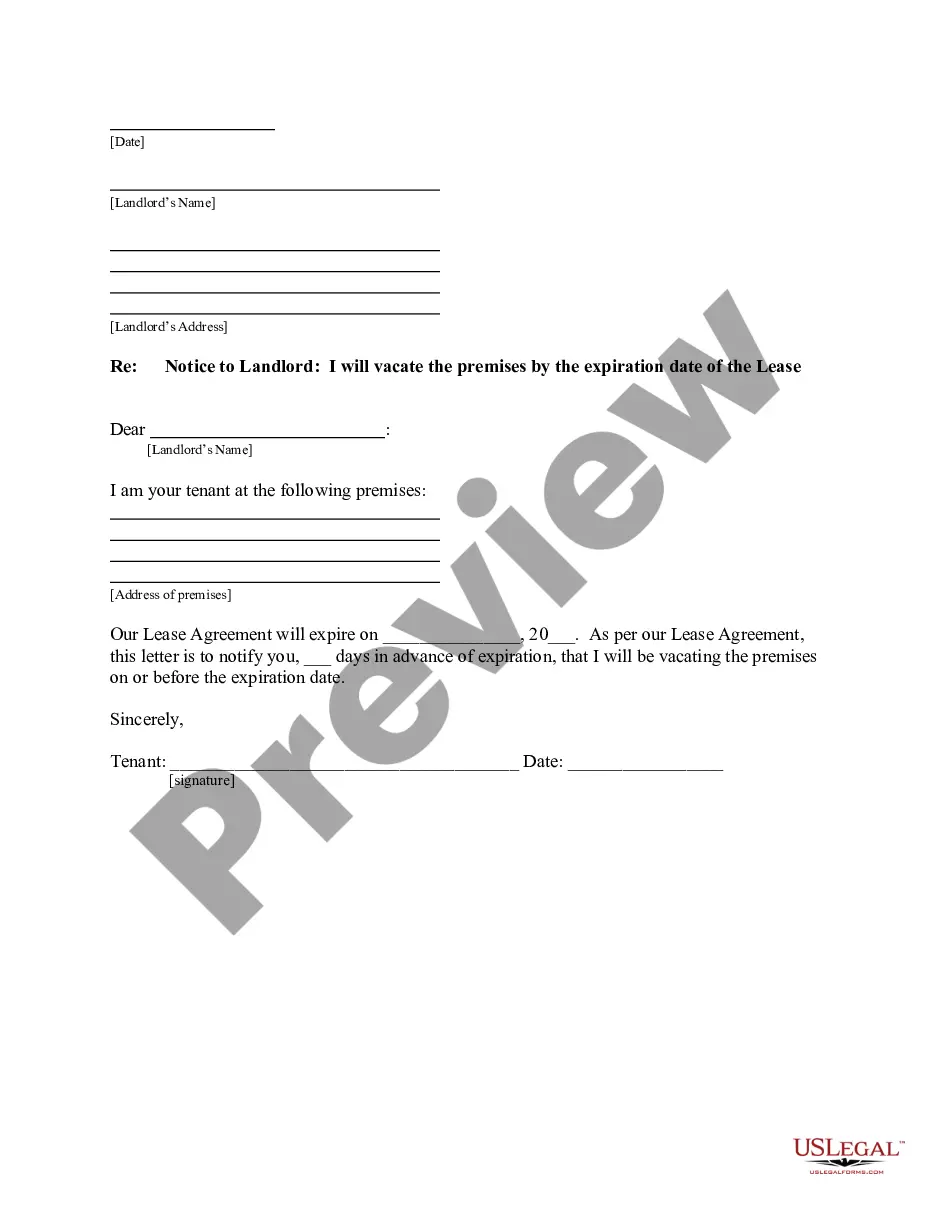
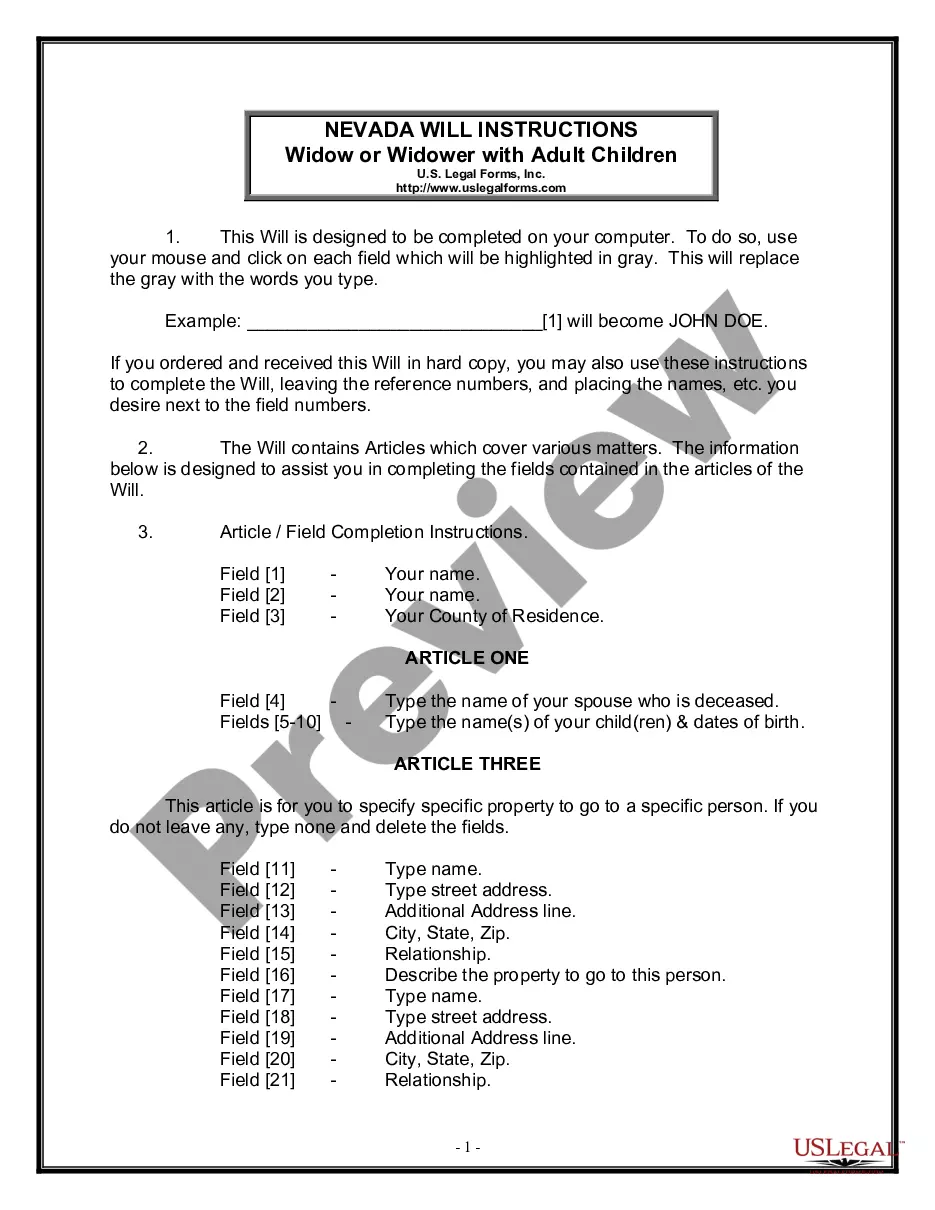
Arbitration Case File With Court In Nevada
Description

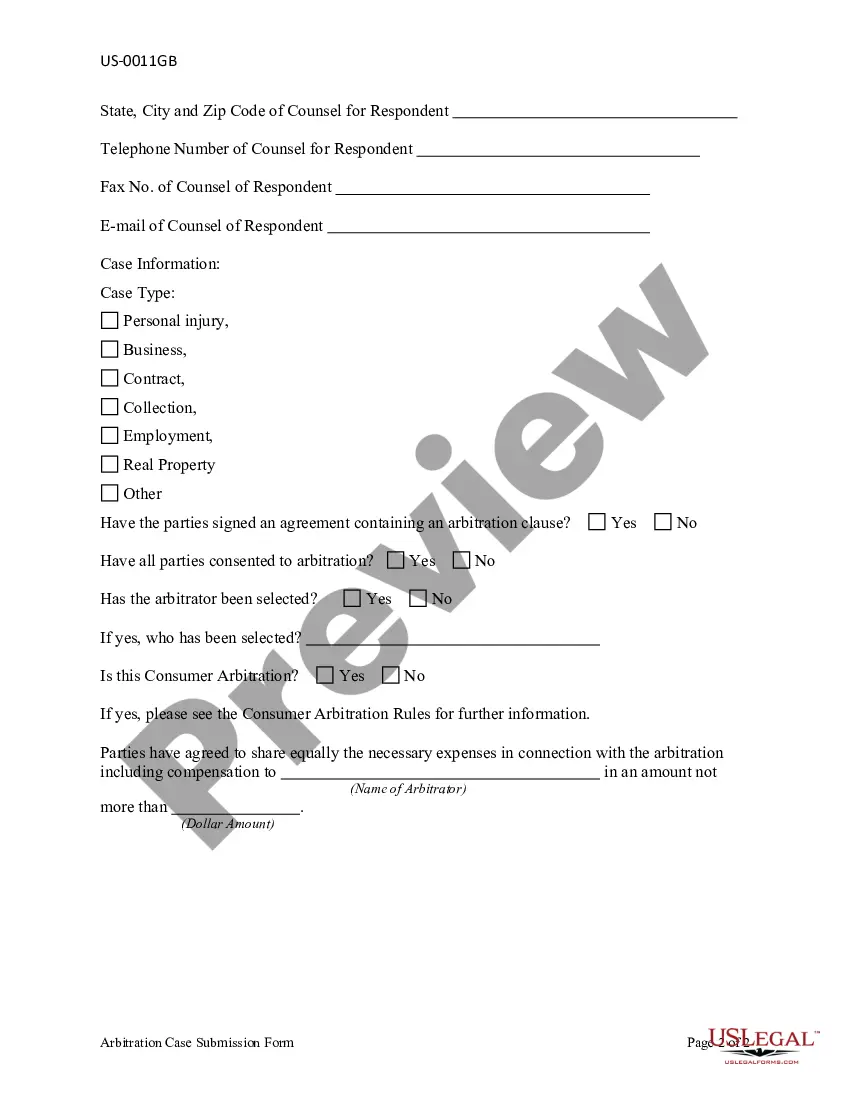

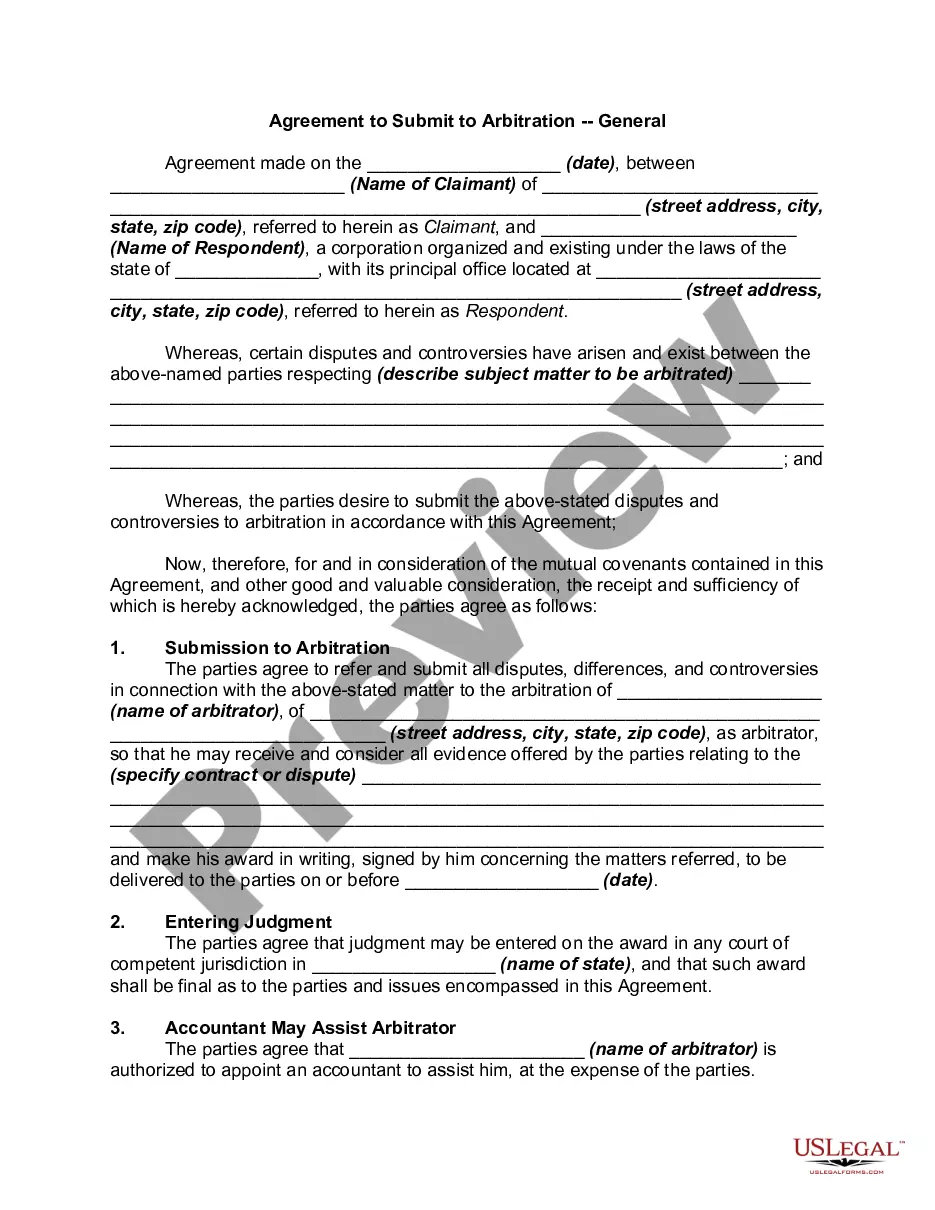

Get your form ready online
Our built-in tools help you complete, sign, share, and store your documents in one place.
Make edits, fill in missing information, and update formatting in US Legal Forms—just like you would in MS Word.
Download a copy, print it, send it by email, or mail it via USPS—whatever works best for your next step.
Sign and collect signatures with our SignNow integration. Send to multiple recipients, set reminders, and more. Go Premium to unlock E-Sign.
If this form requires notarization, complete it online through a secure video call—no need to meet a notary in person or wait for an appointment.
We protect your documents and personal data by following strict security and privacy standards.

Make edits, fill in missing information, and update formatting in US Legal Forms—just like you would in MS Word.

Download a copy, print it, send it by email, or mail it via USPS—whatever works best for your next step.

Sign and collect signatures with our SignNow integration. Send to multiple recipients, set reminders, and more. Go Premium to unlock E-Sign.

If this form requires notarization, complete it online through a secure video call—no need to meet a notary in person or wait for an appointment.

We protect your documents and personal data by following strict security and privacy standards.
Looking for another form?





Form popularity
FAQ
This law provides that arbitration agreements are generally valid and enforceable. The major exception to this provision is that the arbitration agreement is not enforceable if it violates the general law of contracts – which applies to all contracts under the law of the state that governs the agreement.
In simple terms, arbitration is the out-of-court resolution of a disagreement between two commercial parties decided by an impartial third party, the arbitrator.
Arbitration is performed out of court and the dispute is resolved by an impartial third party known as an arbitrator.
A legislatively mandated or court administered scheme for the resolution of pending court cases (usually valued at under $50,000), utilizing informal rules of evidence and procedure in a non-binding, advisory arbitration process that is ordered by the court at an early stage of a lawsuit.
However, because arbitration is an adversarial process, it is commonly viewed as being like litigation in the courts. The purpose of this article is to discuss five key areas in which arbitration is quite different from litigation. There are no pleading requirements in arbitration.
Unlike court cases, where decisions can be appealed to higher courts, arbitration awards are typically final and binding. This means that if the arbitrator makes a legal error or misinterprets the evidence, it can be challenging to have the decision overturned.
A claimant will typically start arbitration by sending a document known as a “request for arbitration” or a “notice to arbitrate” to its opponent.
Always get straight to the merits without berating the other side or whining about how badly it has treated you. Another threat to your credibility is the “kitchen sink” arbitration demand or a response that includes numerous claims or defenses that have little chance of succeeding.
Witnesses are usually asked to swear or affirm to the truthfulness of their testimony. After a witness has given direct testimony, the other side has the opportunity to cross examine the witness. After all those witnesses have testified, then the union puts on their case. You are expected to be a witness.
Parties will need to provide material evidence during the arbitration process. Some arbitrators may require that some types of evidence (such as invoices, pictures, and party correspondence) be presented in a specific format, such as in a binder and labeled in a certain order.