Arbitration Case File Withdraw In Maryland
Description

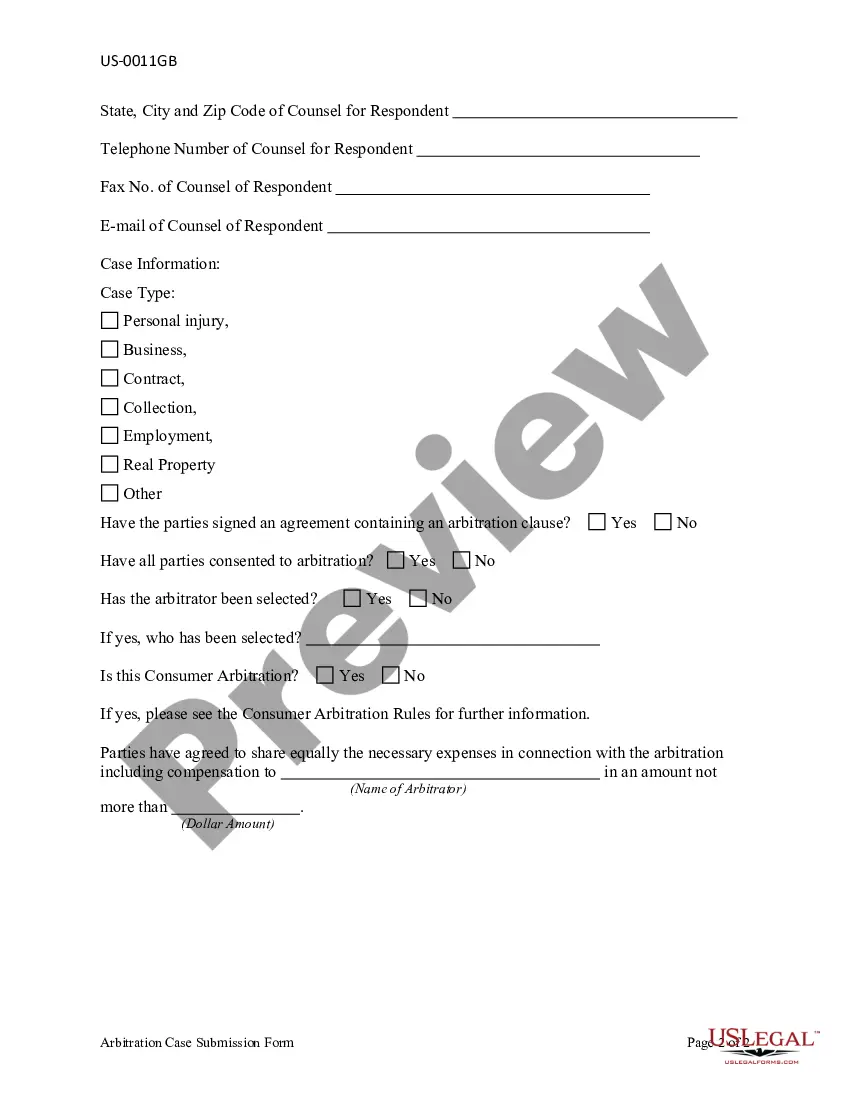

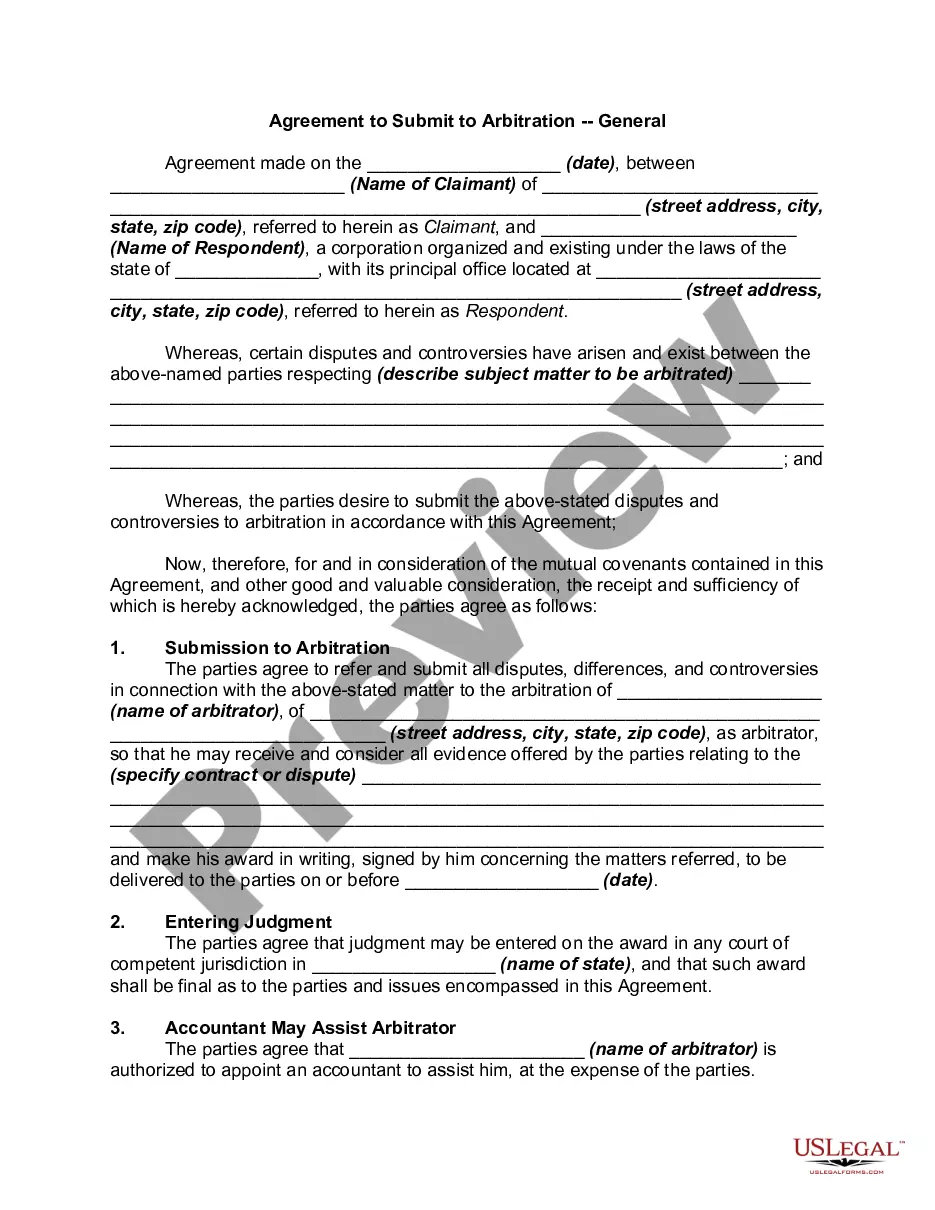

Get your form ready online
Our built-in tools help you complete, sign, share, and store your documents in one place.
Make edits, fill in missing information, and update formatting in US Legal Forms—just like you would in MS Word.
Download a copy, print it, send it by email, or mail it via USPS—whatever works best for your next step.
Sign and collect signatures with our SignNow integration. Send to multiple recipients, set reminders, and more. Go Premium to unlock E-Sign.
If this form requires notarization, complete it online through a secure video call—no need to meet a notary in person or wait for an appointment.
We protect your documents and personal data by following strict security and privacy standards.

Make edits, fill in missing information, and update formatting in US Legal Forms—just like you would in MS Word.

Download a copy, print it, send it by email, or mail it via USPS—whatever works best for your next step.

Sign and collect signatures with our SignNow integration. Send to multiple recipients, set reminders, and more. Go Premium to unlock E-Sign.

If this form requires notarization, complete it online through a secure video call—no need to meet a notary in person or wait for an appointment.

We protect your documents and personal data by following strict security and privacy standards.
Looking for another form?







Form popularity
FAQ
In District Court, after the court enters a judgment on affidavit, the defendant has 30 days to file a Motion to Vacate a Judgment. The 30 days starts when the judgment is entered, not when the defendant gets notice of the judgment. In the motion, you must explain why the judgment should be changed.
A creditor who obtains a judgment against you is the "judgment creditor." You are the "judgment debtor" in the case. A judgment lasts for 12 years and the plaintiff can renew the judgment for another 12 years.
A motion to vacate (and set aside) judgment essentially asks the court to erase or correct its prior decision (judgment). Under California law, when you vacate judgment, it will be officially wiped off your record.
The following defenses may be made by motion to dismiss filed before the answer, if an answer is required: (1) lack of jurisdiction over the subject matter, (2) failure to state a claim upon which relief can be granted, (3) failure to join a party under Rule 2-211, (4) discharge in bankruptcy, and (5) governmental ...
In District Court, after the court enters a judgment on affidavit, the defendant has 30 days to file a Motion to Vacate a Judgment. The 30 days starts when the judgment is entered, not when the defendant gets notice of the judgment. In the motion, you must explain why the judgment should be changed.
There are only three ways in which a judgment can be made to go away: paying the debt, vacating the judgment or discharging the debt through bankruptcy.
Arbitration Clause Is Enforceable Even If It Does Not Comply Please note that even if an arbitration clause does not comply with the MHIC requirements, it nonetheless is enforceable between the parties.
Rule 2-534 - Motion to Alter or Amend a Judgment-Court Decision, Md.
Some contracts give you the right to opt out of the forced arbitration clause within a certain period of time, often 30 to 60 days, after signing the agreement by notifying the company that you wish to opt out. Check your contract for the deadline and for specific instructions for opting out.
Individuals In the case of an individual, appearance of counsel may be withdrawn only with leave of Court and if (1) appearance of other counsel has been entered, or (2) withdrawing counsel files a certificate stating (a) the name and last known address of the client, and (b) that a written notice has been mailed to or ...