Arbitration Case In Court In Kings
Description

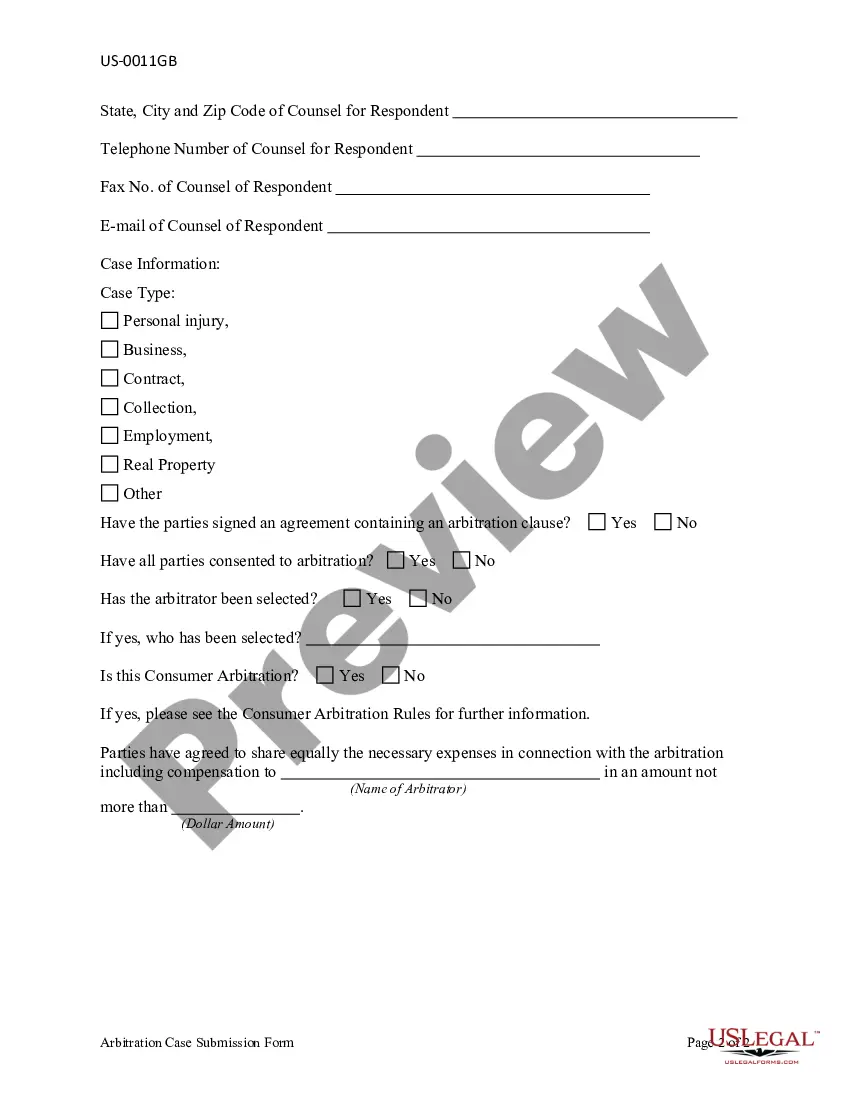

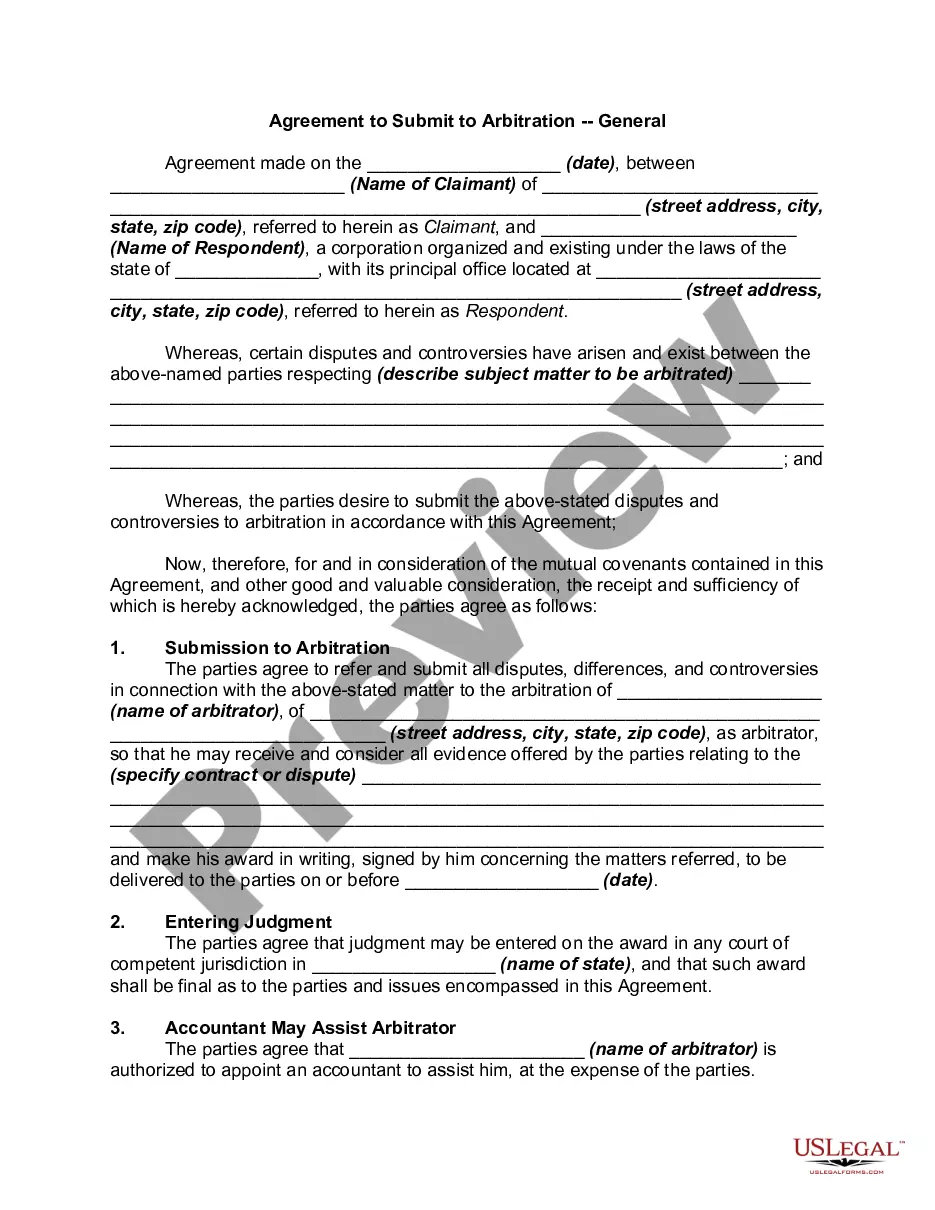

Get your form ready online
Our built-in tools help you complete, sign, share, and store your documents in one place.
Make edits, fill in missing information, and update formatting in US Legal Forms—just like you would in MS Word.
Download a copy, print it, send it by email, or mail it via USPS—whatever works best for your next step.
Sign and collect signatures with our SignNow integration. Send to multiple recipients, set reminders, and more. Go Premium to unlock E-Sign.
If this form requires notarization, complete it online through a secure video call—no need to meet a notary in person or wait for an appointment.
We protect your documents and personal data by following strict security and privacy standards.

Make edits, fill in missing information, and update formatting in US Legal Forms—just like you would in MS Word.

Download a copy, print it, send it by email, or mail it via USPS—whatever works best for your next step.

Sign and collect signatures with our SignNow integration. Send to multiple recipients, set reminders, and more. Go Premium to unlock E-Sign.

If this form requires notarization, complete it online through a secure video call—no need to meet a notary in person or wait for an appointment.

We protect your documents and personal data by following strict security and privacy standards.
Looking for another form?








Form popularity
FAQ
Arbitration and mediation are both non-judicial forms of dispute resolution. While in most instances attorneys will be present, the outcomes are not decided by a court of law, but by the arbitration panel; or with the assistance of a mediator.
A primary objective of court-ordered arbitration programs is to reduce time to disposition. A number of factors influence a pro- gram's ability to achieve this goal, including the court's scheduling rules and procedures and the effect of arbitration on settlement behavior.
USA the award is a result of corruption or fraud; there was evident partiality or corruption by an arbitrator; there was arbitrator misconduct; or. the arbitrators exceeded their powers or so imperfectly executed them that a mutual, final and definite award was not made.
The arbitrator reads briefs and documentary evidence, hears testimony, examines evidence and renders an opinion on liability and damages in the form of an "award of the arbitrator" after the hearing. Once confirmed by a court of appropriate jurisdiction, the award can be subsequently entered as a judgment.
There are typically seven stages of the arbitration process: Claimant Files a Claim. Respondent Submits Answer. Parties Select Arbitrators. Parties Attend Initial Prehearing Conference. Parties Exchange Discovery. Parties Attend Hearings. Arbitrators Deliberate and Render Award.
Arbitration is less formal than going to court, and you may represent yourself. However, you should keep in mind that arbitration is a legal proceeding that results in an award that is generally final and binding. Because your legal rights are involved, you may choose to consult with and be represented by an attorney.
If your case involves factors like privacy concerns, the need for a quicker resolution, or the desire to avoid a public jury trial, arbitration might be an ideal solution. However, if you're worried about the finality of the arbitrator's decision or the potential for bias, you might prefer the traditional court route.
These cases range from breach of contract or licensing agreements, business torts, and franchise to construction and infrastructure disputes in companies from start-ups to the Fortune 500 in a variety of industries.
These cases range from breach of contract or licensing agreements, business torts, and franchise to construction and infrastructure disputes in companies from start-ups to the Fortune 500 in a variety of industries.
Arguments should flow easily from the relevant facts and applicable law. Avoid exaggerating the strengths of your case as well as disparaging the opposing side. Remember that professionalism and credibility are critical to persuasiveness.