Federal Arbitration Act Time To Appeal In Fulton
Description


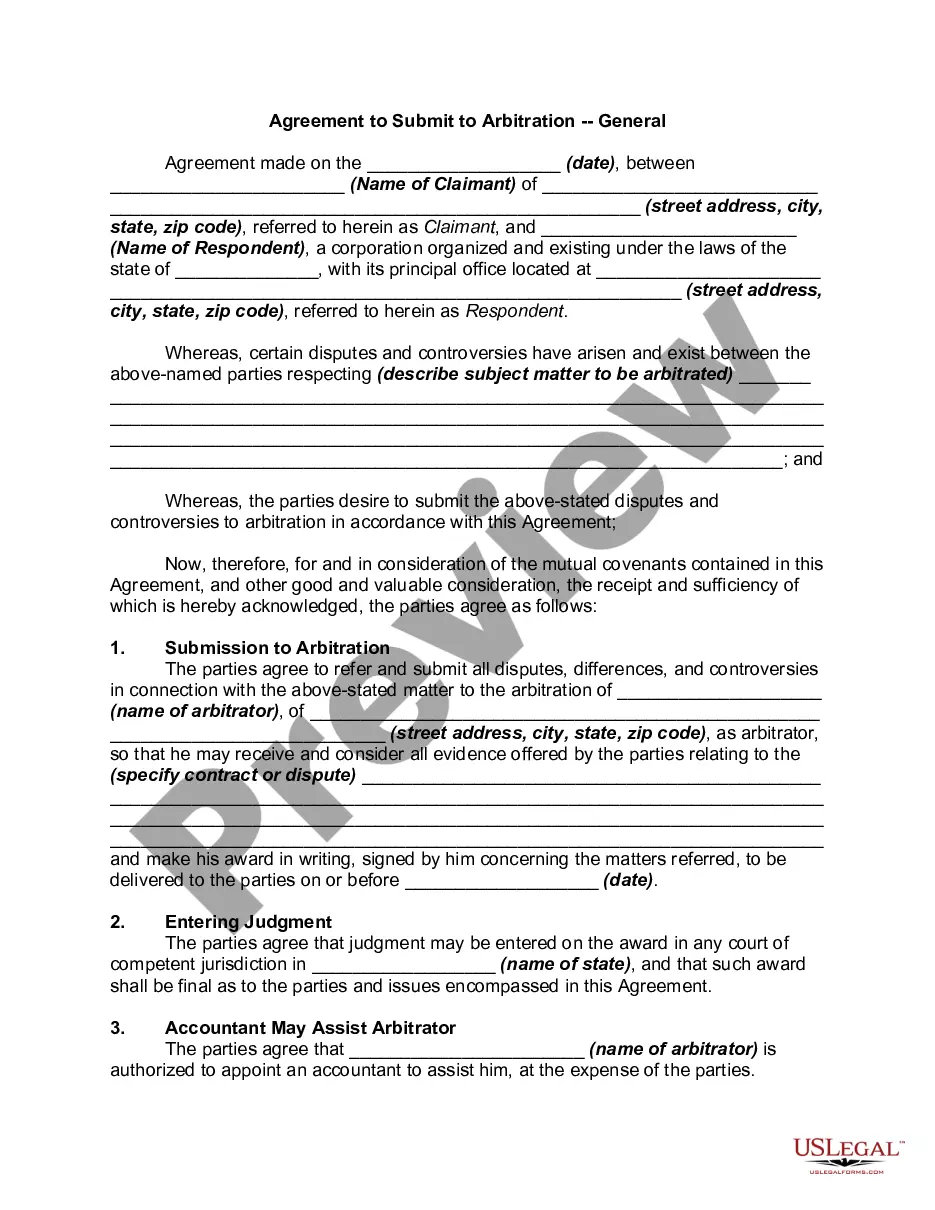

Get your form ready online
Our built-in tools help you complete, sign, share, and store your documents in one place.
Make edits, fill in missing information, and update formatting in US Legal Forms—just like you would in MS Word.
Download a copy, print it, send it by email, or mail it via USPS—whatever works best for your next step.
Sign and collect signatures with our SignNow integration. Send to multiple recipients, set reminders, and more. Go Premium to unlock E-Sign.
If this form requires notarization, complete it online through a secure video call—no need to meet a notary in person or wait for an appointment.
We protect your documents and personal data by following strict security and privacy standards.

Make edits, fill in missing information, and update formatting in US Legal Forms—just like you would in MS Word.

Download a copy, print it, send it by email, or mail it via USPS—whatever works best for your next step.

Sign and collect signatures with our SignNow integration. Send to multiple recipients, set reminders, and more. Go Premium to unlock E-Sign.

If this form requires notarization, complete it online through a secure video call—no need to meet a notary in person or wait for an appointment.

We protect your documents and personal data by following strict security and privacy standards.
Looking for another form?







Form popularity
FAQ
The answer is yes, through a process called vacatur, i.e., having the award vacated or canceled. The vacatur process is set forth in two statutes: the Federal Arbitration Act and the applicable state arbitration act governing the dispute. Depending on the case, one or both statutes may be applicable.
Under the Federal Arbitration Act, which governs most arbitrations, a party may petition a court to modify or vacate an arbitration award, but the grounds are extremely narrow — basically that the arbitrator was corrupt, evidently partial, engaged in misconduct regarding evidence or scheduling, or exceeded his or her ...
If you decide to challenge an arbitration decision in federal court, the Federal Arbitration Act (FAA) requires you to act quickly. Under the FAA, you must file a motion to vacate within three months of the date the arbitrator filed or delivered the decision.
Procedure for Appeal To initiate an appeal, the party must file an appeal notice in the court within 28 days of the award being made. The appeal notice must include the grounds for appeal and the relief sought. The party must also serve a copy of the appeal notice on the other party.
In most cases, you have 30 days to file an appeal after a federal court has issued its final decision. The Federal Circuit appeal timeline applies to the majority of civil and criminal cases. However, if the United States government is a party in the case, the Federal Court appeal timeline extends to 60 days.
FRAP 4: For civil cases, notice must be filed in district court within 30 days after entry of judgment (60 days if federal government a party), or within 14 days after filing of a timely notice of appeal by any other party.
Once an arbitrator issues an award, either an agency or a union may appeal the arbitrator's award by filing an "exception" with the Authority within 30 days after the date on which the Arbitrator served the award on the parties.
What are my chances of winning on appeal? Most appeals are not successful. For example, the California courts of appeal will reverse the judgment in civil appeals only about 20 percent of the time. An appellant in a civil case therefore has a one-in-five chance of winning, in general.
The appeal must be commenced within thirty (30) days of the date on which the original award is submitted to the parties and only on the grounds that the original award is based upon “(1) an error of law that is material and prejudicial; or (2) determinations of fact that are clearly erroneous.”11 AAA will then arrange ...