Publication 783 With Irs In Massachusetts
Description

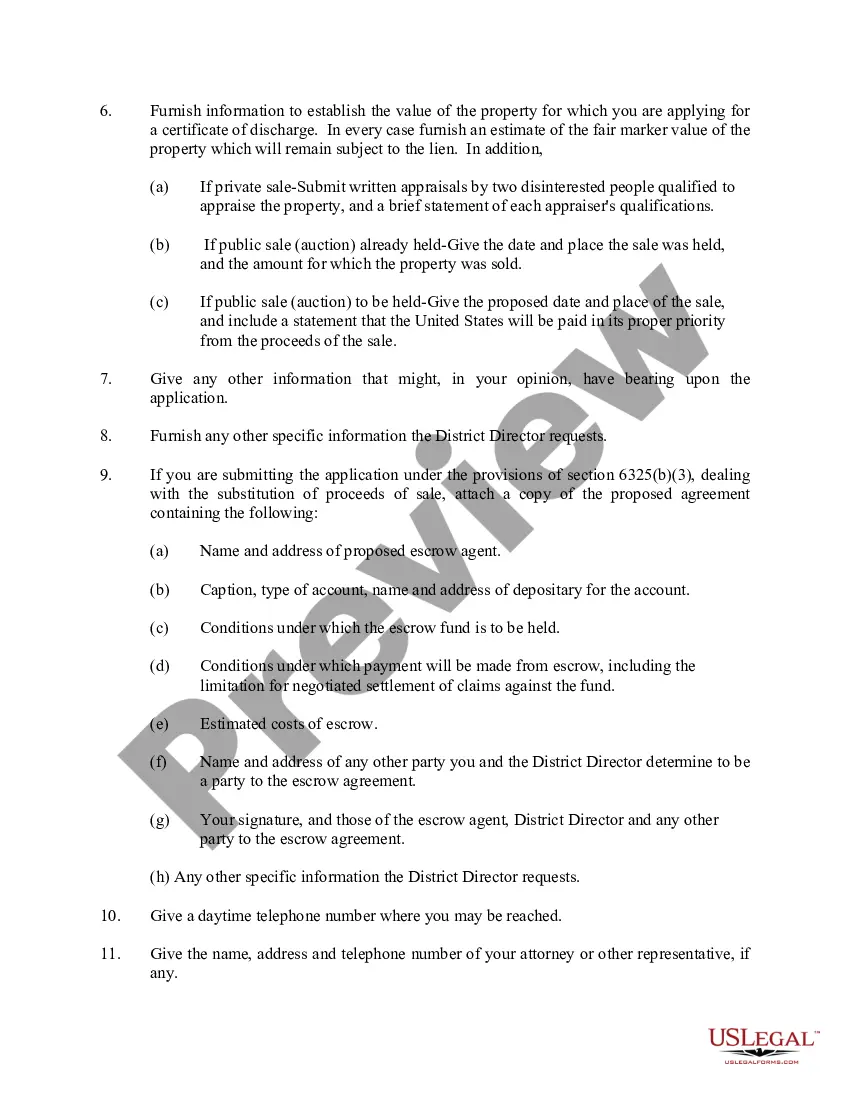
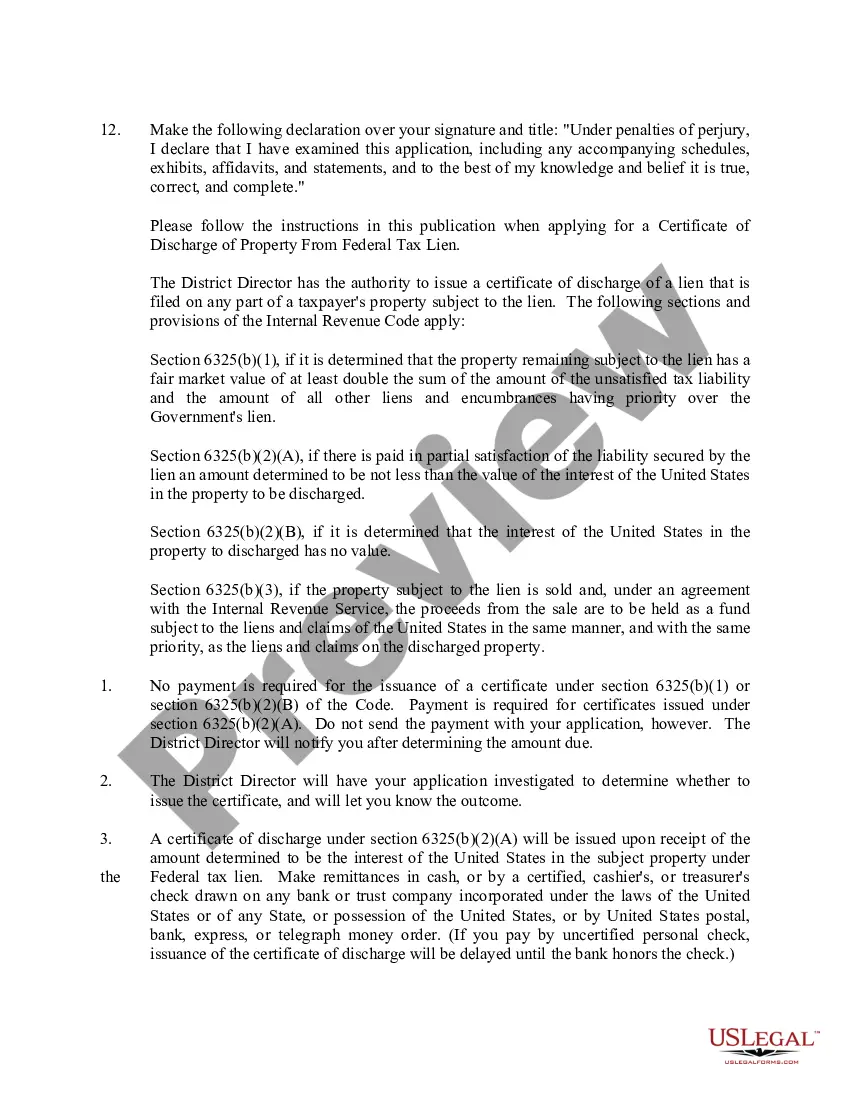
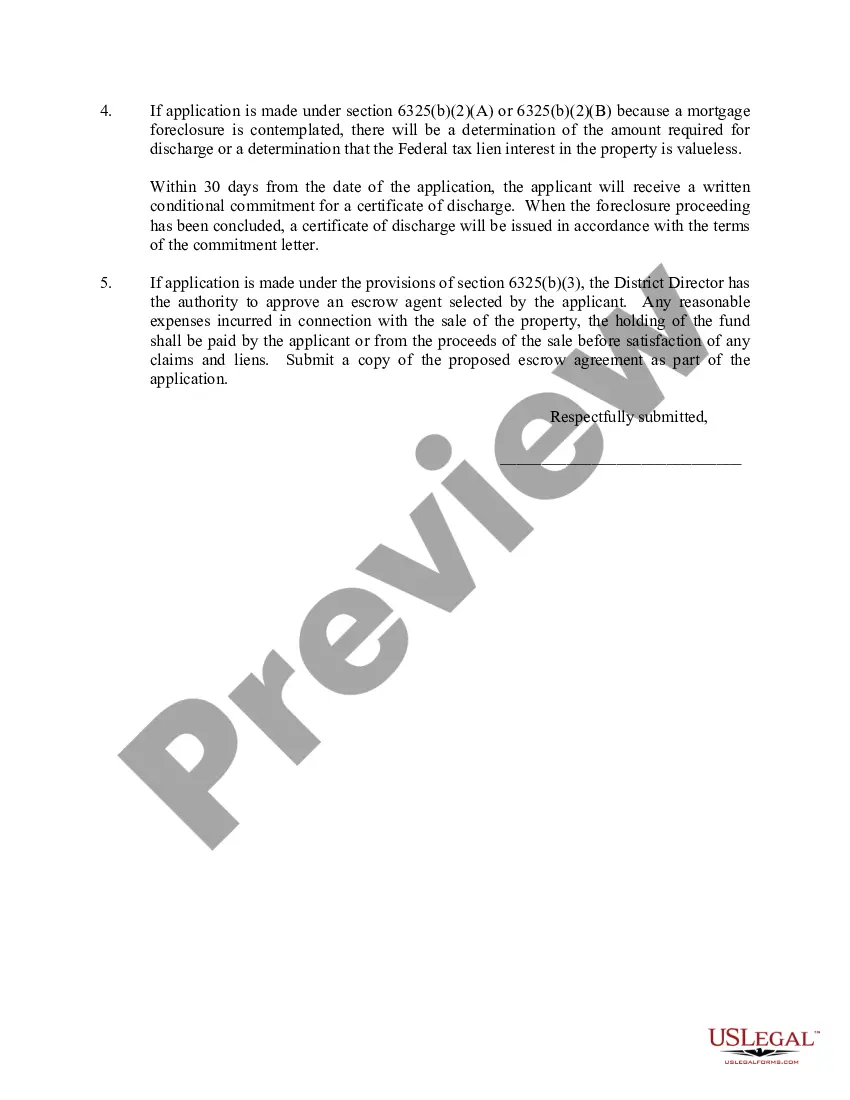
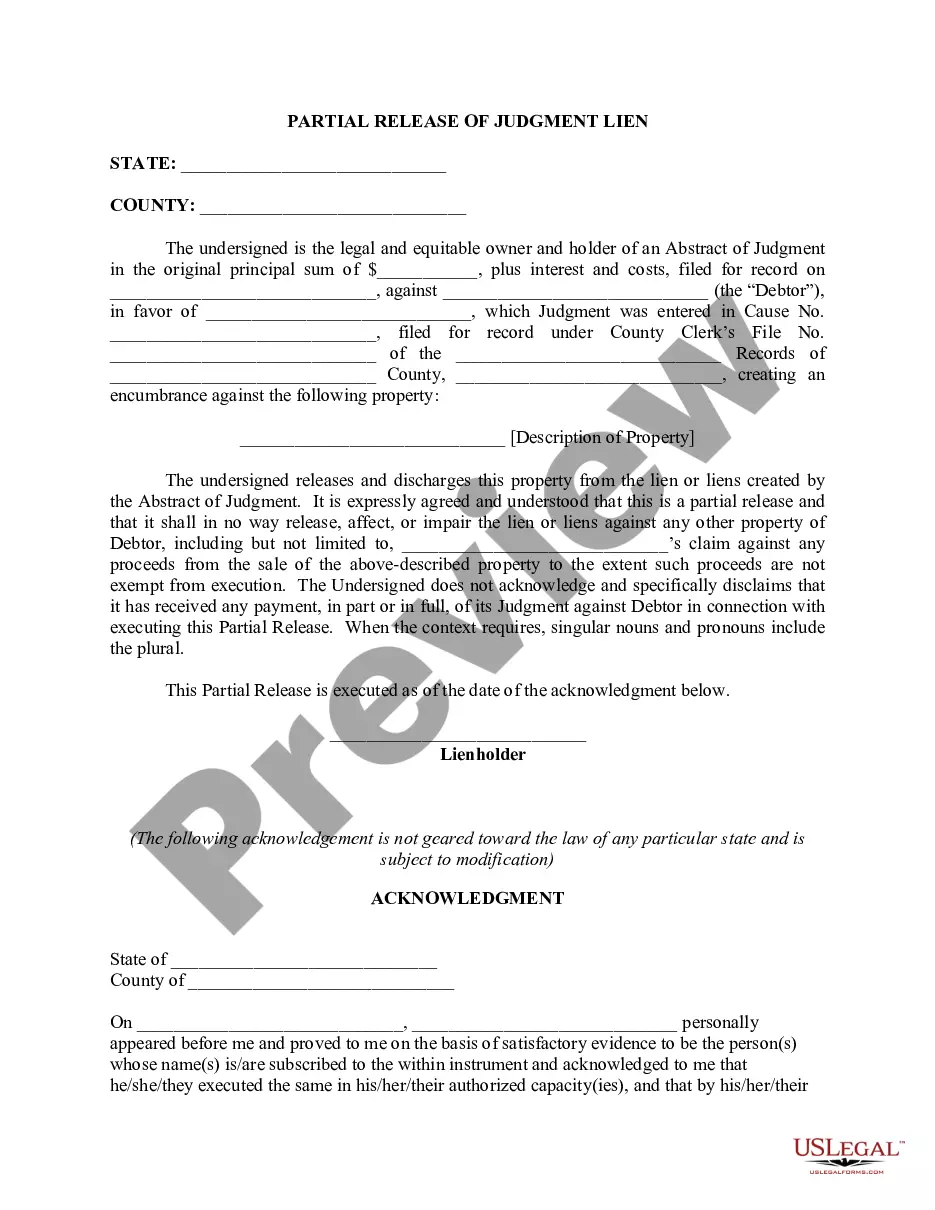
Get your form ready online
Our built-in tools help you complete, sign, share, and store your documents in one place.
Make edits, fill in missing information, and update formatting in US Legal Forms—just like you would in MS Word.
Download a copy, print it, send it by email, or mail it via USPS—whatever works best for your next step.
Sign and collect signatures with our SignNow integration. Send to multiple recipients, set reminders, and more. Go Premium to unlock E-Sign.
If this form requires notarization, complete it online through a secure video call—no need to meet a notary in person or wait for an appointment.
We protect your documents and personal data by following strict security and privacy standards.

Make edits, fill in missing information, and update formatting in US Legal Forms—just like you would in MS Word.

Download a copy, print it, send it by email, or mail it via USPS—whatever works best for your next step.

Sign and collect signatures with our SignNow integration. Send to multiple recipients, set reminders, and more. Go Premium to unlock E-Sign.

If this form requires notarization, complete it online through a secure video call—no need to meet a notary in person or wait for an appointment.

We protect your documents and personal data by following strict security and privacy standards.
Looking for another form?








Form popularity
FAQ
If there is a federal tax lien on your home, you must satisfy the lien before you can sell or refinance your home. There are a number of options to satisfy the tax lien.
A federal tax lien is valid for 10 years and 30 days from the date of assessment, unless prior to expiration of this period of limitations, the lien is properly refilled within the time allowed by law.
IRS business rules say that a tax lien won't be filed if you owe less than $10,000. But the IRS reserves the right to file a lien to protect its interests.
The Complainant and the Respondent should keep any potential evidence regarding the circumstances of the allegations, including all pertinent emails, letters, notes, text messages, voicemails, phone logs, personnel files, contracts, work products, and meeting minutes.
Whistleblowing means disclosing information that you reasonably believe is evidence of a violation of any law, rule, or regulation; gross mismanagement; a gross waste of funds; an abuse of authority; or a substantial and specific danger to public health or safety.
Centralized Lien Operation — To resolve basic and routine lien issues: verify a lien, request lien payoff amount, or release a lien, call 800-913-6050 or e-fax 855-390-3530.
Tax Whistleblower claims are complicated matters and take years (five to seven years on average) for the IRS to complete. The length of time for a whistleblower's claim to be completed varies based upon the quality of the claim submission, the taxpayer, tax issue, complexity of the issue, criminal ramifications, etc.
You'll only be notified of a tax lien after it's already been filed. The IRS sends taxpayers an official Notice of Federal Tax Lien. These liens go into effect 10 days after the IRS issues a record of an existing obligation.
Submit a whistleblower claim Individuals must use IRS Form 211, Application for Award for Original Information PDF, and ensure that it contains the following: A description of the alleged tax noncompliance, including a written narrative explaining the issue(s).
Need to find a product or place a telephone order? Visit the Forms, instructions & publications page to download products or call 800-829-3676 to place your order.