Publication 783 With Scope In King
Description

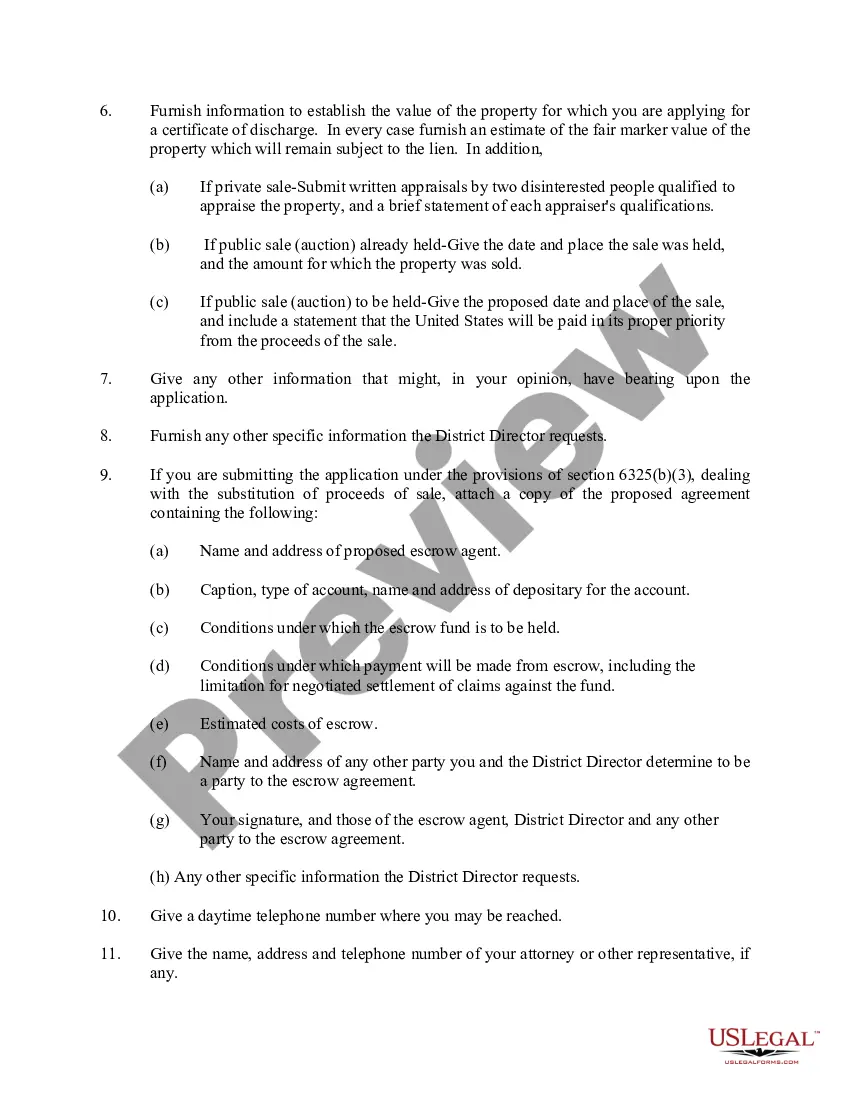
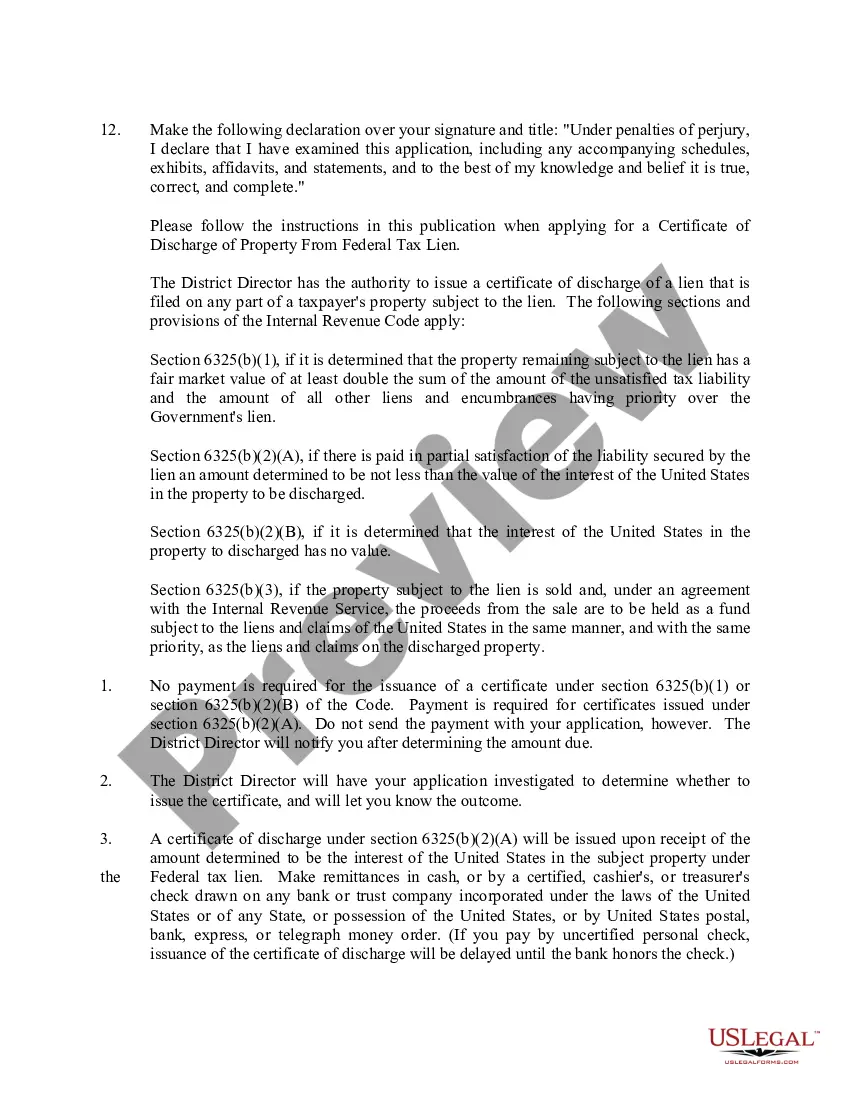
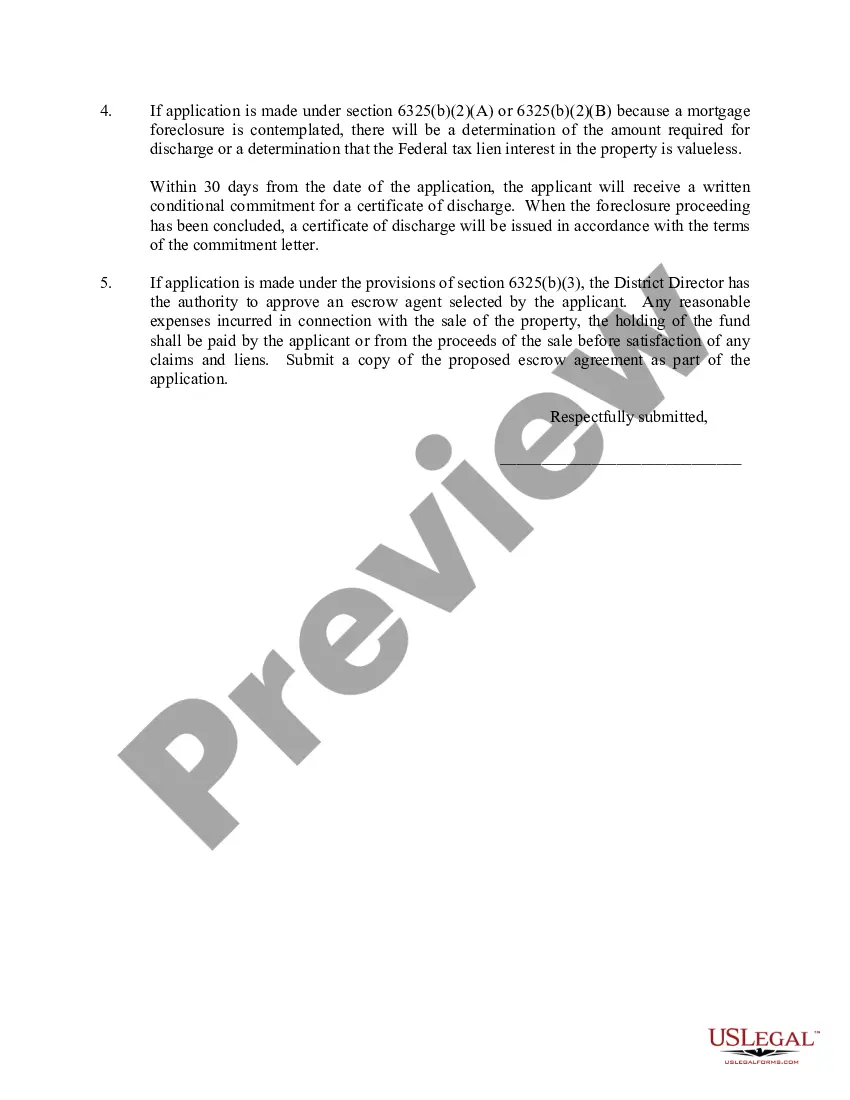
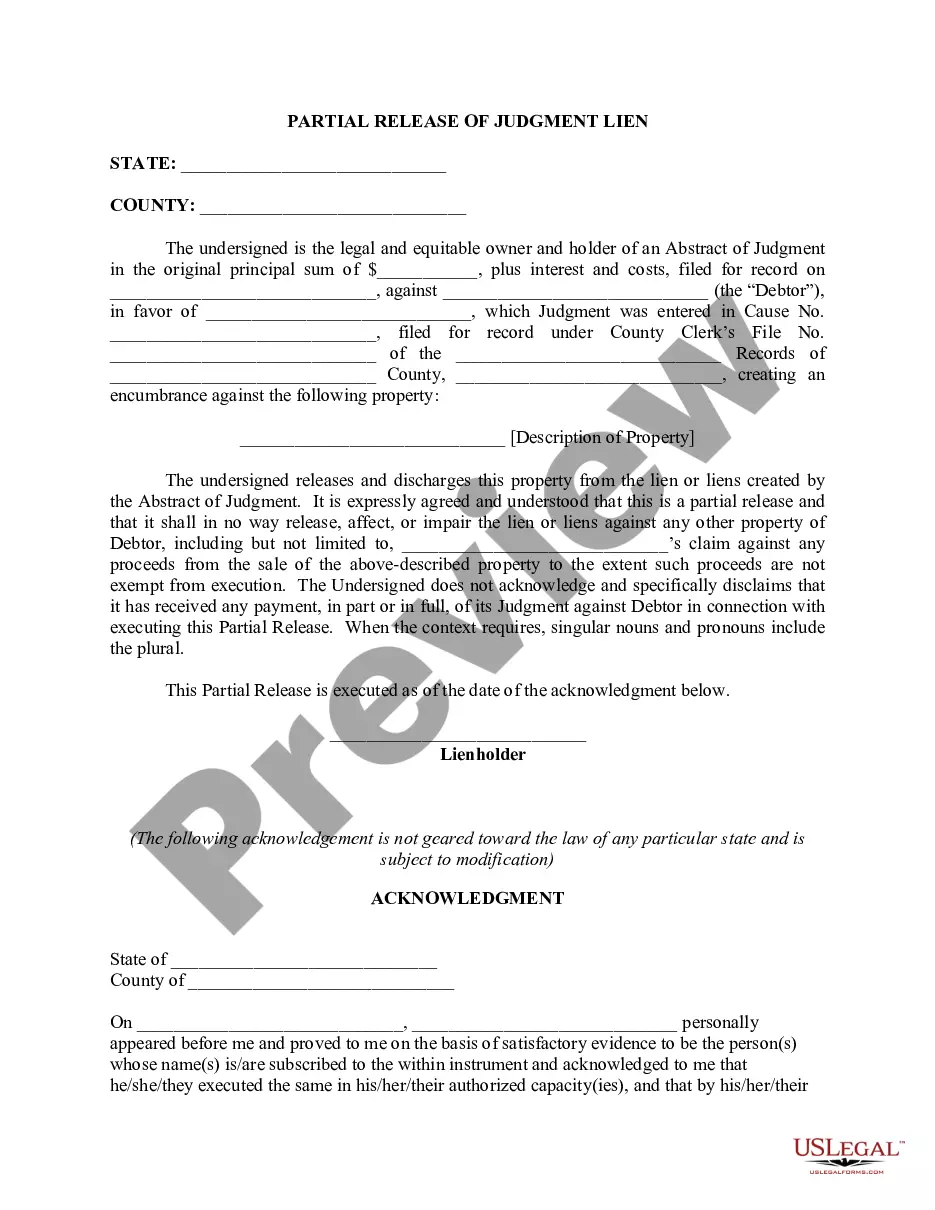
Get your form ready online
Our built-in tools help you complete, sign, share, and store your documents in one place.
Make edits, fill in missing information, and update formatting in US Legal Forms—just like you would in MS Word.
Download a copy, print it, send it by email, or mail it via USPS—whatever works best for your next step.
Sign and collect signatures with our SignNow integration. Send to multiple recipients, set reminders, and more. Go Premium to unlock E-Sign.
If this form requires notarization, complete it online through a secure video call—no need to meet a notary in person or wait for an appointment.
We protect your documents and personal data by following strict security and privacy standards.

Make edits, fill in missing information, and update formatting in US Legal Forms—just like you would in MS Word.

Download a copy, print it, send it by email, or mail it via USPS—whatever works best for your next step.

Sign and collect signatures with our SignNow integration. Send to multiple recipients, set reminders, and more. Go Premium to unlock E-Sign.

If this form requires notarization, complete it online through a secure video call—no need to meet a notary in person or wait for an appointment.

We protect your documents and personal data by following strict security and privacy standards.
Looking for another form?








Form popularity
FAQ
How Can a Taxpayer Request a Discharge of an IRS Tax Lien? You need to submit form 14135, Application for Certificate of Discharge of Property from Federal Tax Lien at least 45 days before the sale or settlement meeting. Publication 783 provides the instructions for completing form 14135.
For a copy of the recorded certificate, you must contact the recording office where the Certificate of Release of Federal Tax Lien was filed. If the federal tax lien has not been released within 30 days of satisfying your tax liability, you can request a Certificate of Release of Federal Tax Lien.
A federal tax lien is valid for 10 years and 30 days from the date of assessment, unless prior to expiration of this period of limitations, the lien is properly refilled within the time allowed by law.
If there is a federal tax lien on your home, you must satisfy the lien before you can sell or refinance your home. There are a number of options to satisfy the tax lien.
There are three types of personal jurisdiction: jurisdiction over the person; in rem jurisdiction and quasi in rem jurisdiction.
To be subject to jurisdiction in a state consistent with due process, a defendant must have “certain minimum contacts with it such that maintenance of the suit does not offend traditional notions of fair play and substantial justice.” The court distinguishes general personal jurisdiction from specific personal ...
As for the “purposeful availment” prong, the Preciado court explained that “a nonresident manufacturer purposefully avails itself of the benefits of California or purposefully directs itself to California residents when it takes actions designed to consummate a business arrangement in which it would profit ...
Definition. Purposeful availment refers to a defendant's deliberate engagement with a forum state, which can establish personal jurisdiction over them.
Purposeful availment is best understood by its negative: no court should find a nonresident defendant subject to personal jurisdiction for a contact with the forum state that the defendant could not reasonably prevent.
During the discovery phase of litigation, a party may request another party to produce certain documents and things, etc. that might be problematical were they produced. That party could move the court for a protective order to prevent production of that information.