Acta Asamblea Extraordinaria Formulario In Michigan
Description

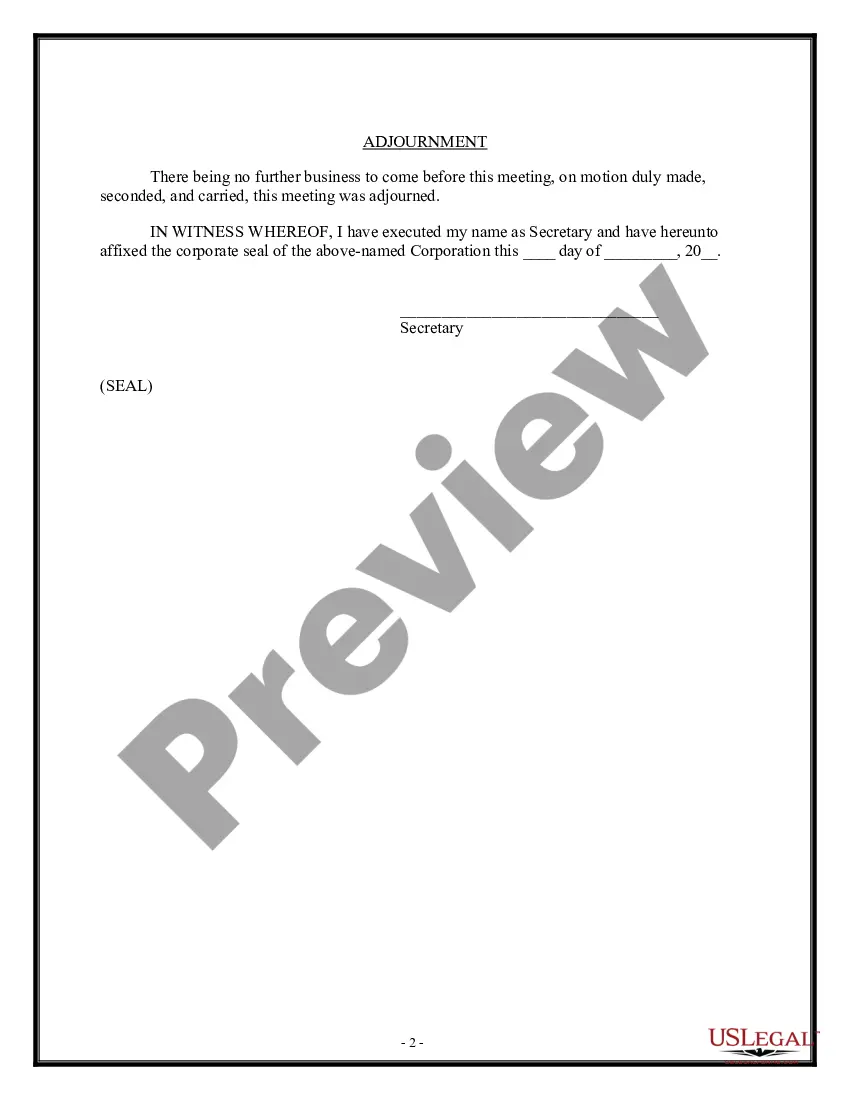
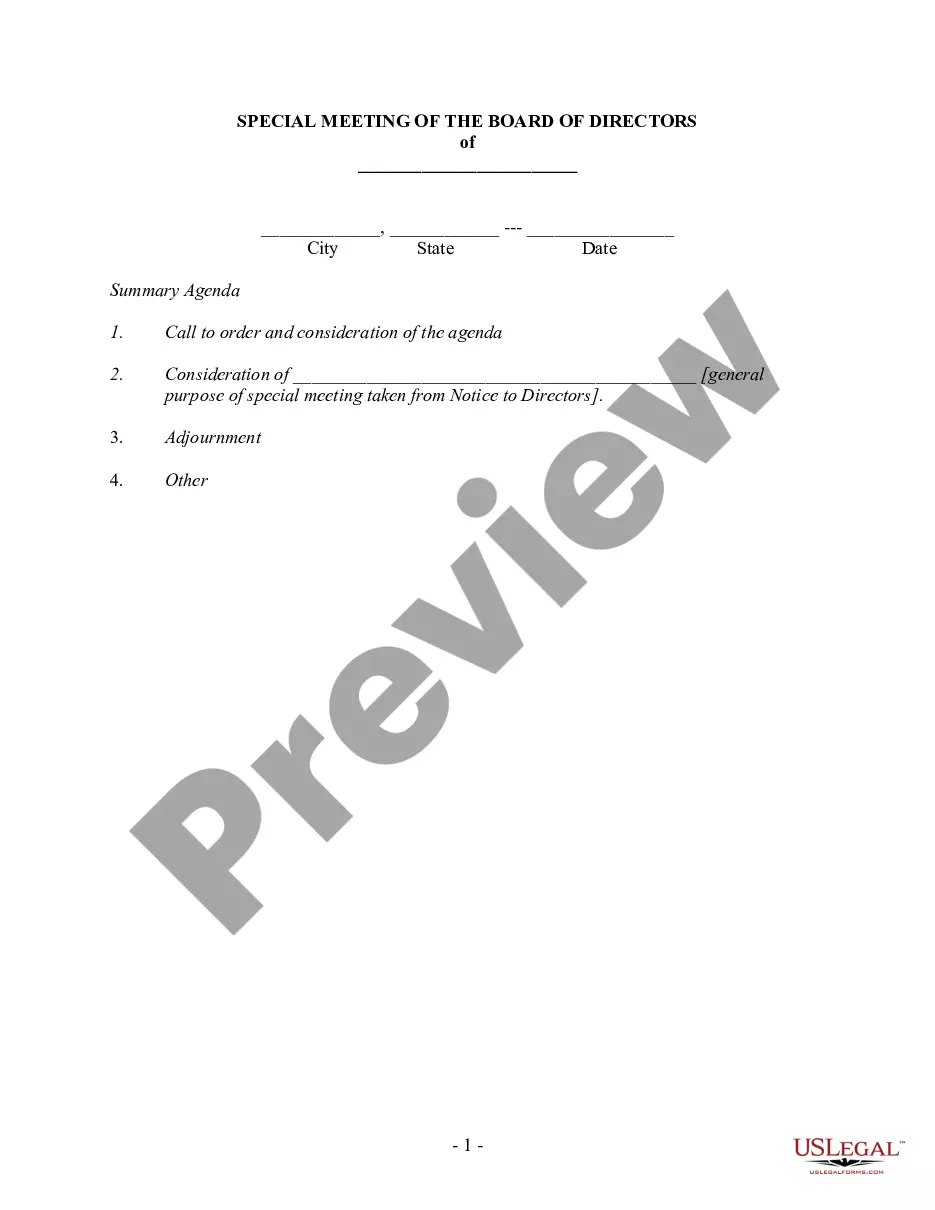

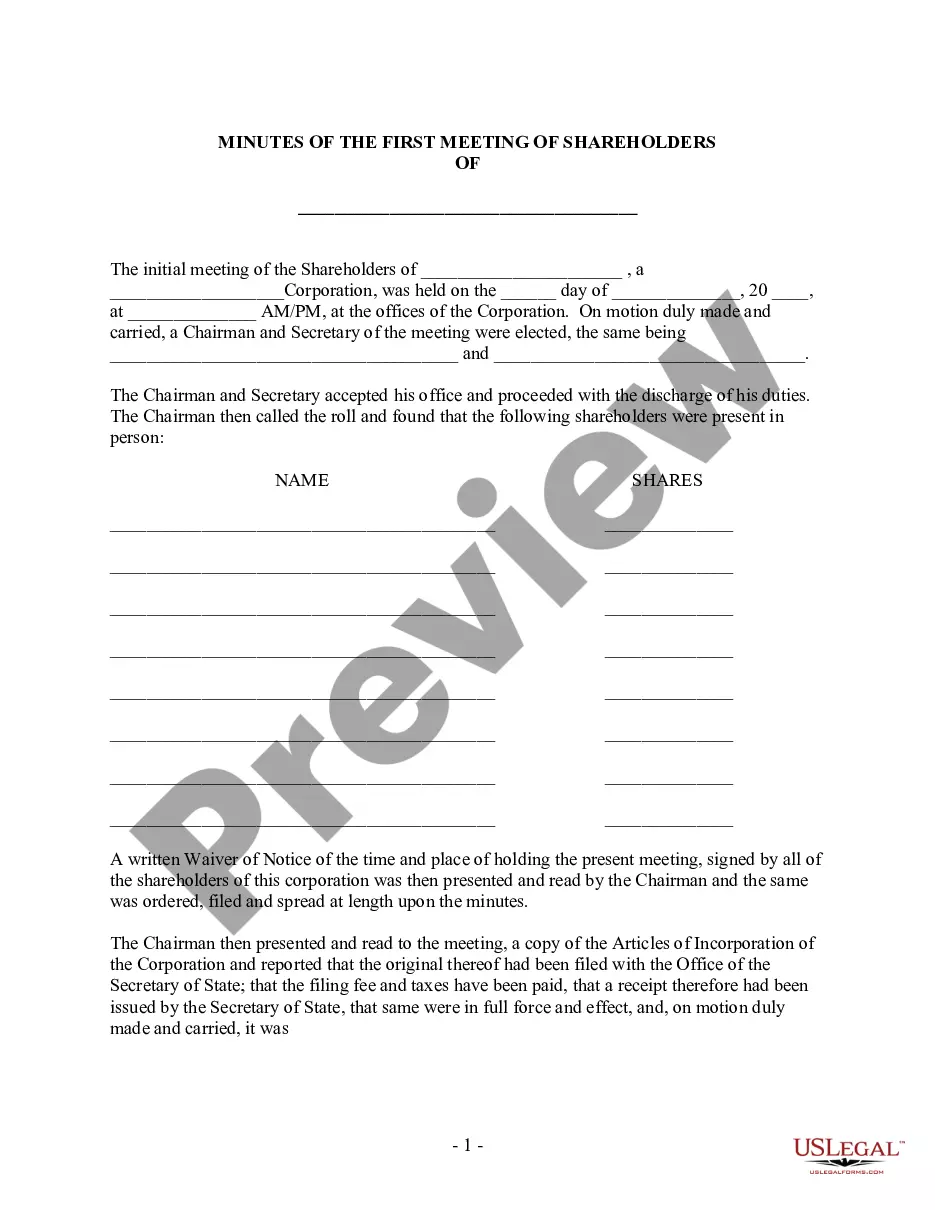
Get your form ready online
Our built-in tools help you complete, sign, share, and store your documents in one place.
Make edits, fill in missing information, and update formatting in US Legal Forms—just like you would in MS Word.
Download a copy, print it, send it by email, or mail it via USPS—whatever works best for your next step.
Sign and collect signatures with our SignNow integration. Send to multiple recipients, set reminders, and more. Go Premium to unlock E-Sign.
If this form requires notarization, complete it online through a secure video call—no need to meet a notary in person or wait for an appointment.
We protect your documents and personal data by following strict security and privacy standards.

Make edits, fill in missing information, and update formatting in US Legal Forms—just like you would in MS Word.

Download a copy, print it, send it by email, or mail it via USPS—whatever works best for your next step.

Sign and collect signatures with our SignNow integration. Send to multiple recipients, set reminders, and more. Go Premium to unlock E-Sign.

If this form requires notarization, complete it online through a secure video call—no need to meet a notary in person or wait for an appointment.

We protect your documents and personal data by following strict security and privacy standards.
Looking for another form?









Form popularity
FAQ
In California, The most common methods include personal service, where a registered process server personally hands over the court papers to the defendant.
Serving Documents in an Existing Case Mailing a copy by regular mail to the address they gave in their court documents. Handing a copy to them in person. Leaving a copy at their home with an adult who also lives there.
A proof of service is, in almost all instances, required to be attached to documents that you are filing with the Court. This document is “proof” to the Court of the “service” you completed for the document you are filing.
File your Motion and the copies with the court clerk's office in the court where your case was heard. File a copy of the proposed order with your Motion. Contact your court to find out which filing methods are available. Depending on your court, you may be able to file electronically.
Process may be served on a resident or nonresident individual by (1) delivering a summons and a copy of the complaint to the defendant personally; or (2) sending a summons and a copy of the complaint by registered or certified mail, return receipt requested, and delivery restricted to the addressee.
A subpoena must: (1) be entitled in the name of the People of the State of Michigan; (2) be imprinted with the seal of the Supreme Court of Michigan; (3) have typed or printed on it the name of the court in which the matter is pending; (4) state the place where the trial or hearing is scheduled; (5) state the title of ...