Acceptance Without Resignation Meaning In Washington
Description
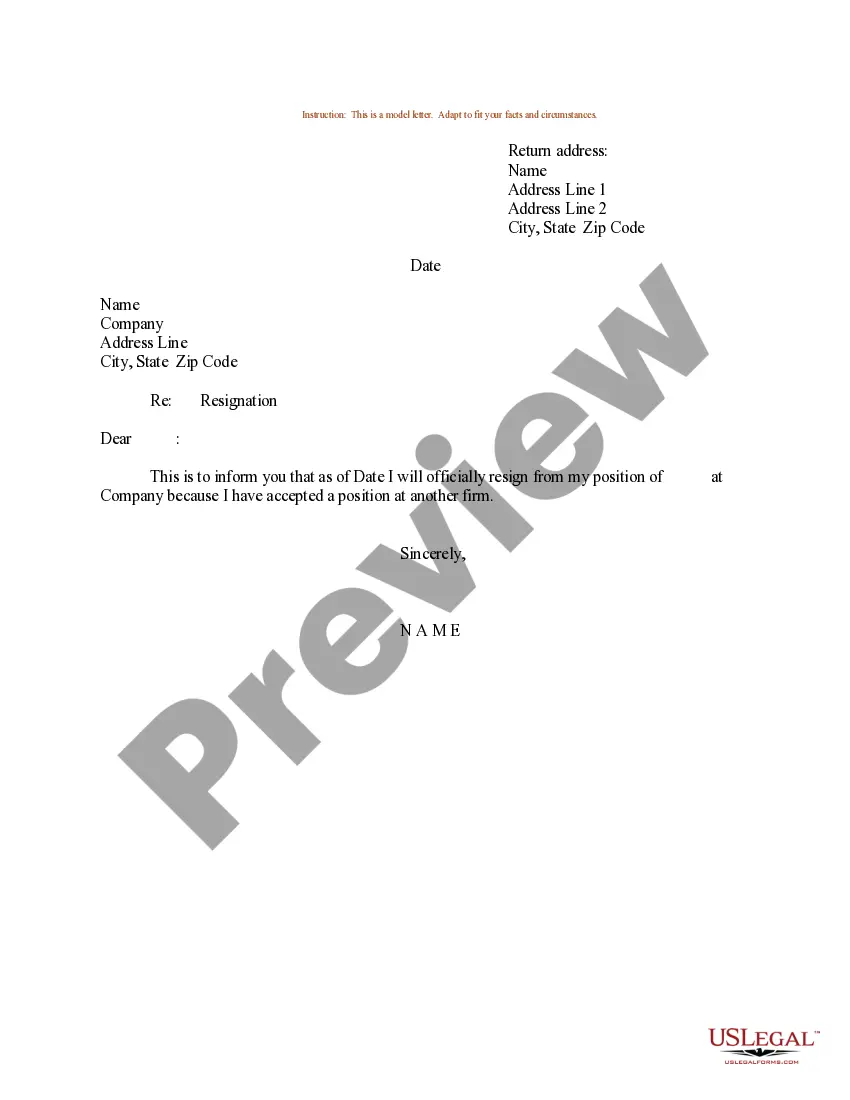
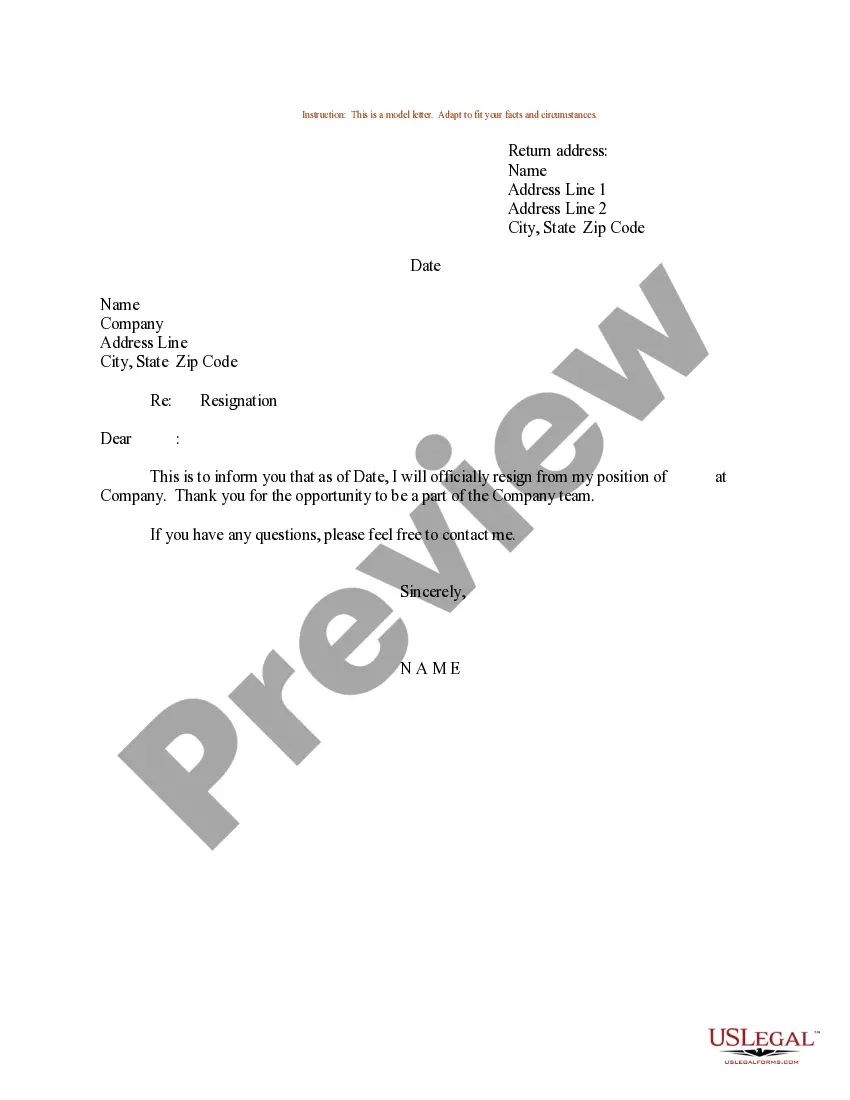
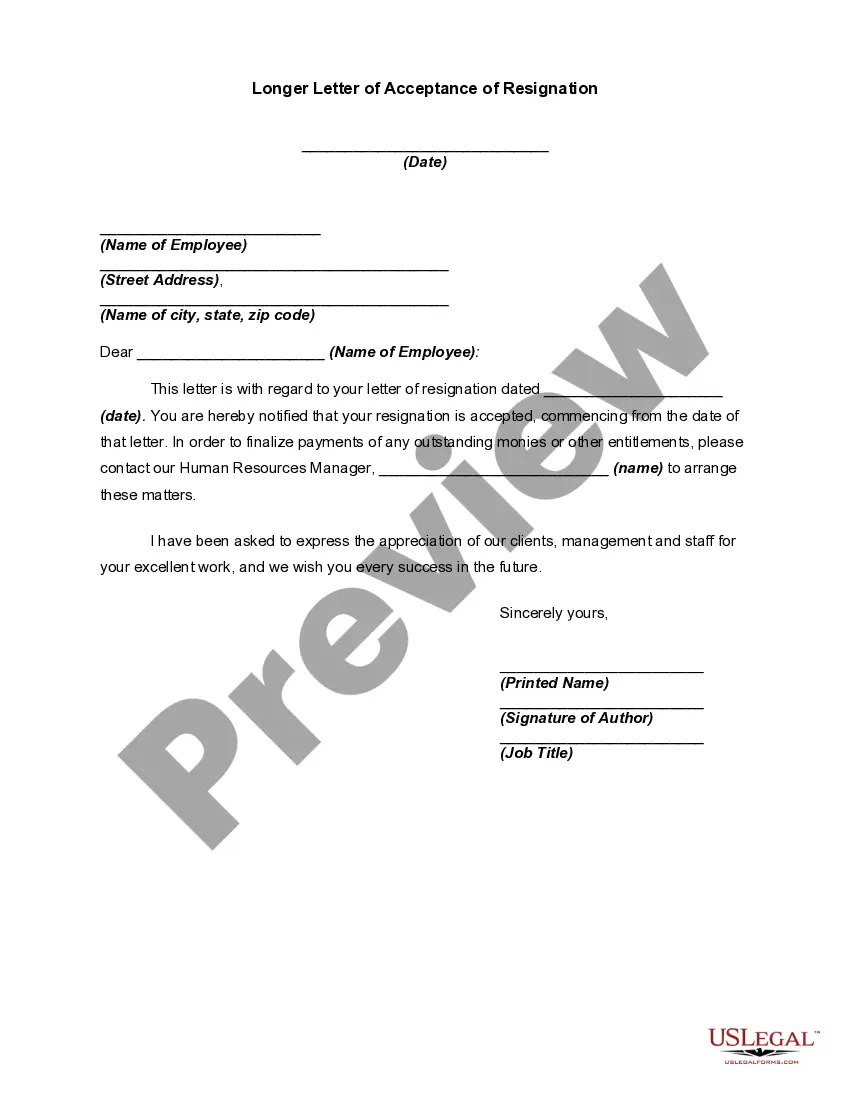

Get your form ready online
Our built-in tools help you complete, sign, share, and store your documents in one place.
Make edits, fill in missing information, and update formatting in US Legal Forms—just like you would in MS Word.
Download a copy, print it, send it by email, or mail it via USPS—whatever works best for your next step.
Sign and collect signatures with our SignNow integration. Send to multiple recipients, set reminders, and more. Go Premium to unlock E-Sign.
If this form requires notarization, complete it online through a secure video call—no need to meet a notary in person or wait for an appointment.
We protect your documents and personal data by following strict security and privacy standards.

Make edits, fill in missing information, and update formatting in US Legal Forms—just like you would in MS Word.

Download a copy, print it, send it by email, or mail it via USPS—whatever works best for your next step.

Sign and collect signatures with our SignNow integration. Send to multiple recipients, set reminders, and more. Go Premium to unlock E-Sign.

If this form requires notarization, complete it online through a secure video call—no need to meet a notary in person or wait for an appointment.

We protect your documents and personal data by following strict security and privacy standards.
Looking for another form?








Form popularity
FAQ
Washington is an at-will employment state, which means that employers can fire employees for any reason or no reason at all, as long as they are not violating any employment laws. This also means that employees can resign from their jobs at any time, for any reason or no reason at all.
(a) A claimant shall be disqualified from benefits beginning with the first day of the calendar week in which the claimant left work voluntarily without good cause and thereafter for seven calendar weeks and until the claimant obtains bona fide work in employment covered by this title and earned wages in that ...
Generally, the three part test for reasonableness of a covenant not to compete asked (1) whether the restraint is necessary to protect the employer's business or goodwill, (2) whether it imposes on the employee any greater restraint than is reasonably necessary to secure the employer's business or goodwill, and (3) ...
In most jurisdictions, employment at will, or continued employment is sufficient consideration to support the covenant. But some states require an employer to offer additional consideration. Some ways to satisfy the consideration requirement is to offer a candidate a signing bonus, or severance.
Resignation means giving up because you've decided that there's nothing you can do about your situation. Acceptance, on the other hand, simply means accepting that the situation happened or exists. Resignation is followed by helplessness; whereas acceptance opens up choices.
The bill expands the language of the law to make it void against both employees and independent contractors. Employers are required to disclose the terms of the “noncompetition covenant” in writing to prospective employees no later than the time the employee accepts an offer of employment.
In Washington, unless the agreement is entered into before employment begins, there must be additional consideration. This is similar to Oregon, where only employment or an advancement (such as raise or promotion) are sufficient consideration.
Employment can be part-time (31 hours per week or less) or full-time (32 hours per week or more).
An employer does not have to give you advance notice of termination. There are 3 exceptions to this: If you and your employer changed your rights by entering into an agreement. (See sections on Individual Employment Agreements, Implied Employment Contracts, and Collective Bargaining Agreements, below.)

