Accepted Resignation With Regret In Travis
Description

Get your form ready online
Our built-in tools help you complete, sign, share, and store your documents in one place.
Make edits, fill in missing information, and update formatting in US Legal Forms—just like you would in MS Word.
Download a copy, print it, send it by email, or mail it via USPS—whatever works best for your next step.
Sign and collect signatures with our SignNow integration. Send to multiple recipients, set reminders, and more. Go Premium to unlock E-Sign.
If this form requires notarization, complete it online through a secure video call—no need to meet a notary in person or wait for an appointment.
We protect your documents and personal data by following strict security and privacy standards.

Make edits, fill in missing information, and update formatting in US Legal Forms—just like you would in MS Word.

Download a copy, print it, send it by email, or mail it via USPS—whatever works best for your next step.

Sign and collect signatures with our SignNow integration. Send to multiple recipients, set reminders, and more. Go Premium to unlock E-Sign.

If this form requires notarization, complete it online through a secure video call—no need to meet a notary in person or wait for an appointment.

We protect your documents and personal data by following strict security and privacy standards.
Looking for another form?







Form popularity
FAQ
Yes, it is generally acceptable to reapply to a company that you previously quit, but there are a few factors to consider: Reason for Leaving: If you left on good terms and maintained a positive relationship with your colleagues or management, your chances of being welcomed back are higher.
Clarify Your Intentions: Make sure your resignation is clear and firm. Request a Meeting: Set up a private meeting with your boss to discuss your resignation. Be Professional: Maintain professionalism throughout the conversation. Explain Your Reasons: Clearly articulate your reasons for resigning. Discuss Transit
A recent survey showed that 80 percent of Great Resignation quitters regret their decision. Though many people left for better work-life balance and mental health, only about half of respondents were satisfied with these things in their new roles.
If you regret your resignation, here are some steps you can take: Reflect on Your Decision: Consider why you resigned and whether those reasons still hold. Make sure you genuinely want to stay. Contact Your Boss: Reach out to your boss as soon as possible. Request a meeting to discuss your resignation.
If you want to quit your job, but you feel guilty about it, here are some reasons you can leave with confidence: Employment is a business agreement. Your own growth and development matter. Staying may pose other challenges. Your well-being can support your colleagues. Make your decision mindfully. Articulate your reasons.
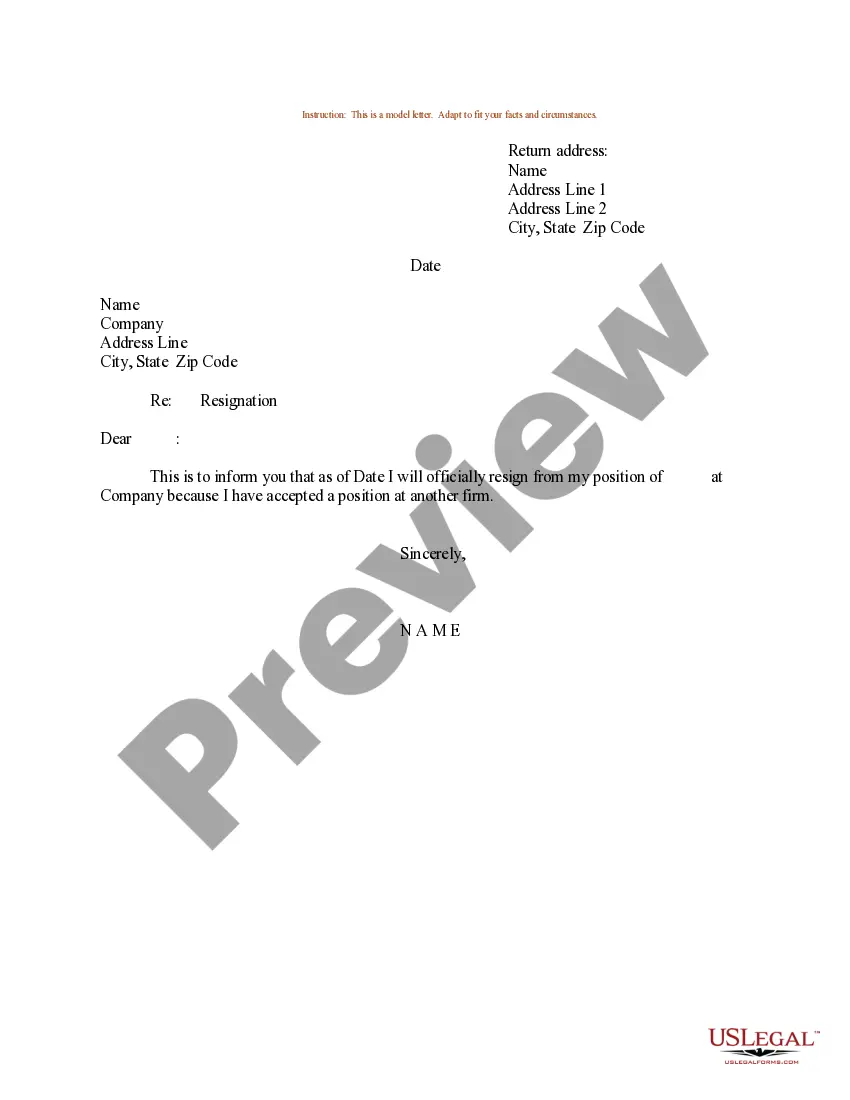
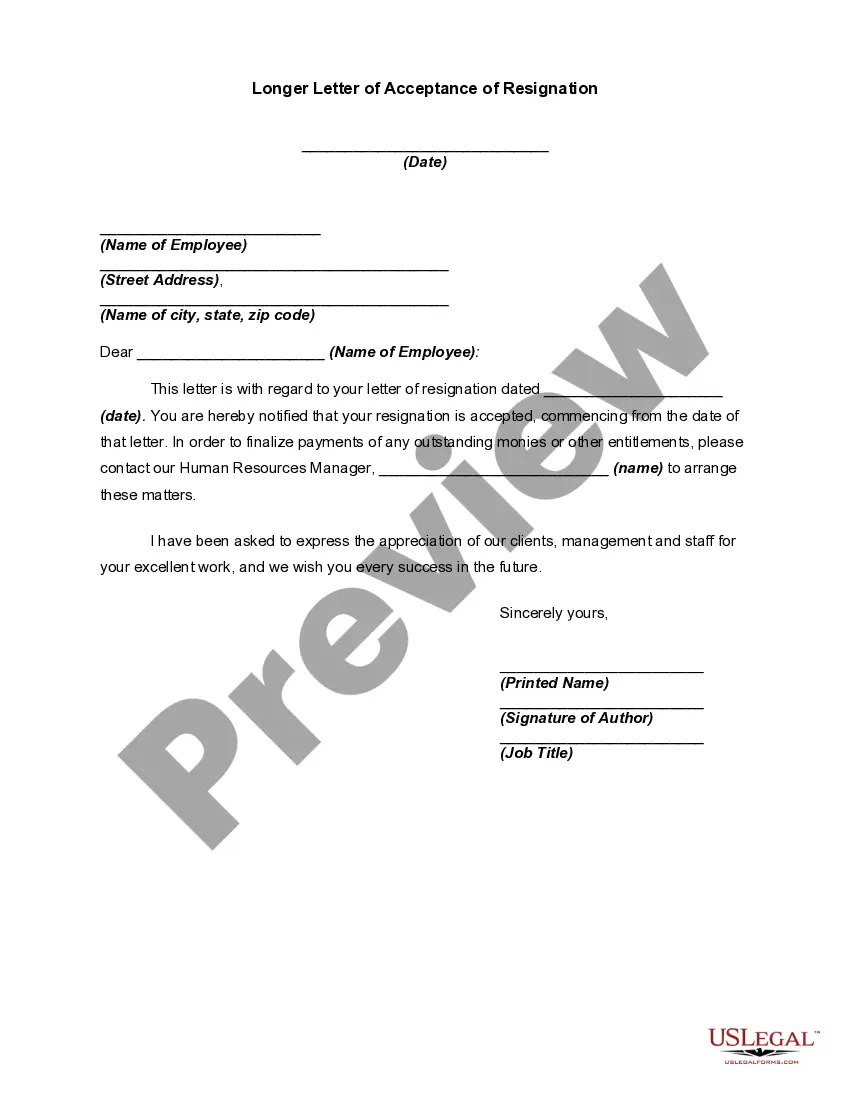
Accept the resignation Be direct and to the point and, in the first sentence, acknowledge the receipt of their letter of resignation and formally accept it. Depending on the employee and the circumstances of their departure, you may want to add your regrets about their decision in the first paragraph.
- Reapply: If you left on good terms, consider reaching out to your former employer. Express your interest in returning and discuss any changes that might make you reconsider. - Explore New Opportunities: If returning isn't an option, start looking for new jobs that align better with your career goals and values.
You may change your decision after sending resignation letter to the boss and before the resignation being accepted may withdraw the same. In large companies, the Human Resources department usually advise the employee to confirm the resignation, thus allowing time to rethink on the matter.
