Acceptance Without Resignation Meaning In Tarrant
Description
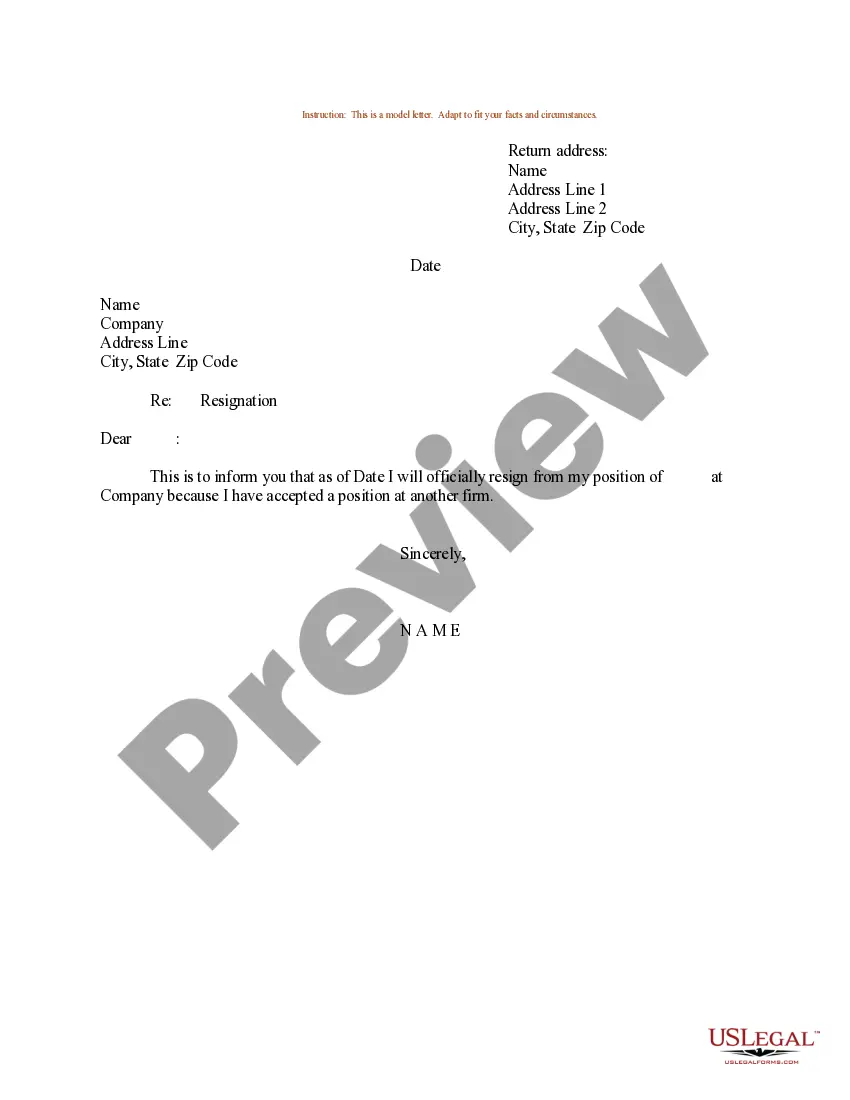
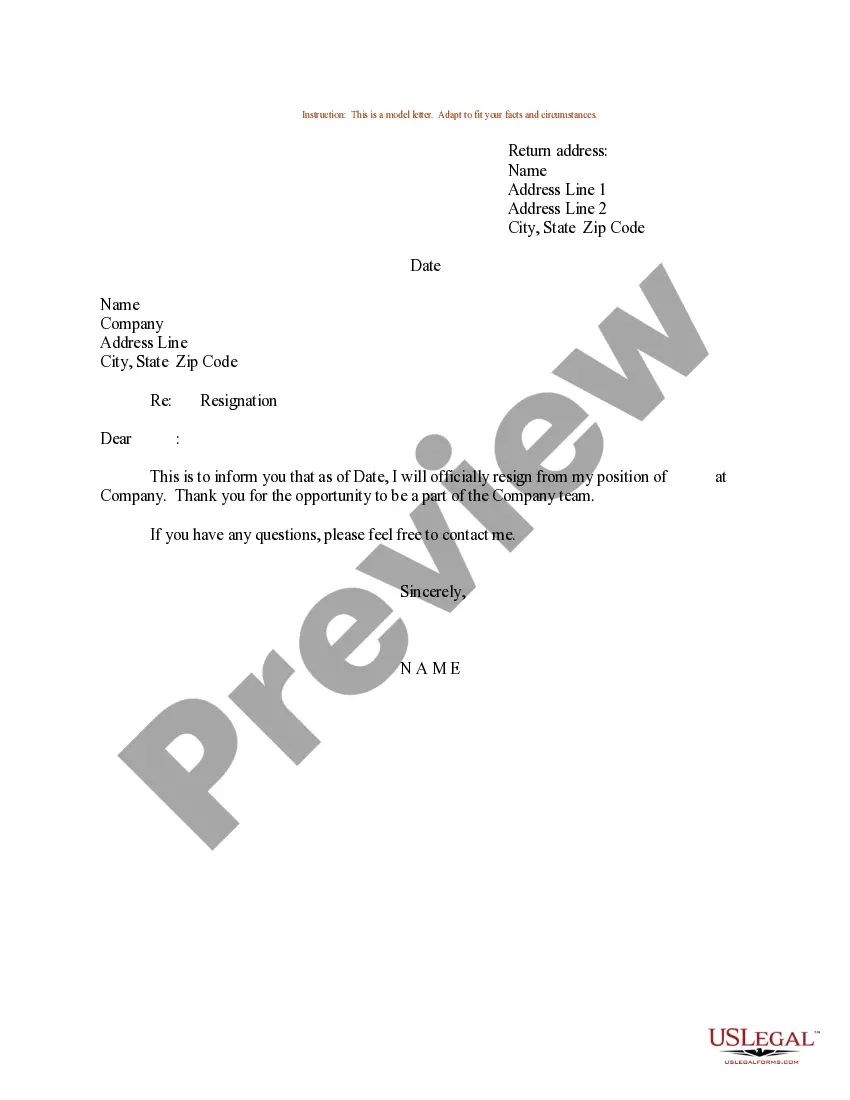
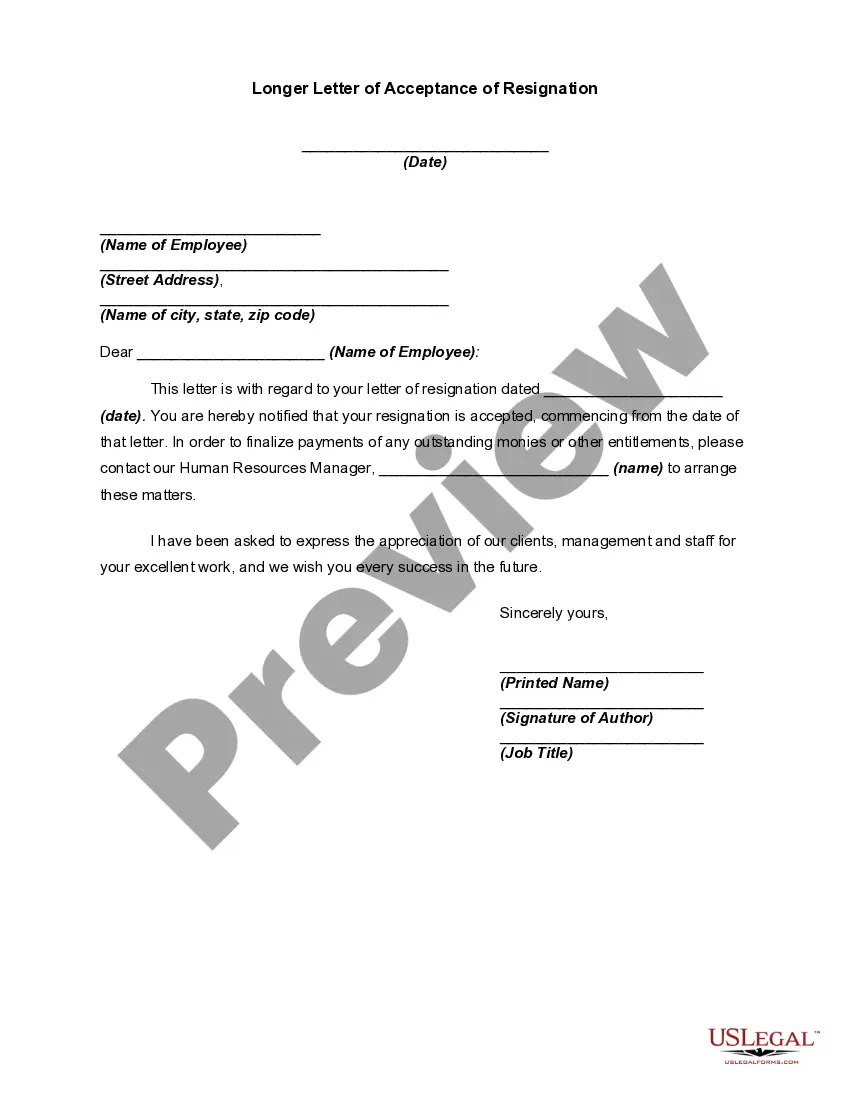

Get your form ready online
Our built-in tools help you complete, sign, share, and store your documents in one place.
Make edits, fill in missing information, and update formatting in US Legal Forms—just like you would in MS Word.
Download a copy, print it, send it by email, or mail it via USPS—whatever works best for your next step.
Sign and collect signatures with our SignNow integration. Send to multiple recipients, set reminders, and more. Go Premium to unlock E-Sign.
If this form requires notarization, complete it online through a secure video call—no need to meet a notary in person or wait for an appointment.
We protect your documents and personal data by following strict security and privacy standards.

Make edits, fill in missing information, and update formatting in US Legal Forms—just like you would in MS Word.

Download a copy, print it, send it by email, or mail it via USPS—whatever works best for your next step.

Sign and collect signatures with our SignNow integration. Send to multiple recipients, set reminders, and more. Go Premium to unlock E-Sign.

If this form requires notarization, complete it online through a secure video call—no need to meet a notary in person or wait for an appointment.

We protect your documents and personal data by following strict security and privacy standards.
Looking for another form?





Form popularity
FAQ
Resignation is an emotion that arises when a person accepts an unpleasant or difficult situation that they cannot change. It involves a sense of giving up, letting go of control, and a feeling of powerlessness. Resignation can stem from a variety of circumstances, such as a loss, a failure, or a lack of options.
Resignation is a collapse into bitter defeat while acceptance is an elevation into an expanded capacity to bring love and joy to painful places. If resignation is miserably slogging home in an unexpected rainstorm then acceptance is more like dancing in the rain.
Resignation means giving up because you've decided that there's nothing you can do about your situation. Acceptance, on the other hand, simply means accepting that the situation happened or exists. Resignation is followed by helplessness; whereas acceptance opens up choices.
Resignation means giving up because you've decided that there's nothing you can do about your situation. Acceptance, on the other hand, simply means accepting that the situation happened or exists. Resignation is followed by helplessness; whereas acceptance opens up choices.
They both represent a change in one's perspective in relation to a current situation. They also both involve developing an awareness of factors we cannot change or control in our life and coming to terms with this. However, there is a significant difference in how one proceeds from this point.
Comments Section Acceptance is acknowledging the reality of a situation and not being distressed by it. Resignation is tolerating (ie staffing through) something unpleasant, often perceived as inevitable or unavoidable. Acceptance is looking outside seeing it's raining and grabbing an umbrella.
If you are resigned to an unpleasant situation or fact, you accept it without complaining because you realize that you cannot change it.
In summary, acceptance and resignation are similar in that they both involve acknowledging and coming to terms with a situation. However, acceptance involves a proactive and positive mindset, while resignation implies a more passive and negative mindset.
Unless you're signing a contract of employment or are being given some kind of sign on bonus that needs to be repaid, there is nothing to stop you from accepting a job offer and then backing out.
If you are resigned to an unpleasant situation or fact, you accept it without complaining because you realize that you cannot change it.
