Resignation Letter Gracefully Forward In Pima
Description
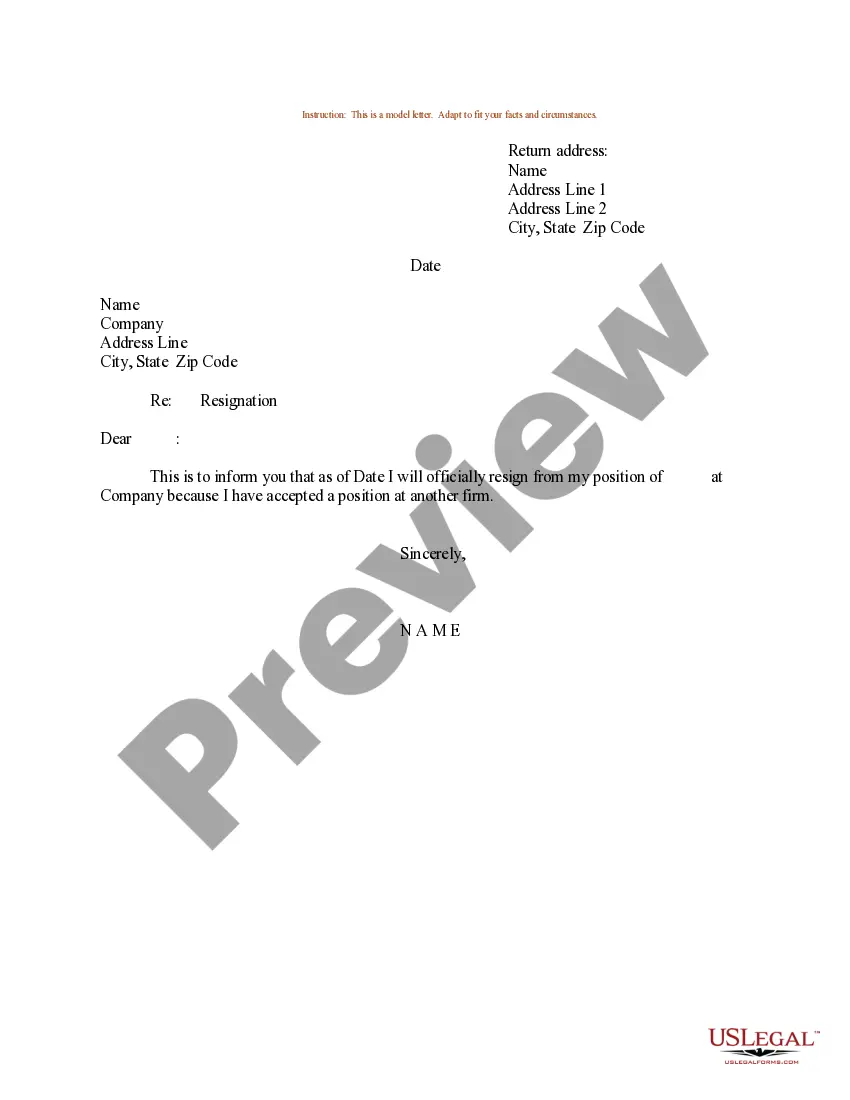
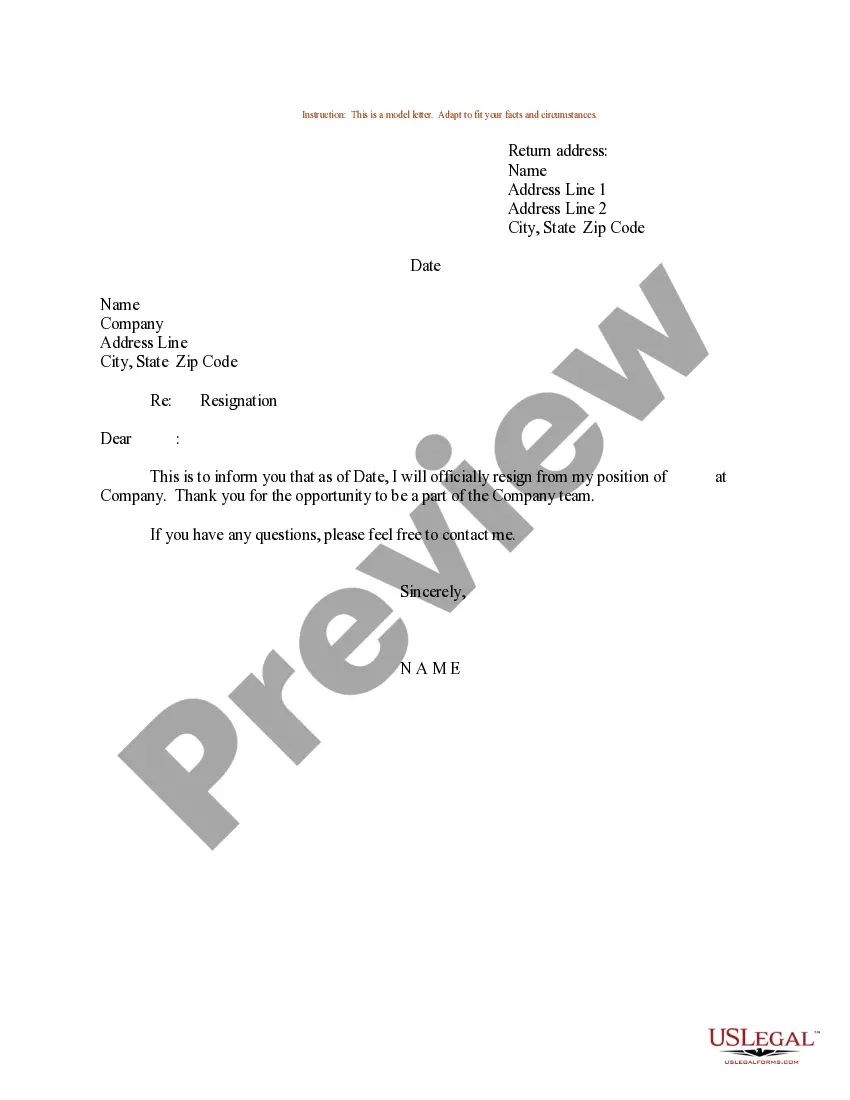
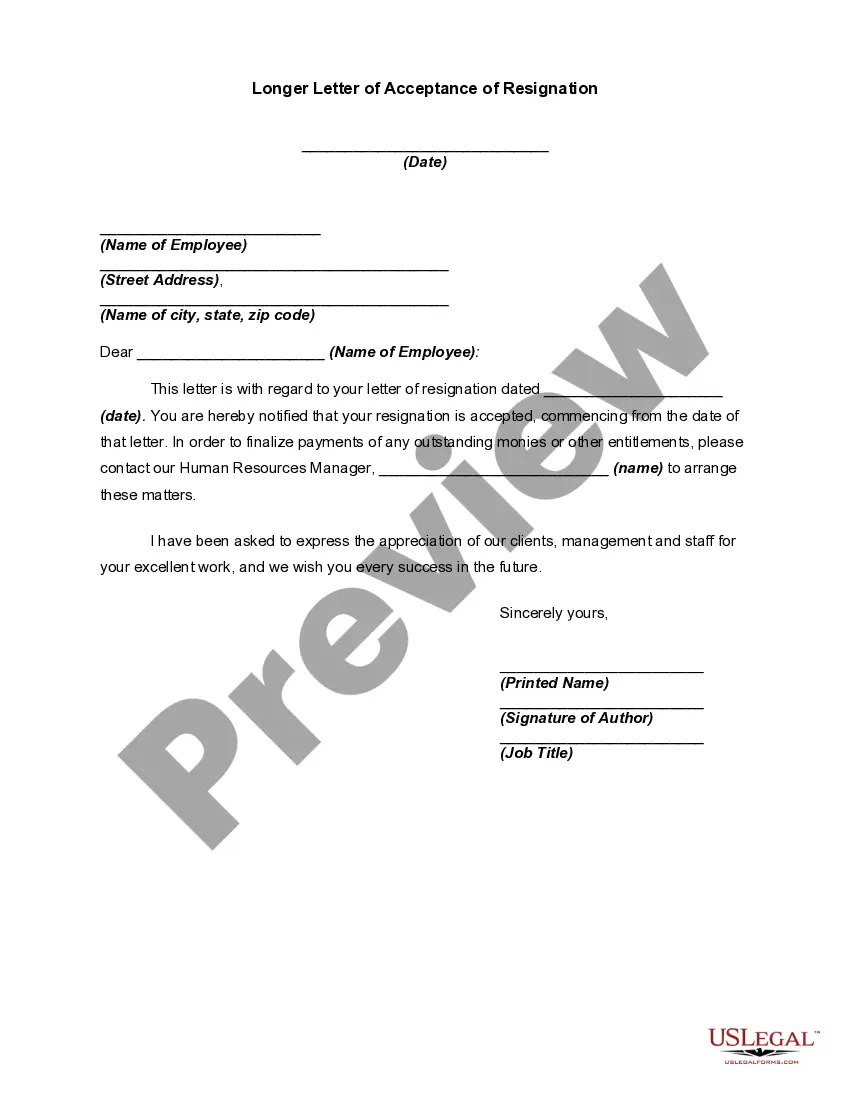

Get your form ready online
Our built-in tools help you complete, sign, share, and store your documents in one place.
Make edits, fill in missing information, and update formatting in US Legal Forms—just like you would in MS Word.
Download a copy, print it, send it by email, or mail it via USPS—whatever works best for your next step.
Sign and collect signatures with our SignNow integration. Send to multiple recipients, set reminders, and more. Go Premium to unlock E-Sign.
If this form requires notarization, complete it online through a secure video call—no need to meet a notary in person or wait for an appointment.
We protect your documents and personal data by following strict security and privacy standards.

Make edits, fill in missing information, and update formatting in US Legal Forms—just like you would in MS Word.

Download a copy, print it, send it by email, or mail it via USPS—whatever works best for your next step.

Sign and collect signatures with our SignNow integration. Send to multiple recipients, set reminders, and more. Go Premium to unlock E-Sign.

If this form requires notarization, complete it online through a secure video call—no need to meet a notary in person or wait for an appointment.

We protect your documents and personal data by following strict security and privacy standards.
Looking for another form?





Form popularity
FAQ
State that you are resigning, and provide the effective date. Briefly cite personal reasons as the basis for your resignation, without elaborating further. Express gratitude for the opportunity to have worked there. Convey well-wishes for the company and your colleagues.
So if you found yourself feeling apathetic towards showing up to work every day, consider these three red flags. You're not using the skills you were hired for. Your skills aren't being maintained. Your skills are lacking opportunity.
Dear Supervisor's Name, I am writing to inform you that I have decided to resign from my position as Job Title at Company Name. My last day of work will be Date. I want to take this opportunity to thank you and the entire team for the valuable experience and support provided during my time at Company Name.
10 things you should never say when leaving your job Don't bash your employer. Don't apologise. Don't give away too much. Don't make any promises. Don't sign anything. Don't tell them who knew. Don't say that you'll do an exit interview. Don't tell them how long you've been looking.
Dear name of manager, Please accept this as notice of my resignation from the position of your job title at business or organisation name. Since my notice period is X weeks/months, I believe my last day will be date. Please let me know if that is incorrect.
"Don't use words like quitting or leaving when you tell your boss you're resigning, because they could make your boss feel like it's their fault you're vacating your position. Similarly, avoid phrases like “I've found a better opportunity” or “I've outgrown my position." Instead, let them down easy."
Don't say (or to be correct: write) anything in a resignation letter that is negative about the company, its management or other employees, even if this is the reason you are leaving; and however temping it may be to momentarily make you feel better or empowered.
How to Write a Resignation Letter A greeting: Start formal. A statement of resignation. Offer help with transitioning. Thank your employer for giving you a chance to be a part of their company, and for their time. Leave your contact information for your employer. Sign off with “Sincerely” or “Thank you”
How to quit a job professionally Start by deciding whether it's the right time. Give at least two weeks' notice. Write a letter of resignation. Give feedback on why you're leaving. Schedule a meeting with an HR representative or supervisor. Conclude and transition work. Share gratitude for the opportunity.
Expressing sincere gratitude and positive experiences A graceful exit includes expressing gratitude for the opportunities and experiences you've had during your tenure. A thoughtful resignation letter should acknowledge the support and opportunities provided by the manager and the organization.
