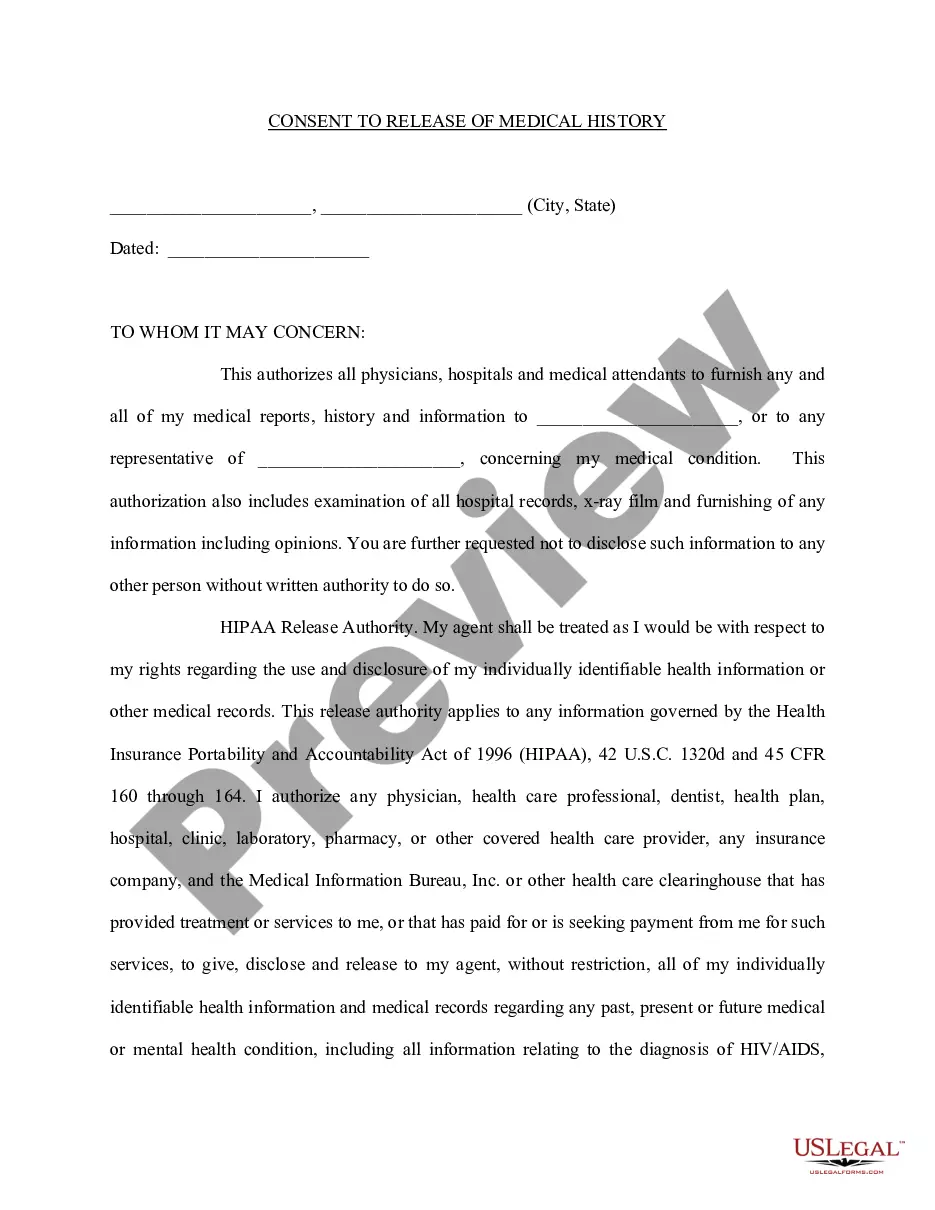
Retirement Letter Vs Resignation Letter In Palm Beach
Description

Get your form ready online
Our built-in tools help you complete, sign, share, and store your documents in one place.
Make edits, fill in missing information, and update formatting in US Legal Forms—just like you would in MS Word.
Download a copy, print it, send it by email, or mail it via USPS—whatever works best for your next step.
Sign and collect signatures with our SignNow integration. Send to multiple recipients, set reminders, and more. Go Premium to unlock E-Sign.
If this form requires notarization, complete it online through a secure video call—no need to meet a notary in person or wait for an appointment.
We protect your documents and personal data by following strict security and privacy standards.

Make edits, fill in missing information, and update formatting in US Legal Forms—just like you would in MS Word.

Download a copy, print it, send it by email, or mail it via USPS—whatever works best for your next step.

Sign and collect signatures with our SignNow integration. Send to multiple recipients, set reminders, and more. Go Premium to unlock E-Sign.

If this form requires notarization, complete it online through a secure video call—no need to meet a notary in person or wait for an appointment.

We protect your documents and personal data by following strict security and privacy standards.
Looking for another form?



Form popularity
FAQ
Ing to some resources, three to six months advance retirement notice is considered the standard — although it'd be wise to revisit your company policy before making a final decision.
How to create a retirement letter Address the right people. Address your retirement letter to your supervisor. Specify the date of your retirement. Express appreciation for your experience. Offer to assist with the transition. Discuss consulting if you're interested. Detail your needs regarding retirement.
A retirement letter is your formal resignation from a company once you're ready for retirement financially and otherwise. The letter lets your employer know in writing when you plan to leave and your availability for helping with the transition.
Resignation Versus Termination | Comparison Reasoning: Termination is often based on performance issues, misconduct, or redundancy, while personal choices or career aspirations usually drive resignation. This distinction underscores the underlying motivations behind each decision.
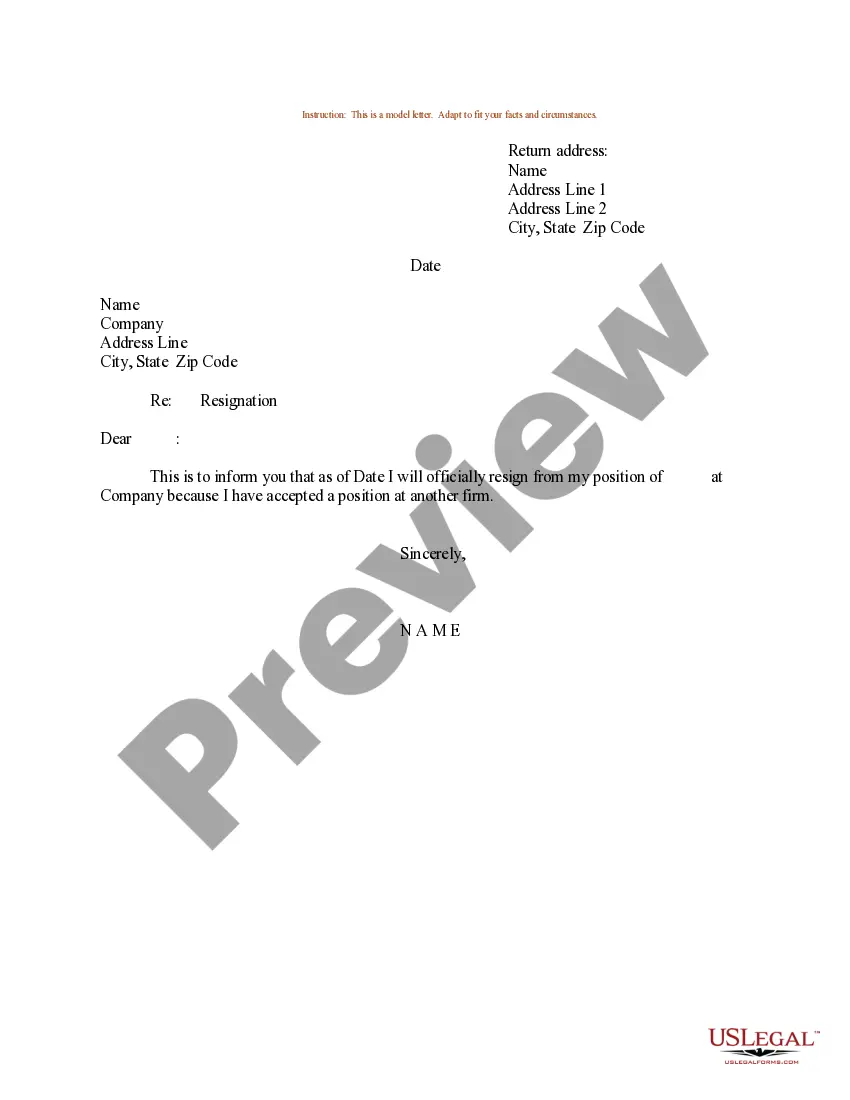
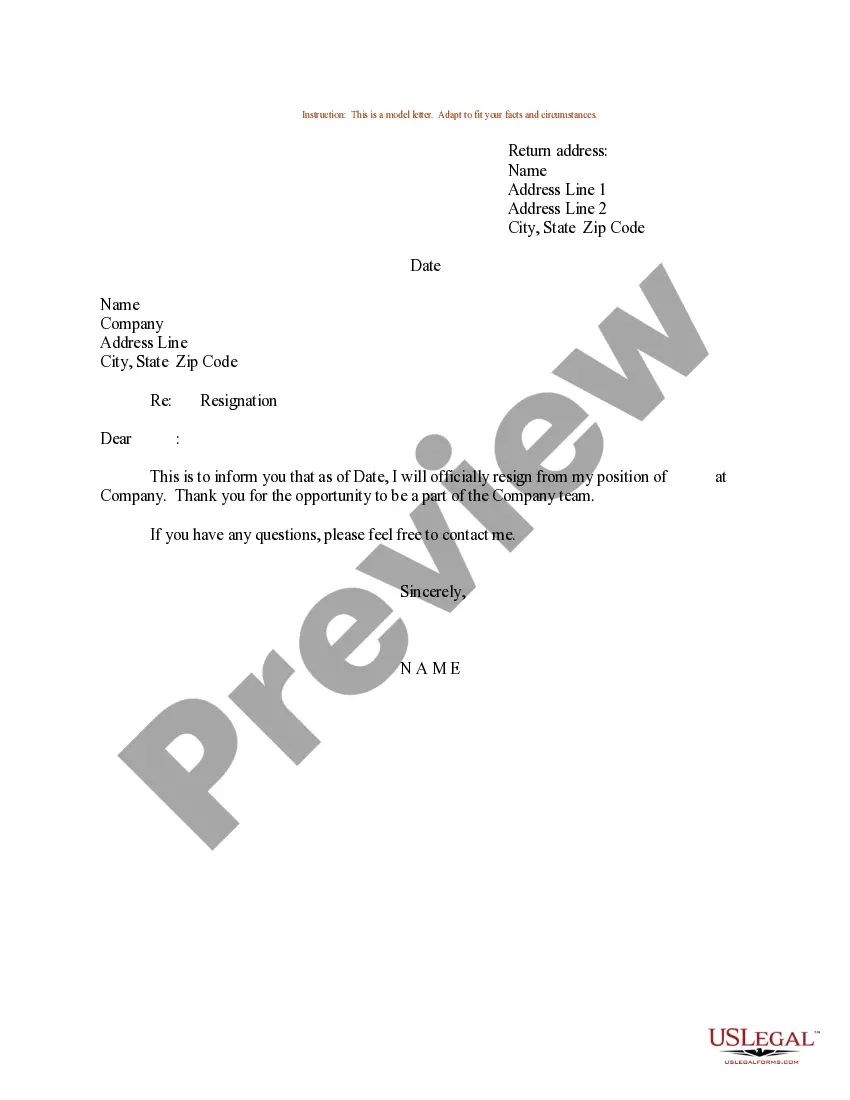
Dear Employer's Name, I am writing to inform you that I have decided to retire from my position as Job Title effective Retirement Date. After Number of Years years of dedicated service to Company Name, I feel it is time to step back and enjoy my retirement.
You'll probably want to give your supervisor a heads up before you submit your letter, either in person or over a video meeting, depending on your work situation. Then, you can submit the formal letter in person or more likely via email, but check with your company to see if they have a preference.
Dear HR Manager, Please accept this letter as my formal notice of retirement. My employment with Company will end on Date. I look forward to my retirement, but would like to take the opportunity to extend my gratitude to you and the whole team for the wonderful workplace environment I've enjoyed here.
It's essential to give your employer enough notice to maintain goodwill and aid in the transition period. If you know you're retiring at the end of this year, consider drafting your letter at least a month or so in advance. Even longer doesn't hurt.
The main reason is so you can't file a labor complaint or sue for wrongful termination. When you resign, it is your choice, and that makes it much harder to make a complaint later.
Preserving Reputation: Resignation can be viewed more favorably than termination, allowing the employee to maintain a better reputation in their industry. Avoiding Legal Issues: Terminations can lead to potential legal disputes, especially if the employee claims wrongful termination.