Resignation Letter With Experience Certificate Request In Minnesota
Description
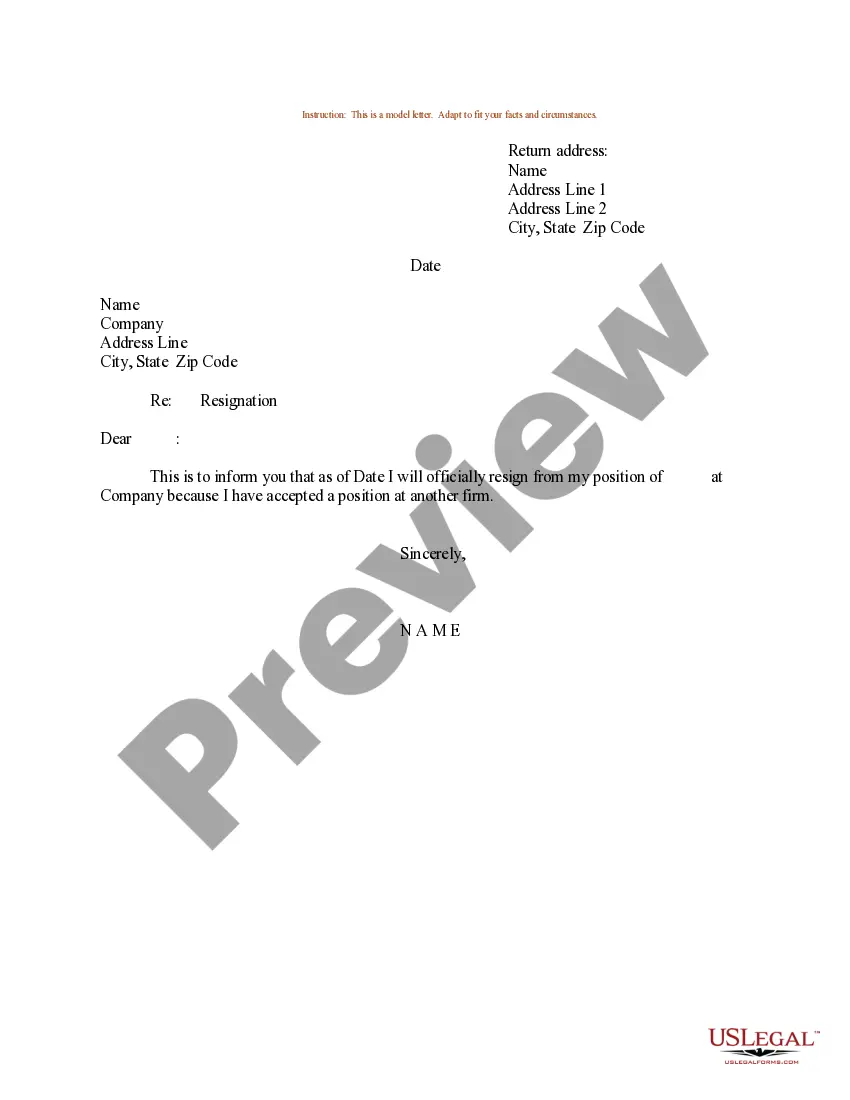
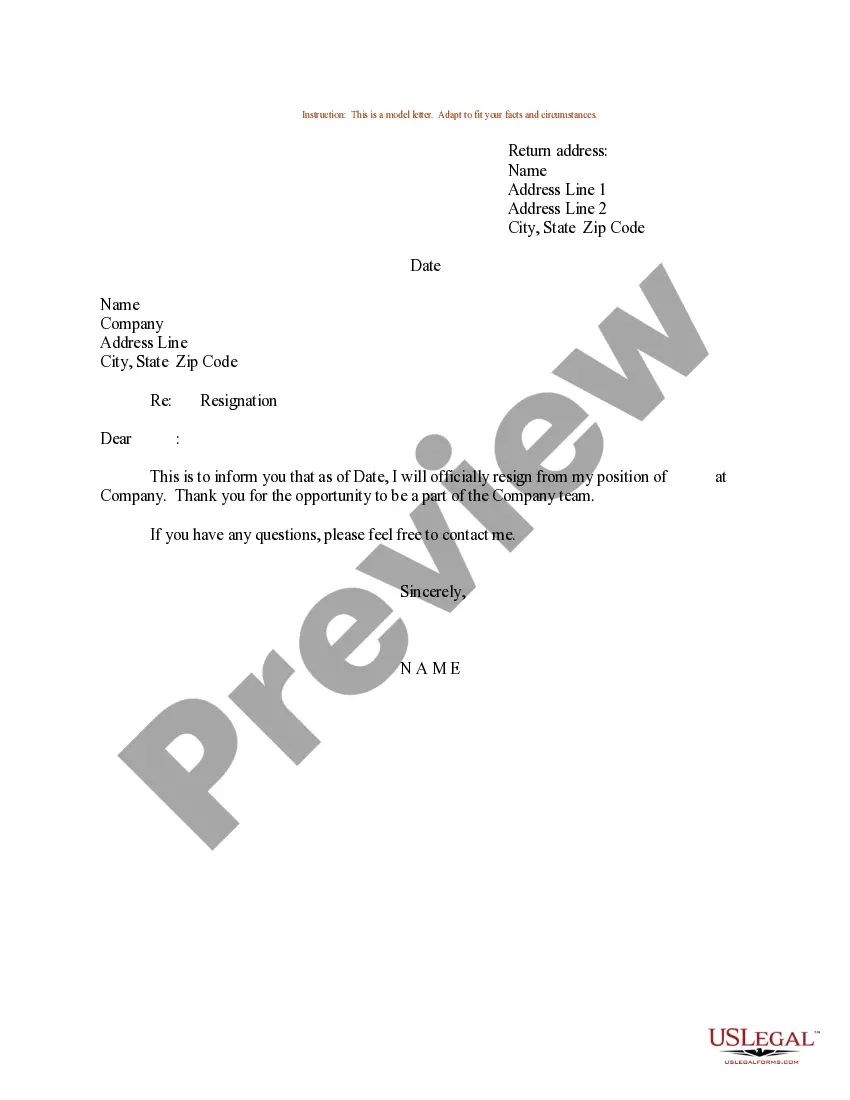
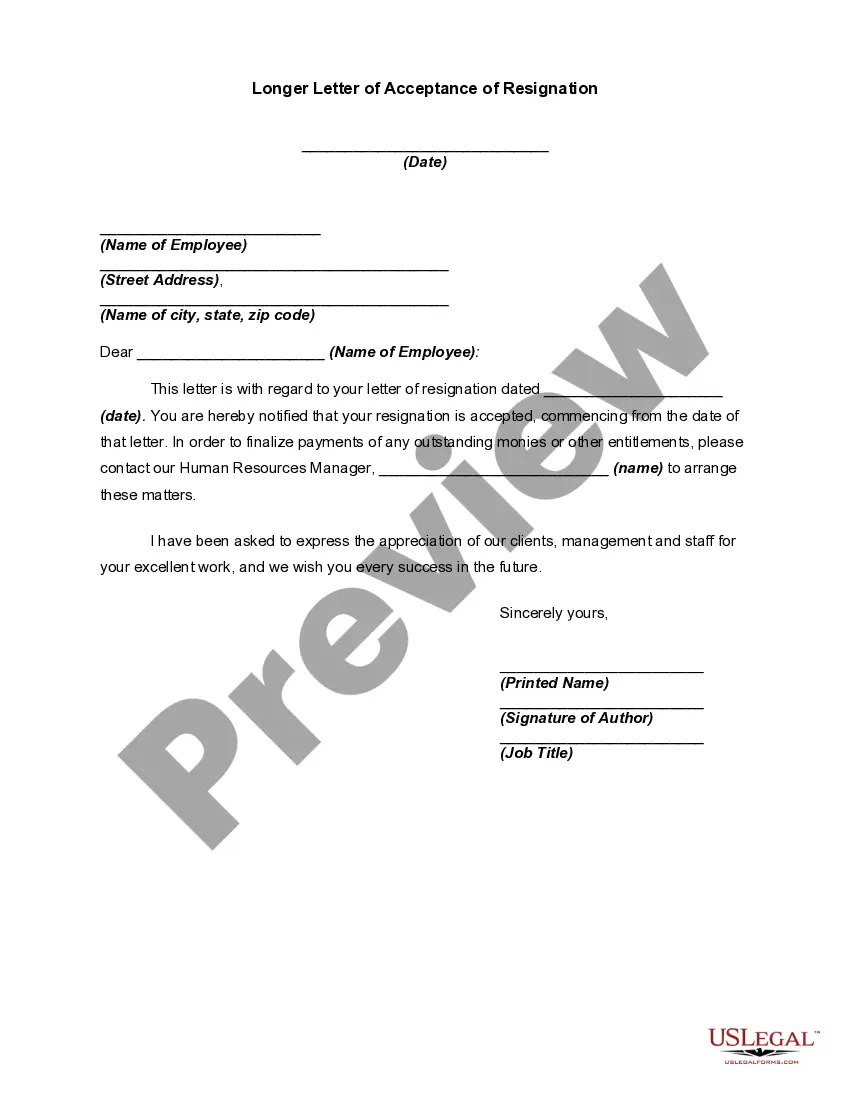

Get your form ready online
Our built-in tools help you complete, sign, share, and store your documents in one place.
Make edits, fill in missing information, and update formatting in US Legal Forms—just like you would in MS Word.
Download a copy, print it, send it by email, or mail it via USPS—whatever works best for your next step.
Sign and collect signatures with our SignNow integration. Send to multiple recipients, set reminders, and more. Go Premium to unlock E-Sign.
If this form requires notarization, complete it online through a secure video call—no need to meet a notary in person or wait for an appointment.
We protect your documents and personal data by following strict security and privacy standards.

Make edits, fill in missing information, and update formatting in US Legal Forms—just like you would in MS Word.

Download a copy, print it, send it by email, or mail it via USPS—whatever works best for your next step.

Sign and collect signatures with our SignNow integration. Send to multiple recipients, set reminders, and more. Go Premium to unlock E-Sign.

If this form requires notarization, complete it online through a secure video call—no need to meet a notary in person or wait for an appointment.

We protect your documents and personal data by following strict security and privacy standards.
Looking for another form?



Form popularity
FAQ
Relieving Letter is a formal letter that is issued to an employee at the time of leaving an organization. It is a formal way of communicating to the employee that the resignation has been accepted. A relieving letter is required at the time of joining a new company.
Distinguishing Between the Two While both letters serve as testaments to your professional journey, they serve distinct purposes. An Experience Letter narrates your accomplishments and contributions, while a Relieving Letter marks the conclusion of your tenure with the organization.
An experience certificate, also known as an employment verification letter or service certificate, is an official document issued by an employer that verifies an employee's work history with the company.
I am writing to formally request an experience certificate for my tenure at XYZ Corporation. As my employment with the company is concluding on August 15, 2024, I would be grateful if you could issue a certificate that includes the details of my time with the company.
To apply for an experience certificate, simply contact your HR department and submit a request for an experience letter. Include details of when you were employed, your job title(s), achievements or awards or any other important information.
I am writing to you to request for the issuance of my experience certificate, which I need to submit while joining the new organisation. It was a pleasure to work with an organisation that aided my career aspirations. Please try to do the needful and issue my experience certificate at the earliest possible date.
Like an employment verification letter, an experience letter verifies an individual's employment at an organization but also confirms they possess particular skills. You might request an experience letter from a previous employer when you're applying for a new job.
Alternatively, you can issue a legal notice on the previous company and the non-service of the same would be an evidence for its subsequent closure and the available documents with you can serve as proofs of your second employment and experience.
Avoid accusatory language or venting frustrations. Focus on stating your intention to resign, effective on a specific date, without going into extensive detail about the unfair treatment. A simple statement like ``I am writing to inform you of my resignation from (position), effective (date)'' is sufficient.
10 things you should never say when leaving your job Don't bash your employer. Don't apologise. Don't give away too much. Don't make any promises. Don't sign anything. Don't tell them who knew. Don't say that you'll do an exit interview. Don't tell them how long you've been looking.

