Resignation Letters For Retirement In Houston
Description

Get your form ready online
Our built-in tools help you complete, sign, share, and store your documents in one place.
Make edits, fill in missing information, and update formatting in US Legal Forms—just like you would in MS Word.
Download a copy, print it, send it by email, or mail it via USPS—whatever works best for your next step.
Sign and collect signatures with our SignNow integration. Send to multiple recipients, set reminders, and more. Go Premium to unlock E-Sign.
If this form requires notarization, complete it online through a secure video call—no need to meet a notary in person or wait for an appointment.
We protect your documents and personal data by following strict security and privacy standards.

Make edits, fill in missing information, and update formatting in US Legal Forms—just like you would in MS Word.

Download a copy, print it, send it by email, or mail it via USPS—whatever works best for your next step.

Sign and collect signatures with our SignNow integration. Send to multiple recipients, set reminders, and more. Go Premium to unlock E-Sign.

If this form requires notarization, complete it online through a secure video call—no need to meet a notary in person or wait for an appointment.

We protect your documents and personal data by following strict security and privacy standards.
Looking for another form?










Form popularity
FAQ
At-Will Employment – Texas allows “at-will” employment. This means that employers or employees can terminate employment at any time, provided that it is not done for illegal reasons such as discrimination or retaliation. Resignation Notice – In Texas, employees can resign without giving any advance notice.
Among the many other things on your to do list for retirement, you must notify your employer. Often, they require you to submit an official retirement letter of resignation.
Ing to some resources, three to six months advance retirement notice is considered the standard — although it'd be wise to revisit your company policy before making a final decision.
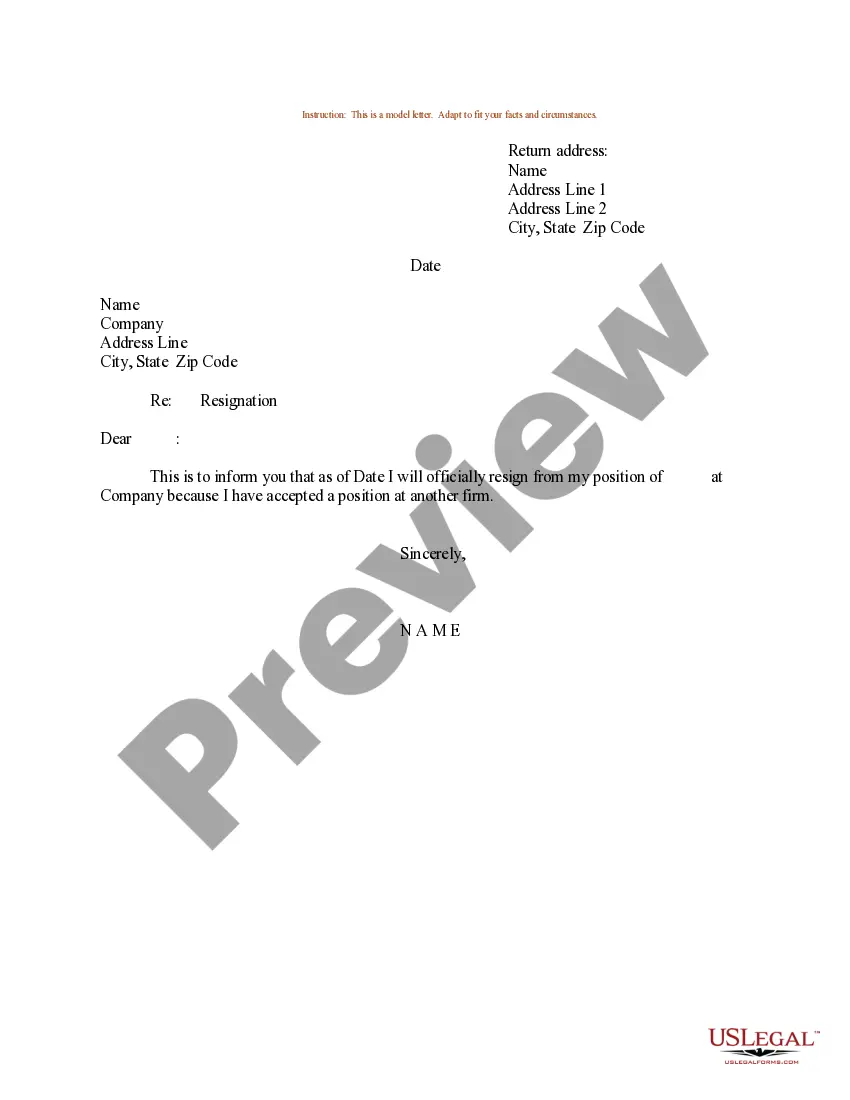
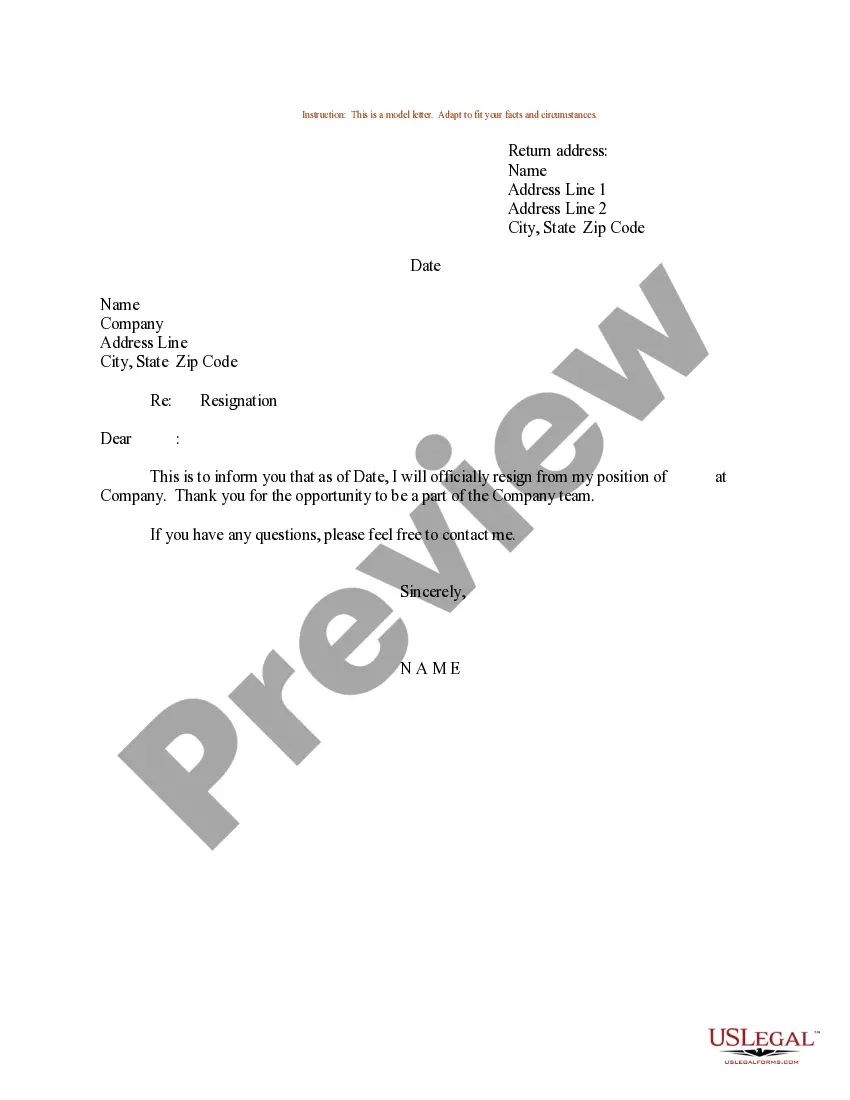
Your resignation letter should include your intention to retire, your current position, your last day of employment, expressions of gratitude, an offer to assist with the handover, and your personal contact information.
A: In California, you are not legally obligated to provide a resignation letter or give notice when you decide to quit your job, especially if there are no specific terms outlined in an employment contract or company policy dictating otherwise.
Ing to some resources, three to six months advance retirement notice is considered the standard — although it'd be wise to revisit your company policy before making a final decision.
Ing to some resources, three to six months advance retirement notice is considered the standard — although it'd be wise to revisit your company policy before making a final decision.
One week's notice if the employee has been employed by the employer continuously for one month or more, but for less than two years. two weeks' notice if the employee has been with the employer for two years or more. This entitlement increases by one week per full year of service up to a maximum of 12 weeks.
Many employers only require 30 days' notice for retirement. However, it is wise to start the process far sooner. Even non-management employees should consider giving at least six-months of notice to protect their professional reputation and ensure a smooth transition.
You want to share a statement of intent, an expression of gratitude, and then offer up any sort of assistance that you can provide with the transition. Use a formal business format for the actual letter itself. Notify your manager in person before you submit your formal resignation letter.

