Speaker Engagement Speaking Formula In Fulton
Description
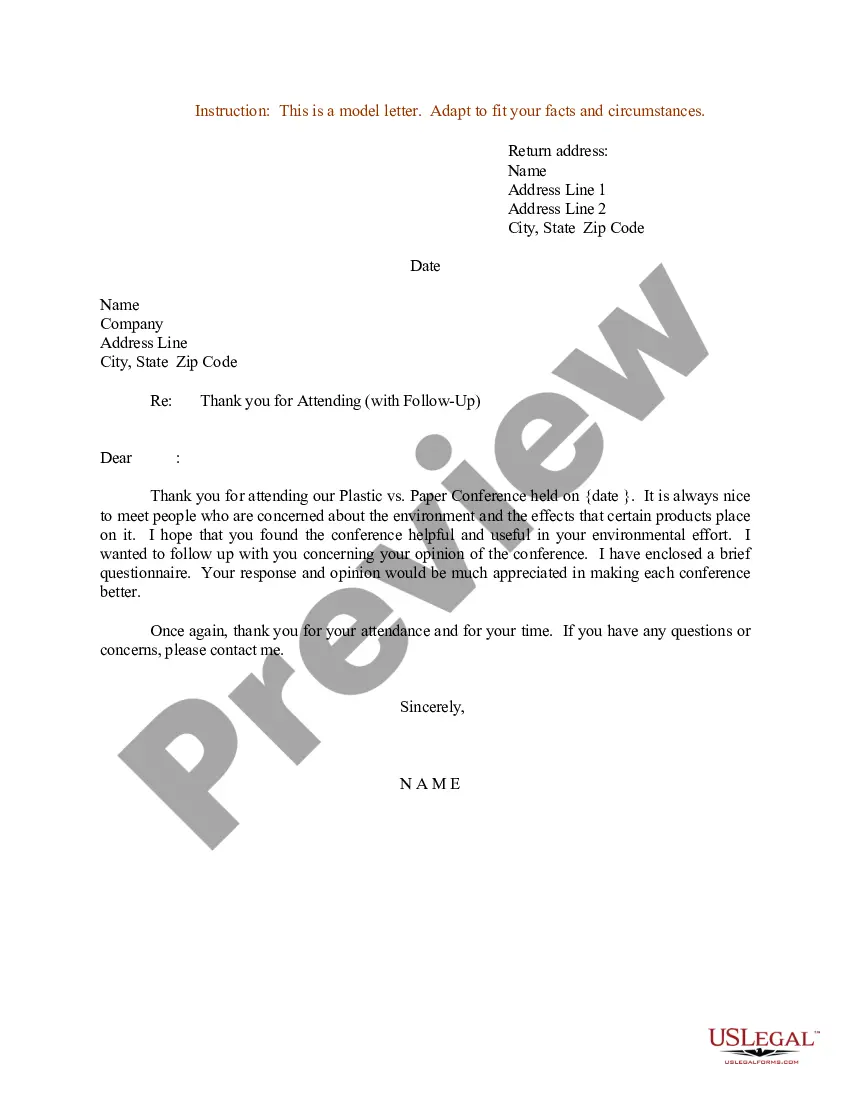
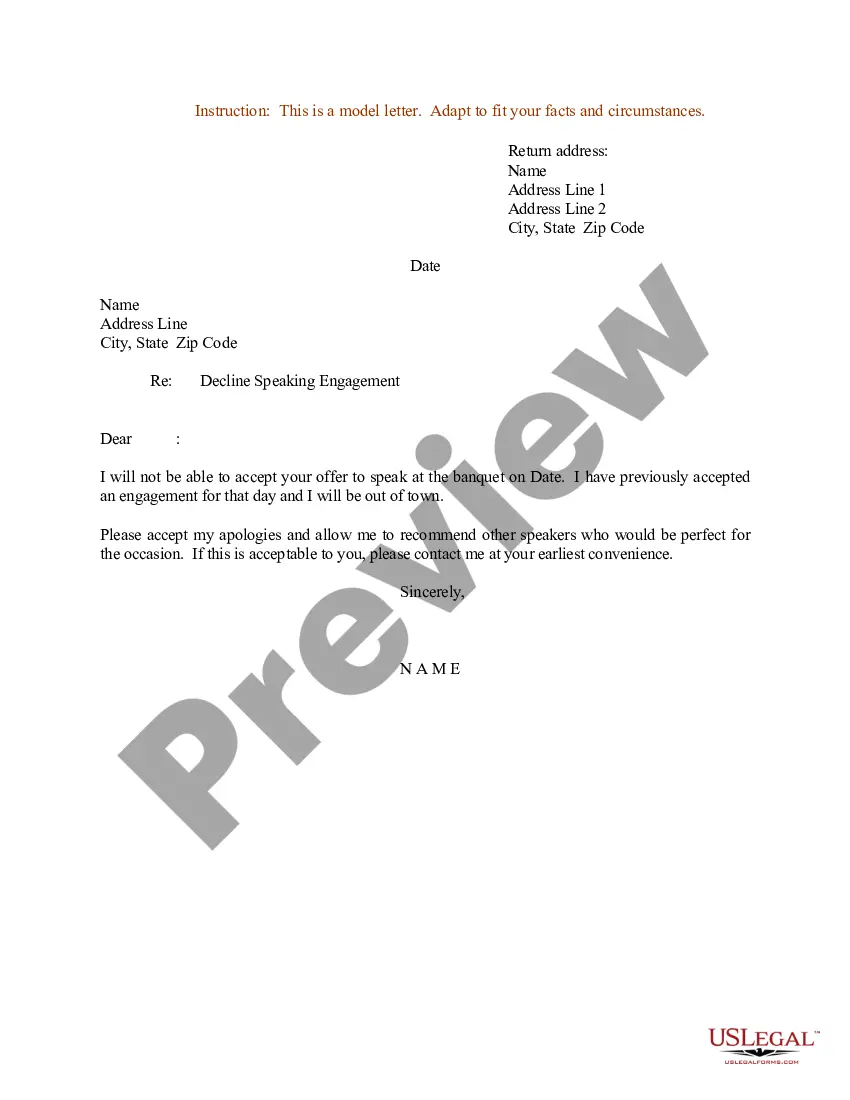
Get your form ready online
Our built-in tools help you complete, sign, share, and store your documents in one place.
Make edits, fill in missing information, and update formatting in US Legal Forms—just like you would in MS Word.
Download a copy, print it, send it by email, or mail it via USPS—whatever works best for your next step.
Sign and collect signatures with our SignNow integration. Send to multiple recipients, set reminders, and more. Go Premium to unlock E-Sign.
If this form requires notarization, complete it online through a secure video call—no need to meet a notary in person or wait for an appointment.
We protect your documents and personal data by following strict security and privacy standards.

Make edits, fill in missing information, and update formatting in US Legal Forms—just like you would in MS Word.

Download a copy, print it, send it by email, or mail it via USPS—whatever works best for your next step.

Sign and collect signatures with our SignNow integration. Send to multiple recipients, set reminders, and more. Go Premium to unlock E-Sign.

If this form requires notarization, complete it online through a secure video call—no need to meet a notary in person or wait for an appointment.

We protect your documents and personal data by following strict security and privacy standards.
Looking for another form?









Form popularity
FAQ
She recommends breaking your speech into three parts—introduction, body, and conclusion, something she does in her championship speech, “Still Standing.” Once you have your three points, add at least one supporting story, example, or finding to fill out those points in your speech.
Organize your speech into segments... Include concrete details... Use words understood by your audience... Leverage concepts understood by your audience... Interact with the audience... Include personal stories... Add a catchphrase... Practice thoroughly and deliver confidently
Here's how you can evaluate your public speaking skills using key metrics. Audience Engagement. Clarity of Speech. Use of Language. Body Language. Time Management. Response to Feedback. Here's what else to consider.
Follow the standard organizational format of introduction, body, and conclusion, which translates into the standard public speaking formula: Tell them what you're going to tell them; Tell them; Tell them what you've told them.
Appearance-neat, clean, appropriate. Voice-clear, fluent, voice control, pronunciation, articulation, projection. Presentation. Points. Allowed. Introduction-short, complete, interesting. Organization of material. Delivery-smooth, appropriate speed, ... Subject Matter. Points. Allowed. Originality. 4-H age appropriate.
A good speech will be: Easy to understand. Focused (has a purpose) Structured (clear beginning, middle, and end) Engaging (gets audience attention and drives them to a purpose) Supported with relevant examples, facts, etc.
You can use quantitative data, such as attendance, retention, engagement, satisfaction, or conversion rates, to measure the impact of your speech on your audience. You can also use qualitative data, such as testimonials, reviews, or stories, to measure the value of your speech for your audience.
Tips for a Good Speaker Engagement Proposal Understand the Audience and Theme. Make an Impact on the First Page. Clear and Engaging Title. Define Learning Objectives. Detailed Session Description. Highlight Relevance and Timeliness. Demonstrate Expertise. Keep your Contract and Proposal Separate.
How to get speaking engagements Get clear on why you want to speak. Listen to a lot of talks from speakers that you admire. Come up with 3-5 talk ideas. Prepare an outline for each talk idea. Build your event list. Slide into event organizers' DMs. Email your pitch. Turn your outline into a speaker proposal.
How to get speaking engagements Get clear on why you want to speak. Listen to a lot of talks from speakers that you admire. Come up with 3-5 talk ideas. Prepare an outline for each talk idea. Build your event list. Slide into event organizers' DMs. Email your pitch. Turn your outline into a speaker proposal.

