Resignation Accepted With Prejudice In Florida
Description
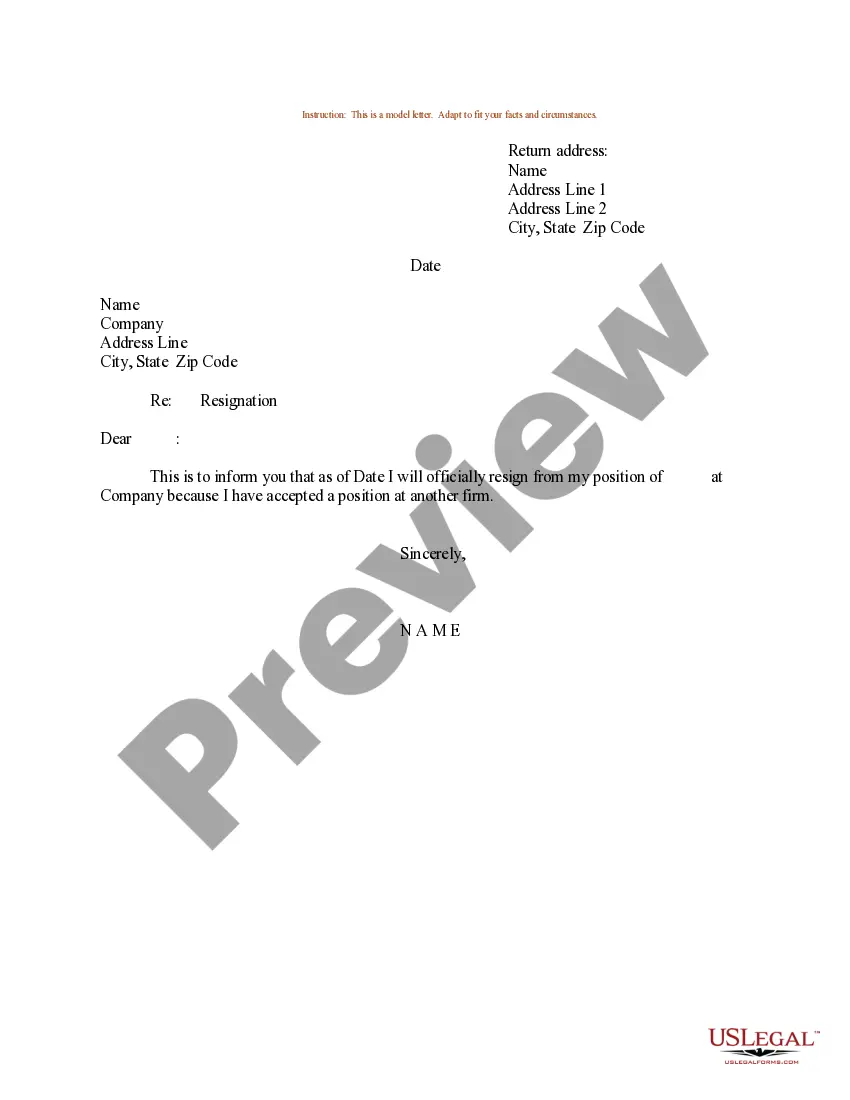
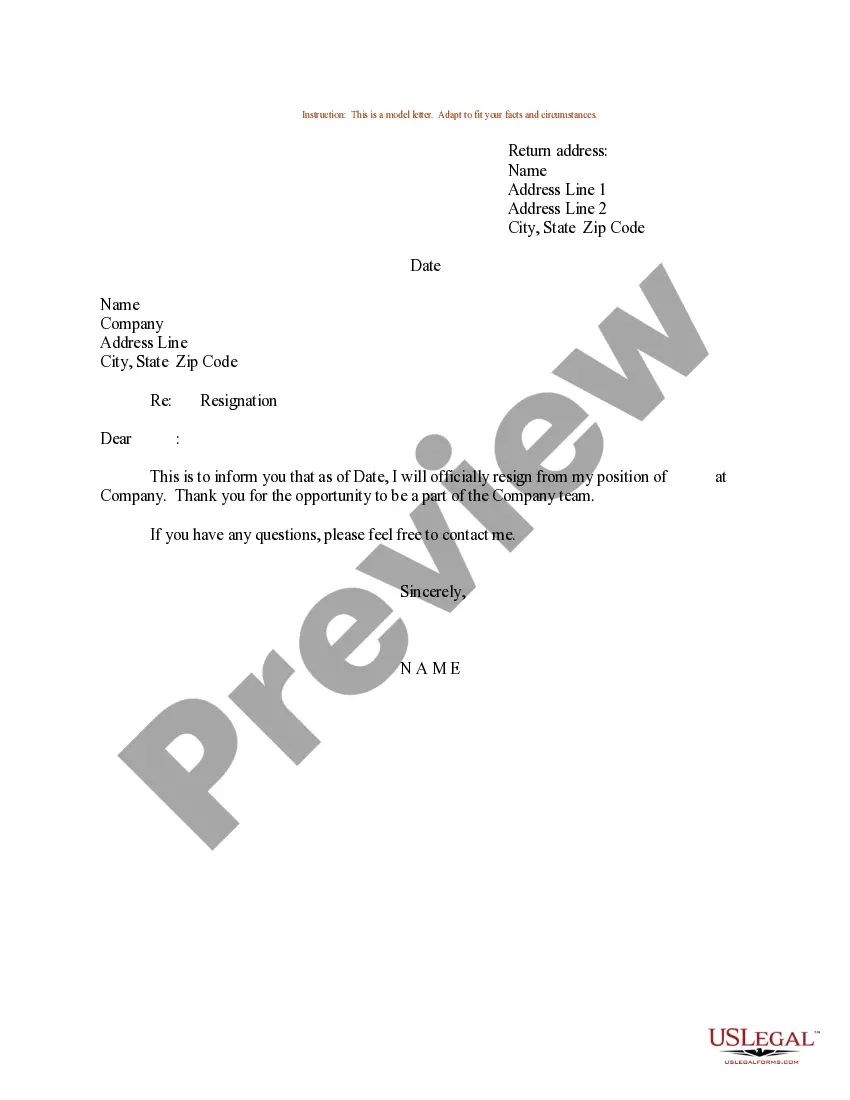
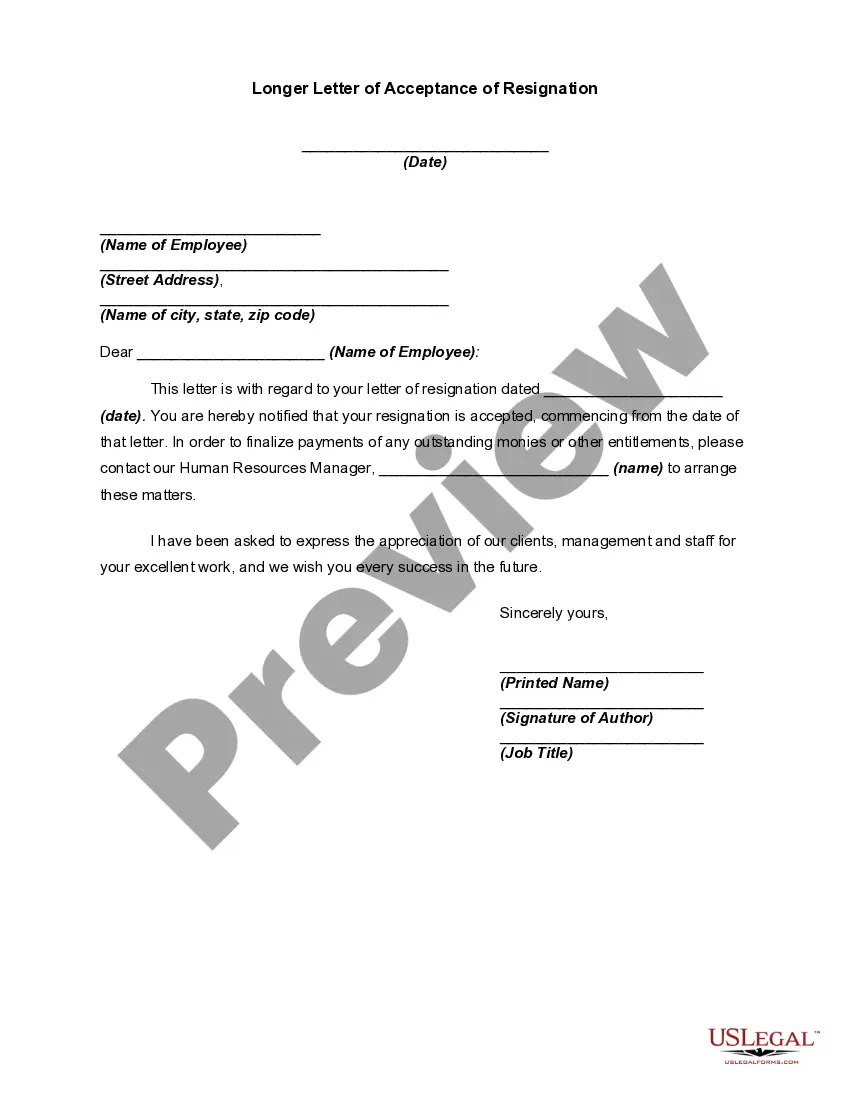

Get your form ready online
Our built-in tools help you complete, sign, share, and store your documents in one place.
Make edits, fill in missing information, and update formatting in US Legal Forms—just like you would in MS Word.
Download a copy, print it, send it by email, or mail it via USPS—whatever works best for your next step.
Sign and collect signatures with our SignNow integration. Send to multiple recipients, set reminders, and more. Go Premium to unlock E-Sign.
If this form requires notarization, complete it online through a secure video call—no need to meet a notary in person or wait for an appointment.
We protect your documents and personal data by following strict security and privacy standards.

Make edits, fill in missing information, and update formatting in US Legal Forms—just like you would in MS Word.

Download a copy, print it, send it by email, or mail it via USPS—whatever works best for your next step.

Sign and collect signatures with our SignNow integration. Send to multiple recipients, set reminders, and more. Go Premium to unlock E-Sign.

If this form requires notarization, complete it online through a secure video call—no need to meet a notary in person or wait for an appointment.

We protect your documents and personal data by following strict security and privacy standards.
Looking for another form?








Form popularity
FAQ
When a court dismisses an action, they can either do so “ with prejudice ” or “ without prejudice .” Dismissal with prejudice means that the plaintiff cannot refile the same claim again in that court.
California law permits most employees to quit their jobs at any time, regardless of the reason for quitting.
Florida supports “at-will” employment, giving employees the right to resign at any time. Hence employers must accept the resignations put in by the employees.
Constructive discharge occurs when an employee resigns because the work environment has become unbearable due to discrimination, harassment, or other retaliation. In such cases, courts treat the resignation as if the employer fired the employee.
How to write a resignation letter due to unfair treatment Speak to the human resources department. Have a meeting with your manager. Decide to write your resignation letter. Use a neutral and civil tone. Include your last working day. Mention the positives. Discuss the next steps.
In California, you can be fired after handing in your 2 weeks notice. While you will not earn your wages, it turns your resignation into a termination. This means you can collect unemployment. If the discharge was in retaliation for you handing in your 2 weeks notice, it can be grounds for a wrongful termination claim.
A case dismissed with prejudice is over and done with, once and for all, and can't be brought back to court. A case dismissed without prejudice means the opposite.
There are two main types of employee resignation: voluntary and involuntary. Voluntary resignation happens when the employee decides to leave the company on their own . Reasons might include finding a new job, career growth opportunities, or personal reasons.
Understand "Dismissal with Prejudice": This means the case is dismissed permanently and cannot be refiled. It's a final judgment on the merits of the case. Identify Your Role: If you're the plaintiff, you can file a voluntary dismissal.

