Resignation Letter With Notice Period In Dallas
Description

Get your form ready online
Our built-in tools help you complete, sign, share, and store your documents in one place.
Make edits, fill in missing information, and update formatting in US Legal Forms—just like you would in MS Word.
Download a copy, print it, send it by email, or mail it via USPS—whatever works best for your next step.
Sign and collect signatures with our SignNow integration. Send to multiple recipients, set reminders, and more. Go Premium to unlock E-Sign.
If this form requires notarization, complete it online through a secure video call—no need to meet a notary in person or wait for an appointment.
We protect your documents and personal data by following strict security and privacy standards.

Make edits, fill in missing information, and update formatting in US Legal Forms—just like you would in MS Word.

Download a copy, print it, send it by email, or mail it via USPS—whatever works best for your next step.

Sign and collect signatures with our SignNow integration. Send to multiple recipients, set reminders, and more. Go Premium to unlock E-Sign.

If this form requires notarization, complete it online through a secure video call—no need to meet a notary in person or wait for an appointment.

We protect your documents and personal data by following strict security and privacy standards.
Looking for another form?








Form popularity
FAQ
At-Will Employment – Texas allows “at-will” employment. This means that employers or employees can terminate employment at any time, provided that it is not done for illegal reasons such as discrimination or retaliation. Resignation Notice – In Texas, employees can resign without giving any advance notice.
At-will employees can quit at any time, due to any circumstance — although two weeks' advance notice is usually the expectation. Employers of at-will staff can terminate the employee for any reason at any time (besides those protected by law).
Unlike contract employment, at-will employees have no contract outlining terms of their employment, including when and how it can be terminated by either the employer or the employee. At-will employees can quit at any time, due to any circumstance — although two weeks' advance notice is usually the expectation.
Here are the steps to resign professionally: Provide a respectable reason. Provide a formal resignation letter. Be prepared for situations that may arise during your resignation. Keep it positive. Resign in person. Give a reasonable amount of notice. Offer to train your replacement. Let your close coworkers know personally.
Q3: Can I refuse to accept an employee's 2 weeks notice and ask them to leave immediately? A3: Yes, employers can ask an employee to leave immediately upon receiving their resignation. However, consider the potential impact on morale and workload and whether you will compensate the employee for the notice period.
While not legally required, quitting without notice can have consequences. It might tarnish your professional reputation, and you might not be eligible for unemployment benefits if you can't demonstrate a valid reason for resigning.
What if I want to leave earlier than I am supposed to? More often than not this is because you have found a new job and you want to start before your notice period expires. If you want to leave before the end of your contractual notice, you can. Your employer could accept your resignation with an early leaving date.
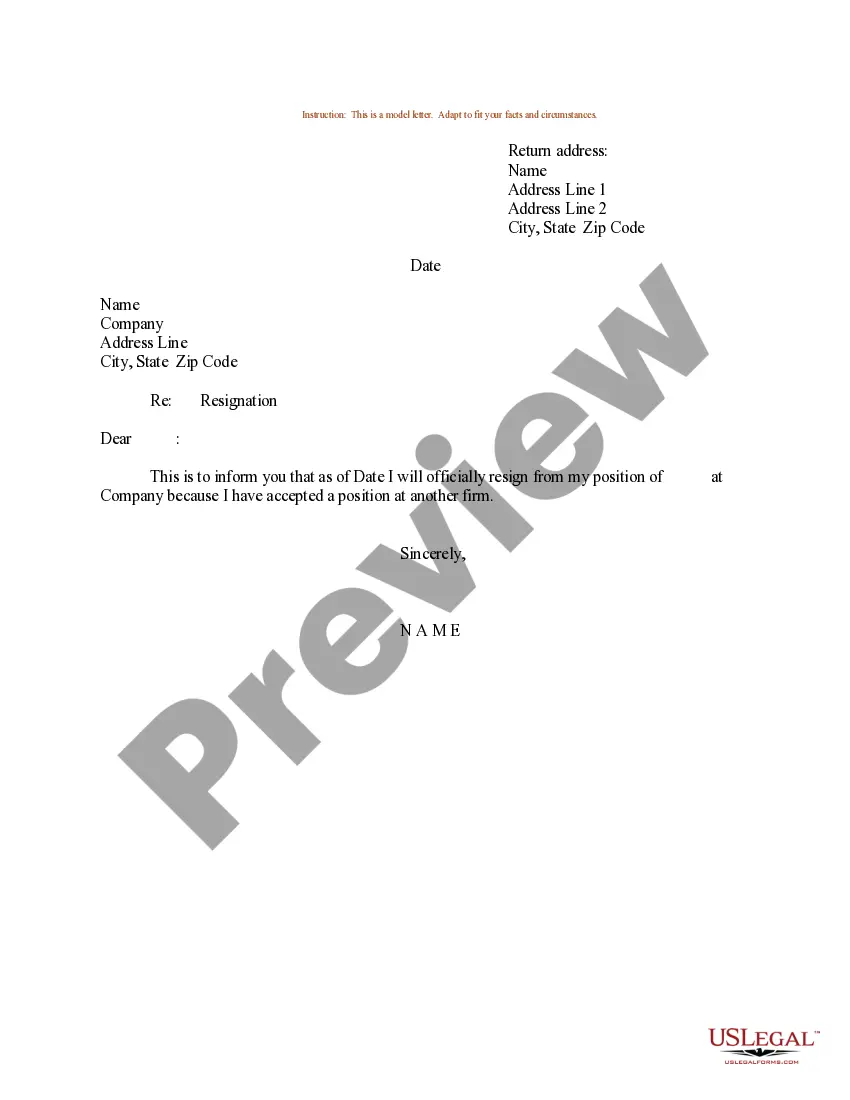
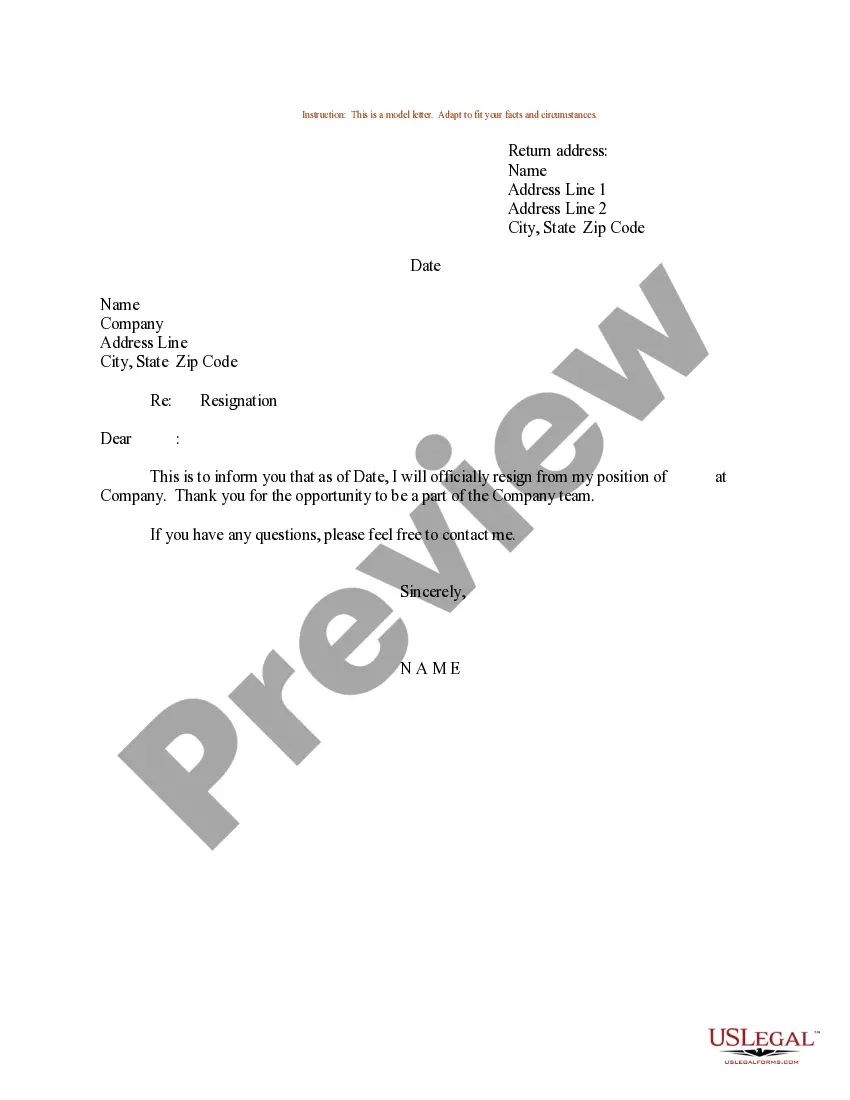
In a resignation letter with notice period, you need to state your name, address, and contact details along with the date and the name, job title, company name, company address of the addressee; the email version of the notice period letter needs you to mark a copy to both the HR and Manager and focus on the template.
Minimum notice periods Period of continuous serviceMinimum notice period 1 year or less 1 week More than 1 year - 3 years 2 weeks More than 3 years - 5 years 3 weeks More than 5 years 4 weeks

