Submission Agreement Sample For Business In Virginia
Description

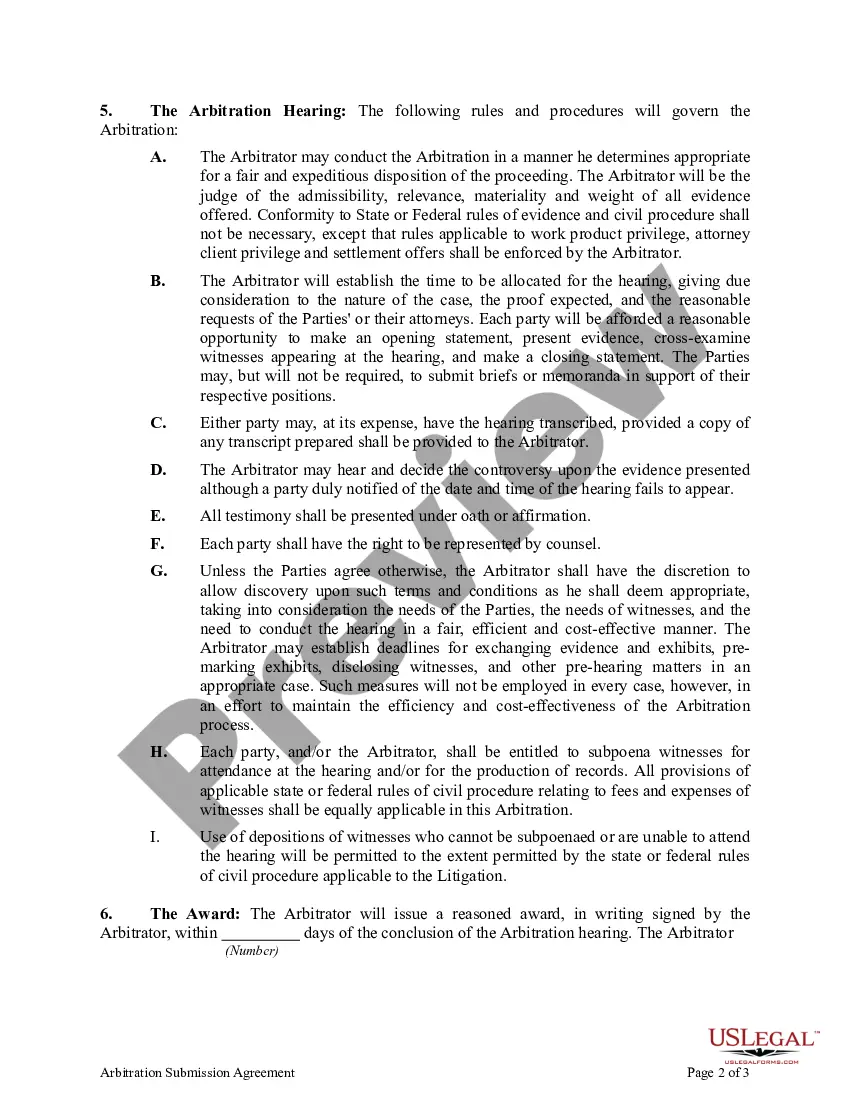
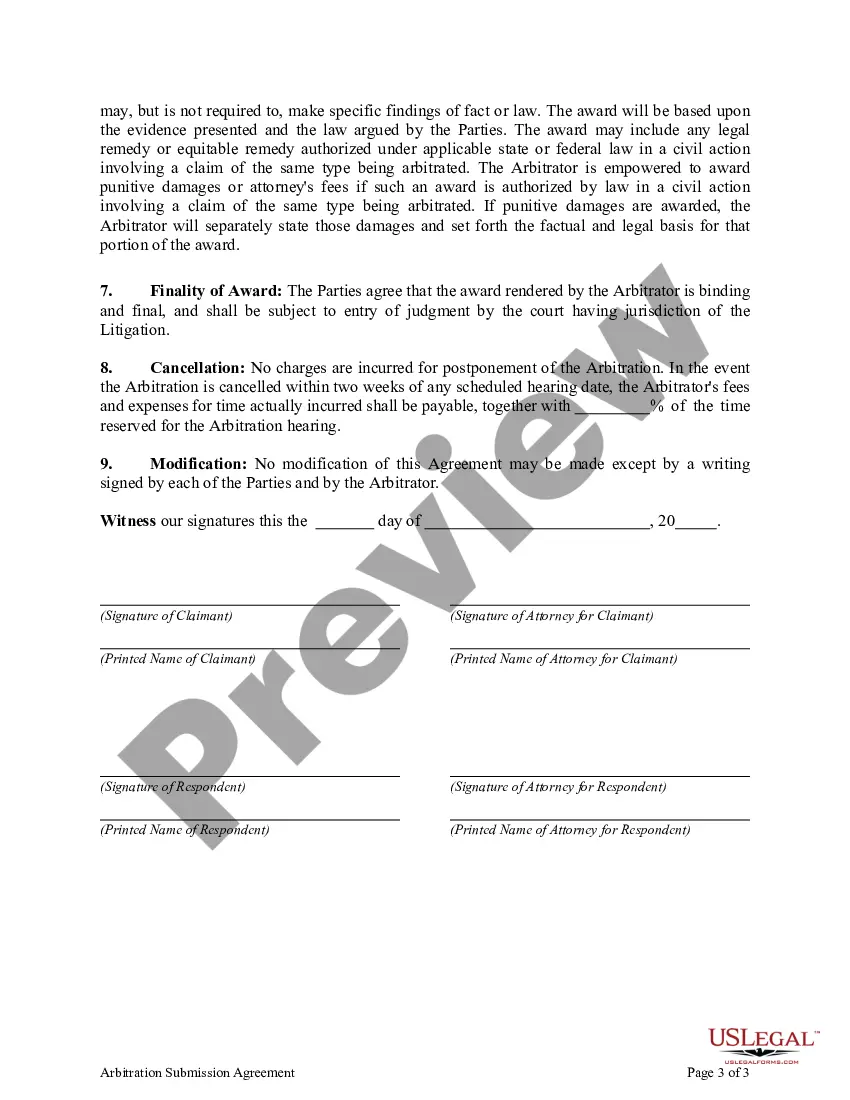

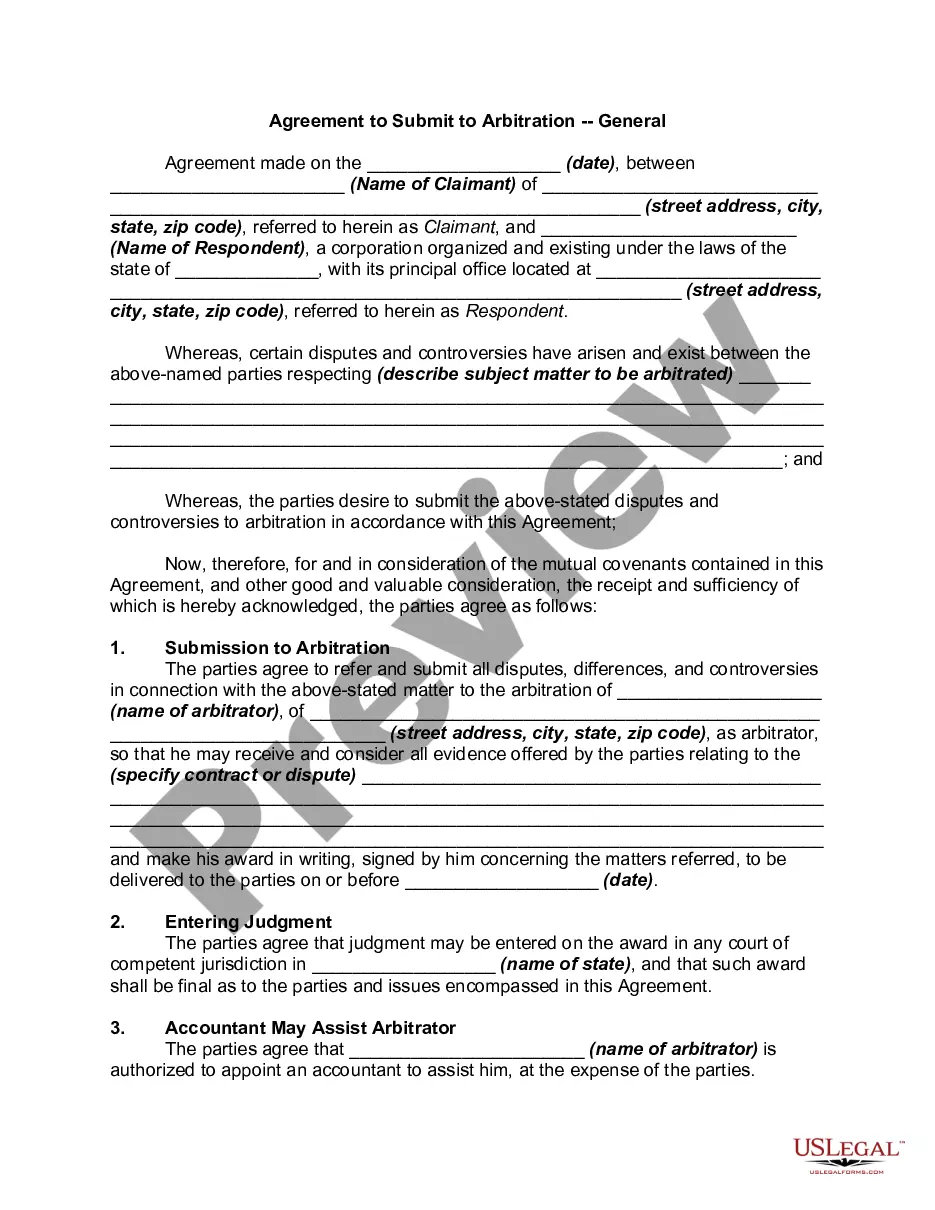

Get your form ready online
Our built-in tools help you complete, sign, share, and store your documents in one place.
Make edits, fill in missing information, and update formatting in US Legal Forms—just like you would in MS Word.
Download a copy, print it, send it by email, or mail it via USPS—whatever works best for your next step.
Sign and collect signatures with our SignNow integration. Send to multiple recipients, set reminders, and more. Go Premium to unlock E-Sign.
If this form requires notarization, complete it online through a secure video call—no need to meet a notary in person or wait for an appointment.
We protect your documents and personal data by following strict security and privacy standards.

Make edits, fill in missing information, and update formatting in US Legal Forms—just like you would in MS Word.

Download a copy, print it, send it by email, or mail it via USPS—whatever works best for your next step.

Sign and collect signatures with our SignNow integration. Send to multiple recipients, set reminders, and more. Go Premium to unlock E-Sign.

If this form requires notarization, complete it online through a secure video call—no need to meet a notary in person or wait for an appointment.

We protect your documents and personal data by following strict security and privacy standards.
Looking for another form?



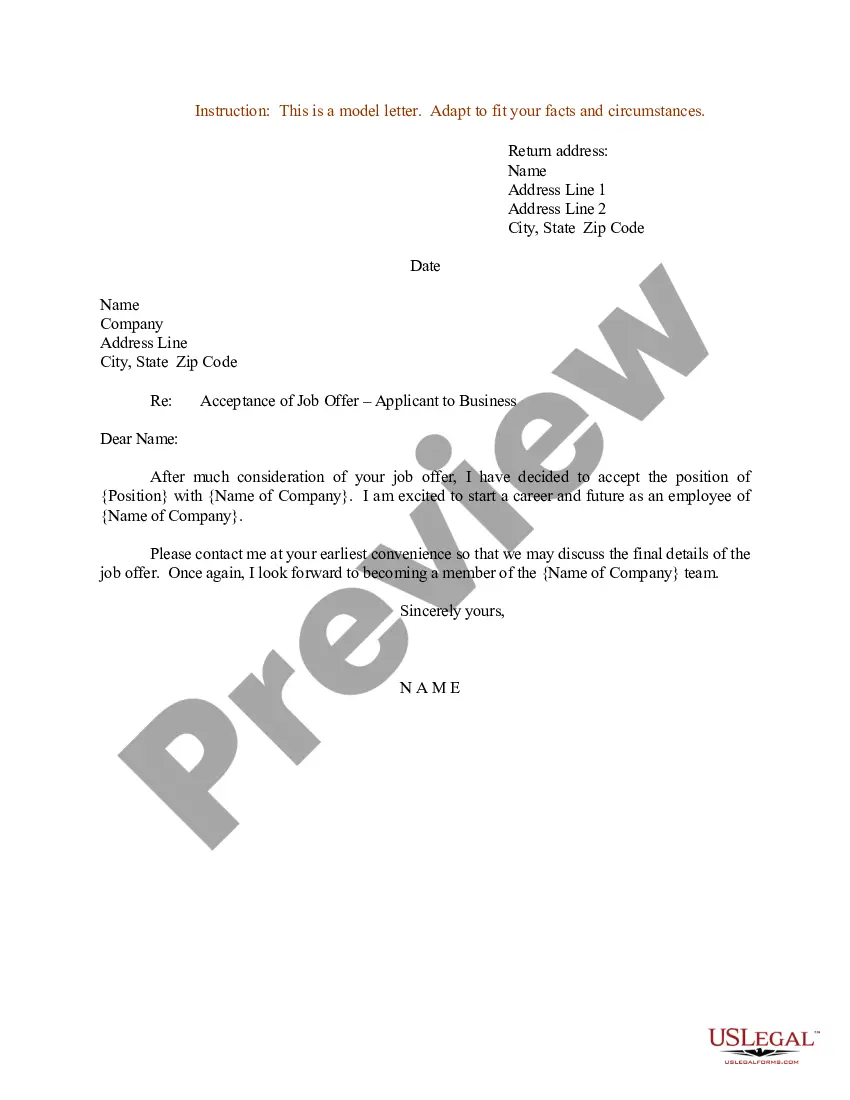



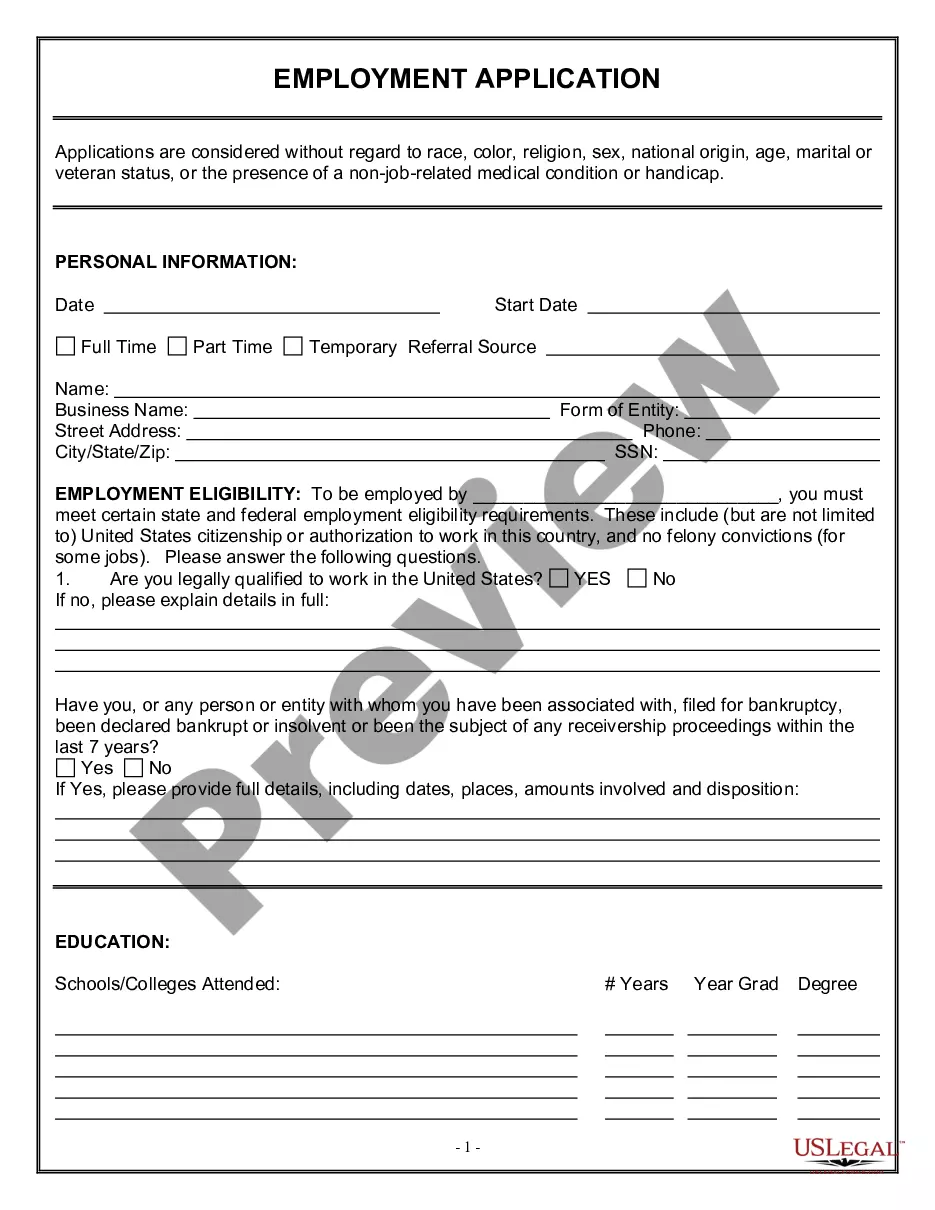
Form popularity
FAQ
Here's how to get started. Name your Virginia LLC. Choose your registered agent. Prepare and file articles of organization. Create an operating agreement. Get an employer identification number and open a business bank account. Register for taxes and Virginia business licenses. Comply with employer obligations.
For general information - please call 804-371-9967 or 1-800-552-7945, or email us at sccinfo@scc.virginia.
While not always legally required, operating agreements play a critical role in the smooth operation, legal protection, and financial clarity of LLCs. Their absence can lead to governance by default state laws, management, and financial disorganization, and increased legal vulnerabilities.
Virginia does not require an operating agreement in order to form an LLC, but executing one is highly advisable.
Common Mistakes to Avoid in Your LLC Operating Agreement Overlooking the Need for an Operating Agreement. Vague or Incomplete Agreements. Failing to Plan for Disputes and Dissolution. Ignoring State-Specific Requirements. Inconsistency with Other Business Documents. Not Updating the Agreement. DIY without Professional Advice.
Is an LLC Operating Agreement required in the state of Virginia? The state of Virginia does not require an LLC Operating Agreement, but it may still be recommended for many LLCs.
For general information - please call 804-371-9967 or 1-800-552-7945, or email us at sccinfo@scc.virginia.
If you're forming—or have formed—an LLC in California, New York, Missouri, Maine, or Delaware, state laws require you to create an LLC Operating Agreement. But no matter what state you're in, it's always a good idea to create a formal agreement between LLC members.
You will need to register it as a trademark with the United States Patent and Trademark Office. The name that you select for your company must be distinctive to receive trademark protection. Common words or phrases that are not inherently distinctive are not offered trademark protection.
Four different ways to register your business name Entity name. An entity name can protect the name of your business at a state level. Trademark. A trademark can protect the name of your business, goods, and services at a national level. Doing business as (DBA) name. Domain name.
