Principle With Law In Maryland
Description
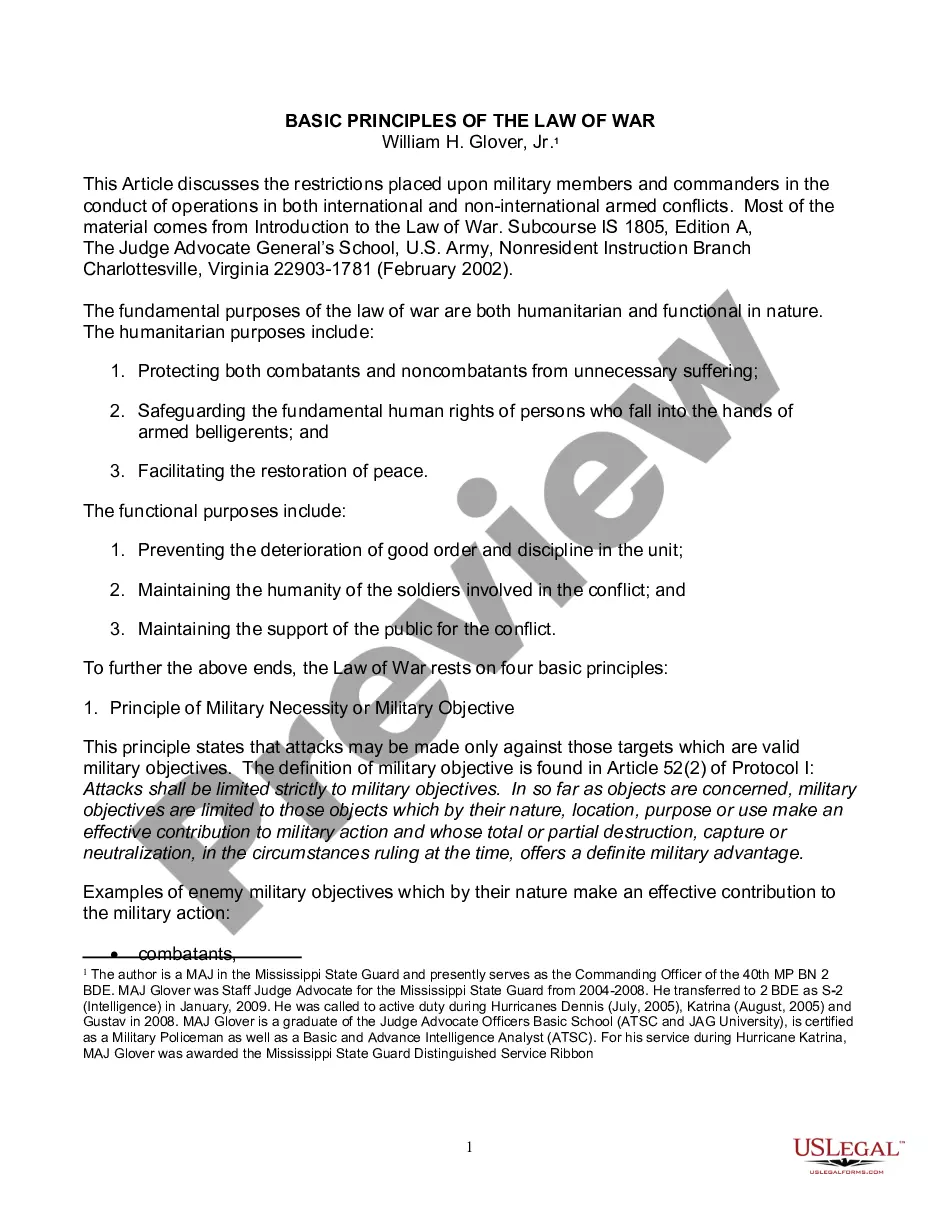

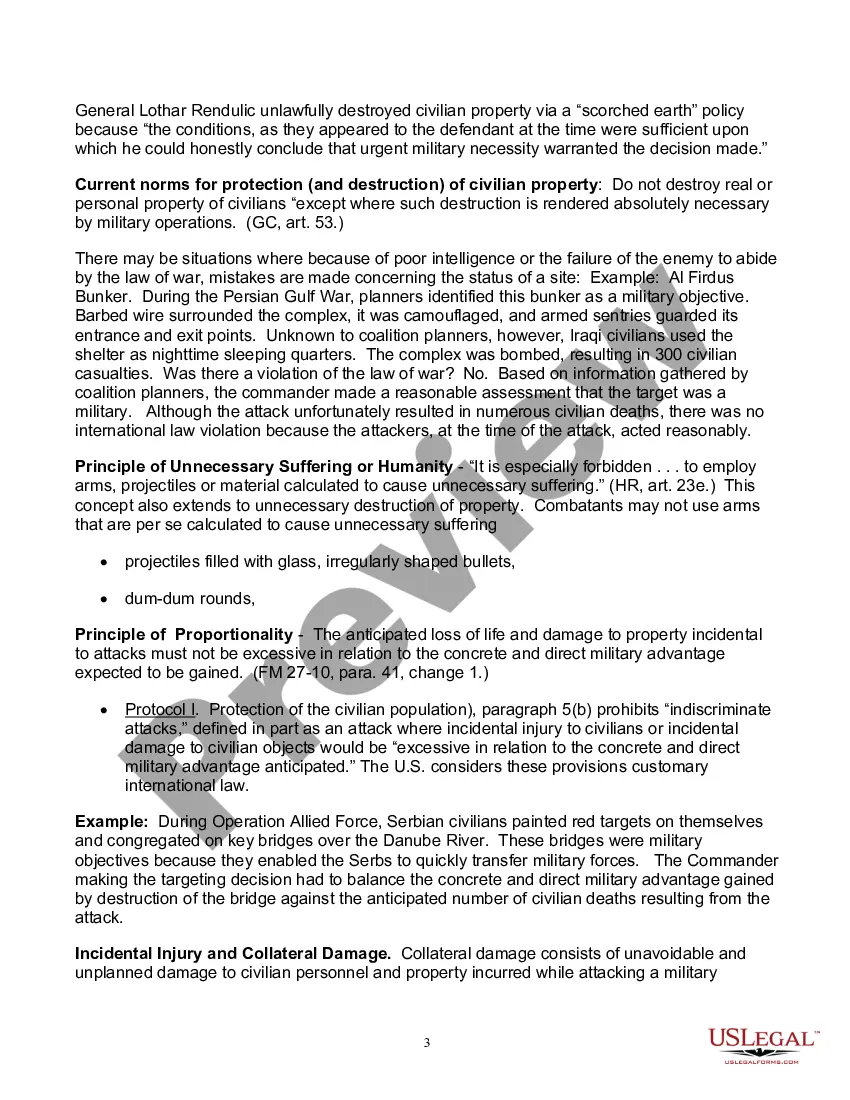
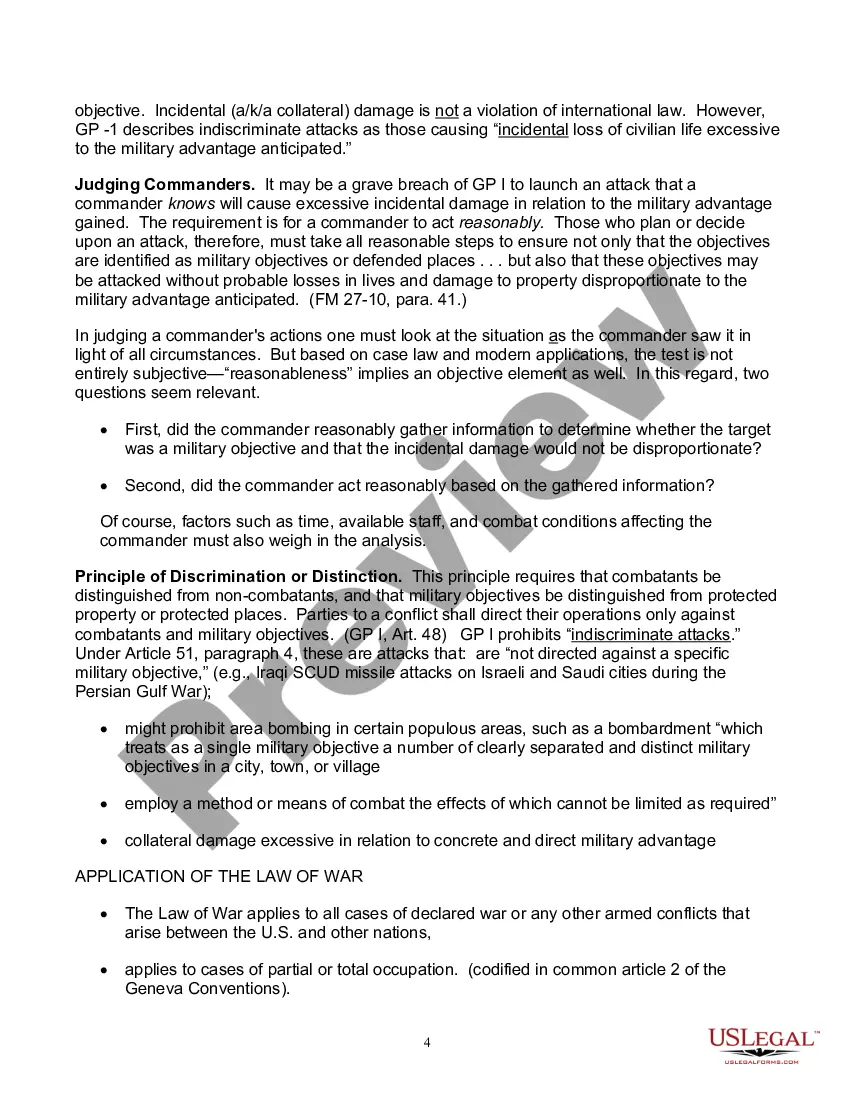
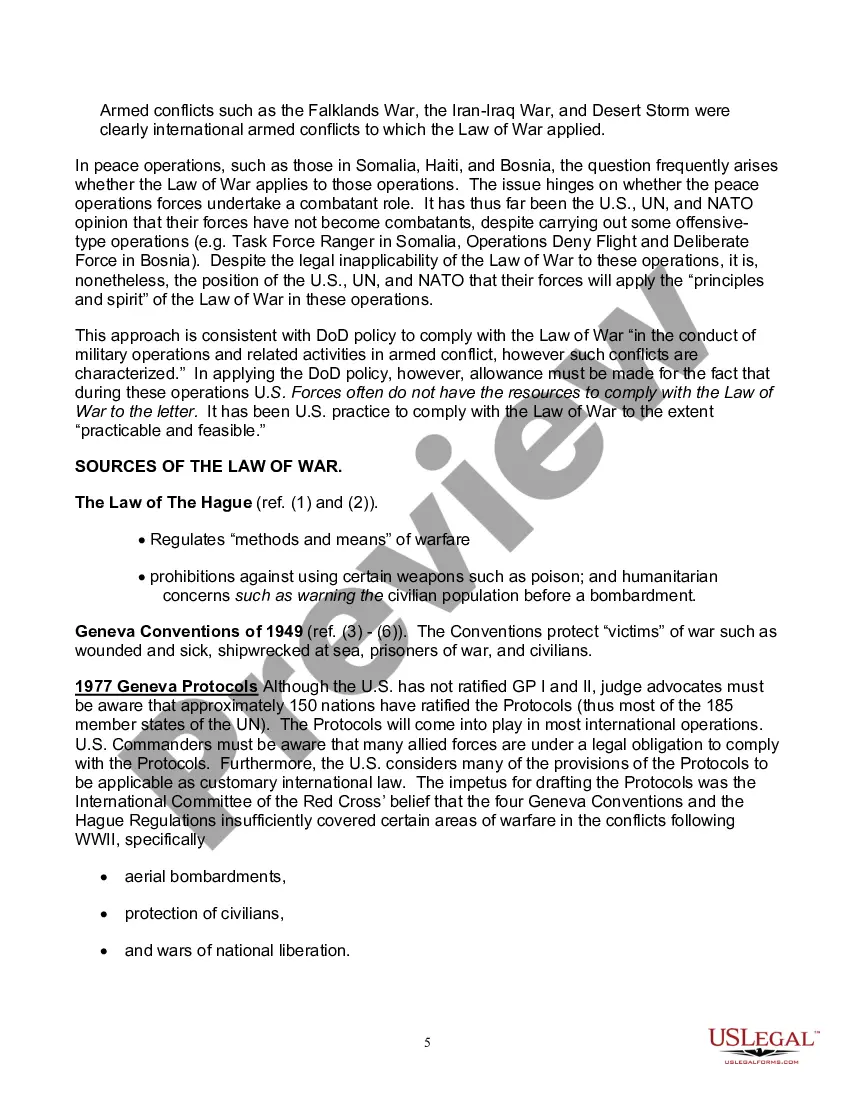



Get your form ready online
Our built-in tools help you complete, sign, share, and store your documents in one place.
Make edits, fill in missing information, and update formatting in US Legal Forms—just like you would in MS Word.
Download a copy, print it, send it by email, or mail it via USPS—whatever works best for your next step.
Sign and collect signatures with our SignNow integration. Send to multiple recipients, set reminders, and more. Go Premium to unlock E-Sign.
If this form requires notarization, complete it online through a secure video call—no need to meet a notary in person or wait for an appointment.
We protect your documents and personal data by following strict security and privacy standards.

Make edits, fill in missing information, and update formatting in US Legal Forms—just like you would in MS Word.

Download a copy, print it, send it by email, or mail it via USPS—whatever works best for your next step.

Sign and collect signatures with our SignNow integration. Send to multiple recipients, set reminders, and more. Go Premium to unlock E-Sign.

If this form requires notarization, complete it online through a secure video call—no need to meet a notary in person or wait for an appointment.

We protect your documents and personal data by following strict security and privacy standards.
Looking for another form?










Form popularity
FAQ
In order to be licensed to practice law in Maryland, an applicant must pass an examination. The two-day general Bar Examination is required of a recent law school graduate and an attorney who does not meet the standards for admission pursuant to Bar Admission Rule 13, Out-of-State Attorneys.
How a bill becomes a law A bill is introduced and presented by a legislator. The bill is examined and heard by the committee members. If the committee supports the bill, it goes to the floor of the chamber of origin for a vote. After debate, a vote is taken and the bill is either passed or defeated.
Written Document: POA documents must be in writing, detailing granted powers. Signatures: The principal's signature must be notarized, and Maryland requires at least two adult witness signatures.
How to get the power of attorney for your elderly parent Select their power of attorney. Decide which powers they wish to grant. Determine if the finances and health care decisions will be split or decided by a single power of attorney. Fill out a legal power of attorney form. Sign the form in front of a notary public.
Creating one is often as simple as filling out a form and signing it in the presence of witnesses or even a notary public. You can use this financial power of attorney form to give someone the authority to handle your financial affairs on your behalf and check out other estate planning documents.
Steps for Making a Financial Power of Attorney in Maryland Create the POA Using a Statutory Form, Software, or Attorney. Sign the POA in the Presence of a Notary Public and Witnesses. Store the Original POA in a Safe Place. Give a Copy to Your Agent or Attorney-in-Fact. File a Copy With the Circuit Court Clerk's Office.
How a bill becomes a law A bill is introduced and presented by a legislator. The bill is examined and heard by the committee members. If the committee supports the bill, it goes to the floor of the chamber of origin for a vote. After debate, a vote is taken and the bill is either passed or defeated.
Steps Step 1: The bill is drafted. Step 2: The bill is introduced. Step 3: The bill goes to committee. Step 4: Subcommittee review of the bill. Step 5: Committee mark up of the bill. Step 6: Voting by the full chamber on the bill. Step 7: Referral of the bill to the other chamber. Step 8: The bill goes to the president.
How a Bill Becomes a Law STEP 1: The Creation of a Bill. Members of the House or Senate draft, sponsor and introduce bills for consideration by Congress. STEP 2: Committee Action. STEP 3: Floor Action. STEP 4: Vote. STEP 5: Conference Committees. STEP 6: Presidential Action. STEP 7: The Creation of a Law.
How to become a lawyer in Maryland Finish your undergraduate degree. Gain some professional experience. Take the law school admission test (LSAT) ... Apply for law schools. Complete law school. Pass the Maryland State Bar Exam. Pursue certification in a legal specialty. Apply for positions related to your specialty.
