Principle For Legal In Harris
Description
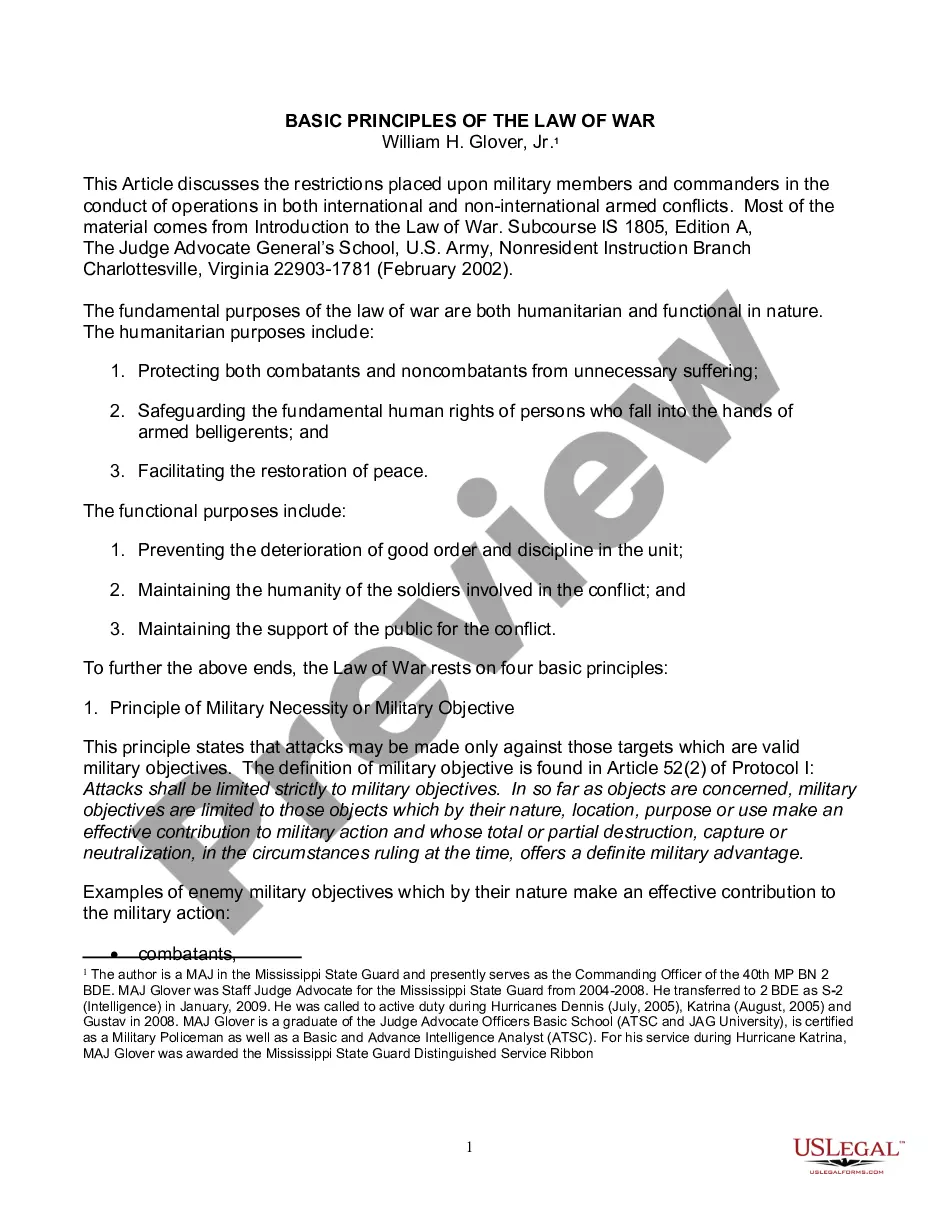

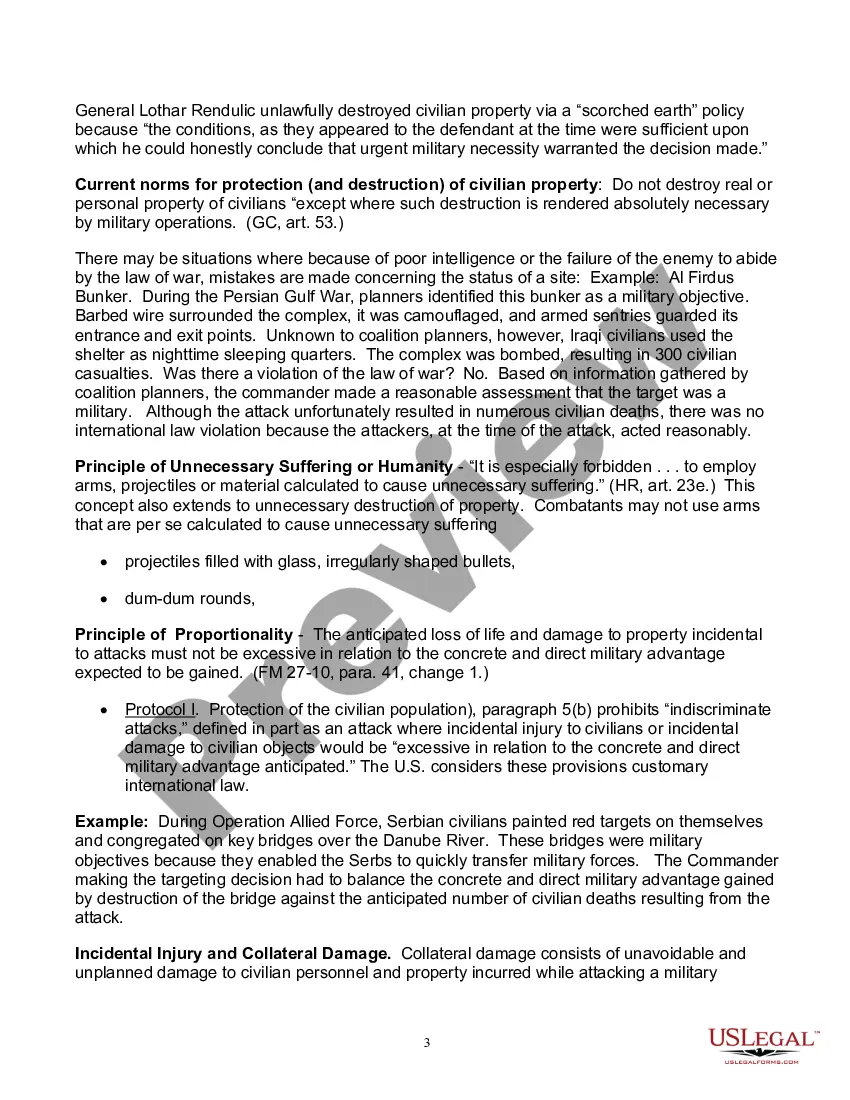
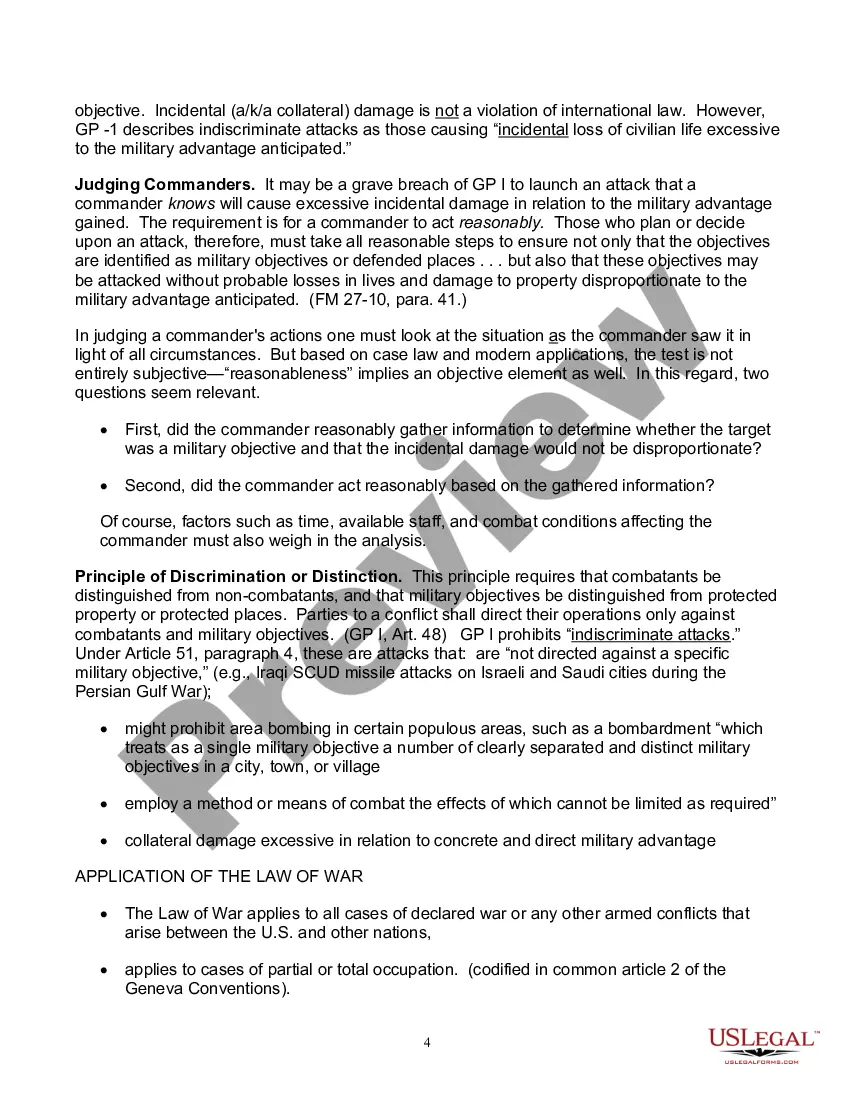

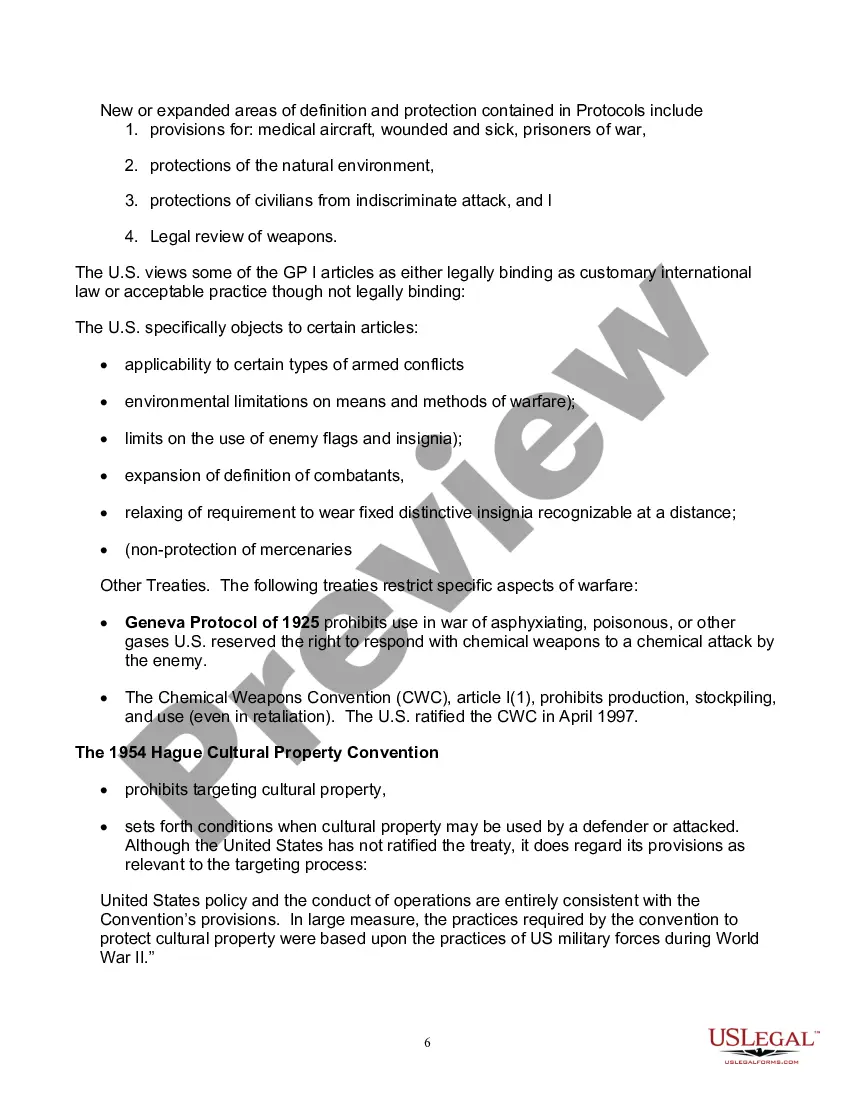

Get your form ready online
Our built-in tools help you complete, sign, share, and store your documents in one place.
Make edits, fill in missing information, and update formatting in US Legal Forms—just like you would in MS Word.
Download a copy, print it, send it by email, or mail it via USPS—whatever works best for your next step.
Sign and collect signatures with our SignNow integration. Send to multiple recipients, set reminders, and more. Go Premium to unlock E-Sign.
If this form requires notarization, complete it online through a secure video call—no need to meet a notary in person or wait for an appointment.
We protect your documents and personal data by following strict security and privacy standards.

Make edits, fill in missing information, and update formatting in US Legal Forms—just like you would in MS Word.

Download a copy, print it, send it by email, or mail it via USPS—whatever works best for your next step.

Sign and collect signatures with our SignNow integration. Send to multiple recipients, set reminders, and more. Go Premium to unlock E-Sign.

If this form requires notarization, complete it online through a secure video call—no need to meet a notary in person or wait for an appointment.

We protect your documents and personal data by following strict security and privacy standards.
Looking for another form?







Form popularity
FAQ
In civil cases, the first stage is the filing of a petition by a plaintiff, which states the legal basis for the lawsuit. A petition sets out the petitioner's version of the facts. The defendant then receives a copy of it and a notice to appear in court. In legal terms, petitions are similar to complaints.
As a general rule, a suit in Justice Court must be brought in the county and in the Justice of the Peace precinct in which the defendant resides; in the county and Justice of the Peace precinct where the incident that gave rise to the claim occurred; the county and Justice of the Peace precinct where the contract, if ...
In Harris County, you can file your pro se petition and waiver in-person at the Harris County Civil Intake Office located on the first floor of the Civil Courthouse located at 201 Caroline Street. Civil intake office hours are 8 AM - PM Monday to Friday.
Releases of Liens can be filed in person or by mail in the Real Property Department.
A county civil court at law may hear civil matters with an amount in controversy of up to $250,000 and has jurisdiction in appeals of civil cases from justice courts in Harris County.
In some circumstances, you file a petition or a motion. The court has several complaint forms that you may use in drafting your complaint. The forms are available online and at the Pro Se Intake Unit. You may also write your own complaint without using a court form.
Rule 106 - Method of Service (a) Unless the citation or court order otherwise directs, the citation must be served by: (1) delivering to the defendant, in person, a copy of the citation, showing the delivery date, and of the petition; or (2) mailing to the defendant by registered or certified mail, return receipt ...
