Consultant Work Contract For Union Members In Bronx
Description

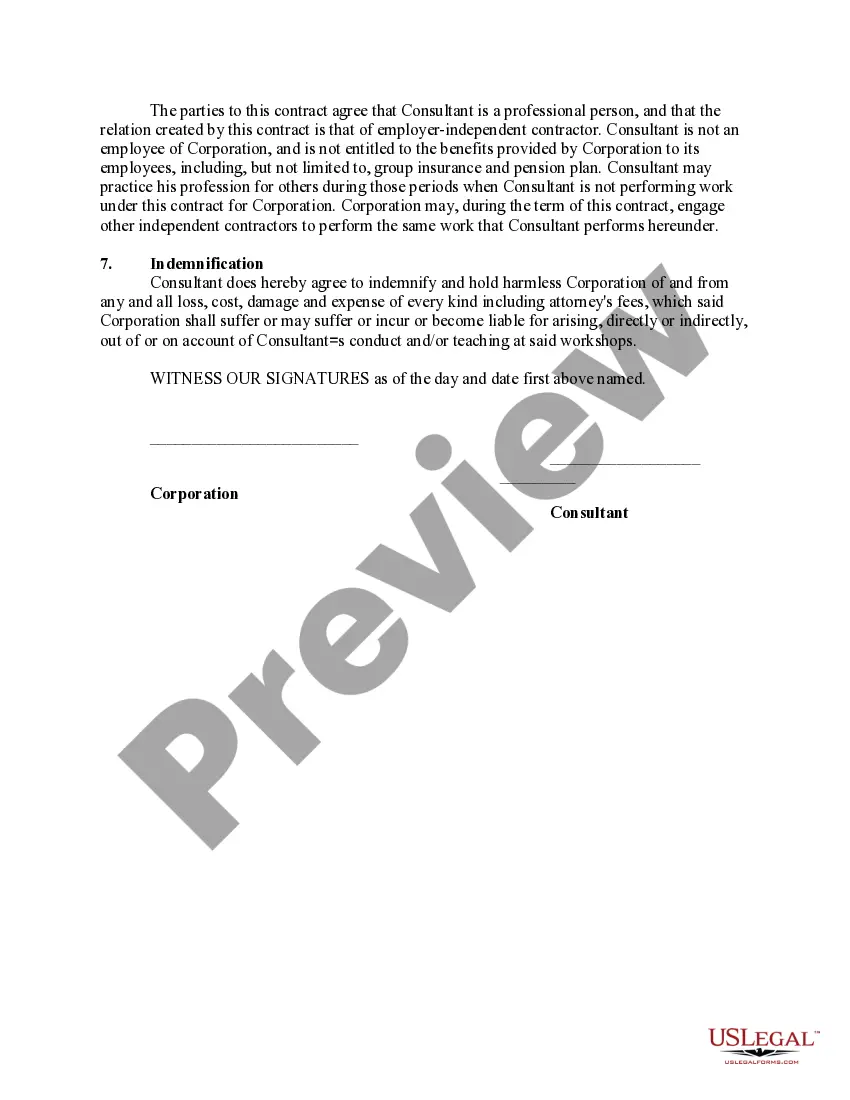
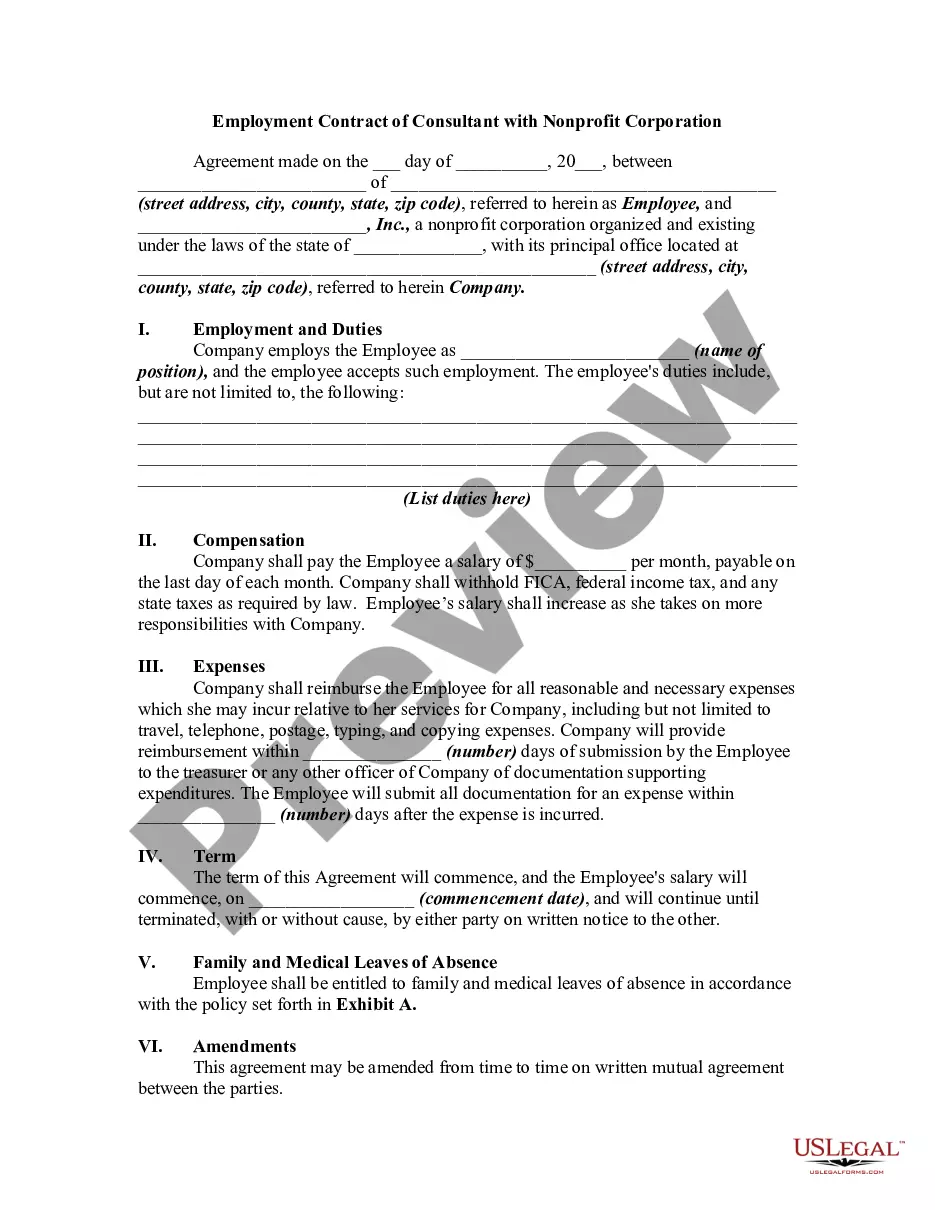
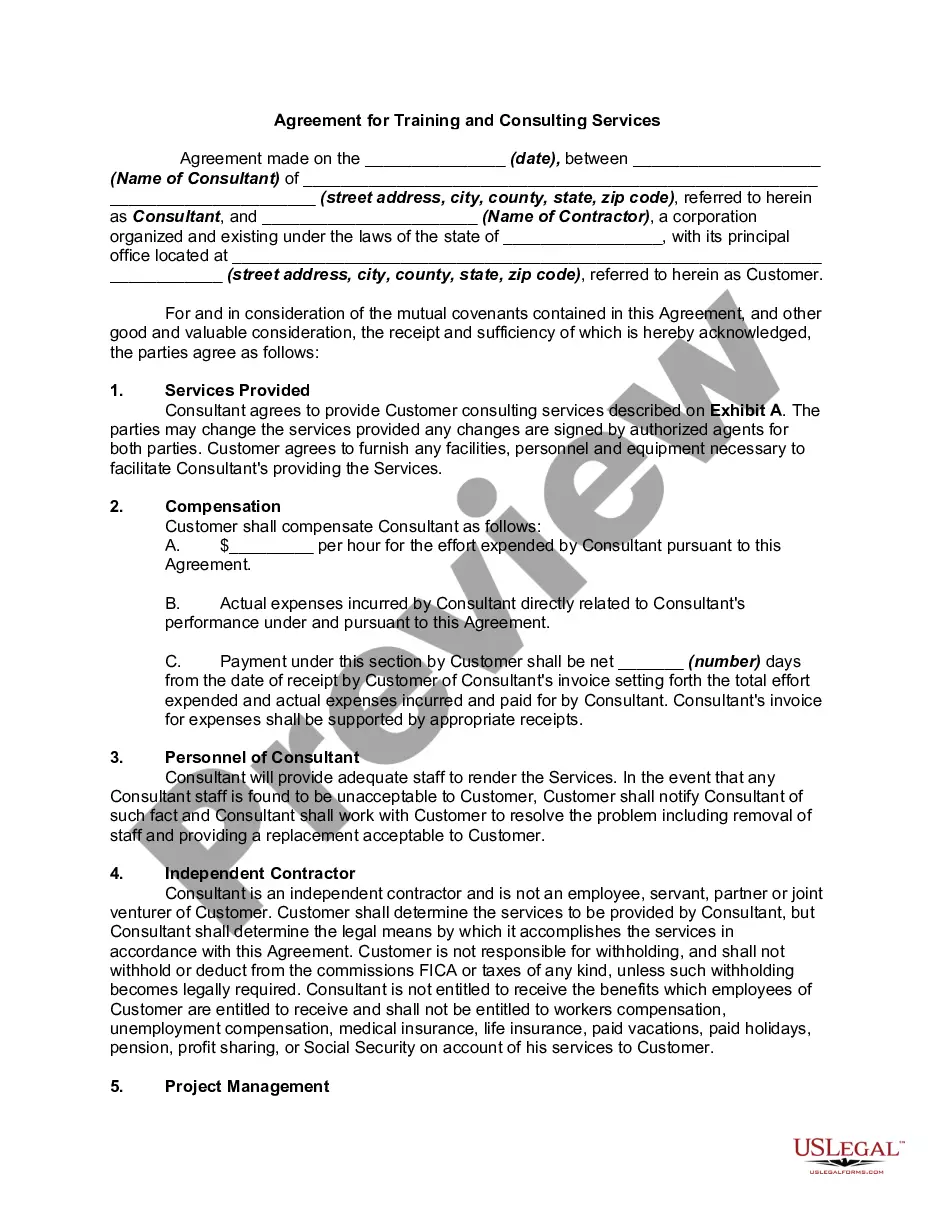
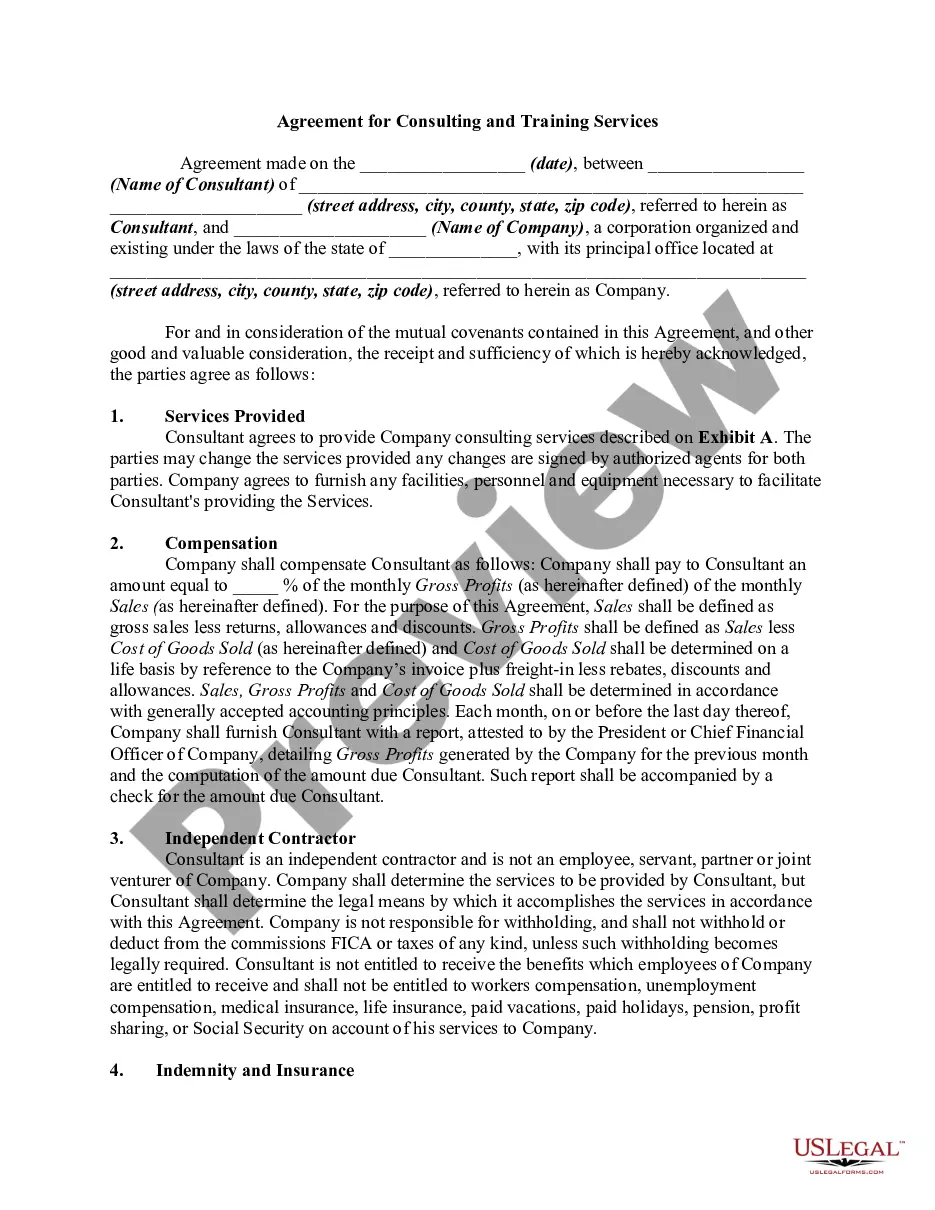
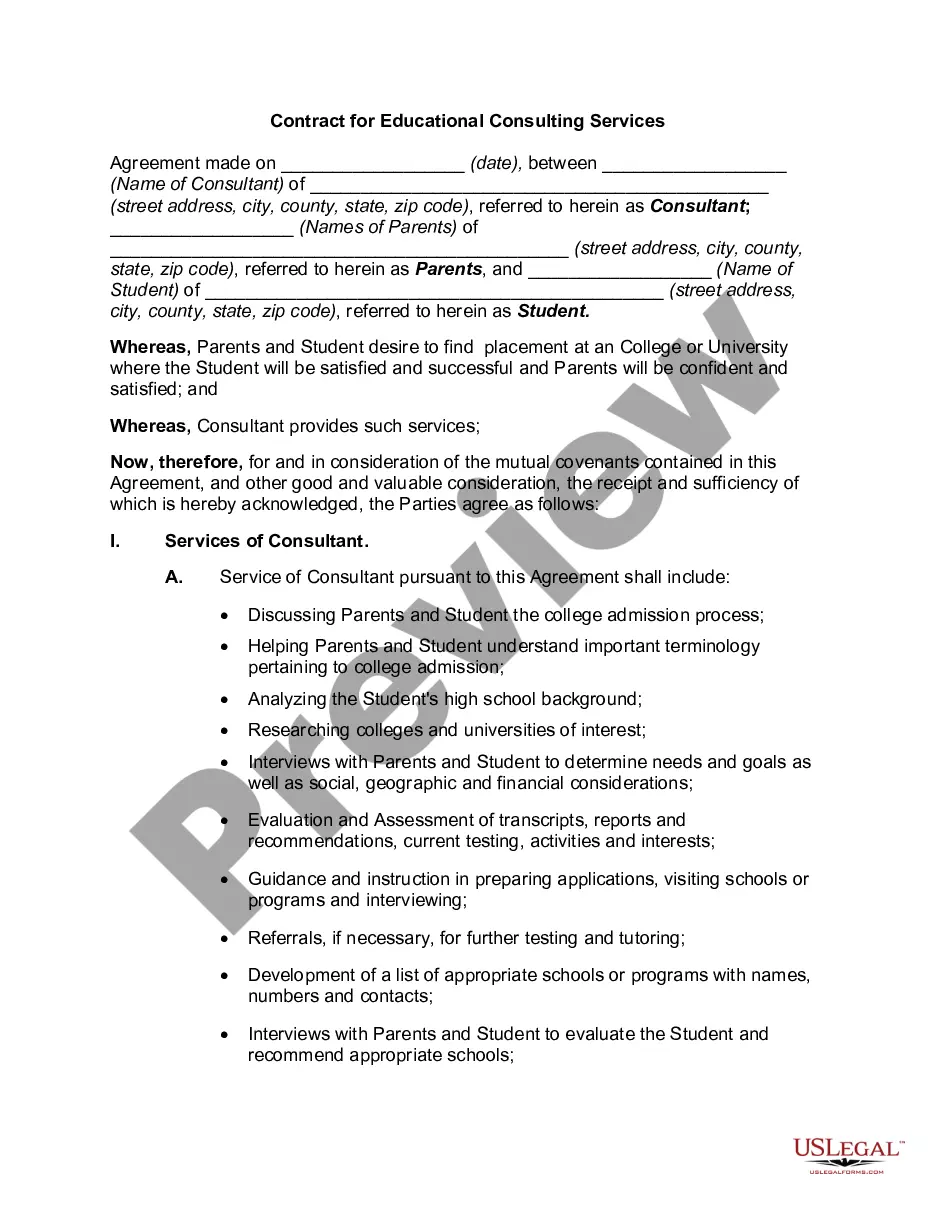
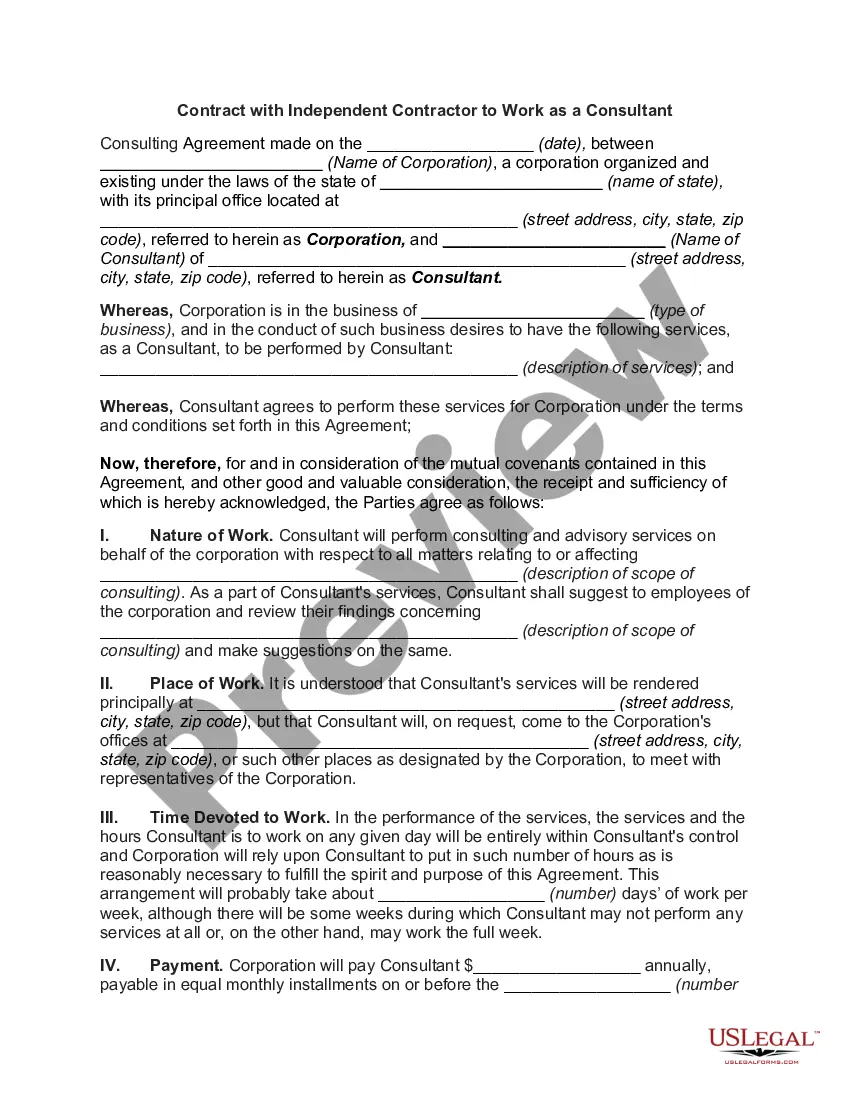
Get your form ready online
Our built-in tools help you complete, sign, share, and store your documents in one place.
Make edits, fill in missing information, and update formatting in US Legal Forms—just like you would in MS Word.
Download a copy, print it, send it by email, or mail it via USPS—whatever works best for your next step.
Sign and collect signatures with our SignNow integration. Send to multiple recipients, set reminders, and more. Go Premium to unlock E-Sign.
If this form requires notarization, complete it online through a secure video call—no need to meet a notary in person or wait for an appointment.
We protect your documents and personal data by following strict security and privacy standards.

Make edits, fill in missing information, and update formatting in US Legal Forms—just like you would in MS Word.

Download a copy, print it, send it by email, or mail it via USPS—whatever works best for your next step.

Sign and collect signatures with our SignNow integration. Send to multiple recipients, set reminders, and more. Go Premium to unlock E-Sign.

If this form requires notarization, complete it online through a secure video call—no need to meet a notary in person or wait for an appointment.

We protect your documents and personal data by following strict security and privacy standards.
Looking for another form?




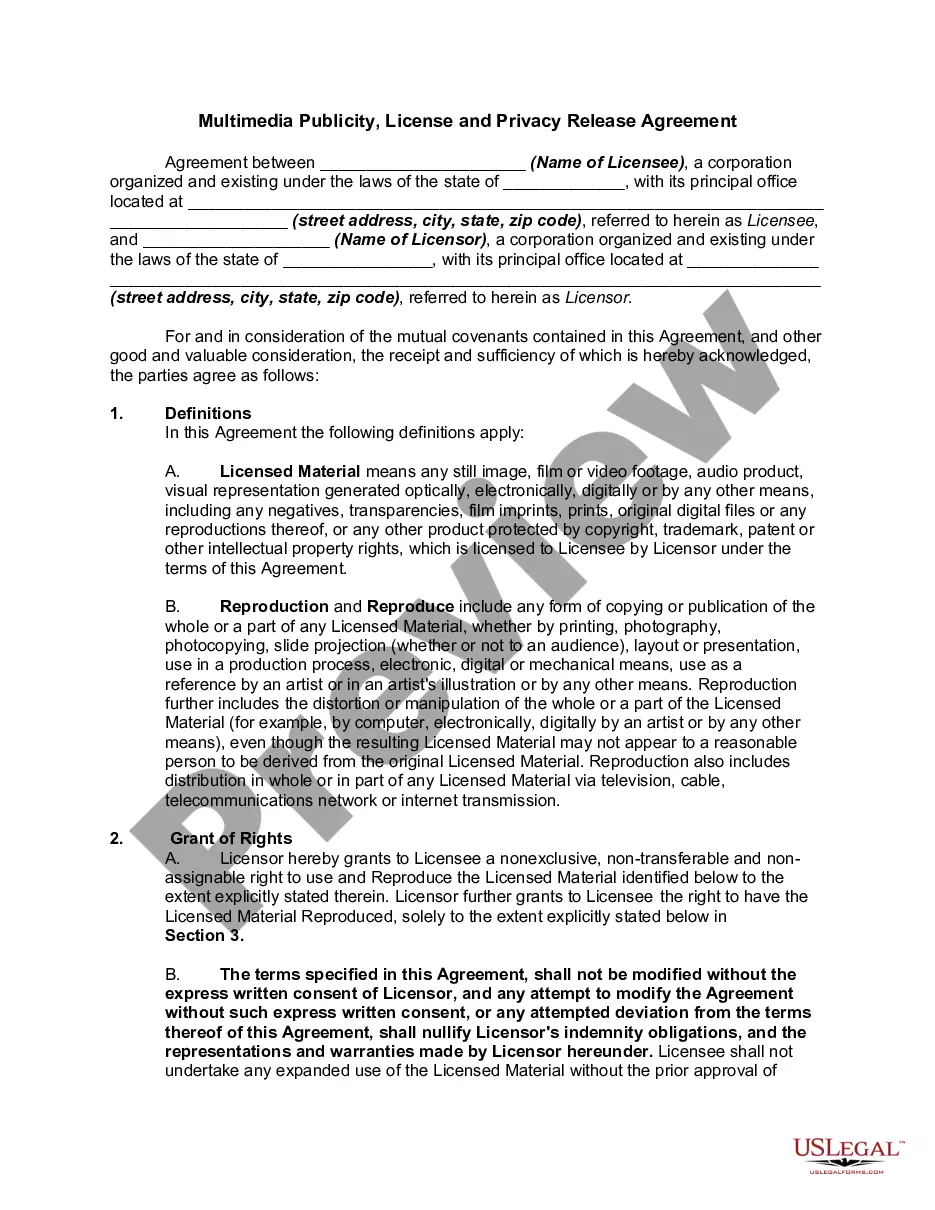





Form popularity
FAQ
A contract generally includes information about the rights and responsibilities of the parties involved, the expectations between those parties, payment arrangements, how many parties are involved, and more. These details are essential if you want to maximize efficiency and profit.
A collective bargaining agreement (CBA), also known as a union contract, is a written legal contract between an employer and a union representing employees. This agreement results from an extensive negotiation process covering essential topics such as wages, work hours and employment conditions.
A collective bargaining agreement (CBA), also known as a union contract, is a written legal contract between an employer and a union representing employees. This agreement results from an extensive negotiation process covering essential topics such as wages, work hours and employment conditions.
Generally, union contracts last anywhere from two to five years — around when the contract ends, you and your employer come together to bargain over updates and changes to your existing contract through the same bargaining process we do when we make a first contract.
A collective bargaining agreement (CBA), also known as a union contract, is a written legal contract between an employer and a union representing employees. This agreement results from an extensive negotiation process covering essential topics such as wages, work hours and employment conditions.
Yes. New York is an 'at-will' employment State. Without a contract restricting termination, generally an employer has the right to discharge an employee at any time for any, or no, reason, providing it is not an act of illegal retaliation or discrimination (see below).
A union is an organization formed by workers who join together and use their strength to have a voice in their workplace. Through their union, workers have the ability to negotiate from a position of strength with employers over wages, benefits, workplace health and safety, job training and other work-related issues.
A collective bargaining agreement (CBA), also known as a union contract, is a written legal contract between an employer and a union representing employees. This agreement results from an extensive negotiation process covering essential topics such as wages, work hours and employment conditions.
Local contracts empower you to work on your terms—be it a 13-week contract followed by a 3-week break or 6 months of contracts followed by 6 months off. This type of gig work allows you to craft a career that works for you, not vice versa.
