Principle With Law In Georgia
Description
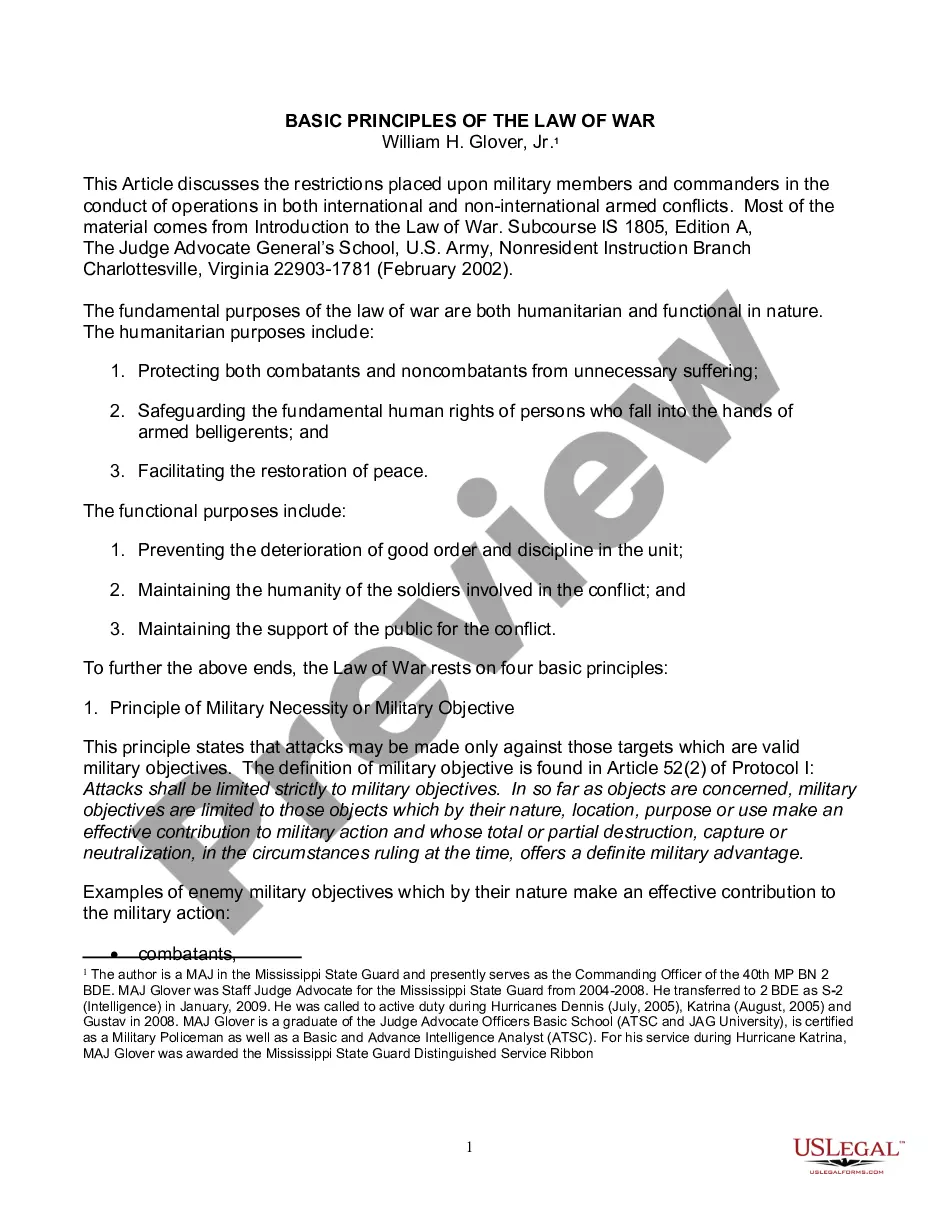
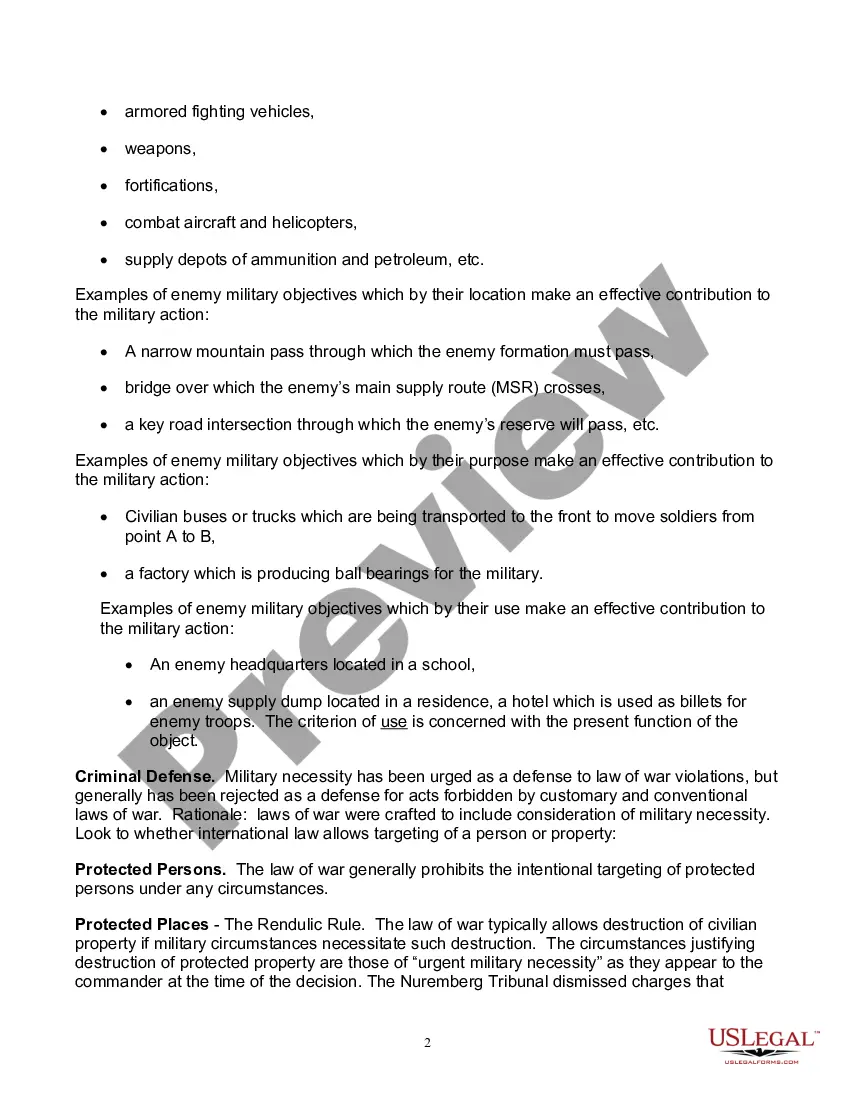
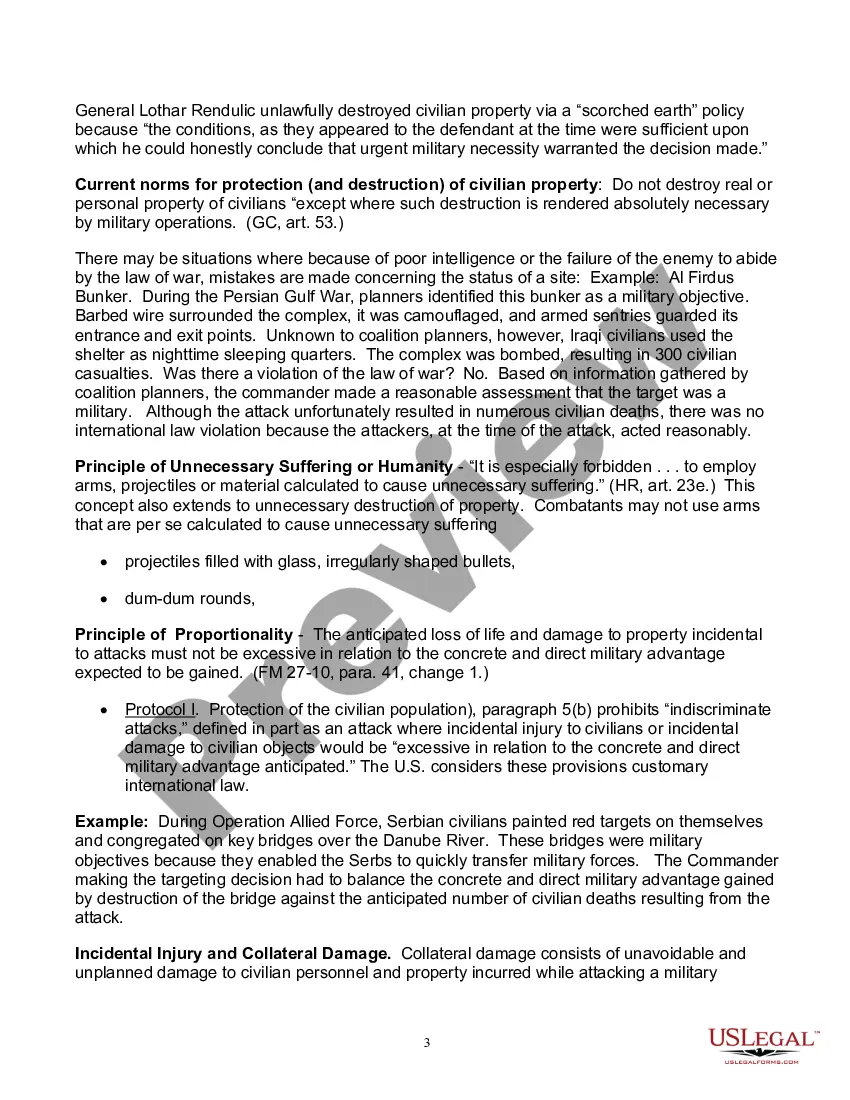
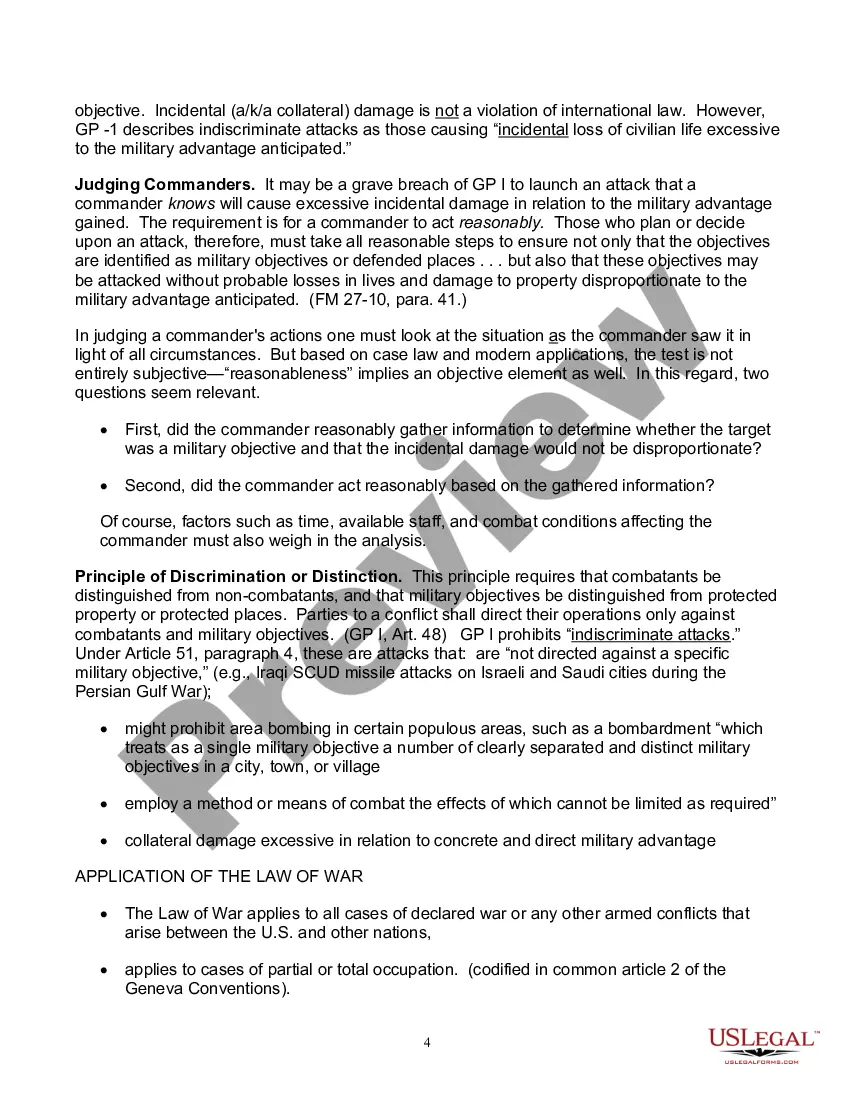

Get your form ready online
Our built-in tools help you complete, sign, share, and store your documents in one place.
Make edits, fill in missing information, and update formatting in US Legal Forms—just like you would in MS Word.
Download a copy, print it, send it by email, or mail it via USPS—whatever works best for your next step.
Sign and collect signatures with our SignNow integration. Send to multiple recipients, set reminders, and more. Go Premium to unlock E-Sign.
If this form requires notarization, complete it online through a secure video call—no need to meet a notary in person or wait for an appointment.
We protect your documents and personal data by following strict security and privacy standards.

Make edits, fill in missing information, and update formatting in US Legal Forms—just like you would in MS Word.

Download a copy, print it, send it by email, or mail it via USPS—whatever works best for your next step.

Sign and collect signatures with our SignNow integration. Send to multiple recipients, set reminders, and more. Go Premium to unlock E-Sign.

If this form requires notarization, complete it online through a secure video call—no need to meet a notary in person or wait for an appointment.

We protect your documents and personal data by following strict security and privacy standards.
Looking for another form?









Form popularity
FAQ
(a) A lawyer shall not reveal information relating to the representation of a client unless the client gives informed consent, the disclosure is impliedly authorized in order to carry out the representation or the disclosure is permitted by paragraph (b).
Explanation: To be admitted to the Georgia Court of Appeals, an attorney must meet two specific criteria. Option C is correct, which is: Admission to the State Bar of Georgia and good moral character.
The best evidence rule holds that when a party wishes to prove the contents of a writing, that is, what the writing says, the party must produce that writing or give an accounting for why the writing cannot be produced. O.C.G.A. § 24-5-4(a); O.C.G.A. §§ 24-10-1002- 24-10-1004.
In representing a client, a lawyer shall not communicate about the subject of the representation with a person the lawyer knows to be represented by another lawyer in the matter, unless the lawyer has the consent of the other lawyer or is authorized to do so by law or a court order.
O.C.G.A. § 9-11-41 states that an “action may be dismissed by the plaintiff, without order or permission of court… by filing a written notice of dismissal at any time before the first witness is sworn.” However, filing a “second notice of dismissal operates as an adjudication upon the merits.”
Does a POA Have to Be Filed With the Court in Georgia? POAs do not need to be filed in court. POAs should be notarized, witnessed by two adults, and kept in a secure location by the principal unless there is an urgent need to exercise them. However, it does not need to be included in public records.
While the duty of confidentiality allows disclosure in certain situations, such as when disclosure is necessary to abide by a court order, the privilege, if it applies to a communication, prevents court compulsion. Each doctrine has it exceptions and nuances different from those of the other doctrine.
Rule 1.6 applies not merely to matters communicated in confidence by the client but also to all information gained in the professional relationship, whatever its source. A lawyer may not disclose such information except as authorized or required by the Georgia Rules of Professional Conduct or other law.
(b) Any action or other proceeding filed in any of the courts of this state in which no written order is taken for a period of five years shall automatically stand dismissed with costs to be taxed against the party plaintiff.
Tice of Law. (a) A lawyer shall not practice law in a jurisdiction in violation of the regulation of the legal profession in that jurisdiction, or assist another in doing so. (b) A lawyer who is not admitted to practice in this jurisdiction.
