Training Contract For 2025 In Virginia
Description

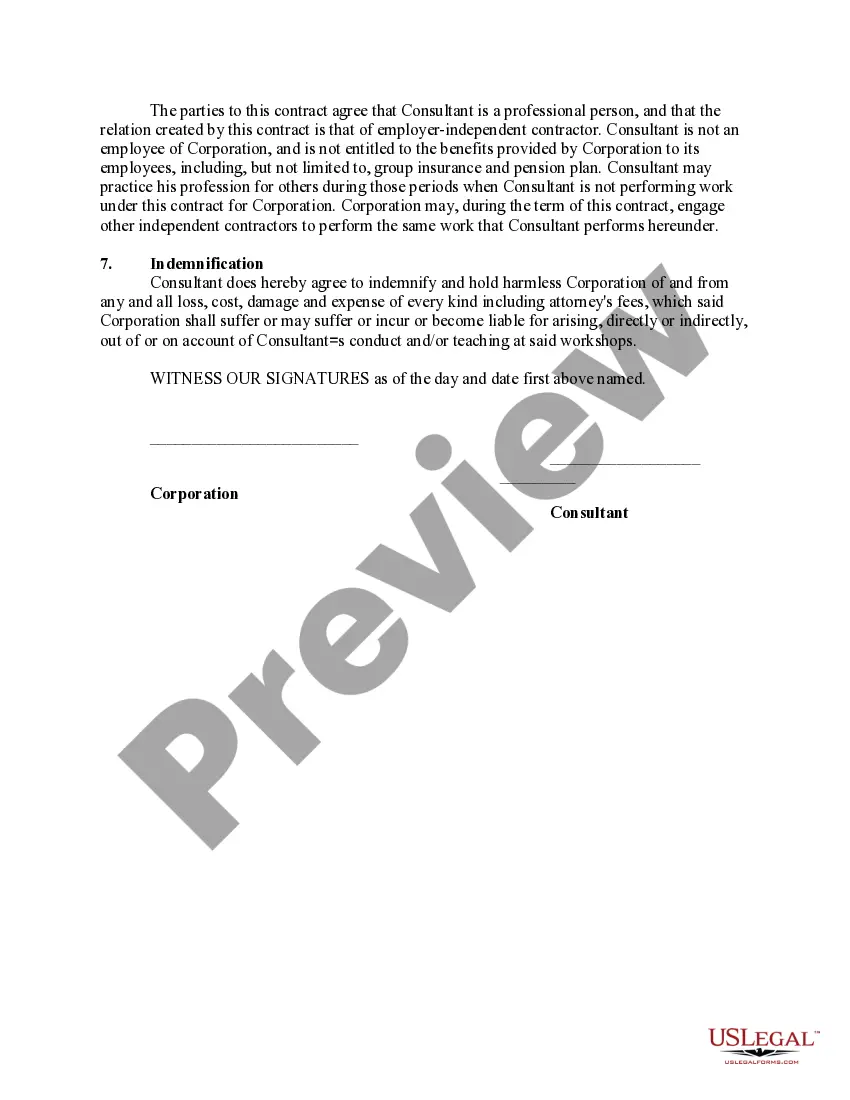
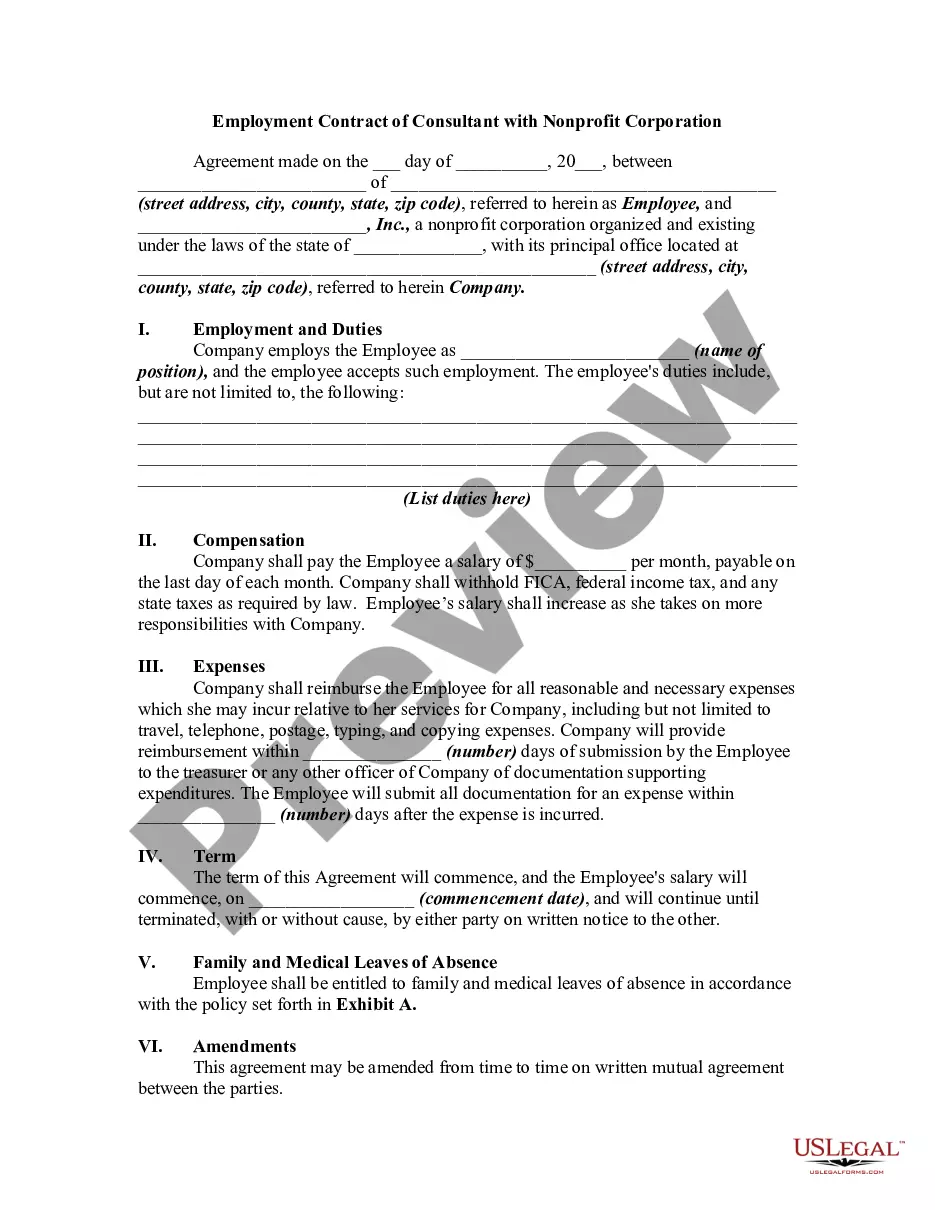
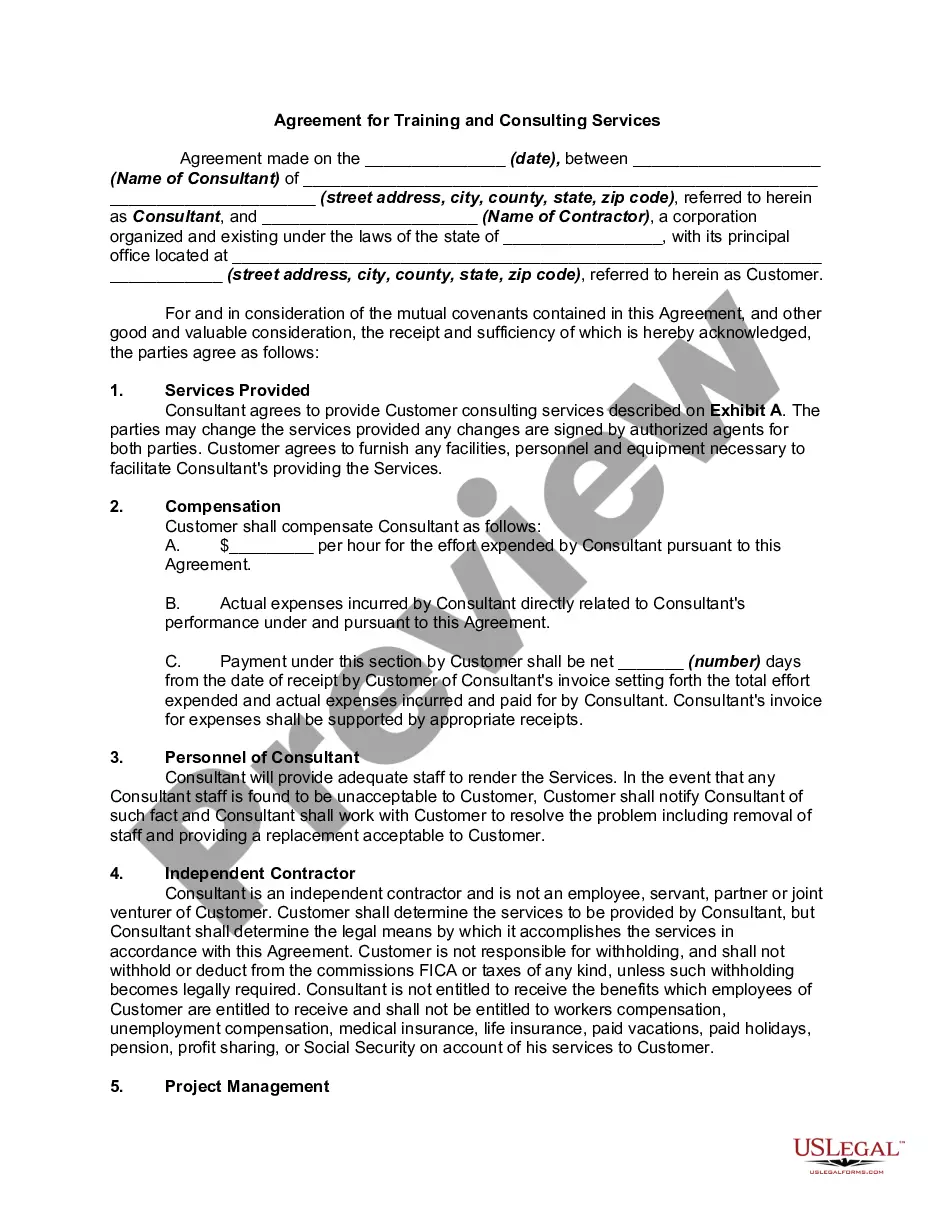
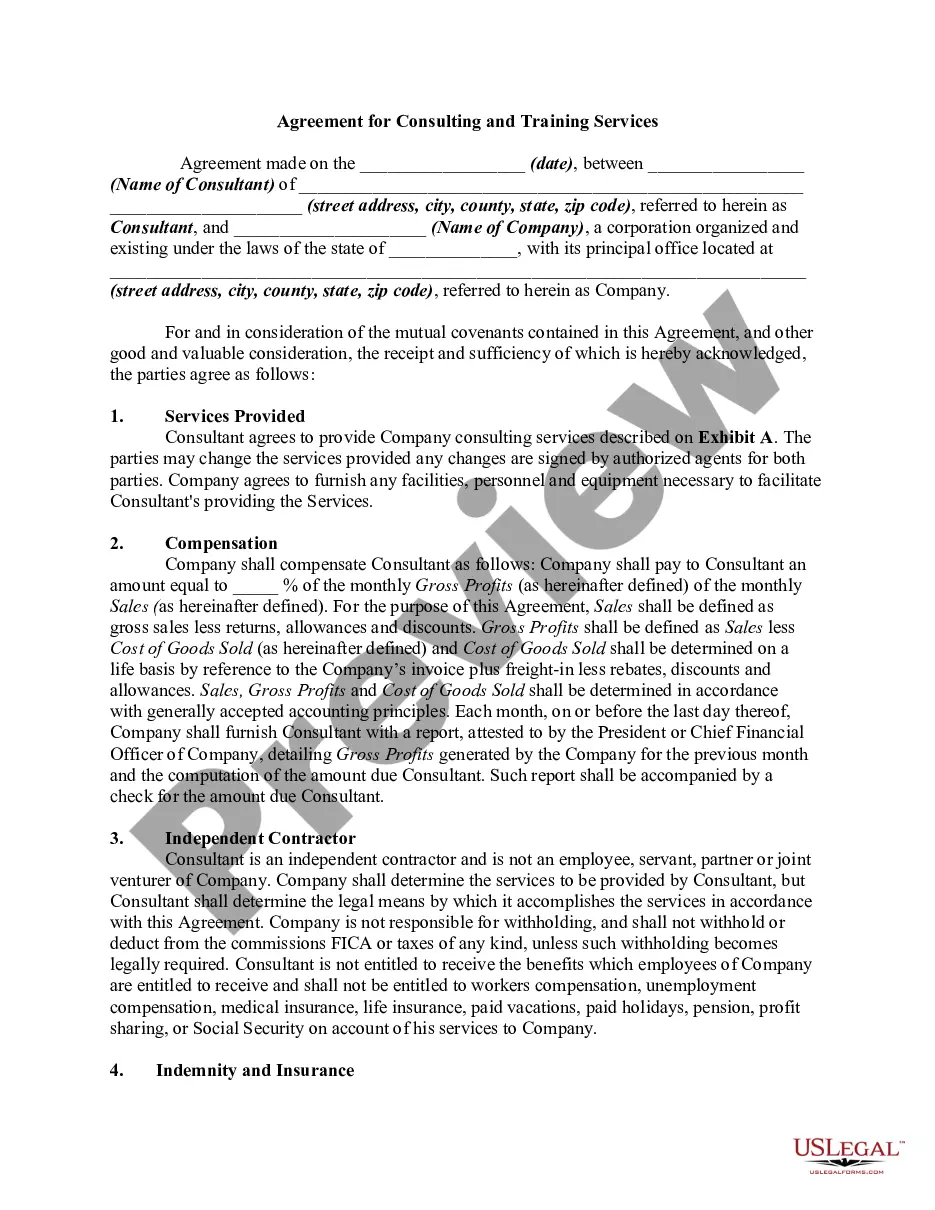
Get your form ready online
Our built-in tools help you complete, sign, share, and store your documents in one place.
Make edits, fill in missing information, and update formatting in US Legal Forms—just like you would in MS Word.
Download a copy, print it, send it by email, or mail it via USPS—whatever works best for your next step.
Sign and collect signatures with our SignNow integration. Send to multiple recipients, set reminders, and more. Go Premium to unlock E-Sign.
If this form requires notarization, complete it online through a secure video call—no need to meet a notary in person or wait for an appointment.
We protect your documents and personal data by following strict security and privacy standards.

Make edits, fill in missing information, and update formatting in US Legal Forms—just like you would in MS Word.

Download a copy, print it, send it by email, or mail it via USPS—whatever works best for your next step.

Sign and collect signatures with our SignNow integration. Send to multiple recipients, set reminders, and more. Go Premium to unlock E-Sign.

If this form requires notarization, complete it online through a secure video call—no need to meet a notary in person or wait for an appointment.

We protect your documents and personal data by following strict security and privacy standards.
Looking for another form?








Form popularity
FAQ
Earn an Associate's degree or diploma certificate from a two-year HVAC program at a technical college or trade school and two years of work experience. Accrue four years of work experience and 240 hours of formal vocational training. Accumulate 10 years of verified practical experience in the trade.
Tuition. NCCER HVAC: Level 1 with Core - In-State: $1,625 | Out-of-State: $4,875.
DPOR issues state credentials—licenses, certificates or registrations—to those qualified to practice in regulated professions. We protect the public by verifying minimum competency, investigating complaints, and upholding professional compliance with state law and regulations.
You can use any edition of references and Code books as they become available. However, for Code questions, the examination will be based only on the edition of the Code book that is listed. NOTE: All examinations are open book. You must bring your own references as they are not provided at the test site.
Individuals looking to quickly enter the HVAC field, change careers, or enhance their current HVAC skills should consider enrolling in a 15-week HVAC certification program. It's ideal for those seeking a fast track to certification without compromising the quality of their education.
North American Technician Excellence (NATE) Certification NATE certification is highly respected in the HVAC industry, indicating excellence and proficiency in specific areas of HVAC systems.
What are the requirements to getting a license? Pass the Master HVAC exam (pre-approval is required) 1 year of practical experience as a licensed VA Journeyman HVAC Tradesman OR. 10 years' experience in the trade.
In Virginia I must have a contractor's license to do any jobs valuing $1,000 or more.
Class A and B license applicants must submit a financial statement form, CPA review/audit, and a Surety Bond form. (Class A requires $45,000 net worth/equity, Class B requires $15,000 net worth/equity.) Complete the pre-license education course approved by the Board of Contractors.
A Class A contractor performs on projects $120,000 or more, or more than $750,000 over 12 months. Class B is for projects over $10,000 (but less than $120,000) or more than $150,000 over 12 months. Class C contractors license is for projects over $1,000 (less than $10,000).
