Contract Law Force Majeure In Wayne
Description



Get your form ready online
Our built-in tools help you complete, sign, share, and store your documents in one place.
Make edits, fill in missing information, and update formatting in US Legal Forms—just like you would in MS Word.
Download a copy, print it, send it by email, or mail it via USPS—whatever works best for your next step.
Sign and collect signatures with our SignNow integration. Send to multiple recipients, set reminders, and more. Go Premium to unlock E-Sign.
If this form requires notarization, complete it online through a secure video call—no need to meet a notary in person or wait for an appointment.
We protect your documents and personal data by following strict security and privacy standards.

Make edits, fill in missing information, and update formatting in US Legal Forms—just like you would in MS Word.

Download a copy, print it, send it by email, or mail it via USPS—whatever works best for your next step.

Sign and collect signatures with our SignNow integration. Send to multiple recipients, set reminders, and more. Go Premium to unlock E-Sign.

If this form requires notarization, complete it online through a secure video call—no need to meet a notary in person or wait for an appointment.

We protect your documents and personal data by following strict security and privacy standards.
Looking for another form?





Form popularity
FAQ
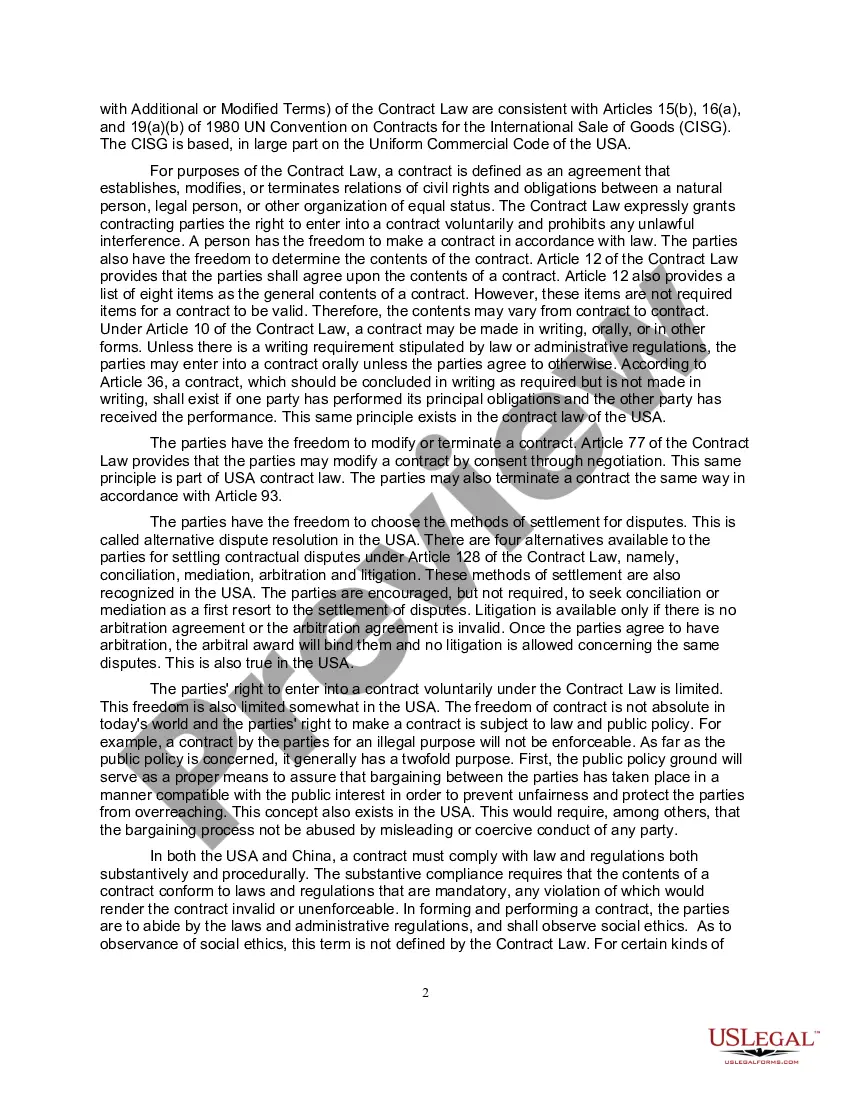
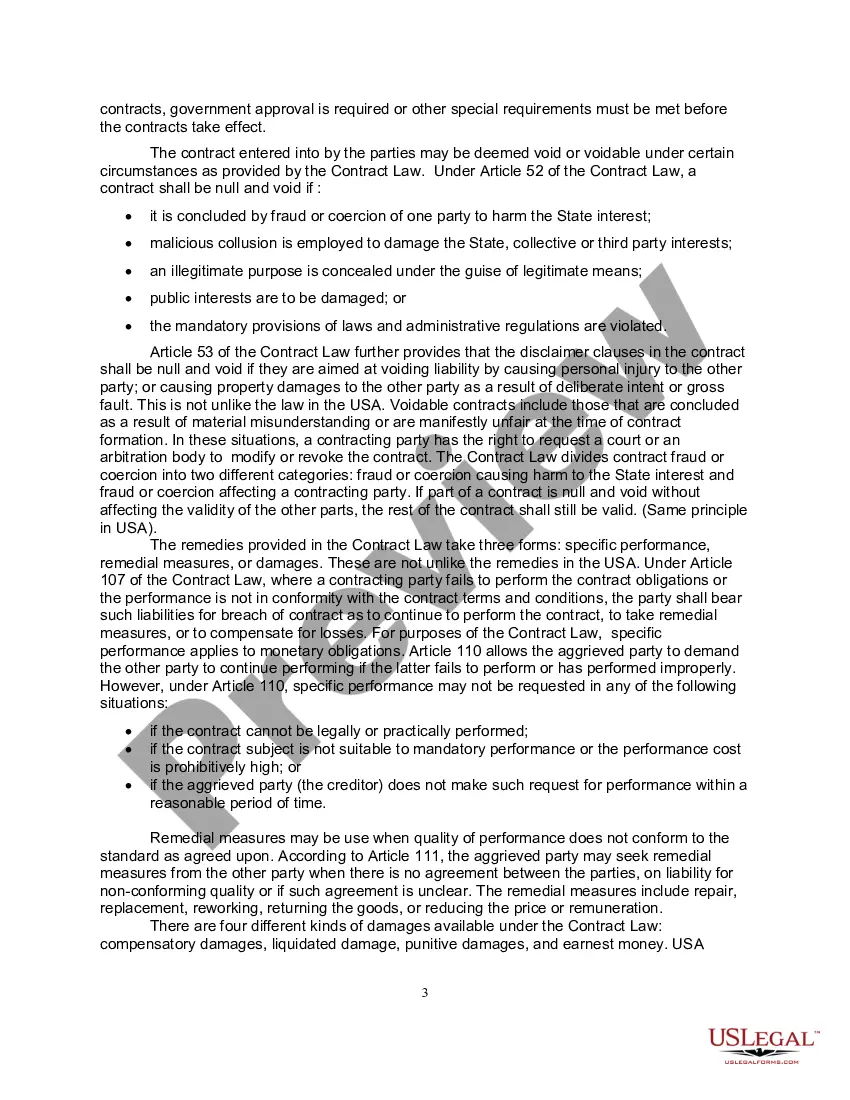
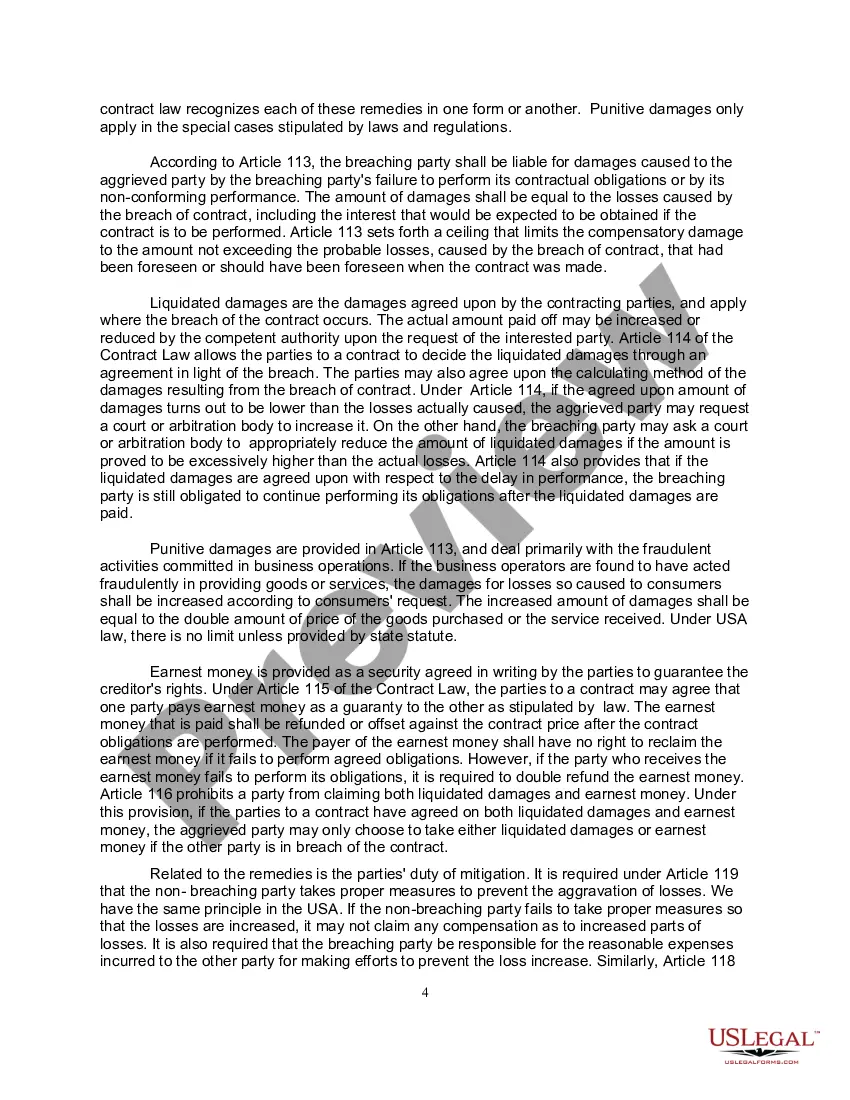
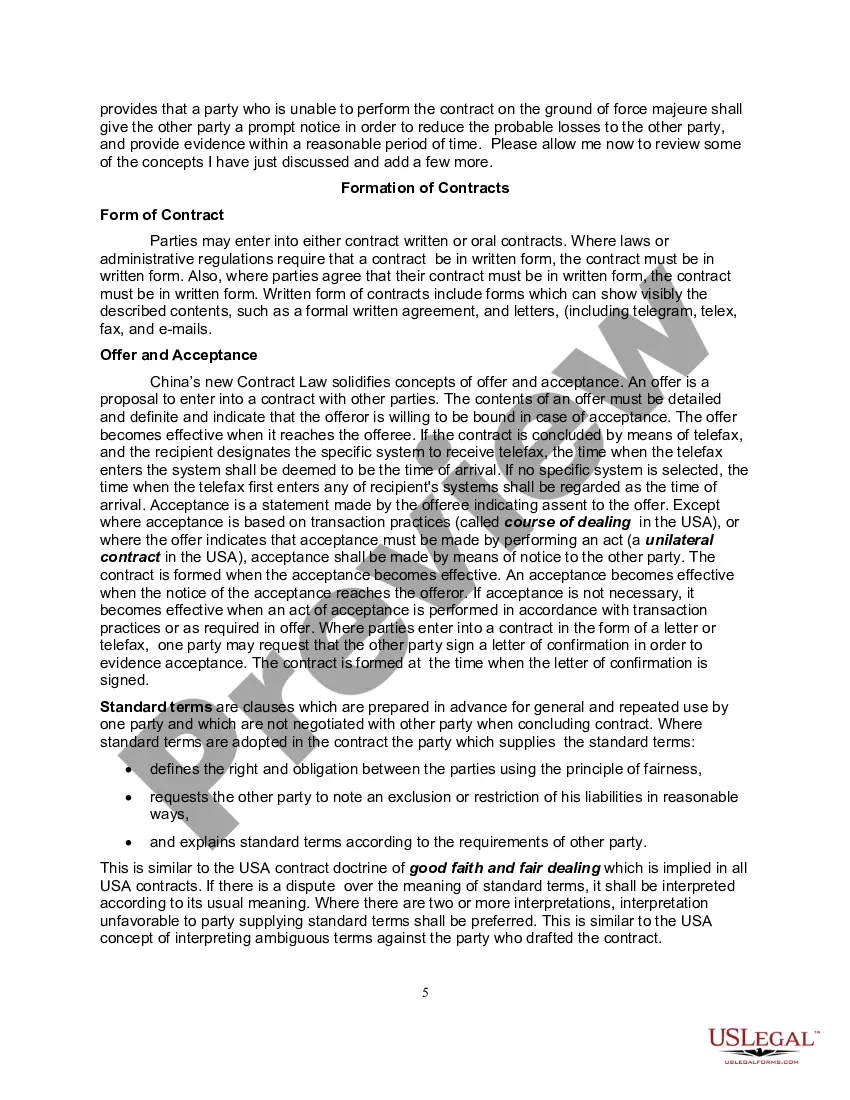
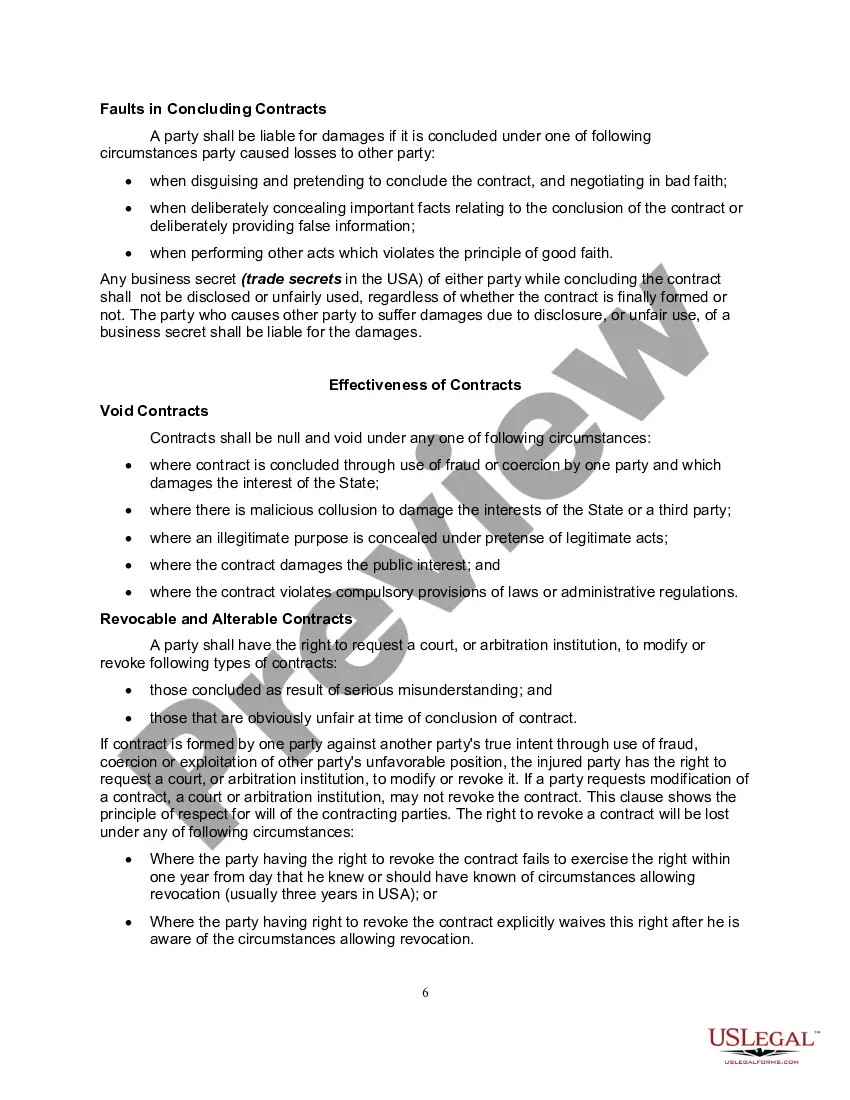
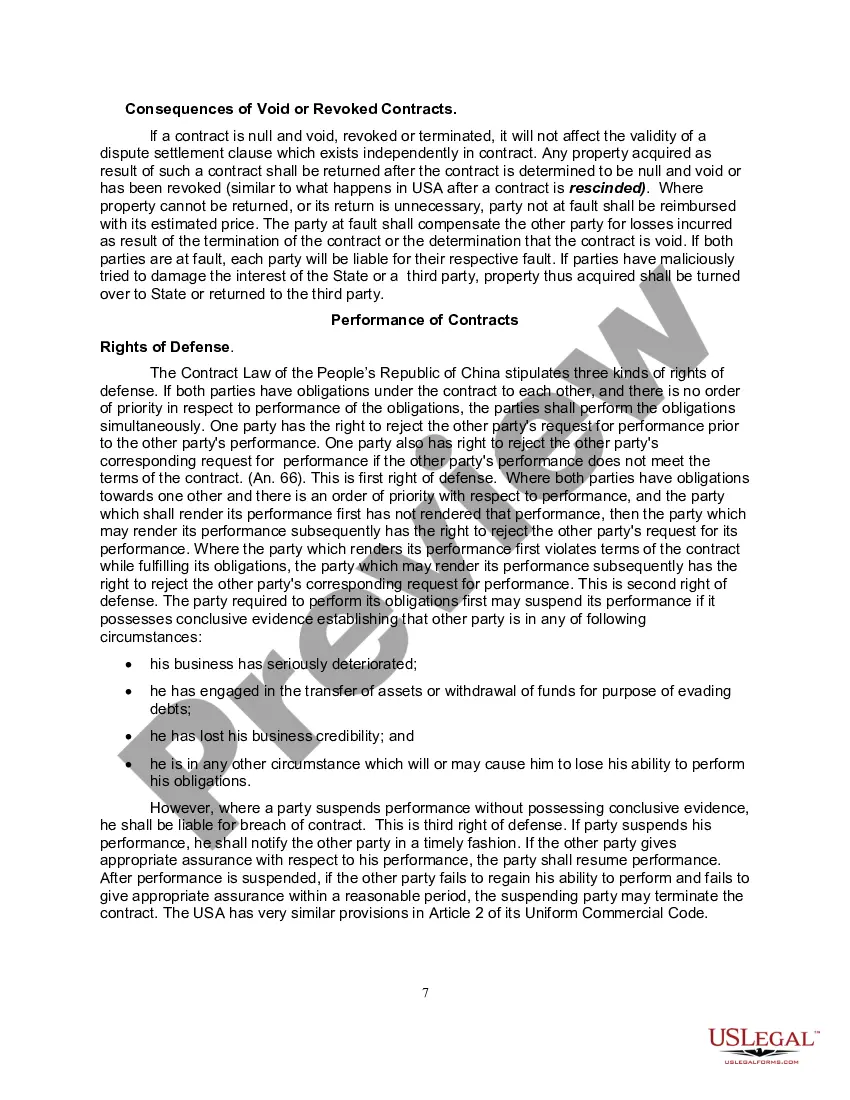
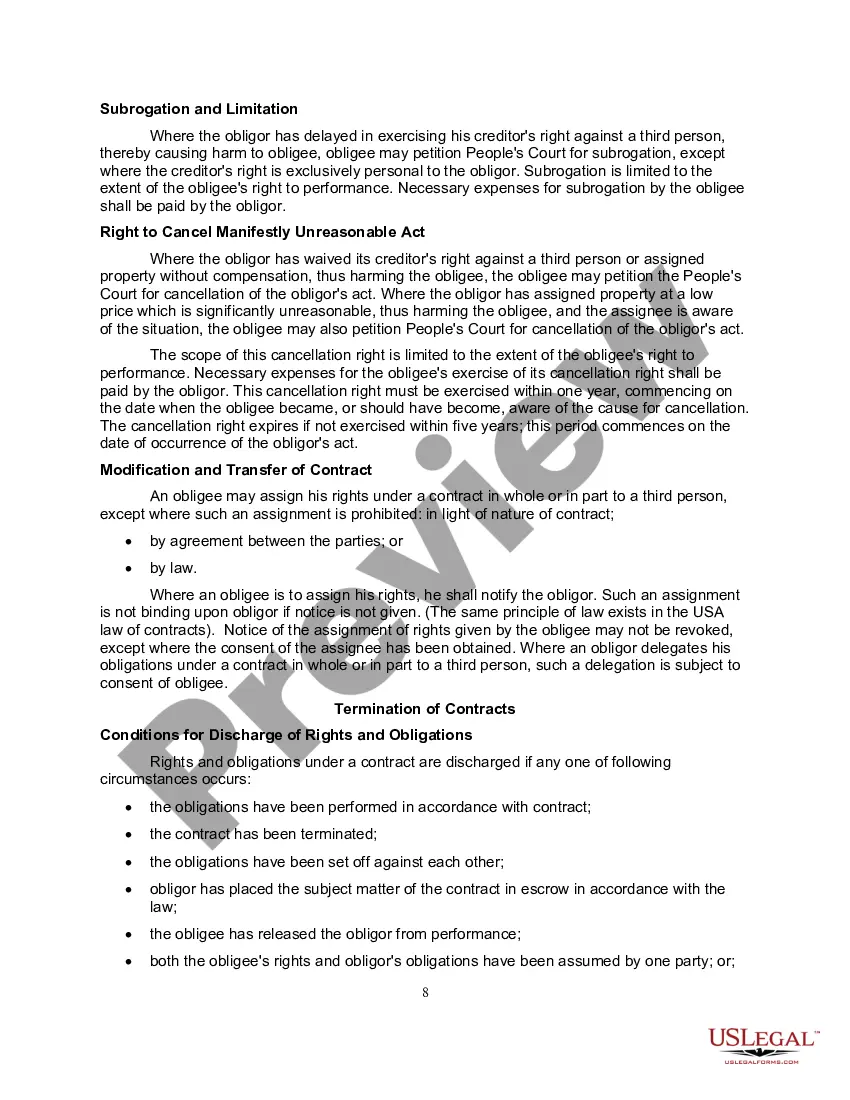
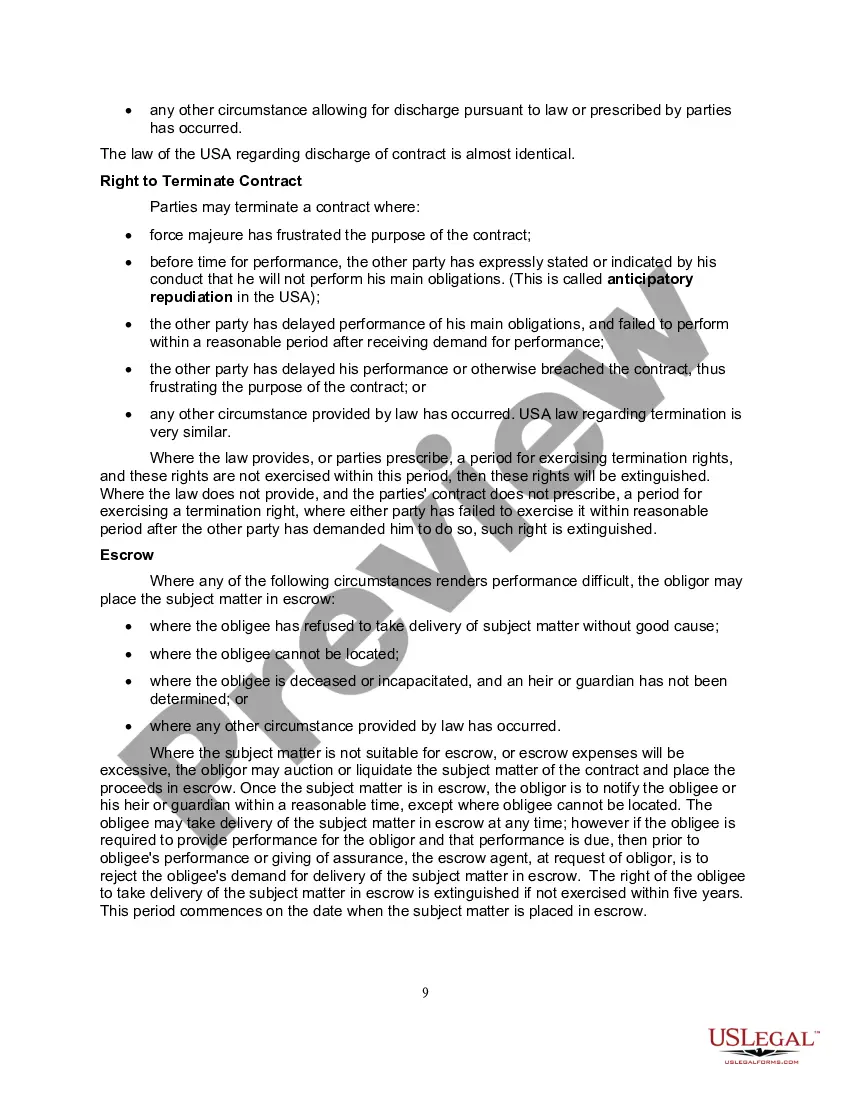
A "force majeure" clause (French for "superior force") is a contract provision that relieves the parties from performing their contractual obligations when certain circumstances beyond their control arise, making performance inadvisable, commercially impracticable, illegal, or impossible.
How Long Does Force Majeure Last? Force Majeure can last indefinitely; or it can be extremely short. Generally speaking, such events are typically limited to not exceed 30 days in contract language; however "not to exceed 90 days" is not out of out the ordinary.
Exhaustive, of examples of force majeure events. Force majeure events generally can be divided into two basic groups: natural events and political events. These may include earthquakes, floods, fire, plague, Acts of God (as defined in the contract or in applicable law) and other natural disasters.
Clause 19.1 defines a force majeure event as one: which is beyond a Party's control, which such Party could not reasonably have provided against before entering into the Contract, which, having arisen, such Party could not reasonably have avoided or overcome, and.
In contract law, force majeure (/ˌfɔːrs məˈʒɜːr/ FORSS mə-ZHUR; French: fɔʁs maʒœʁ) is a common clause in contracts which essentially frees both parties from liability or obligation when an extraordinary event or circumstance beyond the control of the parties, such as a war, strike, riot, crime, epidemic, or sudden ...
What does Force majeure mean? An unexpected and exceptional event that allows one party to terminate the contract without being liable for damages. Force majeure is literally translated as 'superior forces', something to overrule a settled state of affairs and cognate with an 'act of God'.
Force Majeure provisions typically have three elements: (1) a list of types of events that are deemed to be triggering events, (2) a statement identifying the party bearing the risk of such a triggering event, and (3) a set of statements identifying the effect of such a triggering event on the obligations of the ...
Force majeure is a contractual clause intended to “protect the parties from events outside normal business risk.” 4 Conversely, the doctrine of frustration, or simply frustration, occurs when an unforeseeable event, which is not the fault of either party, makes performance of a contract impossible or radically ...
Neither Party shall be liable for failure of or delay in performing obligations set forth in this Agreement, and neither shall be deemed in breach of its obligations, if such failure or delay is due to natural disasters or any causes beyond the reasonable control of either Party.
Re: Notice of Force Majeure As you may know, IDENTIFY THE FORCE MAJEURE EVENT. We are writing to notify you that, following our best efforts to remain fully operational during this time, we have no choice but to invoke force majeure, pursuant to section/clause/article ___ of the Contract.
