Contract Law For Minors In Wayne
Description

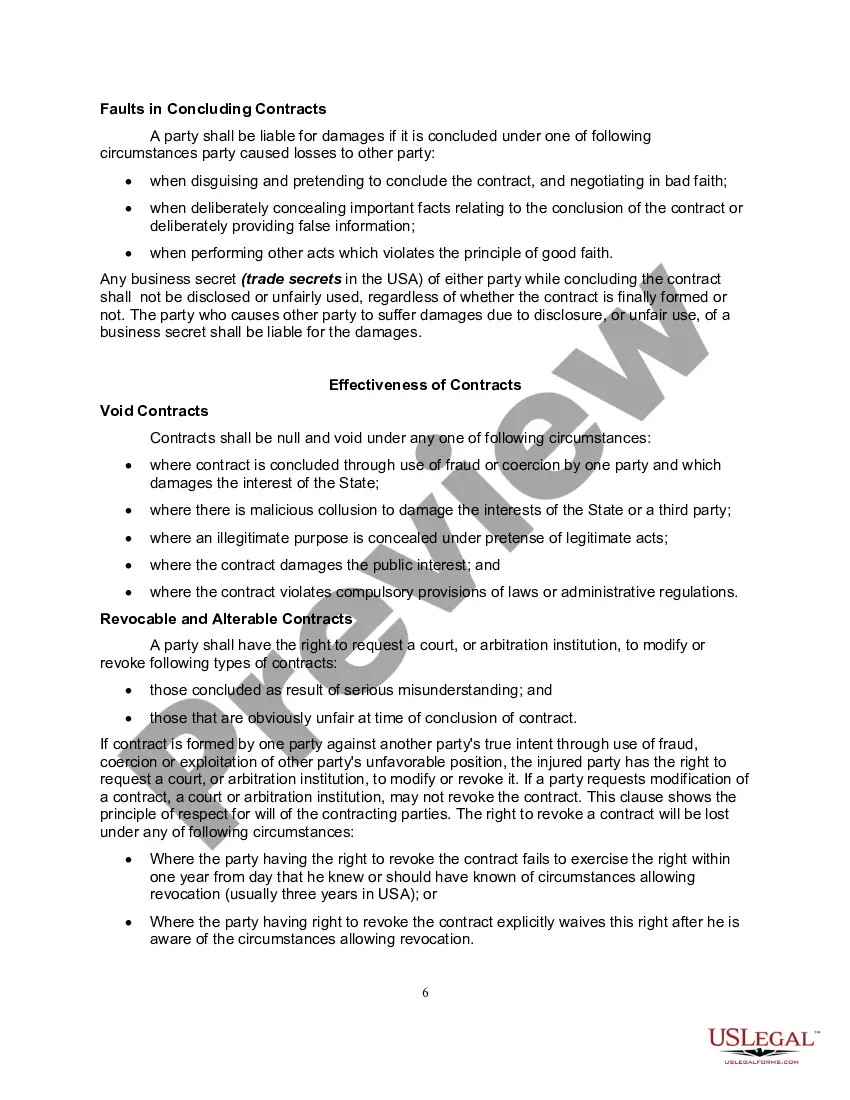
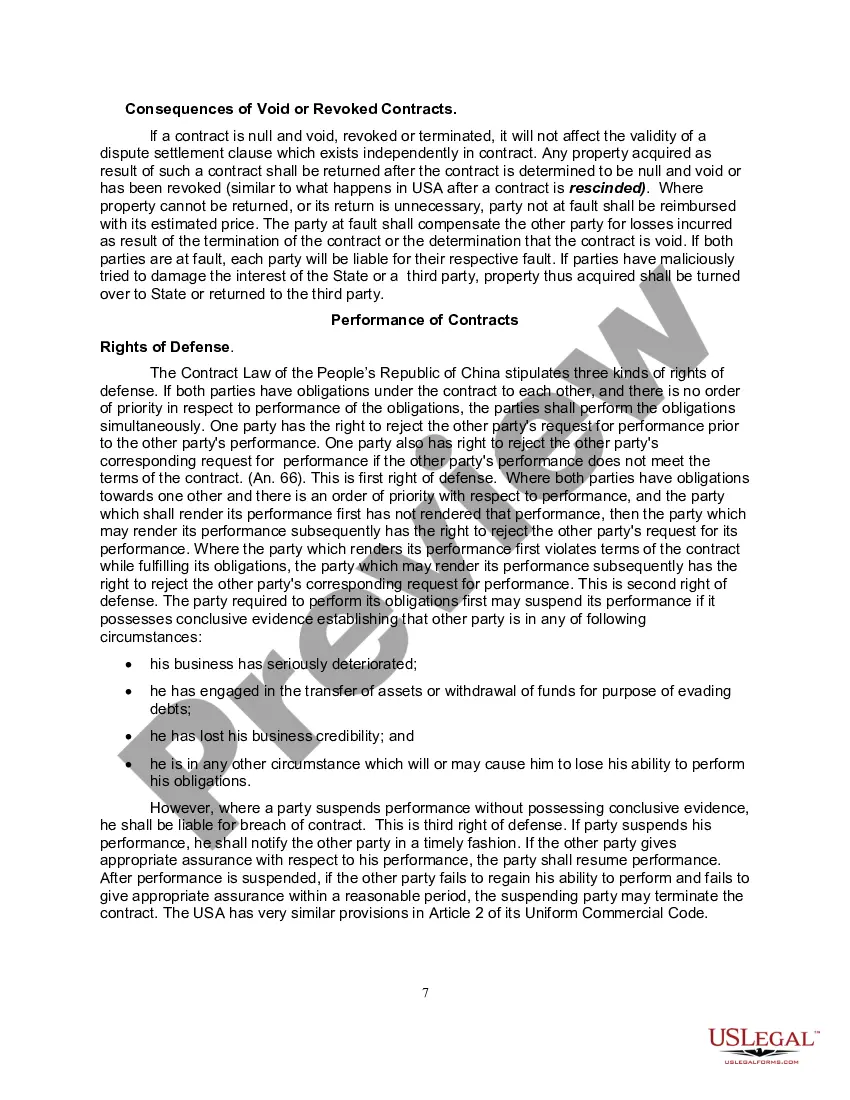
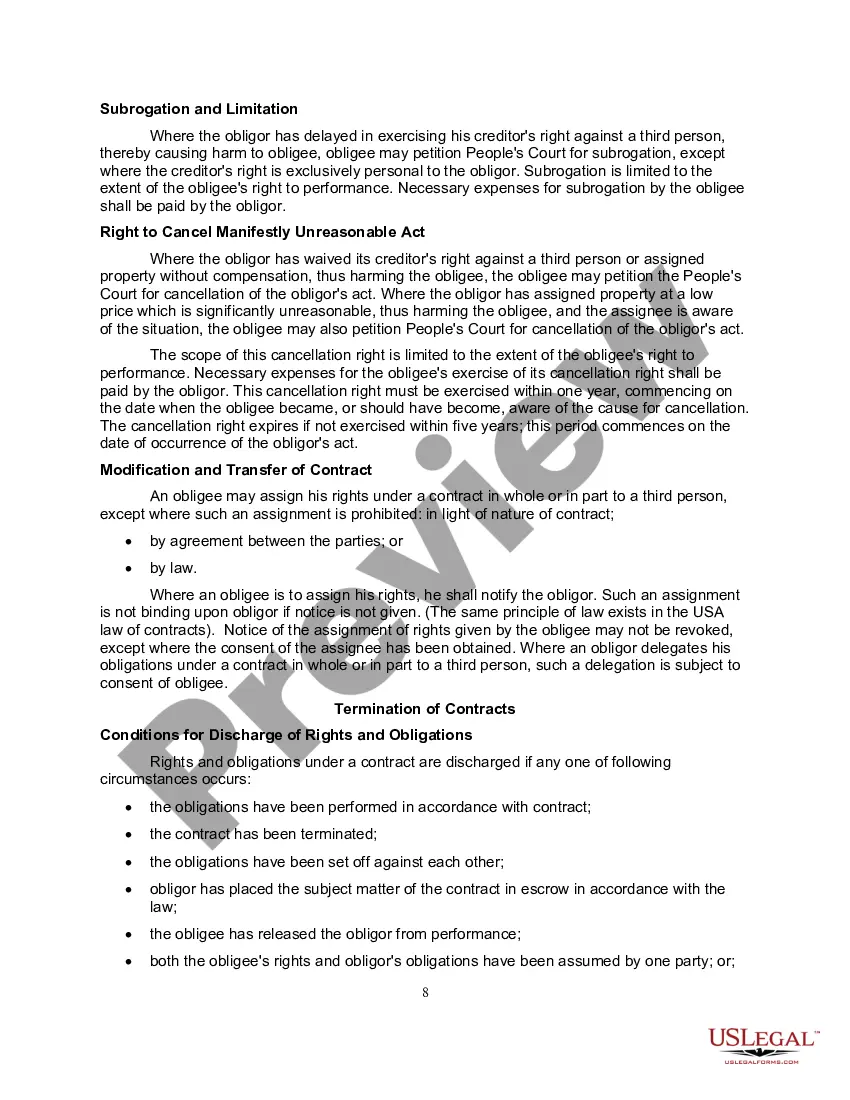
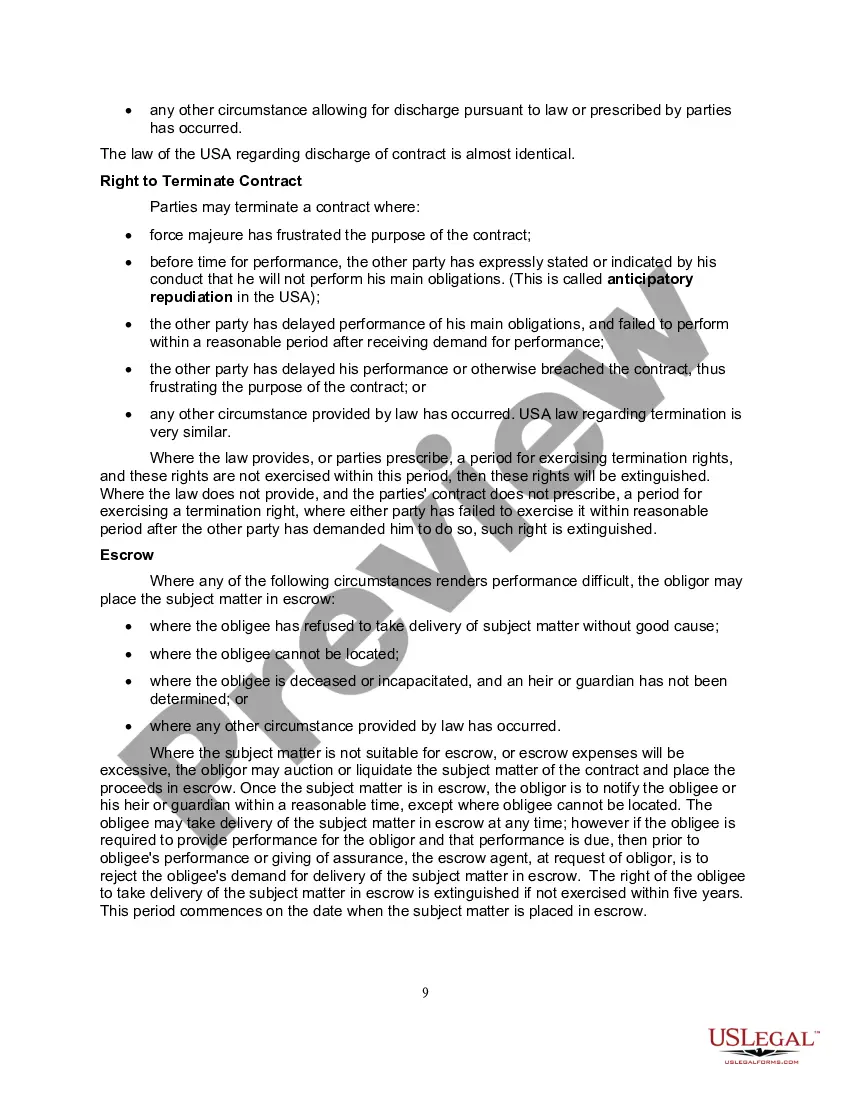


Get your form ready online
Our built-in tools help you complete, sign, share, and store your documents in one place.
Make edits, fill in missing information, and update formatting in US Legal Forms—just like you would in MS Word.
Download a copy, print it, send it by email, or mail it via USPS—whatever works best for your next step.
Sign and collect signatures with our SignNow integration. Send to multiple recipients, set reminders, and more. Go Premium to unlock E-Sign.
If this form requires notarization, complete it online through a secure video call—no need to meet a notary in person or wait for an appointment.
We protect your documents and personal data by following strict security and privacy standards.

Make edits, fill in missing information, and update formatting in US Legal Forms—just like you would in MS Word.

Download a copy, print it, send it by email, or mail it via USPS—whatever works best for your next step.

Sign and collect signatures with our SignNow integration. Send to multiple recipients, set reminders, and more. Go Premium to unlock E-Sign.

If this form requires notarization, complete it online through a secure video call—no need to meet a notary in person or wait for an appointment.

We protect your documents and personal data by following strict security and privacy standards.
Looking for another form?









Form popularity
FAQ
In many cases, minors can't be held to the terms of a contract until they reach the age of majority. In other words, a minor has the right to opt out of a contract, even if the other party is an adult and is bound by the terms.
The parties entering into the contract must have the legal capacity to do so. This means they must be of sound mind, not under the influence of drugs or alcohol, and not minors (under 18 years old).
The law recognizes a minor as lacking the capacity to contract. Therefore, contracts with a minor are voidable. This, however, does not apply to the circumstances where minors are legally allowed to get into a contract and be fully obliged to the terms and conditions. Examples of such circumstances include necessities.
If a parent chooses to sign a contract for a minor, doing so will effectively mean the contract is the same as one signed by an adult. It will be legally binding and cannot be voided by the child or teenager.
With some exceptions, a contract made by a minor is voidable. The minor, in other words, may avoid the legal liability under a contract. Upon reaching the age of majority, a minor may affirm or ratify the contract and therefore make it contractually binding on him.
If you are under 18, however, the law states that most contracts you make are “subject to disaffirmance.” This means that you may be able to avoid obligations created by a contract you make while under age 18.
The law recognizes a minor as lacking the capacity to contract. Therefore, contracts with a minor are voidable. This, however, does not apply to the circumstances where minors are legally allowed to get into a contract and be fully obliged to the terms and conditions. Examples of such circumstances include necessities.
How is “child” defined for purposes of Indiana's mandatory reporting law? A “child” is a person who is less than eighteen years old. Ind. Code § 31-9-2-13.
Key Takeaways: Contracts with minors are voidable at the minor's discretion but exceptions exist, such as contracts for necessities (e.g., food, health, and transportation). A minor who does not void a contract after reaching the age of majority may lose the ability to do so.
