Contract Law For Beginners In Washington
Description

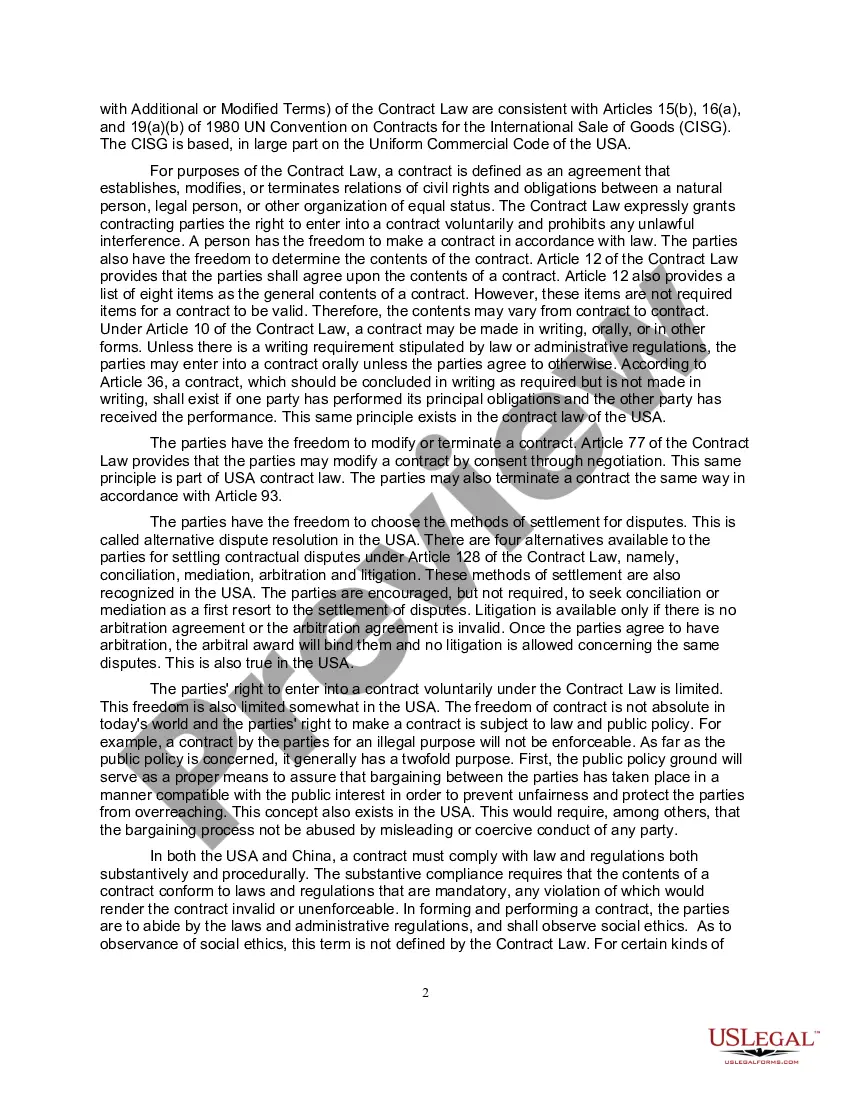
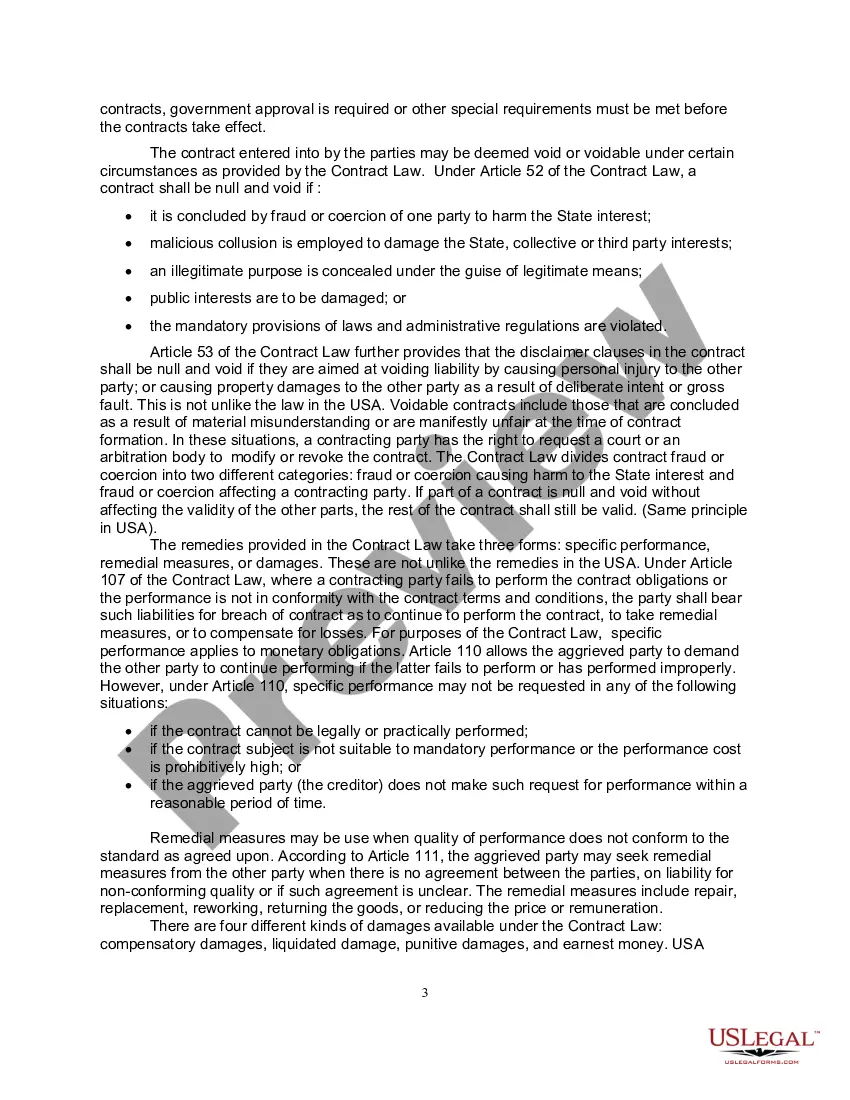
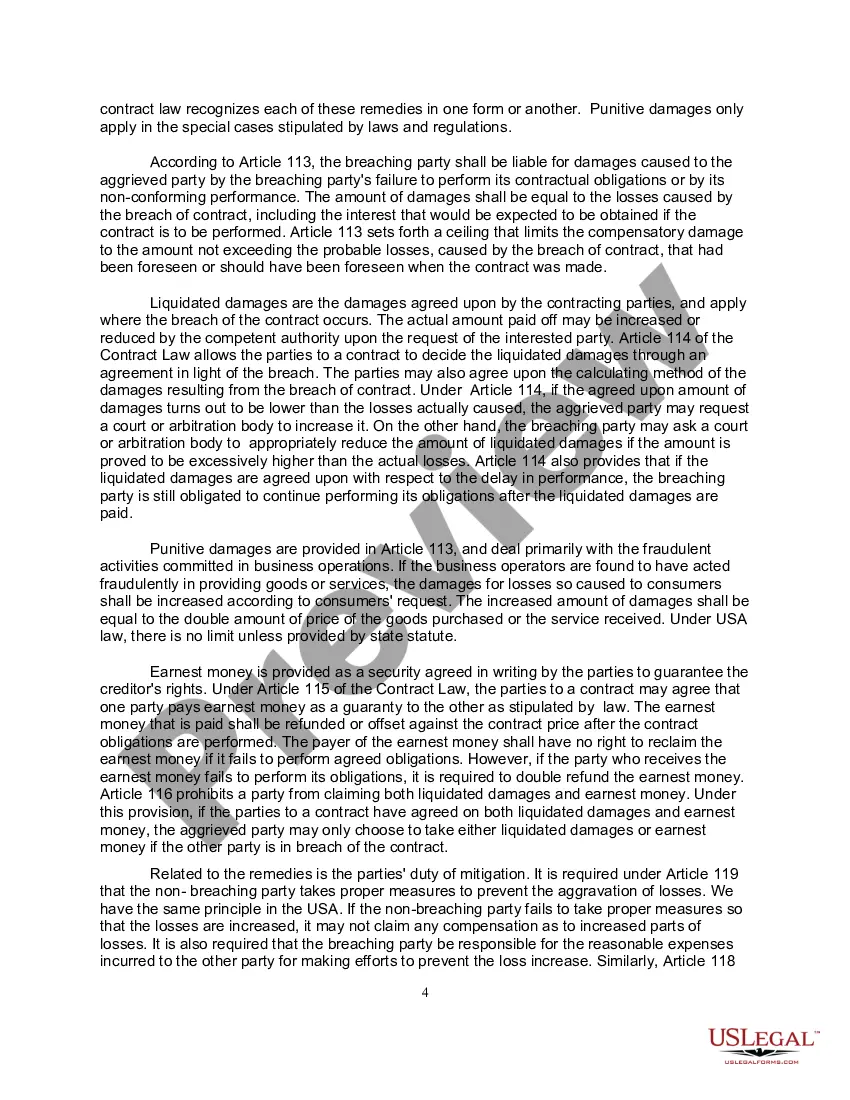
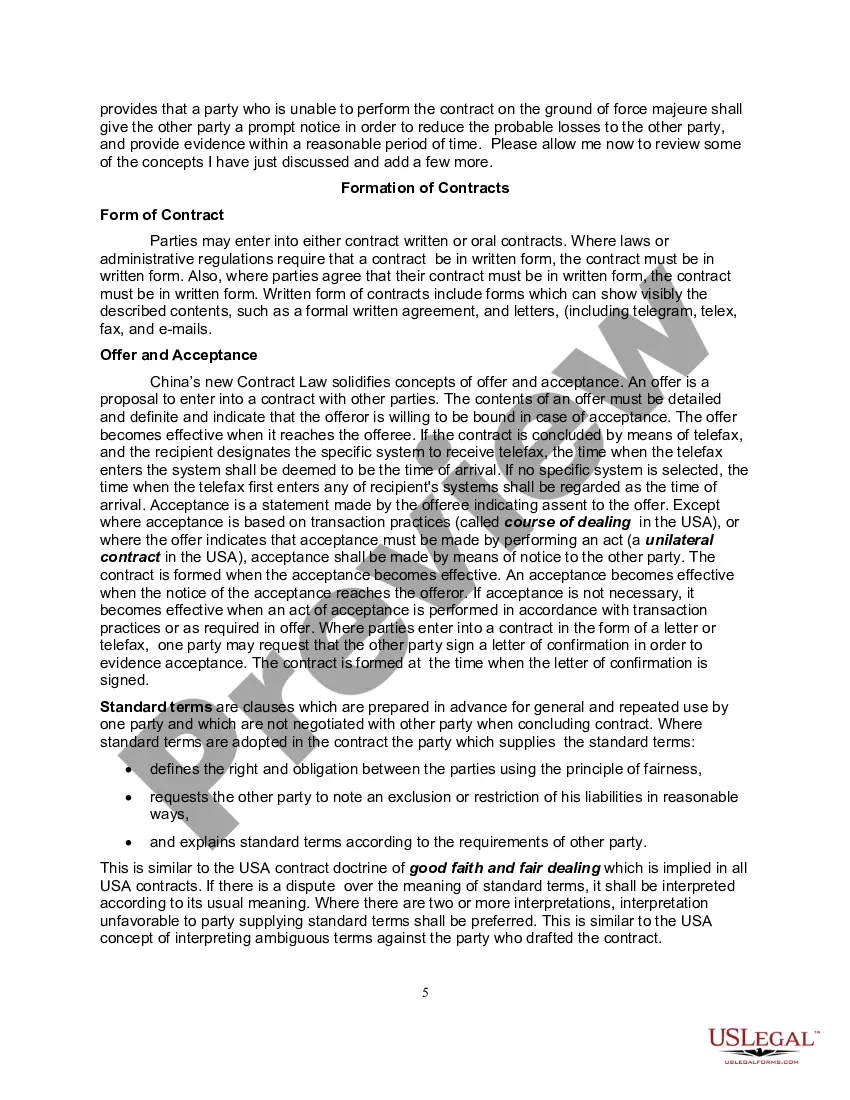


Get your form ready online
Our built-in tools help you complete, sign, share, and store your documents in one place.
Make edits, fill in missing information, and update formatting in US Legal Forms—just like you would in MS Word.
Download a copy, print it, send it by email, or mail it via USPS—whatever works best for your next step.
Sign and collect signatures with our SignNow integration. Send to multiple recipients, set reminders, and more. Go Premium to unlock E-Sign.
If this form requires notarization, complete it online through a secure video call—no need to meet a notary in person or wait for an appointment.
We protect your documents and personal data by following strict security and privacy standards.

Make edits, fill in missing information, and update formatting in US Legal Forms—just like you would in MS Word.

Download a copy, print it, send it by email, or mail it via USPS—whatever works best for your next step.

Sign and collect signatures with our SignNow integration. Send to multiple recipients, set reminders, and more. Go Premium to unlock E-Sign.

If this form requires notarization, complete it online through a secure video call—no need to meet a notary in person or wait for an appointment.

We protect your documents and personal data by following strict security and privacy standards.
Looking for another form?






Form popularity
FAQ
The short answer is no. A lawyer is not required to draft a contract for a business or an individual. In fact, anyone can draft a contract. Although this is the case, it's not necessarily the best strategy.
Simply put, yes, you can write your own legal contract. You just need to be sure to include key components such as an offer, an acceptance, an exchange of value, and the willingness of both parties to enter into a contract. Legally binding contracts can be done both in writing or orally.
Yes, you can write your own contract. However, including all necessary elements is crucial to make it legally binding.
Under California Business and Professions Code section 6450 (b) paralegals are not permitted to: Give legal advice. Represent a client in court. Select, explain, draft, or recommend the use of legal documents to or for any person other than the attorney who directs and supervises the paralegal.
Although you don't have to hire a lawyer, you should. Entering into a legally binding agreement isn't something you should take lightly. Signing a document without fully comprehending the terms or your rights is dangerous. It can lead to significant unintended consequences and time-consuming legal battles.
Legally binding contracts can be done both in writing or orally. However, when it comes to business transactions, it's best to have the majority of your contracts in writing. There is no law requiring contracts to be written by a lawyer. There are no laws that indicate any specific form or font they should be in.
In Washington, the basic maxim is “An agreement is enforceable if its terms are reasonably certain.” The terms of a contract are “reasonably certain” if they provide the ability for determining a breach/default and for giving an appropriate remedy in case of breach/default.
Lesson Summary A contract is a legal agreement between two or more parties in which they agree to each other's rights and responsibilities. Offer, acceptance, awareness, consideration, and capacity are the five elements of an enforceable contract.
A contract is an agreement between parties, creating mutual obligations that are enforceable by law. The basic elements required for the agreement to be a legally enforceable contract are: mutual assent, expressed by a valid offer and acceptance; adequate consideration; capacity; and legality.
There are four essential elements of forming a contract: offer, acceptance, consideration, and intention to create legal relations. Beyond this, the terms of the contract must also be unambiguous, and the parties must have the mental capacity to agree.
