Contract Law In India In Wake
Description




Get your form ready online
Our built-in tools help you complete, sign, share, and store your documents in one place.
Make edits, fill in missing information, and update formatting in US Legal Forms—just like you would in MS Word.
Download a copy, print it, send it by email, or mail it via USPS—whatever works best for your next step.
Sign and collect signatures with our SignNow integration. Send to multiple recipients, set reminders, and more. Go Premium to unlock E-Sign.
If this form requires notarization, complete it online through a secure video call—no need to meet a notary in person or wait for an appointment.
We protect your documents and personal data by following strict security and privacy standards.

Make edits, fill in missing information, and update formatting in US Legal Forms—just like you would in MS Word.

Download a copy, print it, send it by email, or mail it via USPS—whatever works best for your next step.

Sign and collect signatures with our SignNow integration. Send to multiple recipients, set reminders, and more. Go Premium to unlock E-Sign.

If this form requires notarization, complete it online through a secure video call—no need to meet a notary in person or wait for an appointment.

We protect your documents and personal data by following strict security and privacy standards.
Looking for another form?










Form popularity
FAQ
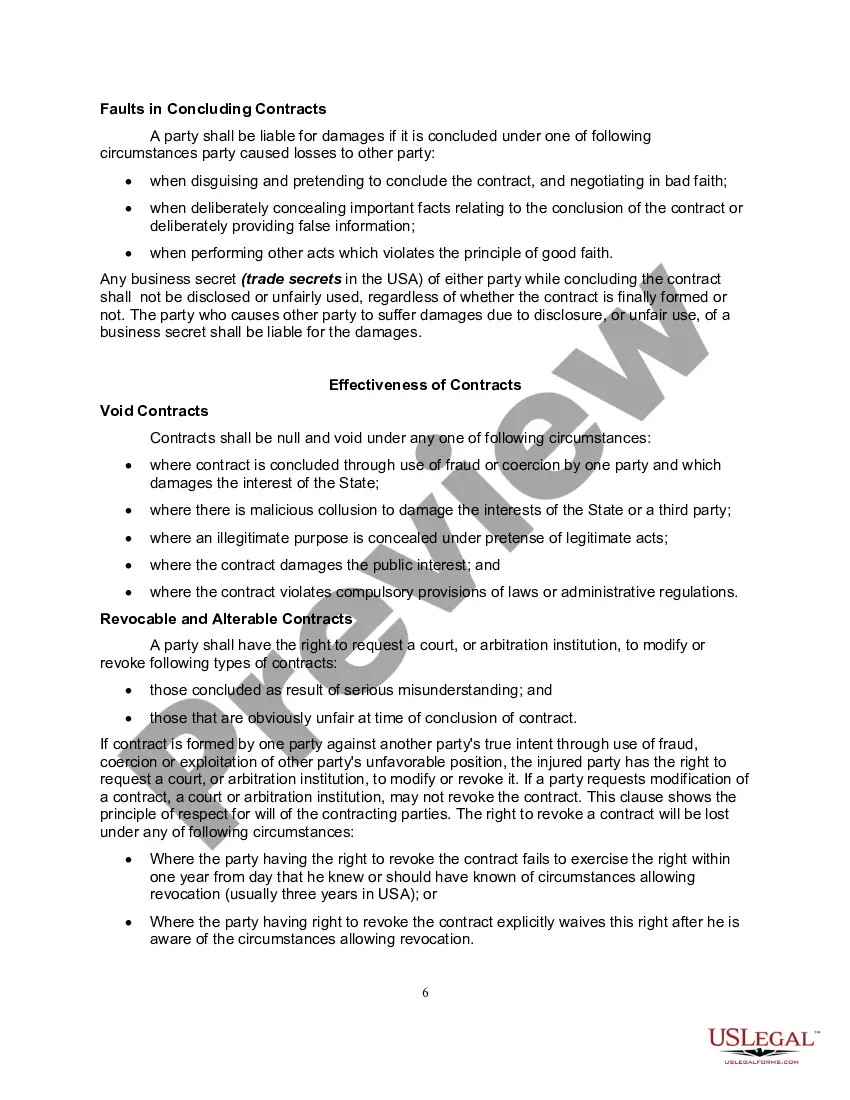
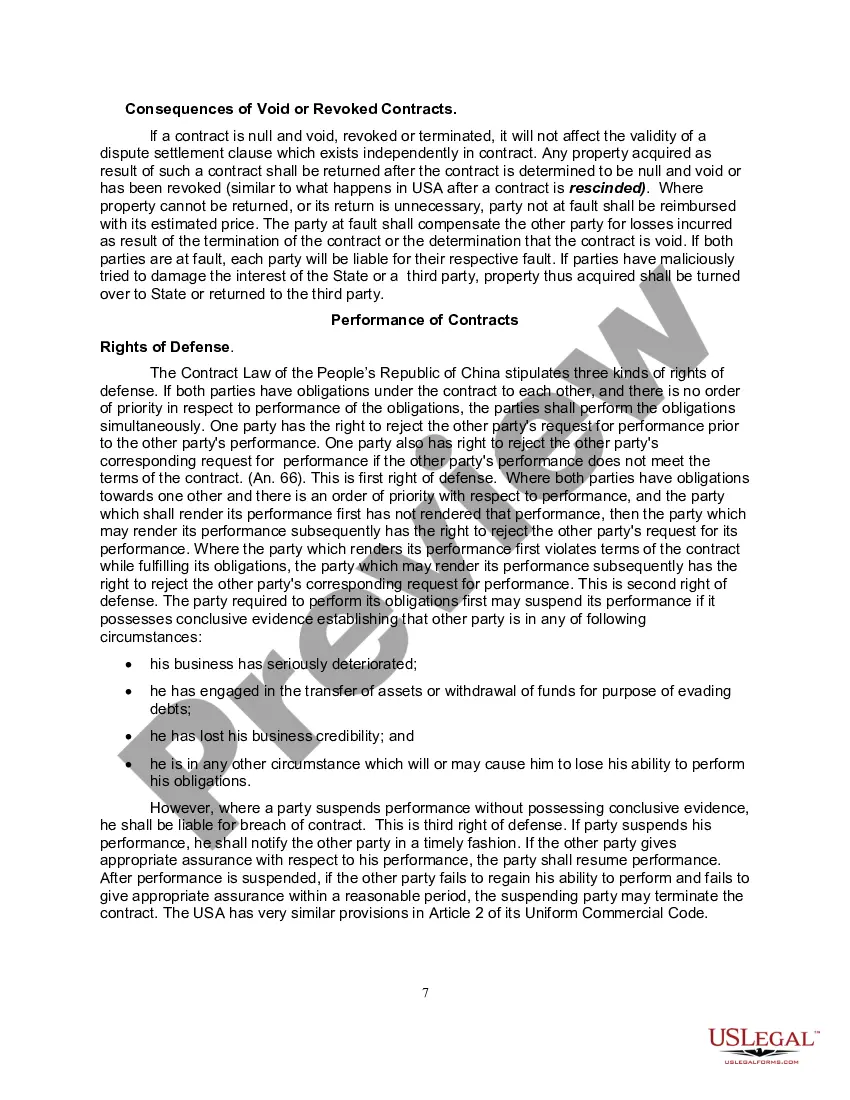
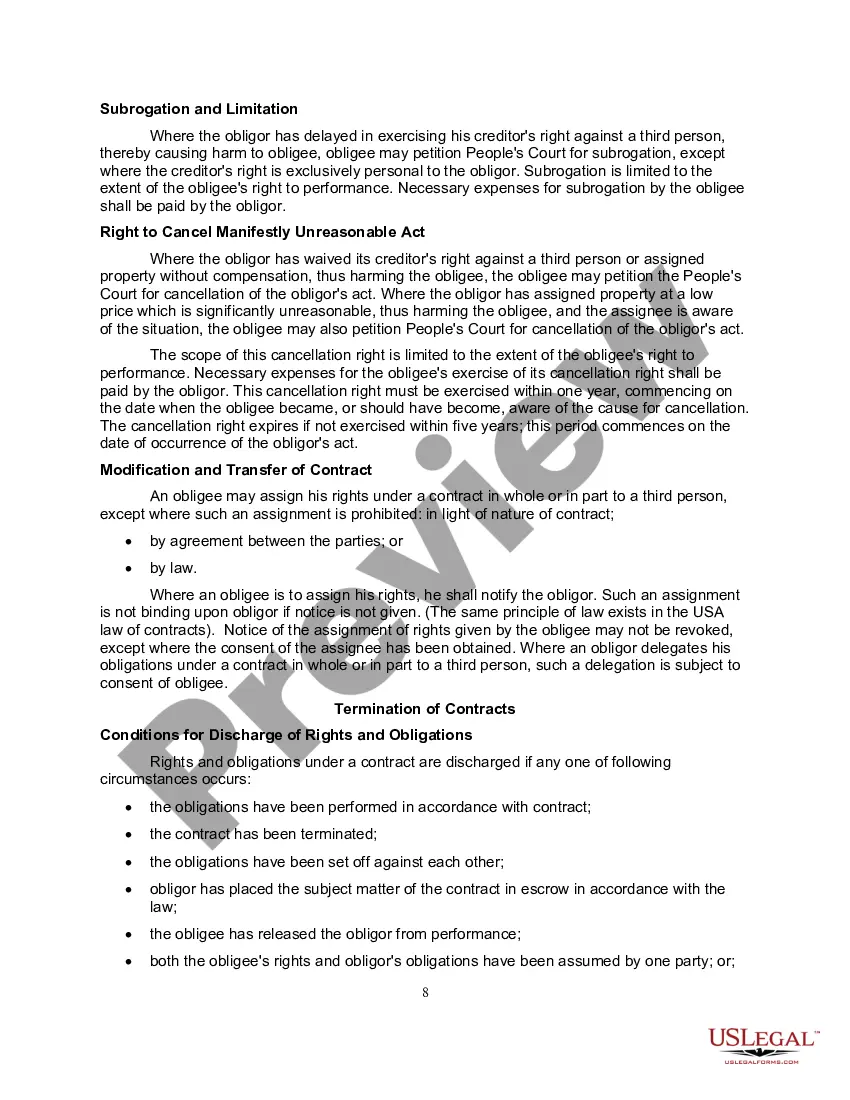
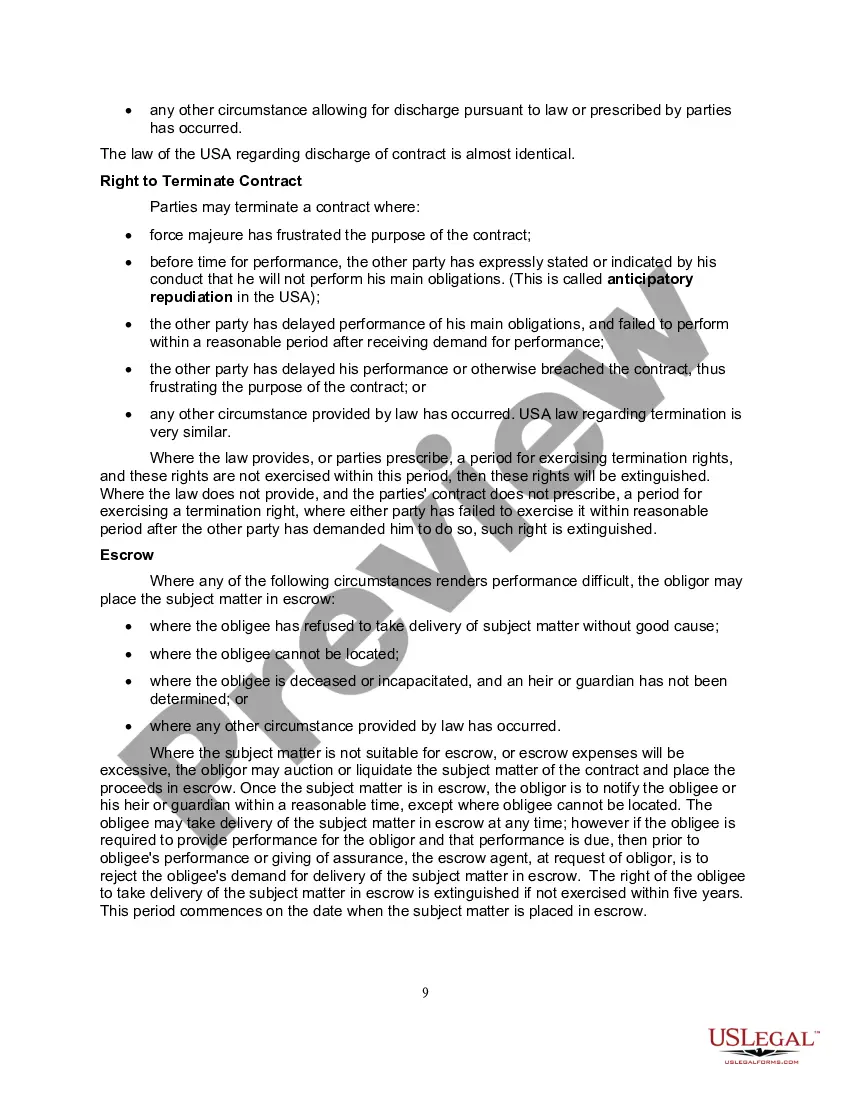
It is applicable to all the states of India. It determines the circumstances in which promises made by the parties to a contract shall be legally binding. Under Section 2(h), the Indian Contract Act defines a contract as an agreement enforceable by Law.
(1) This Act may be called the Contract Labour (Regulation and Abolition) Act, 1970. (2) It extends to the whole of India. (a) to every establishment in which twenty or more workmen, art employed or were employed on any day of the preceding twelve months as contract labour.
Executing a contract involves more than just signing it. It includes understanding its terms, ensuring all parties agree to the terms, signing, dating, and often witnessing the document. Post-signing, the execution involves adhering to and fulfilling the terms as agreed upon in the contract.
The Indian Contract Act extends to whole of India except Jammu and Kashmir. The law relating to contracts in India is contained in Indian Contract Act, 1872. It determines the circumstances in which promise made by the parties to a contract shall be legally binding on them.
Here's how you can execute a contract in a few simple steps. Clarify any discrepancies first. Prior to executing the contract, you need to review it. Set up contract approval workflows. Establish your signatories. Get the contract signed. Track the contractual obligations post-signature.
Contract execution requires participation from all parties. However, the signatory authorities are the most important participants at this stage. That said, anyone who signs a contract on behalf of a company must have the legal authority to bind the organization to a business agreement.
For Contract Law eligibility, you'll need to complete Class 12 (10+2) and qualify for entrance tests For PG programs, a recognized LLB degree is required. After completing your LLB, you can specialize in contract law by pursuing an LLM degree with a focus on Contract Law.
Contracts only need (1) a meeting of the minds as to the terms, and (2) exchange of goods and/or services which each party considers to have some non-zero value (called “consideration”). So, yes, you can write a contract for yourself. You don't need an attorney.
Notarized documents can be considered valid and binding unless there are specific statutory provisions that declare them void. For instance, a notarized lease agreement was deemed insufficient when a registered document was required Prashant S/o Gulabrao Kamble VS Indian Oil Corporation Limited - Bombay00400070644.