Contract Law In India In Travis
Description



Get your form ready online
Our built-in tools help you complete, sign, share, and store your documents in one place.
Make edits, fill in missing information, and update formatting in US Legal Forms—just like you would in MS Word.
Download a copy, print it, send it by email, or mail it via USPS—whatever works best for your next step.
Sign and collect signatures with our SignNow integration. Send to multiple recipients, set reminders, and more. Go Premium to unlock E-Sign.
If this form requires notarization, complete it online through a secure video call—no need to meet a notary in person or wait for an appointment.
We protect your documents and personal data by following strict security and privacy standards.

Make edits, fill in missing information, and update formatting in US Legal Forms—just like you would in MS Word.

Download a copy, print it, send it by email, or mail it via USPS—whatever works best for your next step.

Sign and collect signatures with our SignNow integration. Send to multiple recipients, set reminders, and more. Go Premium to unlock E-Sign.

If this form requires notarization, complete it online through a secure video call—no need to meet a notary in person or wait for an appointment.

We protect your documents and personal data by following strict security and privacy standards.
Looking for another form?







Form popularity
FAQ
(1) This Act may be called the Contract Labour (Regulation and Abolition) Act, 1970. (2) It extends to the whole of India. (a) to every establishment in which twenty or more workmen, art employed or were employed on any day of the preceding twelve months as contract labour.
The Indian Contract Act 1872 is the foundational statute governing all types of agreements in India. It provides a structured legal framework that businesses and individuals must adhere to when forming legally binding contracts.
An authority is said to be express when it is given by words spoken or written. An authority is said to be implied when it is to be inferred from the circumstances of the case; and things spoken or written, or the ordinary course of dealing, may be accounted circumstances of the case.
An "agent" is a person employed to do any act for another, or to represent another in dealings with third persons. The person for whom such act is done, or who is so represented, is called the "principal".
If a third person wrongfully deprives the bailee of the use of possession of the goods bailed, or does them any injury, the bailee is entitled to use such remedies as the owner might have used in the like case if no bailment had been made; and either the bailor or the bailee may bring a suit against a third person for ...
The term offer is defined under Section 2(a) as under: 'When one person signifies to another, his willingness to do or abstain from doing anything with a view to obtaining the assent of the other, to such an act or abstinence, he is said to make a proposal'.
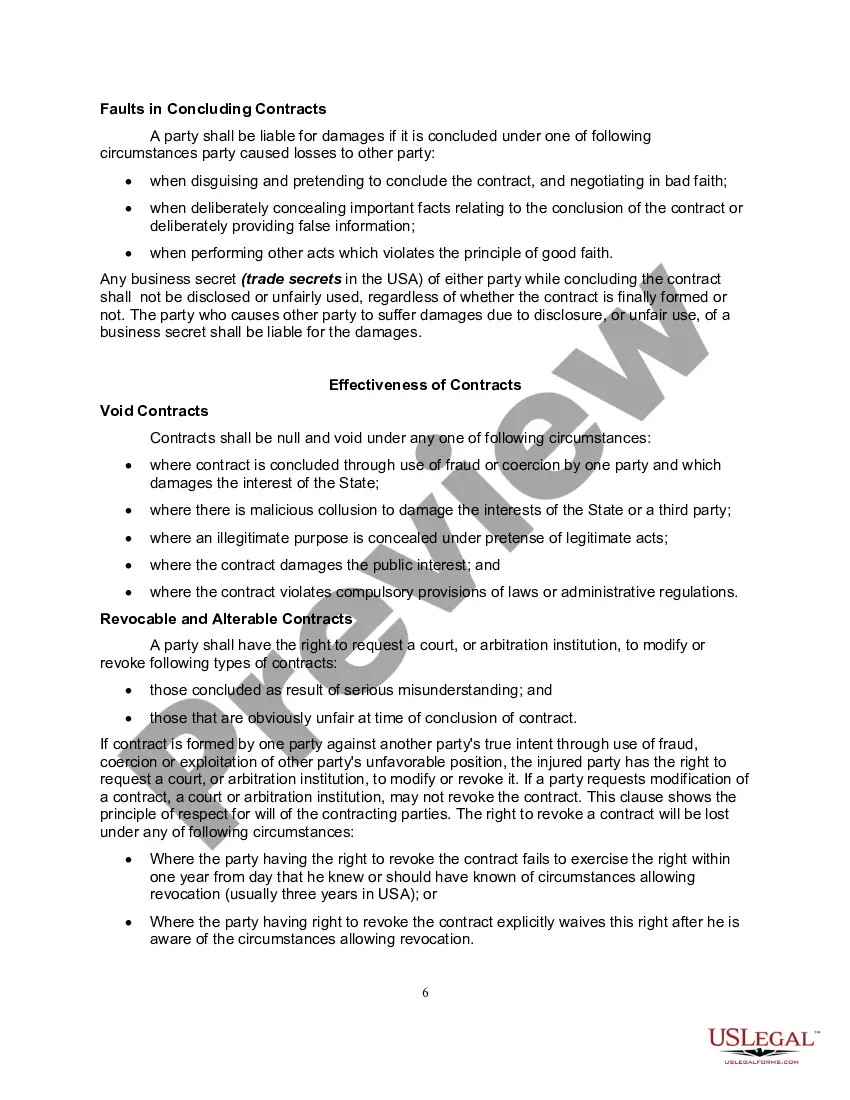
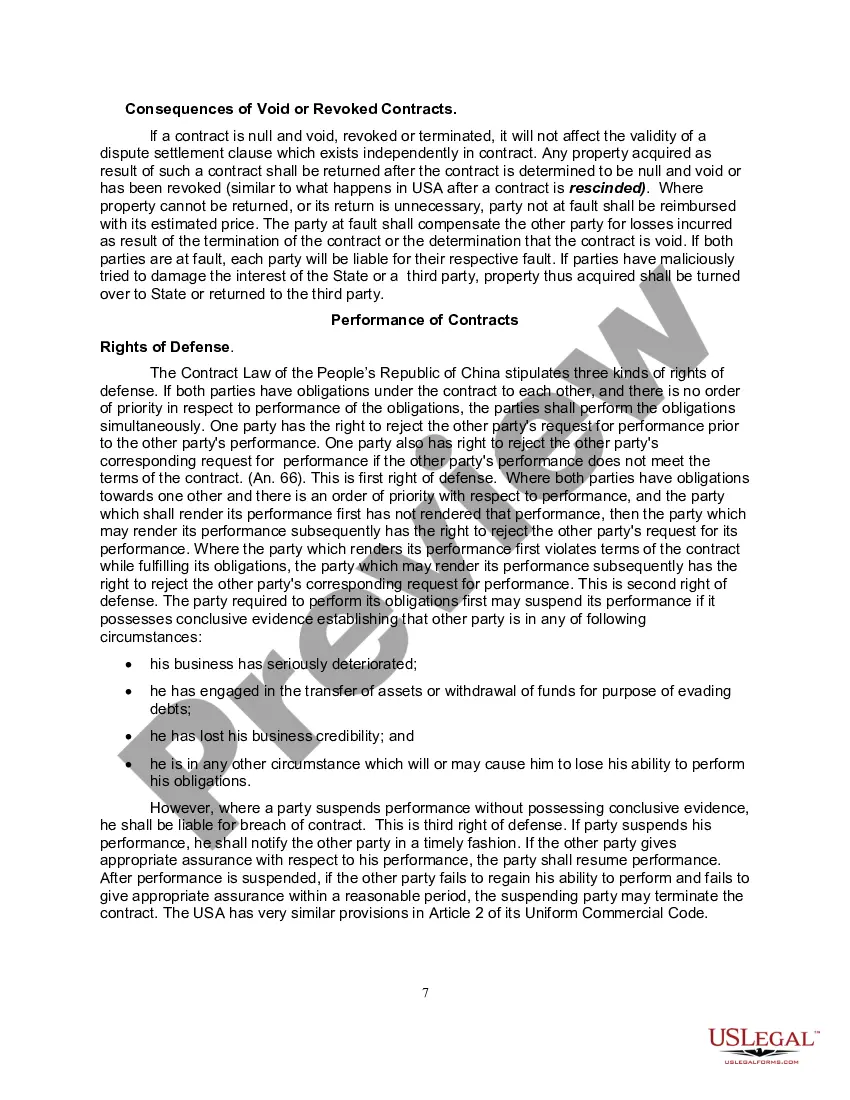
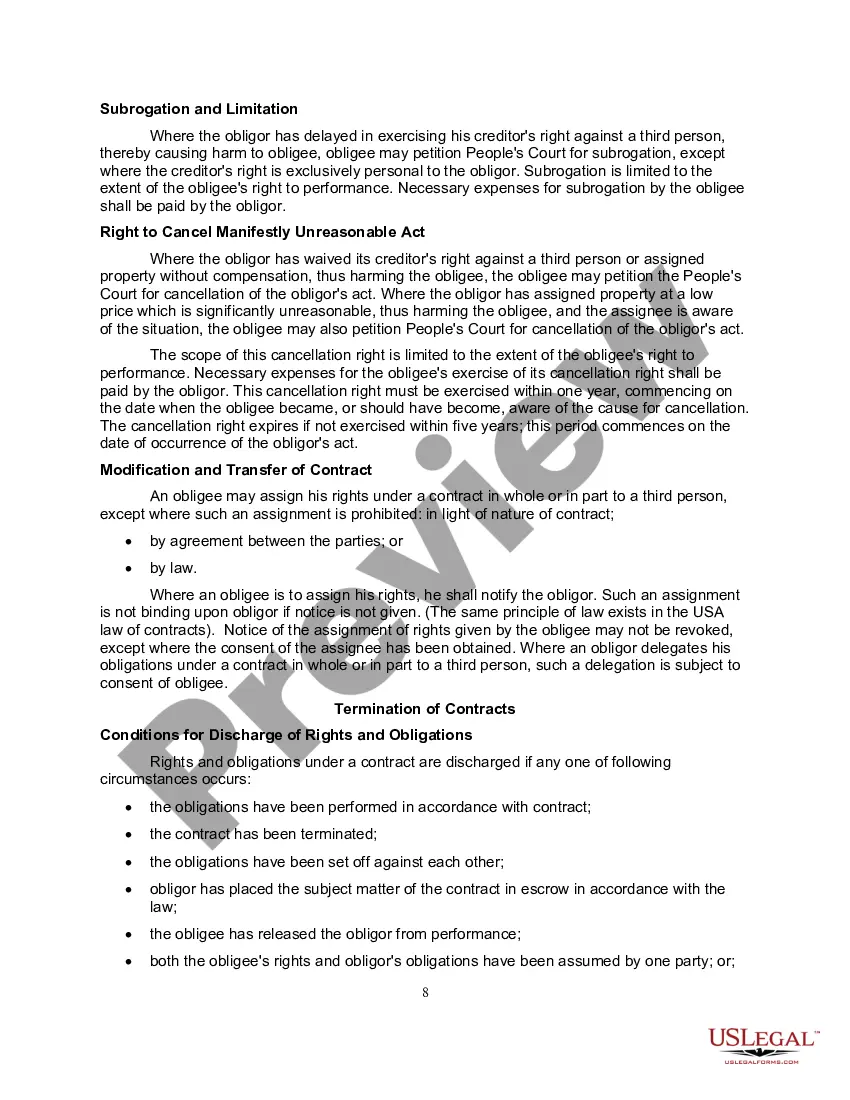
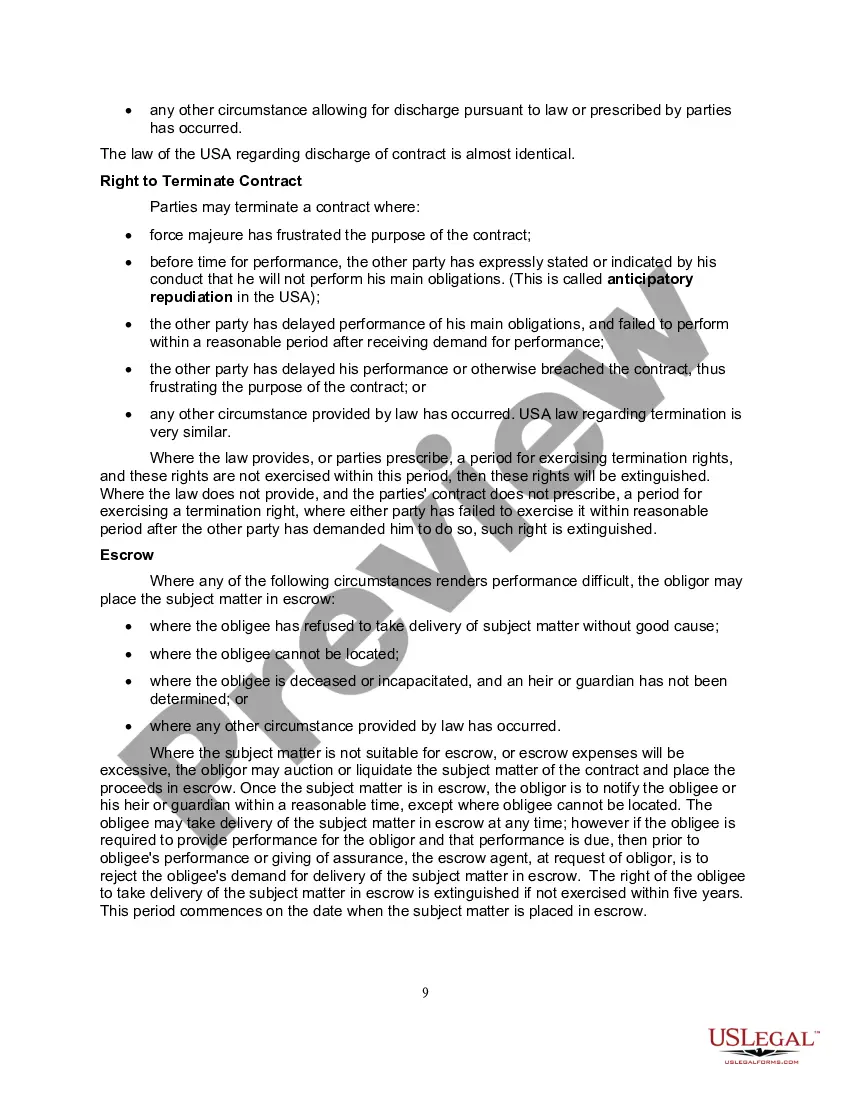
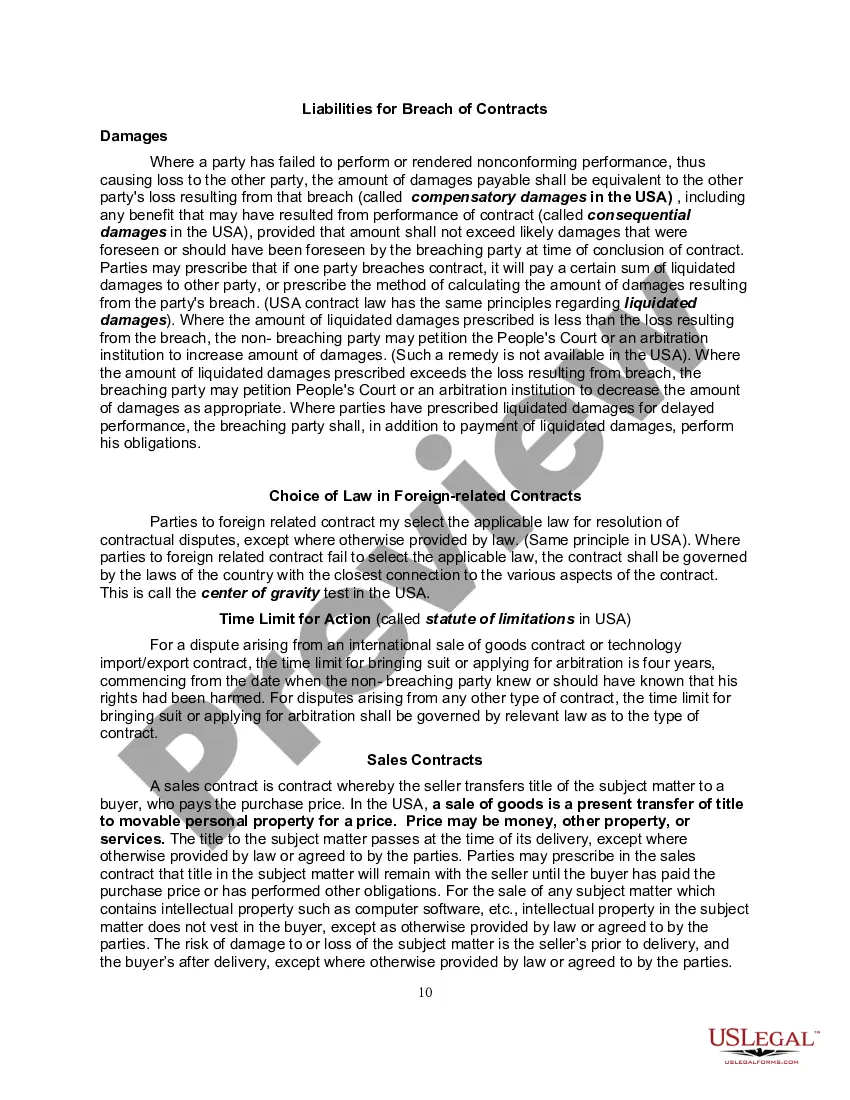
It determines the circumstances in which promises made by the parties to a contract shall be legally binding. Under Section 2(h), the Indian Contract Act defines a contract as an agreement enforceable by Law. To define and amend certain parts of the law relating to contracts.
Write the contract in six steps Start with a contract template. Open with the basic information. Describe in detail what you have agreed to. Include a description of how the contract will be ended. Write into the contract which laws apply and how disputes will be resolved. Include space for signatures.
To be legally valid, a contract must fulfill four basic requirements: All signees must be above the age of consent. All parties must agree to the contract freely. All parties must be able to understand the agreement (legal capacity) The terms of the agreement must be permitted in law.
Contract execution requires participation from all parties. However, the signatory authorities are the most important participants at this stage. That said, anyone who signs a contract on behalf of a company must have the legal authority to bind the organization to a business agreement.
