Contract Law Force Majeure In Suffolk
Description

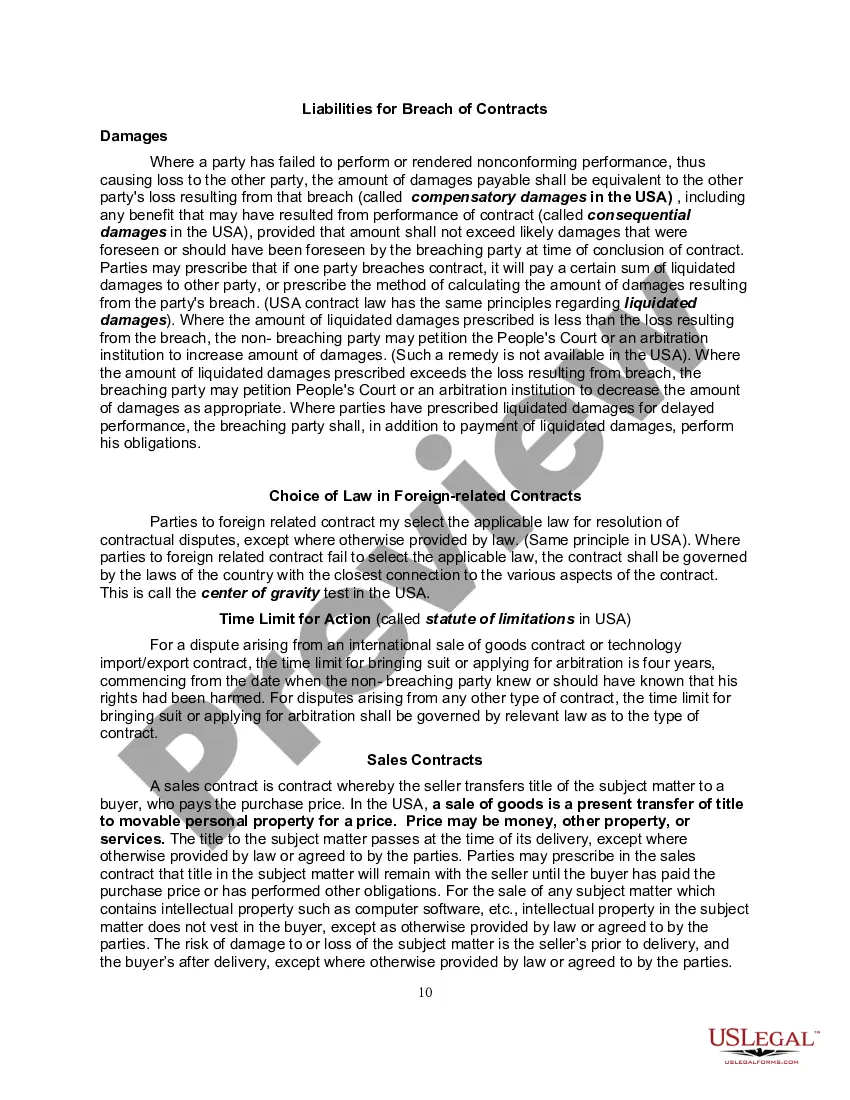


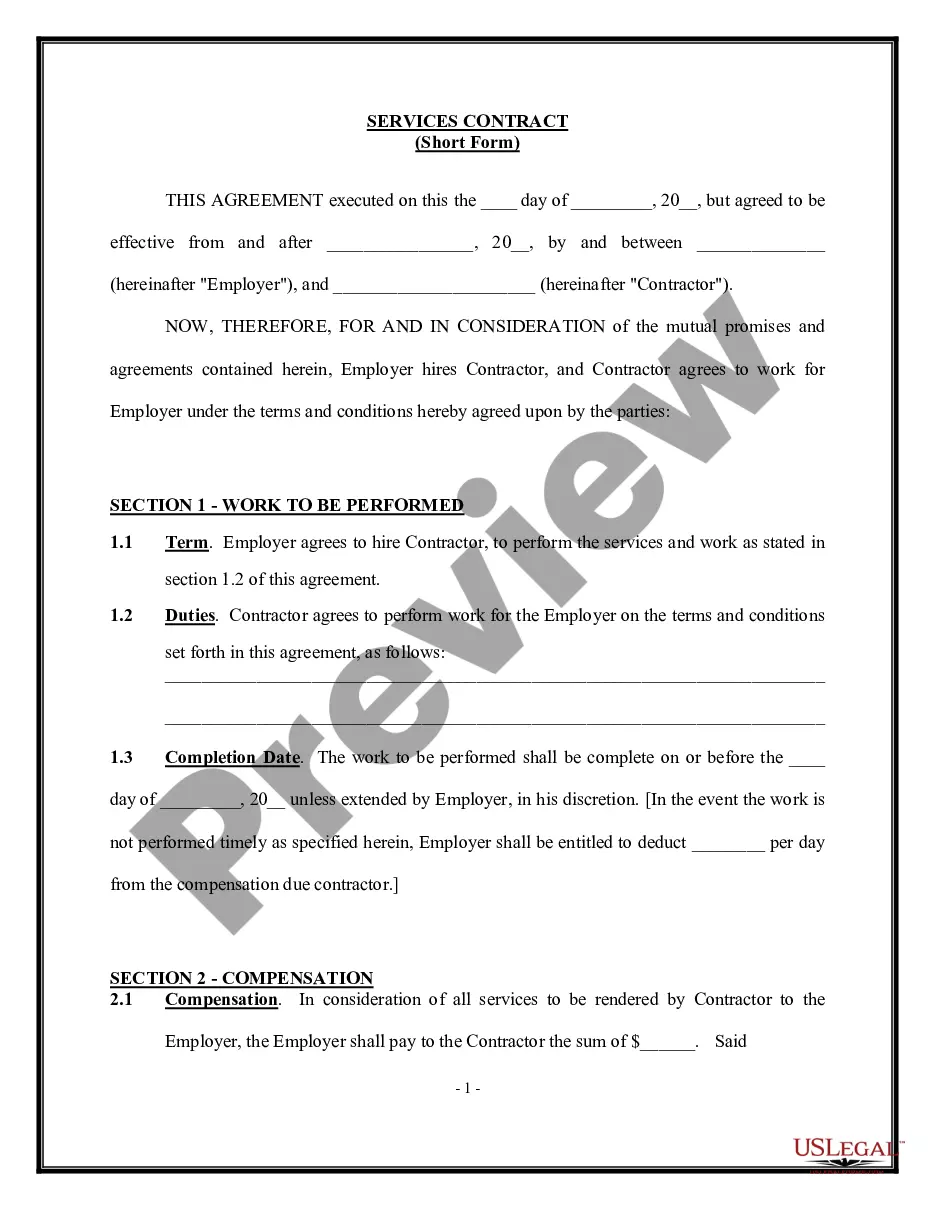
Get your form ready online
Our built-in tools help you complete, sign, share, and store your documents in one place.
Make edits, fill in missing information, and update formatting in US Legal Forms—just like you would in MS Word.
Download a copy, print it, send it by email, or mail it via USPS—whatever works best for your next step.
Sign and collect signatures with our SignNow integration. Send to multiple recipients, set reminders, and more. Go Premium to unlock E-Sign.
If this form requires notarization, complete it online through a secure video call—no need to meet a notary in person or wait for an appointment.
We protect your documents and personal data by following strict security and privacy standards.

Make edits, fill in missing information, and update formatting in US Legal Forms—just like you would in MS Word.

Download a copy, print it, send it by email, or mail it via USPS—whatever works best for your next step.

Sign and collect signatures with our SignNow integration. Send to multiple recipients, set reminders, and more. Go Premium to unlock E-Sign.

If this form requires notarization, complete it online through a secure video call—no need to meet a notary in person or wait for an appointment.

We protect your documents and personal data by following strict security and privacy standards.
Looking for another form?

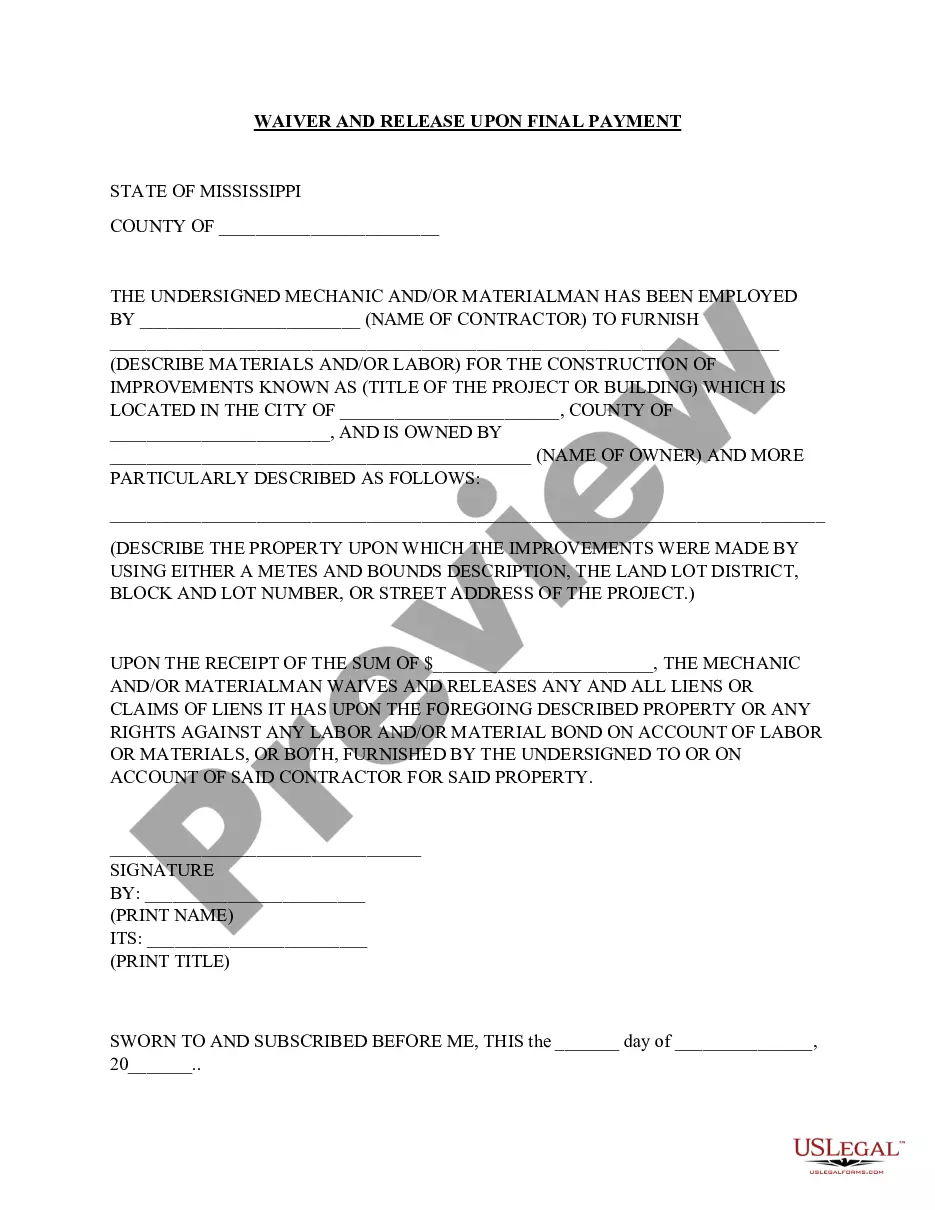



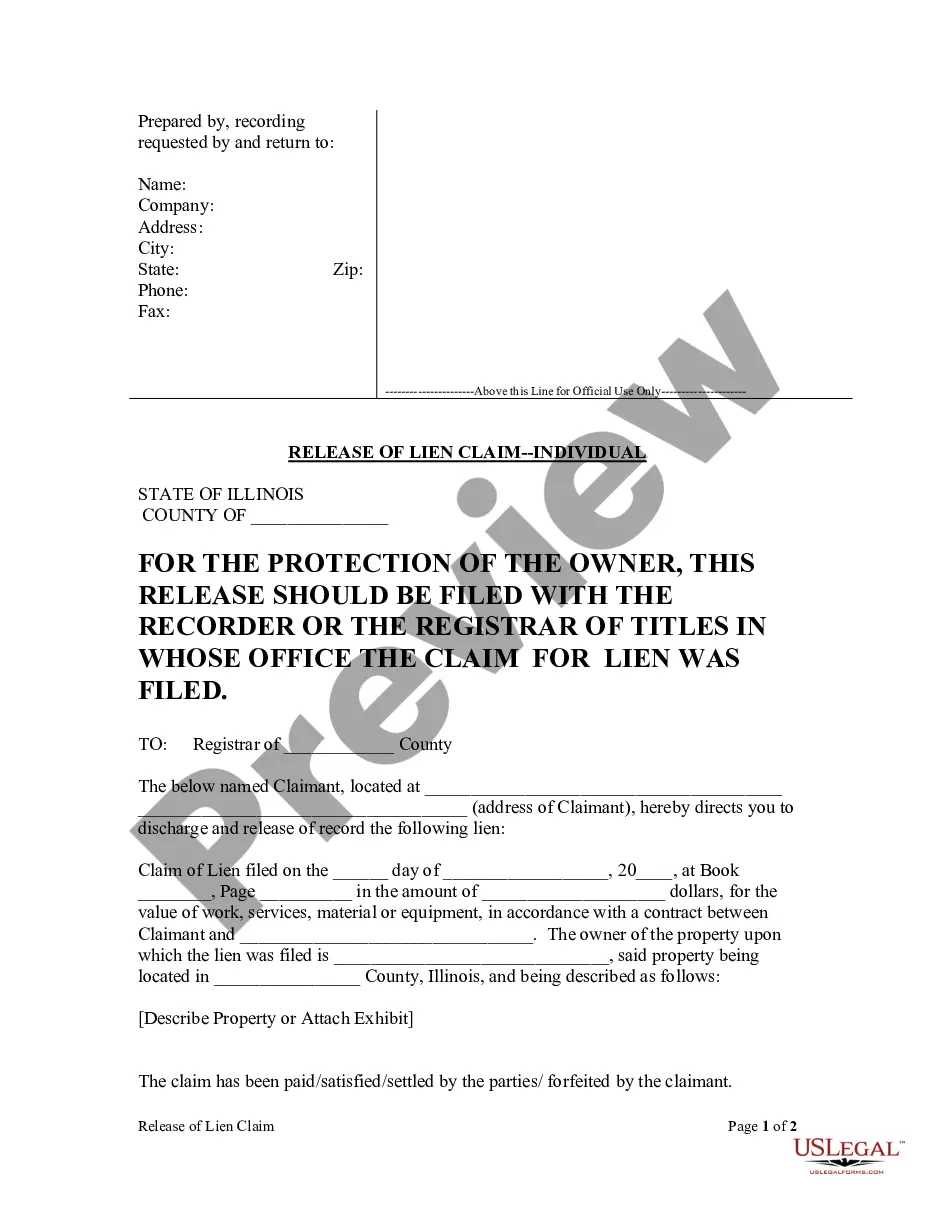




Form popularity
FAQ
Any events that are within the reasonable control of a party, occur as a result of negligence by one of the contracting parties, or are explicitly listed as exceptions in the force majeure clause, will not be deemed a force majeure event.
Under the Parental Leave Act, you are entitled to Force Majeure leave where for urgent family reasons, your immediate presence is required owing to an injury or illness of a close family member.
The definition of "force majeure" generally includes "risks beyond the reasonable control of a party, incurred not as a product or result of the negligence of the afflicted party, which have a materially adverse effect on the ability of such party to perform its obligations".
Either Party shall be excused from performance and shall not be in default in respect of any obligation hereunder to the extent that the failure to perform such obligation is due to a Natural Force Majeure Event.
Force majeure is the situation-based doctrine under which a supervening event may excuse liability for non-performance, provided the supervening event is unforeseeable, uncontrollable, and makes the performance of an obligation impossible – thus qualifying as a “force majeure event”.
For events to constitute the use of force majeure, they must be unforeseeable, external to contract parties, and unavoidable. Force majeure means “greater force” and is related to an act of God, an event for which no party can be held accountable.
How to apply for force majeure leave. You must tell your employer as soon as possible that you need to take force majeure leave. As soon as you return to work, you must make your application in writing to your employer.
For the avoidance of doubt, Force Majeure shall not include (a) financial distress nor the inability of either party to make a profit or avoid a financial loss, (b) changes in market prices or conditions, or (c) a party's financial inability to perform its obligations hereunder.
Issuing notice is a key component of a Force Majeure clause because it explains that the impact of a Force Majeure event cannot last forever. It will only allow a party to the contract to decry 'Force Majeure' for a certain period of time--usually within 5-10 days since the first day of the Force Majeure Event.
Other types of events that may be specified as force majeure events include outbreak of disease, war, work stoppages, actions of governments and extreme weather events. In addition, some contracts may include industryspecific eventualities, which may or may not cover COVID-19.
