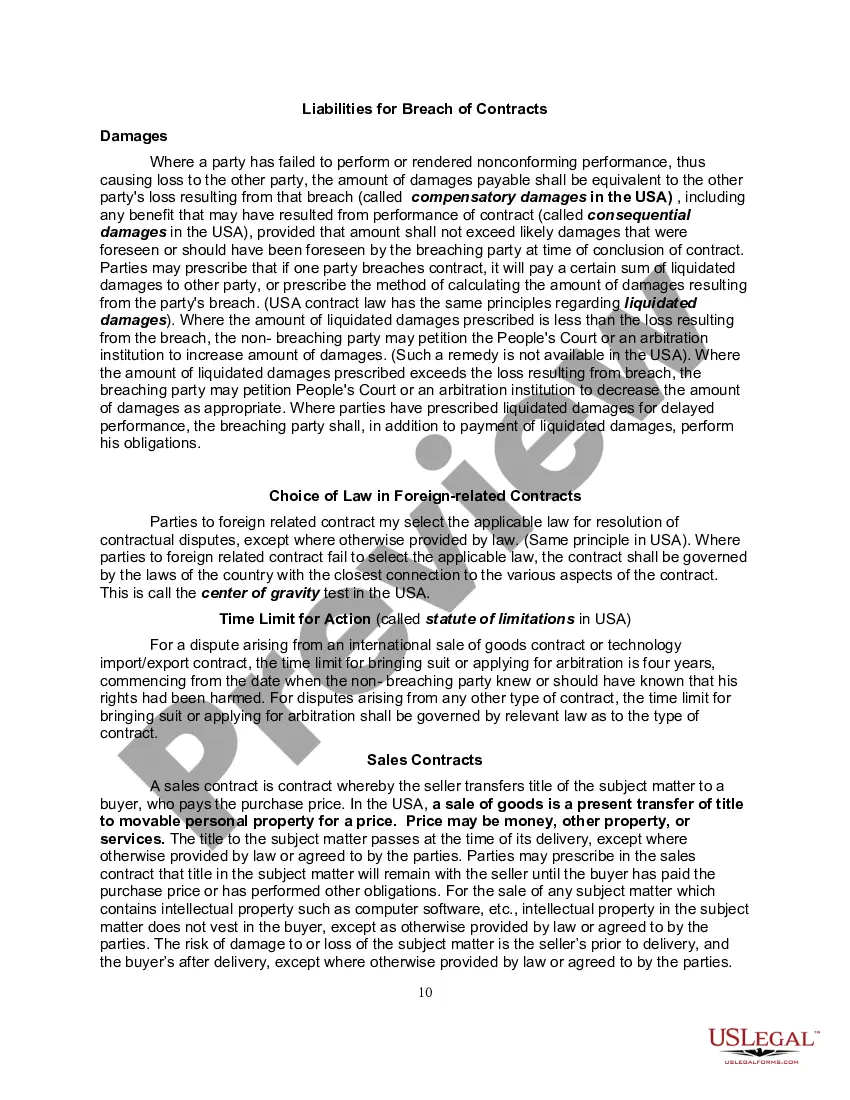
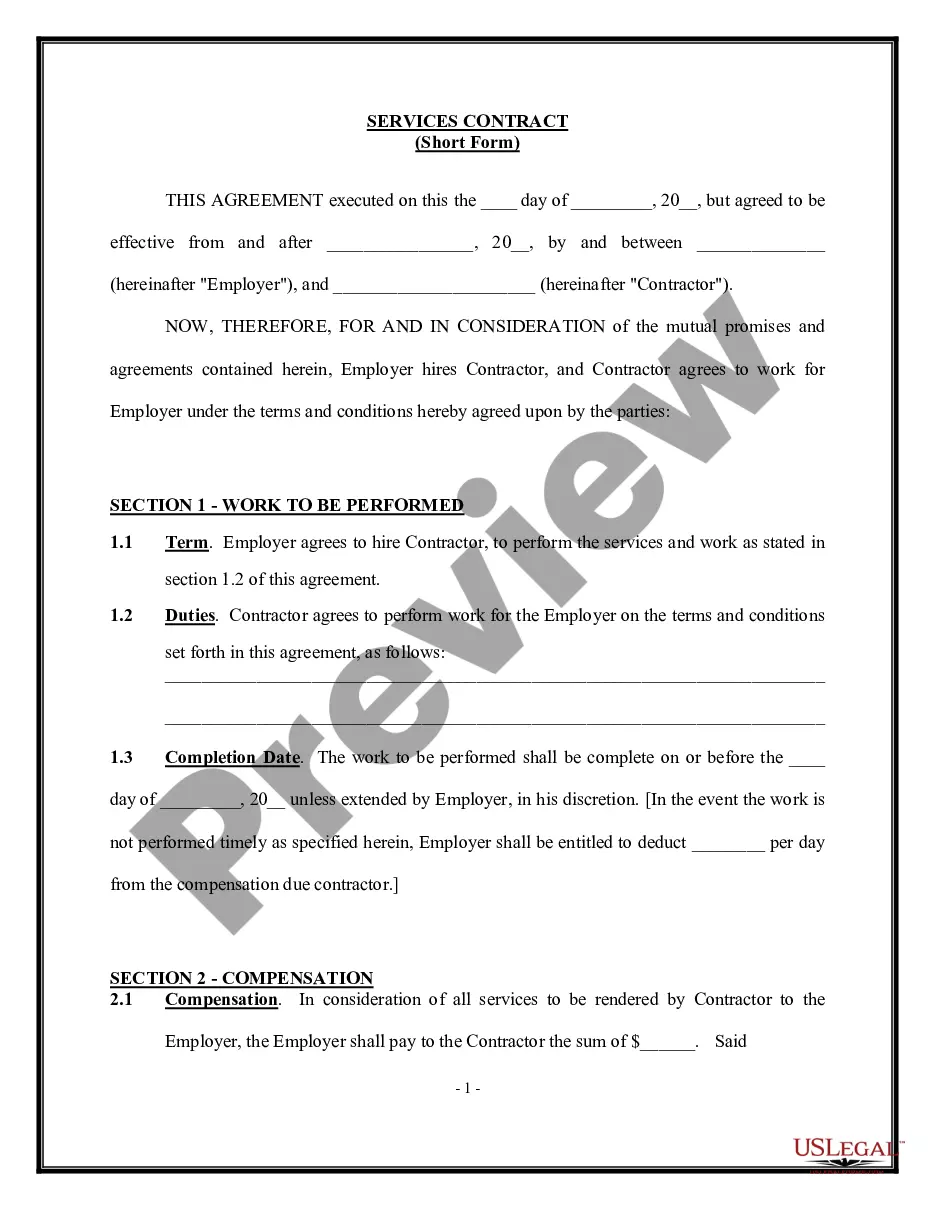
Contract Law In Uk In Santa Clara
Description



Get your form ready online
Our built-in tools help you complete, sign, share, and store your documents in one place.
Make edits, fill in missing information, and update formatting in US Legal Forms—just like you would in MS Word.
Download a copy, print it, send it by email, or mail it via USPS—whatever works best for your next step.
Sign and collect signatures with our SignNow integration. Send to multiple recipients, set reminders, and more. Go Premium to unlock E-Sign.
If this form requires notarization, complete it online through a secure video call—no need to meet a notary in person or wait for an appointment.
We protect your documents and personal data by following strict security and privacy standards.

Make edits, fill in missing information, and update formatting in US Legal Forms—just like you would in MS Word.

Download a copy, print it, send it by email, or mail it via USPS—whatever works best for your next step.

Sign and collect signatures with our SignNow integration. Send to multiple recipients, set reminders, and more. Go Premium to unlock E-Sign.

If this form requires notarization, complete it online through a secure video call—no need to meet a notary in person or wait for an appointment.

We protect your documents and personal data by following strict security and privacy standards.
Looking for another form?






Form popularity
FAQ
In common law, there are 3 basic essentials to the creation of a contract: (i) agreement; (ii) contractual intention; and (iii) consideration. 3. The first requisite of a contract is that the parties should have reached agreement.
There is no law stating that employees must receive a written contract from their employer. If you want to carry on employing your team without providing one, then you certainly can. The option is there. It's just not a good idea.
Essential Elements of a Valid Contract in the UK Offer: One party must make a clear and specific offer to another party. This offer must be made with the intention of creating a legal relationship. Acceptance: The other party must accept the offer in its entirety and without any conditions.
If you decide to pursue a claim for breach of contract, you will need evidence of the breach. It is therefore crucial to collate and retain all relevant evidence. You should take photographs of any defective goods as soon as they are received. If possible, speak to witnesses and make a note of their recollection.
If you did not sign a contract in most cases you would be an at will employee and can be terminated for any reason, however if the employer had a policy regarding what constitutes termination, and requires just cause for termination you would be protected.
1. A contract is an agreement giving rise to obligations which are enforced or recognised by law. 2. In common law, there are 3 basic essentials to the creation of a contract: (i) agreement; (ii) contractual intention; and (iii) consideration.
First, to become a contract attorney, one must earn a bachelor's degree and graduate with good grades. It is recommended, but not required, to earn a degree in a legally-related field, such as criminal justice or political science. Before applying for law school, you must take the LSAT and get a good score.
Regardless of whether the contract is verbal or written, it has to include: an offer. an acceptance. an intention to create a legal relationship. a consideration (usually monetary).
The dominant source of contract law is common law, whereby the previous decisions of the courts form part of the current law. There are also various statutory provisions which support contract law, one example which will be discussed later in this guide is the Unfair Contract Terms Act 1977.
Contract exams are not as transactional as criminal law or torts, so many law students find them more difficult. There are a lot of interlocking pieces on a contract law exam. Generally, the exam has one to three contracts at issue and you must analyze those in great depth.
