Contract Law Force Majeure In Oakland
Description

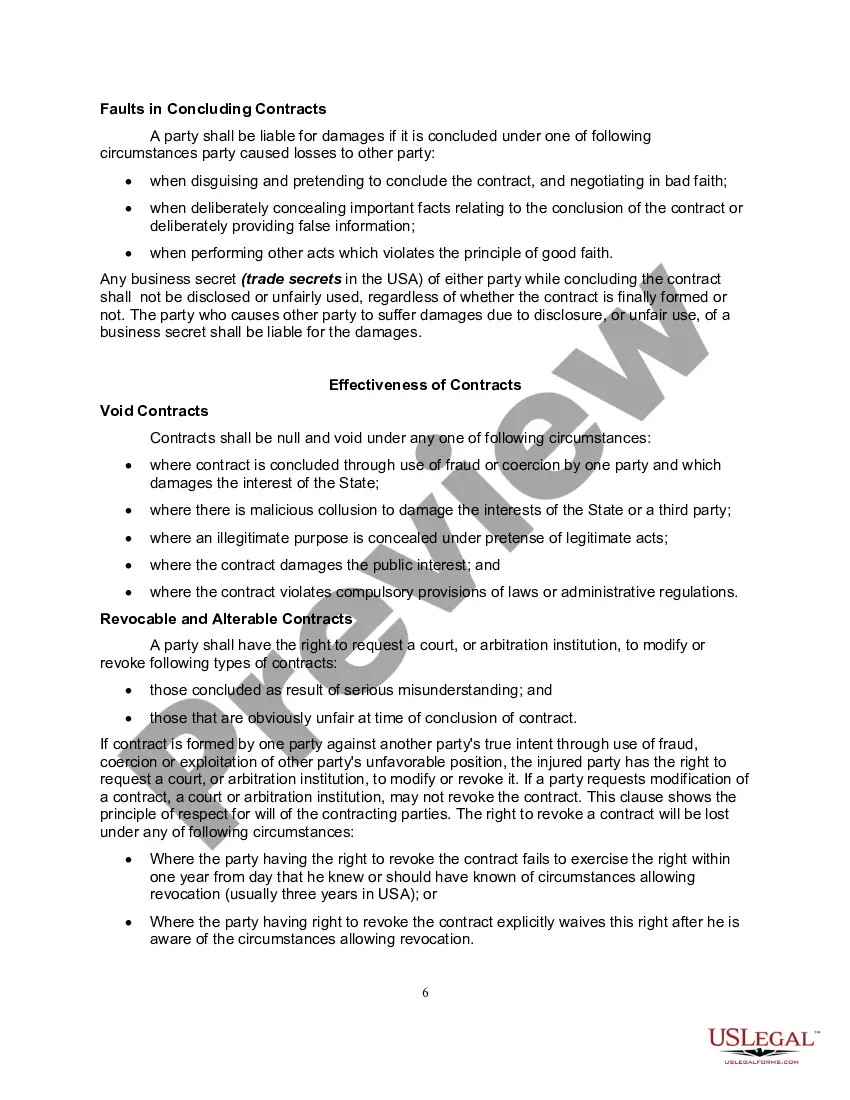
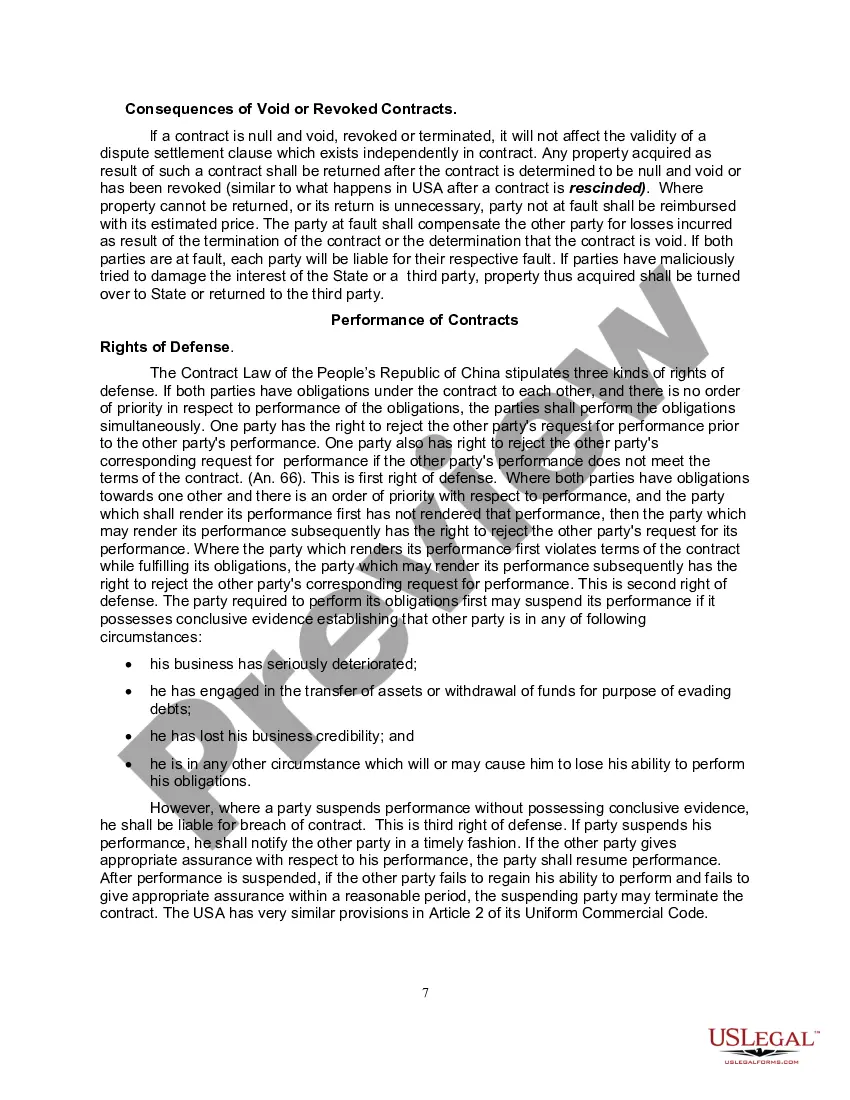
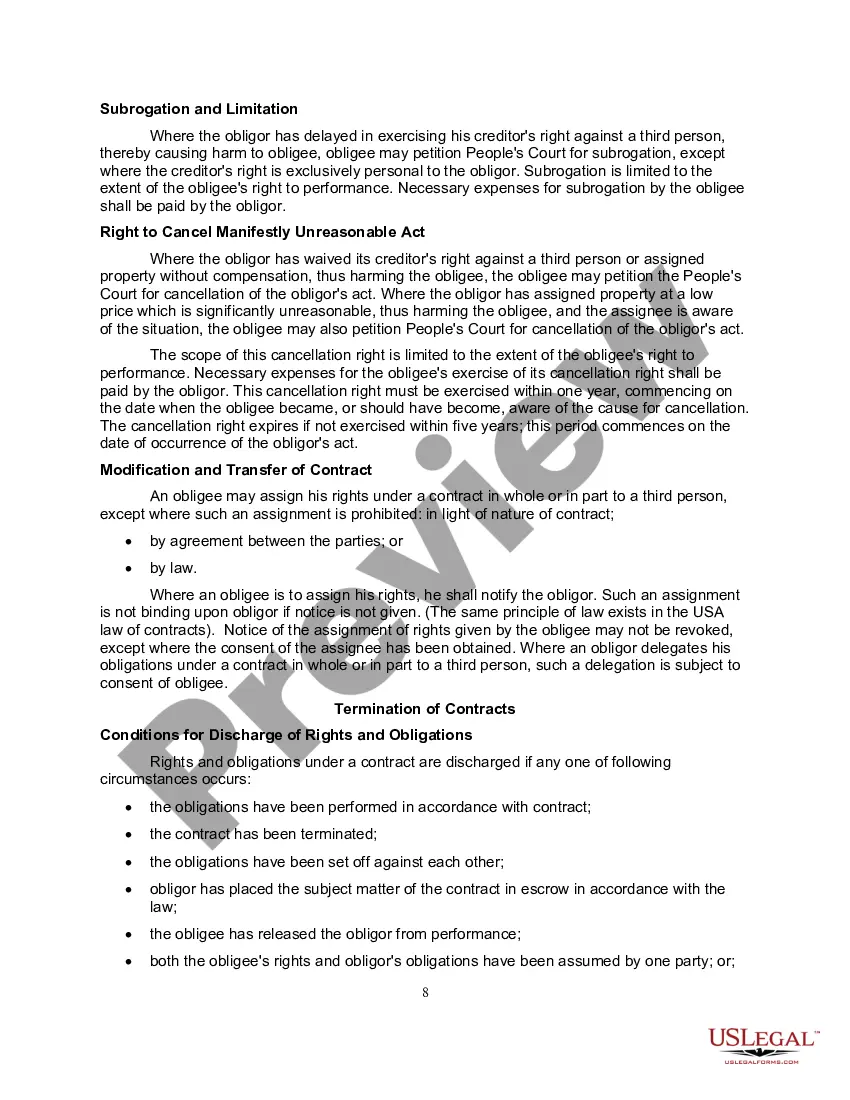
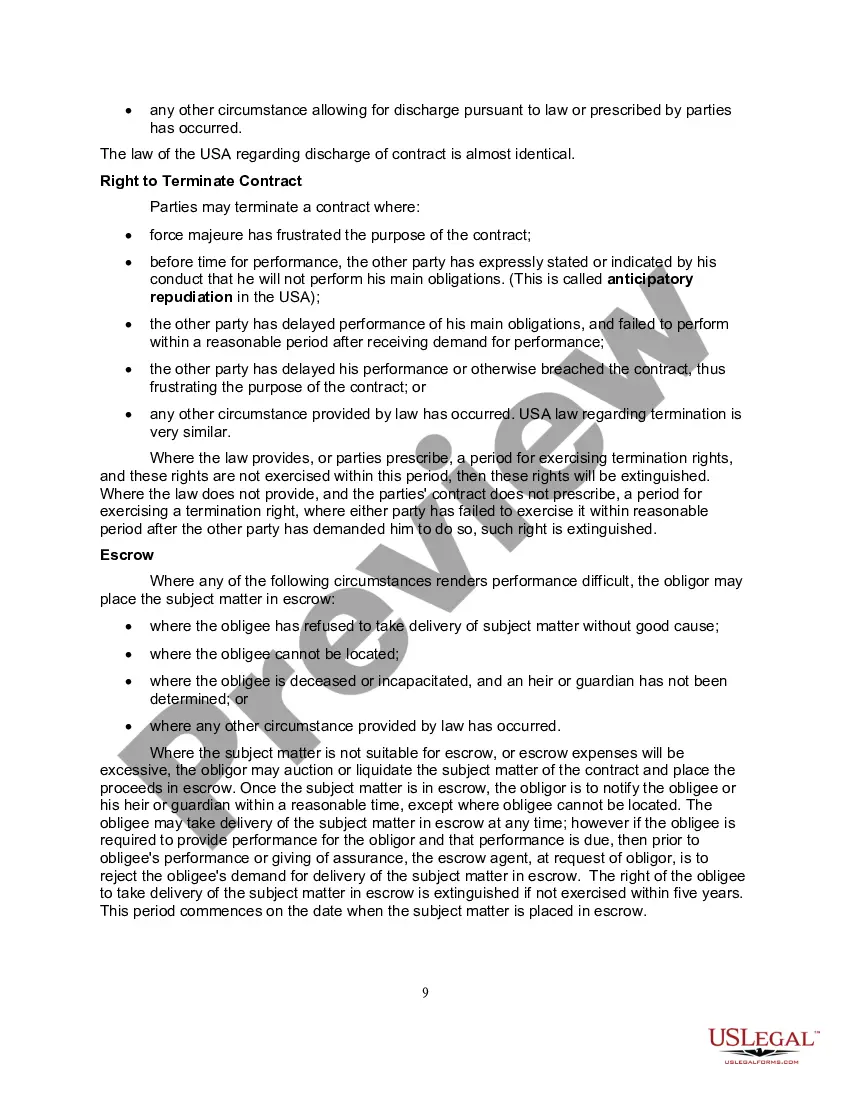


Get your form ready online
Our built-in tools help you complete, sign, share, and store your documents in one place.
Make edits, fill in missing information, and update formatting in US Legal Forms—just like you would in MS Word.
Download a copy, print it, send it by email, or mail it via USPS—whatever works best for your next step.
Sign and collect signatures with our SignNow integration. Send to multiple recipients, set reminders, and more. Go Premium to unlock E-Sign.
If this form requires notarization, complete it online through a secure video call—no need to meet a notary in person or wait for an appointment.
We protect your documents and personal data by following strict security and privacy standards.

Make edits, fill in missing information, and update formatting in US Legal Forms—just like you would in MS Word.

Download a copy, print it, send it by email, or mail it via USPS—whatever works best for your next step.

Sign and collect signatures with our SignNow integration. Send to multiple recipients, set reminders, and more. Go Premium to unlock E-Sign.

If this form requires notarization, complete it online through a secure video call—no need to meet a notary in person or wait for an appointment.

We protect your documents and personal data by following strict security and privacy standards.
Looking for another form?








Form popularity
FAQ
While force majeure can get you out of a contract, it can only be used in specific circumstances. Some of these can include: Unforeseeable Events: Force majeure clauses typically cover events that are beyond the control of the parties involved.
For example, imagine that A contracts to repair B's deck. While the contract is pending, a fire destroys B's deck (through no fault of A). A's performance has become impracticable, and its duty is discharged. Standards to show impracticability vary by state.
Force Majeure means urgent family reasons where, owing to an injury to or the illness of an immediate relative, the employee's immediate presence in the same place is indispensable. Force Majeure Leave relates only to the sudden and unexpected injury or illness of an immediate family.
performing party may use a force majeure clause as excuse for nonperformance for circumstances beyond the party's control and not due to any fault or negligence by the nonperforming party. However, mere impracticality or unanticipated difficulty is not enough to excuse performance.
If a contract is silent on force majeure or if the event does not meet the definition of force majeure under the parties' contract, a party's performance may still be excused in certain circumstances under the doctrine of commercial impracticability.
While force majeure can get you out of a contract, it can only be used in specific circumstances. Some of these can include: Unforeseeable Events: Force majeure clauses typically cover events that are beyond the control of the parties involved.
In contract law, force majeure (/ˌfɔːrs məˈʒɜːr/ FORSS mə-ZHUR; French: fɔʁs maʒœʁ) is a common clause in contracts which essentially frees both parties from liability or obligation when an extraordinary event or circumstance beyond the control of the parties, such as a war, strike, riot, crime, epidemic, or sudden ...
Parties seeking to rely on force majeure are required to show and evidence (i) that the event is unforeseeable and inevitable; (ii) that the event is out of the risks and liabilities under the contract; and (iii) the impact of such event on the performance of their obligations.
For the avoidance of doubt, Force Majeure shall not include (a) financial distress nor the inability of either party to make a profit or avoid a financial loss, (b) changes in market prices or conditions, or (c) a party's financial inability to perform its obligations hereunder.
