Contract Law Forfeiture In Miami-Dade
Description




Get your form ready online
Our built-in tools help you complete, sign, share, and store your documents in one place.
Make edits, fill in missing information, and update formatting in US Legal Forms—just like you would in MS Word.
Download a copy, print it, send it by email, or mail it via USPS—whatever works best for your next step.
Sign and collect signatures with our SignNow integration. Send to multiple recipients, set reminders, and more. Go Premium to unlock E-Sign.
If this form requires notarization, complete it online through a secure video call—no need to meet a notary in person or wait for an appointment.
We protect your documents and personal data by following strict security and privacy standards.

Make edits, fill in missing information, and update formatting in US Legal Forms—just like you would in MS Word.

Download a copy, print it, send it by email, or mail it via USPS—whatever works best for your next step.

Sign and collect signatures with our SignNow integration. Send to multiple recipients, set reminders, and more. Go Premium to unlock E-Sign.

If this form requires notarization, complete it online through a secure video call—no need to meet a notary in person or wait for an appointment.

We protect your documents and personal data by following strict security and privacy standards.
Looking for another form?





Form popularity
FAQ
Contact Clerk of the Court and Comptroller For general information, call 305-275-1155 for the Interactive Voice Response System.
(3)(a) Personal property may be seized at the time of the violation or subsequent to the violation, if the person entitled to notice is notified at the time of the seizure or by certified mail, return receipt requested, that there is a right to an adversarial preliminary hearing after the seizure to determine whether ...
Seizures under the Florida Contraband Forfeiture Act Under Section 932.703(1), F.S., personal property may be seized during or after the violation if the person entitled to be notified is notified at the time of the seizure or thereafter by certified mail.
The sheriff's department can seize: Personal property: movable things (e.g., cars, horses, boats, furniture, jewelry) owned by the debtor. Real property: land and buildings owned by the debtor.
Whatever the case, the search may be conducted as follows: At the Miami-Dade County Clerk of the Court and Comptroller's office. By accessing online databases provided by the Miami-Dade County Clerk of the Court and Comptroller. Using online databases provided by third-party aggregator websites.
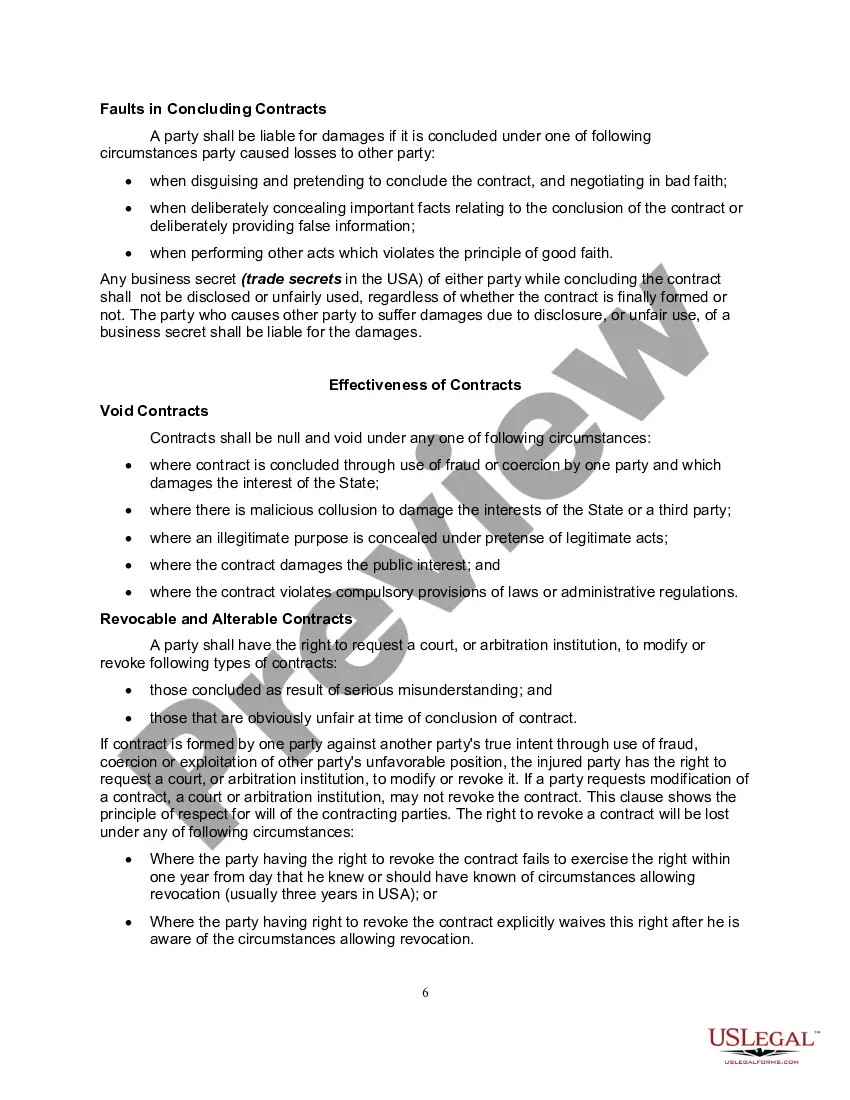
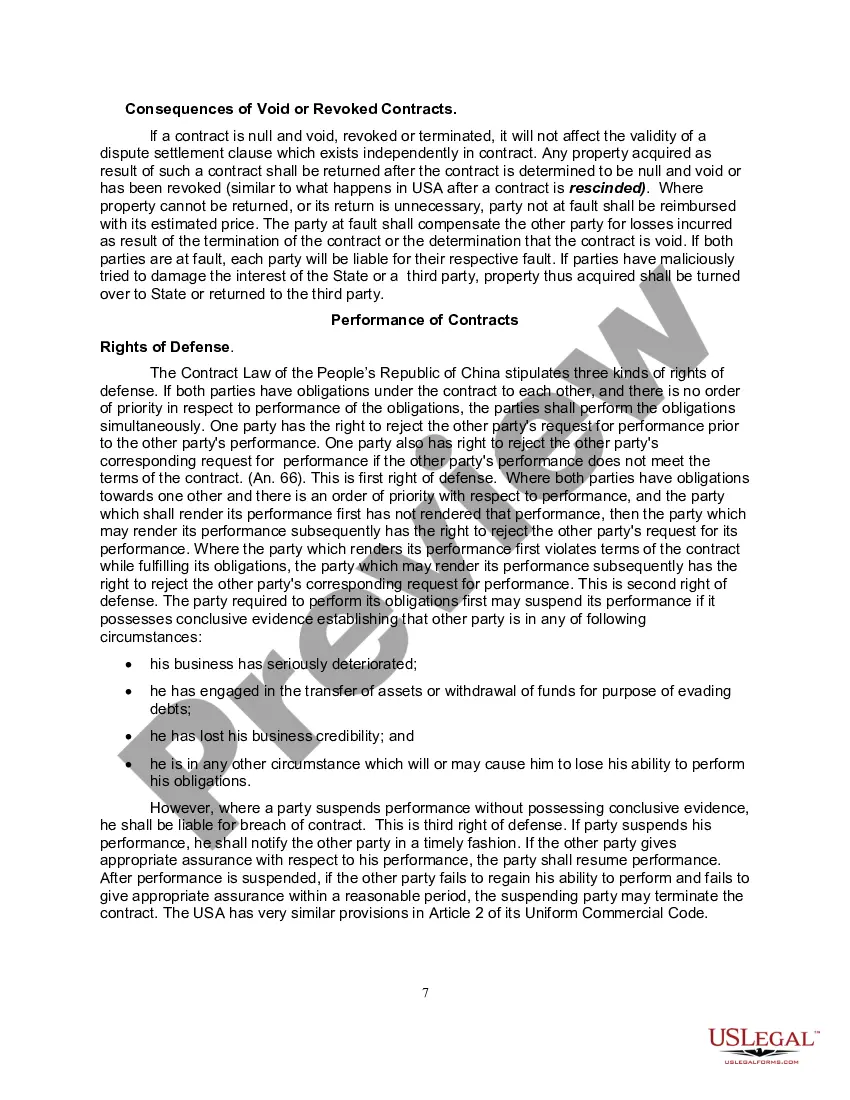
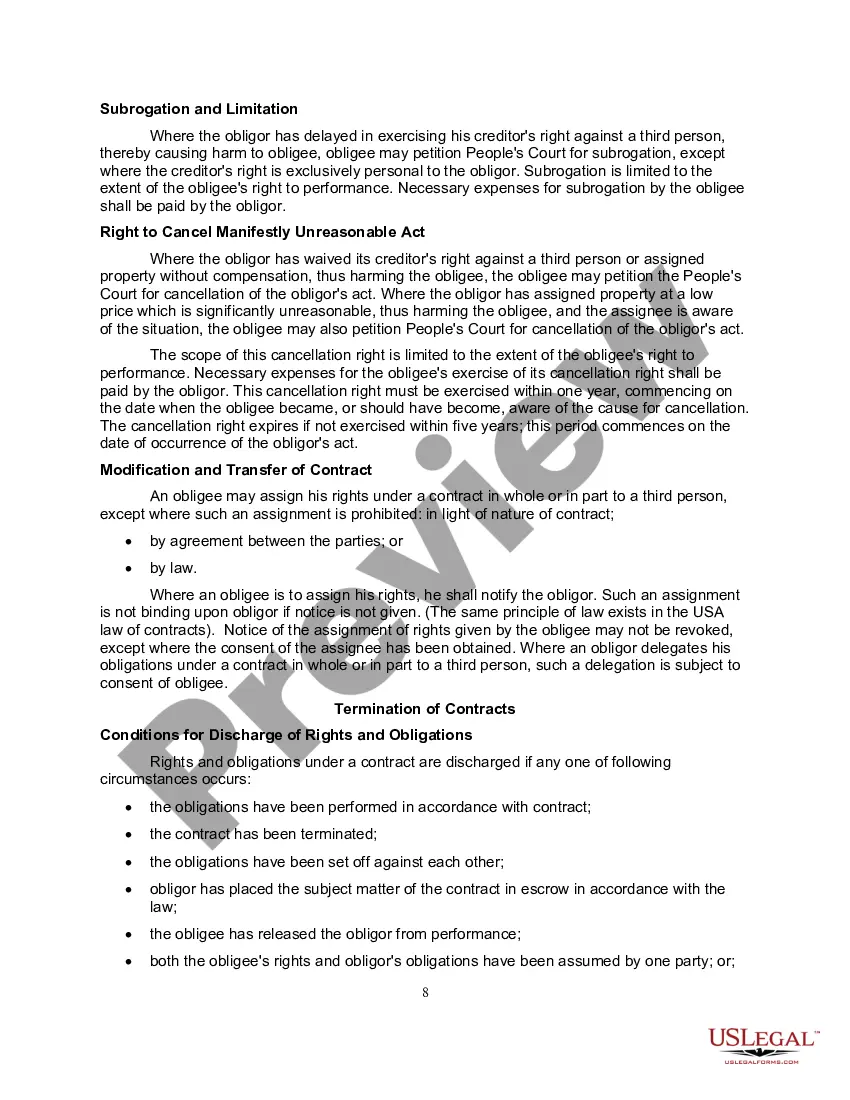
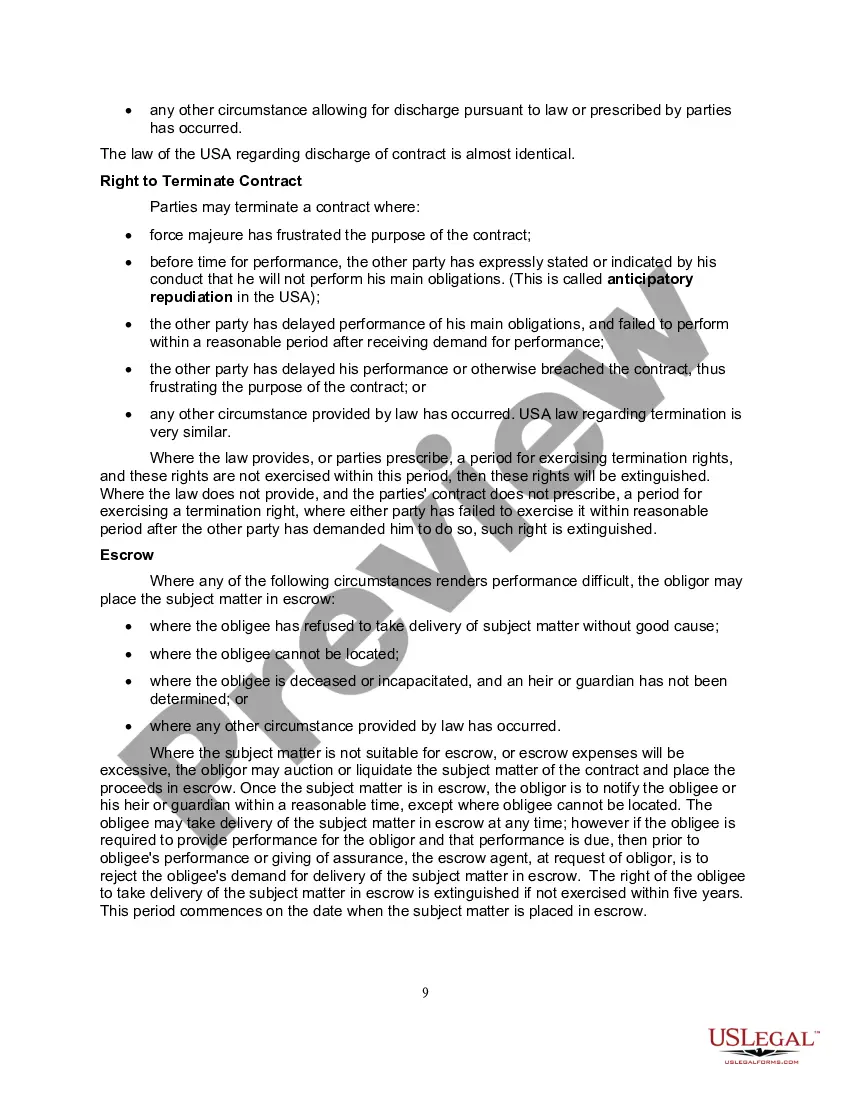
Sections 932.701-932.706, F.S., comprise the Florida Contraband Forfeiture Act, which provides for the seizure and civil forfeiture of property related to criminal and non-criminal law violations. Contraband and other property may be seized when utilized during or to violate the Act.
To claim squatters' rights or adverse possession in Florida, a person must openly occupy the property without the owner's permission for at least seven continuous years. They'll also need to meet specific conditions, such as enclosing or improving the land.
(3)(a) Personal property may be seized at the time of the violation or subsequent to the violation, if the person entitled to notice is notified at the time of the seizure or by certified mail, return receipt requested, that there is a right to an adversarial preliminary hearing after the seizure to determine whether ...
Florida earns a C for its civil forfeiture laws. Higher bar to forfeit: Prosecutors must prove beyond a reasonable doubt that property is connected to a crime. Stronger protections for the innocent: The government must prove third-party owners knew about criminal activity connected to their property.
In the context of real property law, a right of forfeiture is generally understood to be synonymous with a right of re-entry. This is a proprietary right, capable indeed of being a legal interest in land, where it is exercisable over or in respect of a legal term of years or annexed to a legal rentcharge: s.
