Contract Law Without Foundations In Houston
Description

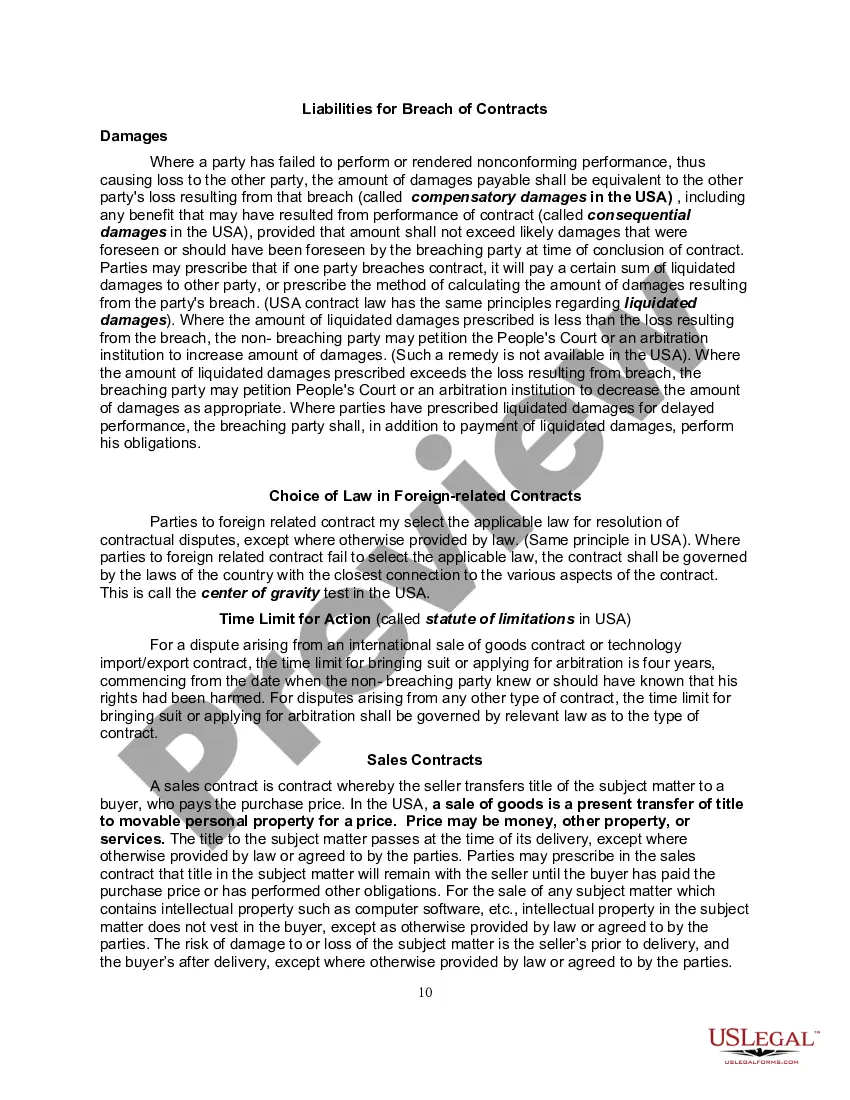


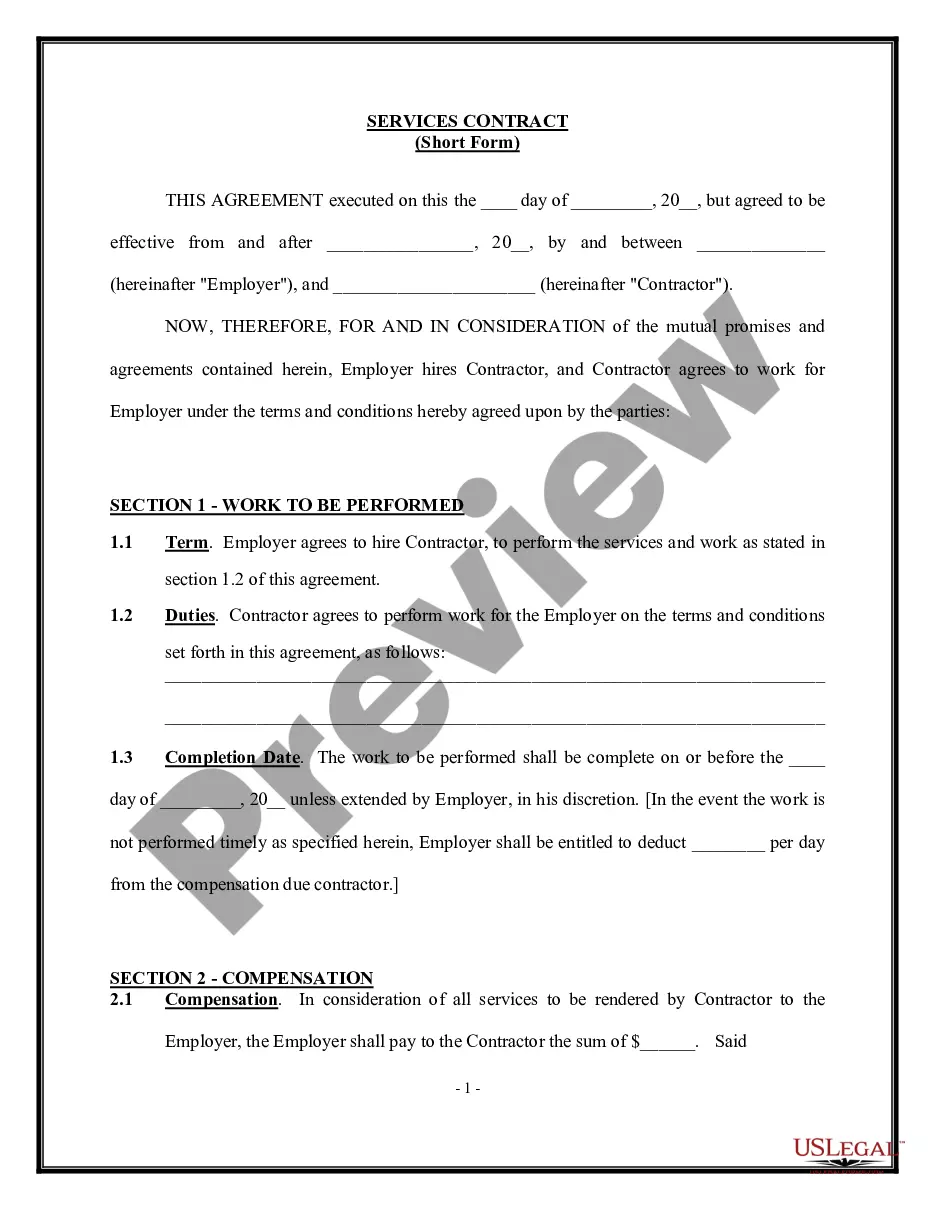
Get your form ready online
Our built-in tools help you complete, sign, share, and store your documents in one place.
Make edits, fill in missing information, and update formatting in US Legal Forms—just like you would in MS Word.
Download a copy, print it, send it by email, or mail it via USPS—whatever works best for your next step.
Sign and collect signatures with our SignNow integration. Send to multiple recipients, set reminders, and more. Go Premium to unlock E-Sign.
If this form requires notarization, complete it online through a secure video call—no need to meet a notary in person or wait for an appointment.
We protect your documents and personal data by following strict security and privacy standards.

Make edits, fill in missing information, and update formatting in US Legal Forms—just like you would in MS Word.

Download a copy, print it, send it by email, or mail it via USPS—whatever works best for your next step.

Sign and collect signatures with our SignNow integration. Send to multiple recipients, set reminders, and more. Go Premium to unlock E-Sign.

If this form requires notarization, complete it online through a secure video call—no need to meet a notary in person or wait for an appointment.

We protect your documents and personal data by following strict security and privacy standards.
Looking for another form?
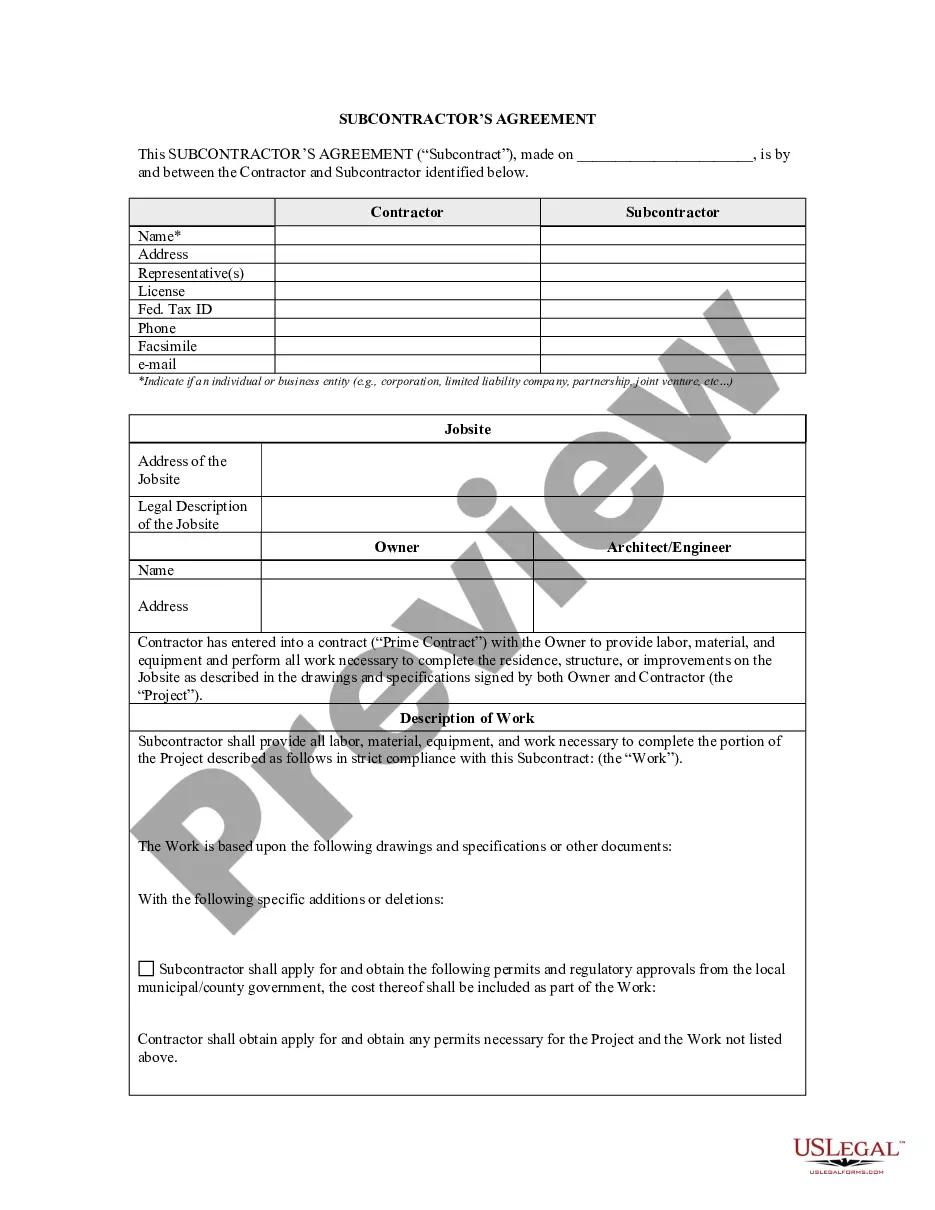




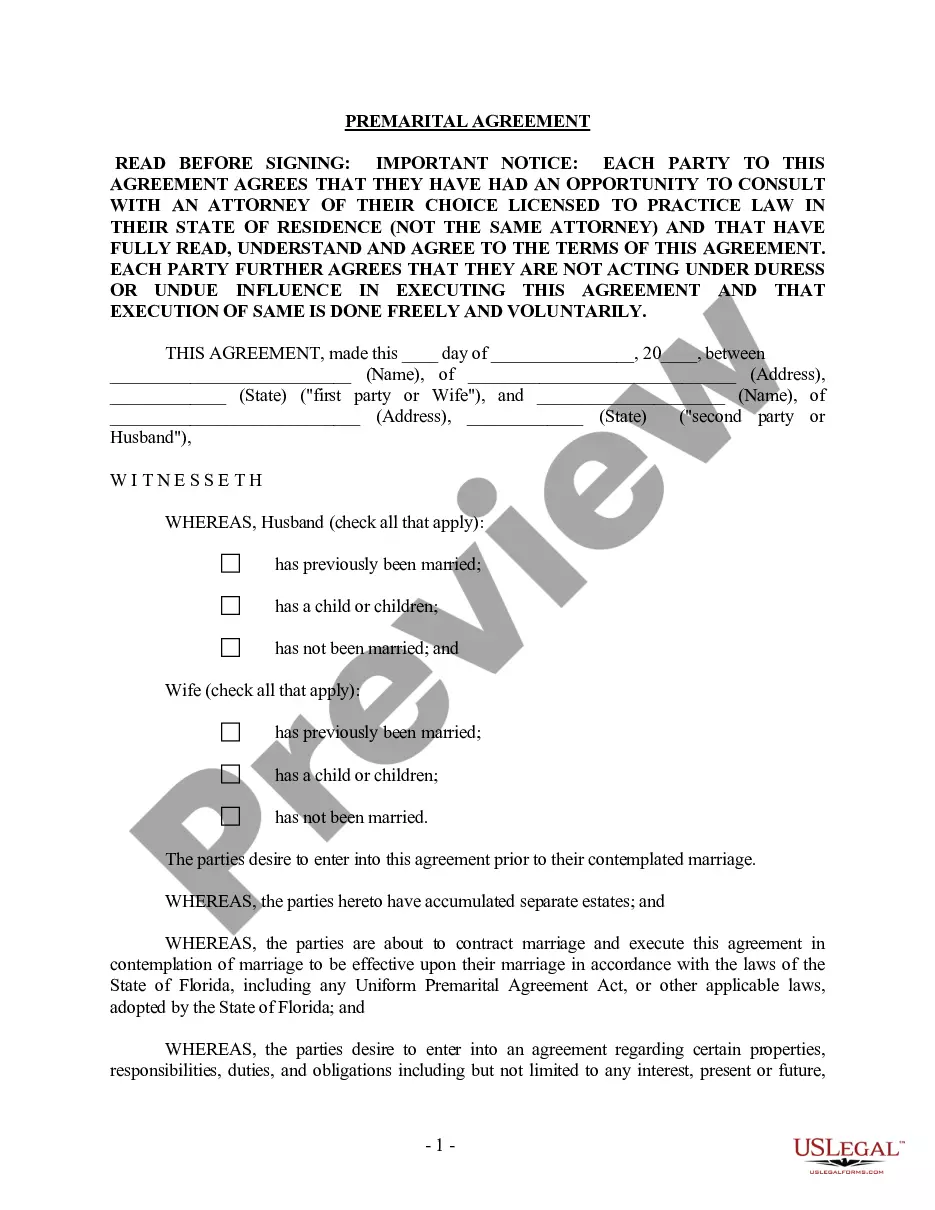



Form popularity
FAQ
Contract conditions determine contractual obligations and can sometimes be excused. Explore contract conditions and the ways they can be excused including anticipatory repudiation, prevention, waiver, impossibility, substantial performance, and divisibility.
A contract can be legally binding only if its purpose is legal. You could not, for example, enforce a contract whose purpose is to bargain for illegal drugs or weapons. For a contract to be enforceable, both parties must express mutual approval of the terms.
Mutual assent, expressed through a valid offer and acceptance, lies at the foundation. Both parties must clearly understand and agree to the terms outlined in the contract. Additionally, consideration, or something of value exchanged between the parties, must be present to support the contract's validity.
The basic elements required for the agreement to be a legally enforceable contract are: mutual assent, expressed by a valid offer and acceptance; adequate consideration; capacity; and legality. In some states, elements of consideration can be satisfied by a valid substitute.
Mistake. The contract may be void if both parties were mistaken about a material fact when signing the agreement. If there is a mutual mistake and it is significant enough to impact the terms of the contract, either party may seek to void the contract.
The basic elements required for the agreement to be a legally enforceable contract are: mutual assent, expressed by a valid offer and acceptance; adequate consideration; capacity; and legality.
Here is a brief overview of the essential elements of a valid contract under Texas law. There Must Be an Offer. There Must Be Acceptance. There Must Be Mutual Consideration. The Parties Must Be Capable of Forming a Contract. The Contract Must Be For a Legal Purpose. The Contract Should Be in Writing.
First, to become a contract attorney, one must earn a bachelor's degree and graduate with good grades. It is recommended, but not required, to earn a degree in a legally-related field, such as criminal justice or political science. Before applying for law school, you must take the LSAT and get a good score.
How To Make A Legal Contract Without A Lawyer Can I Create My Own Contract? The short answer is yes. Write down all the details. Specify performance standards. Include a termination clause. Define key terms. Utilize contract templates. Additional Considerations Include. What App Can I Use To Create A Contract?
Contracts only need (1) a meeting of the minds as to the terms, and (2) exchange of goods and/or services which each party considers to have some non-zero value (called ``consideration''). So, yes, you can write a contract for yourself. You don't need an attorney.
