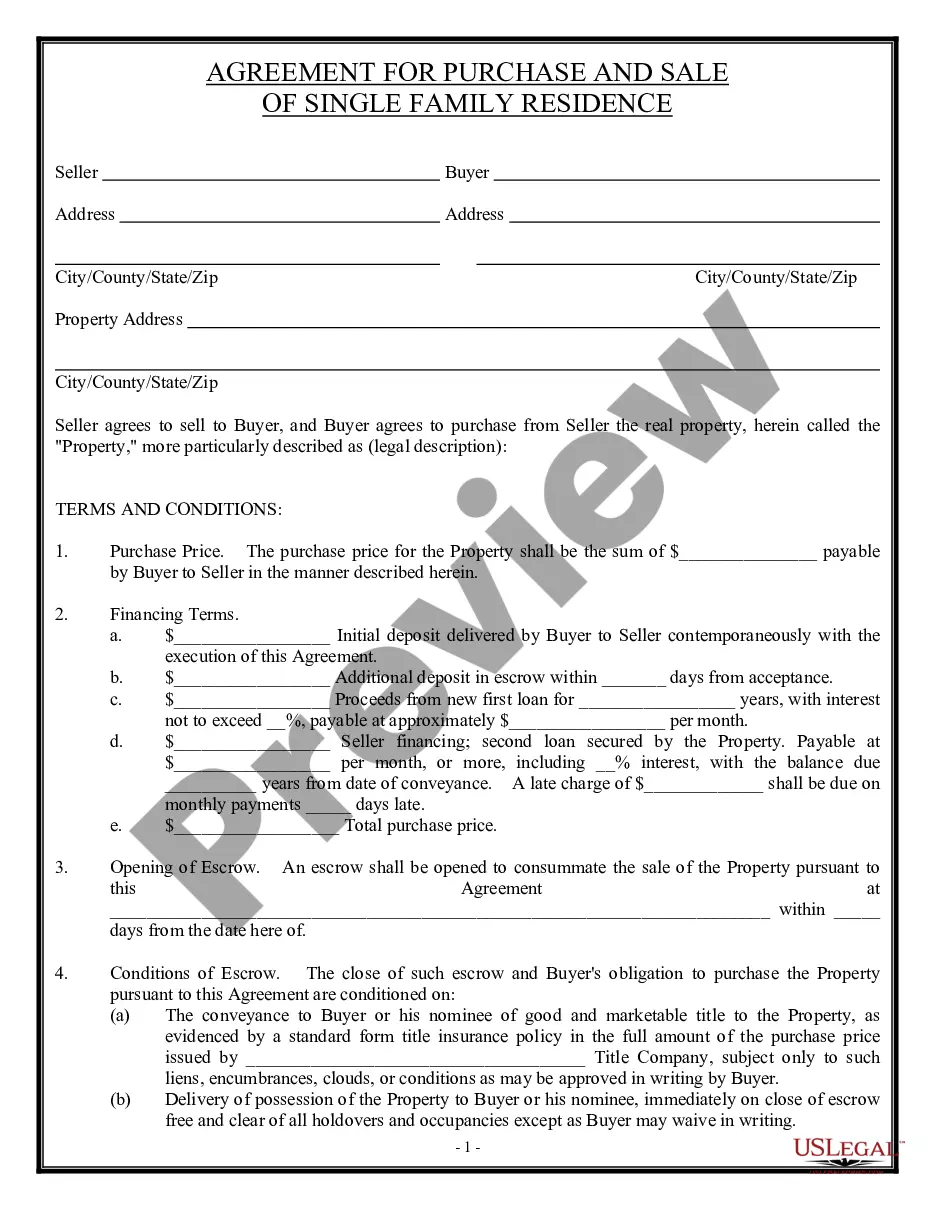
House For Sale By Owner Forms For Florida In Franklin
Description

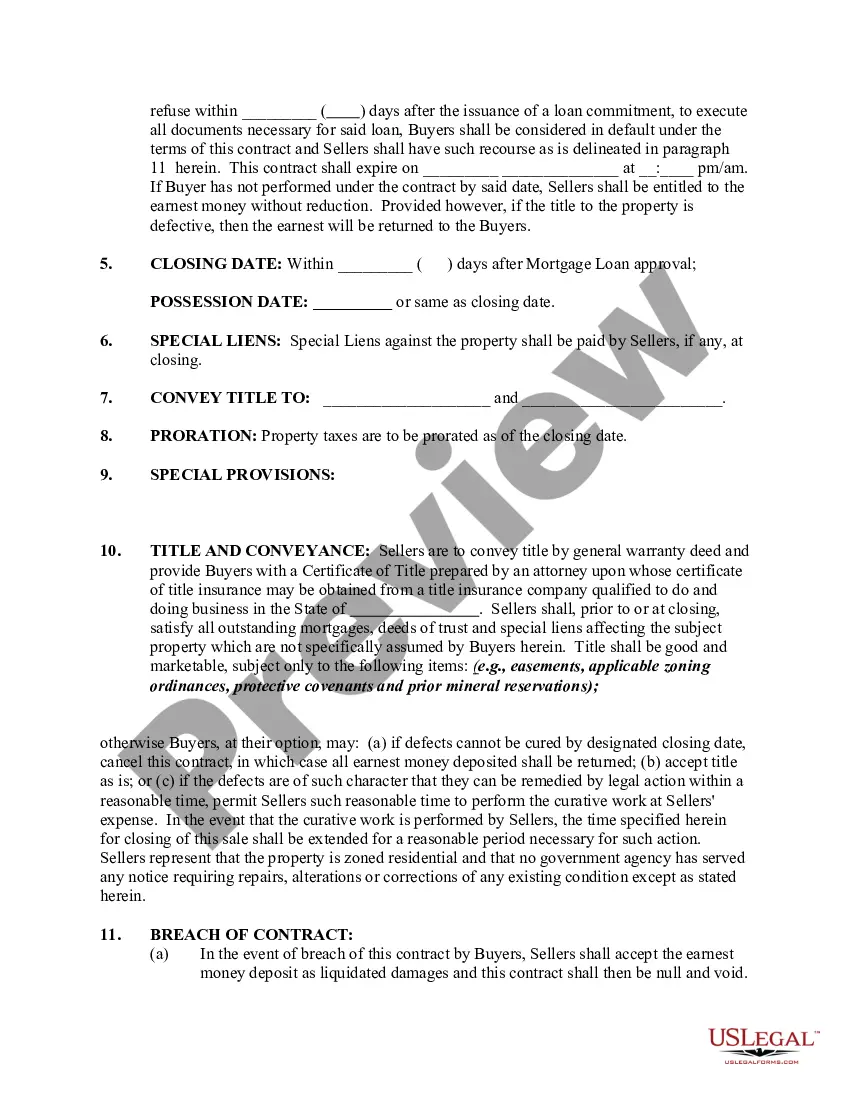
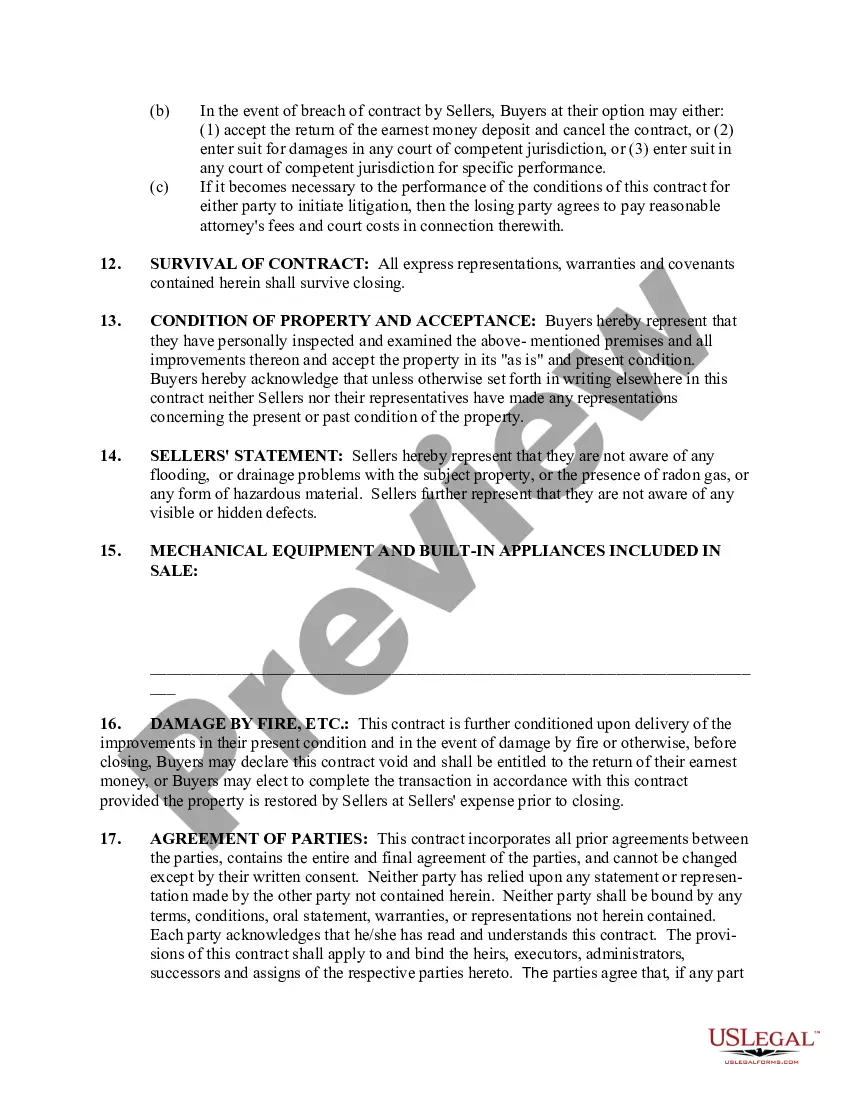
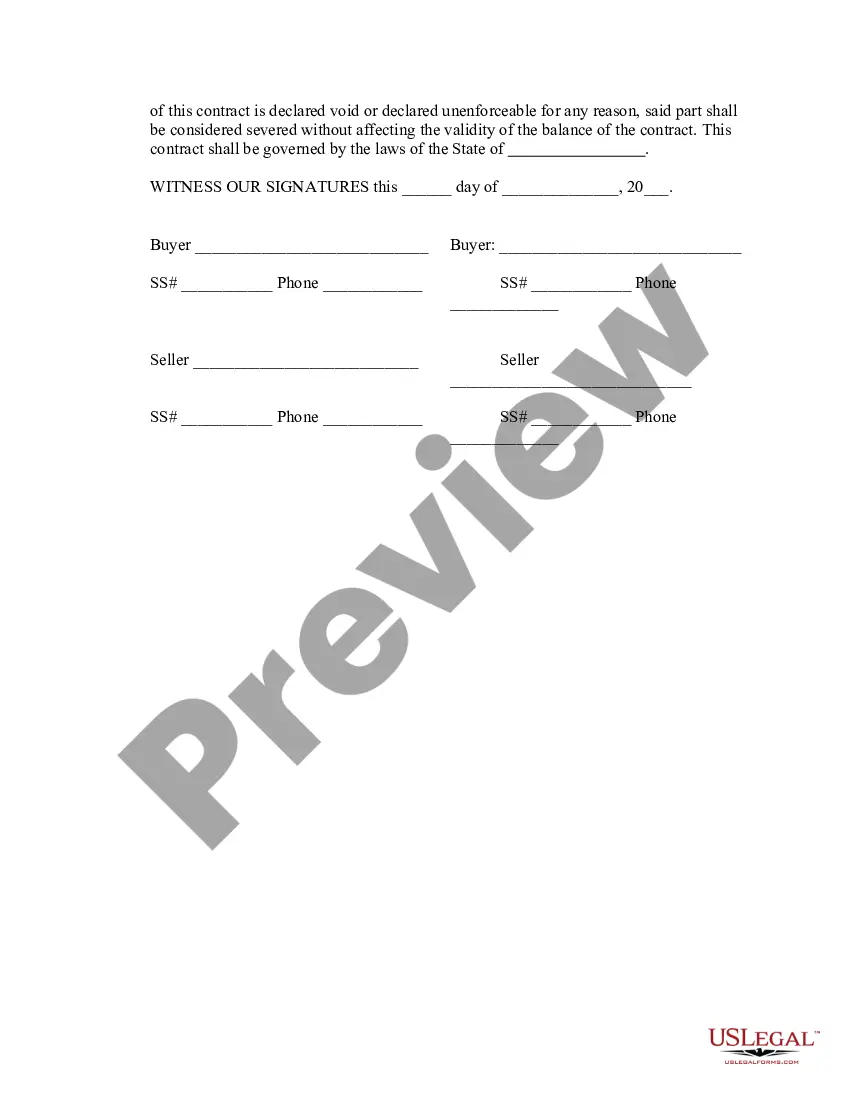
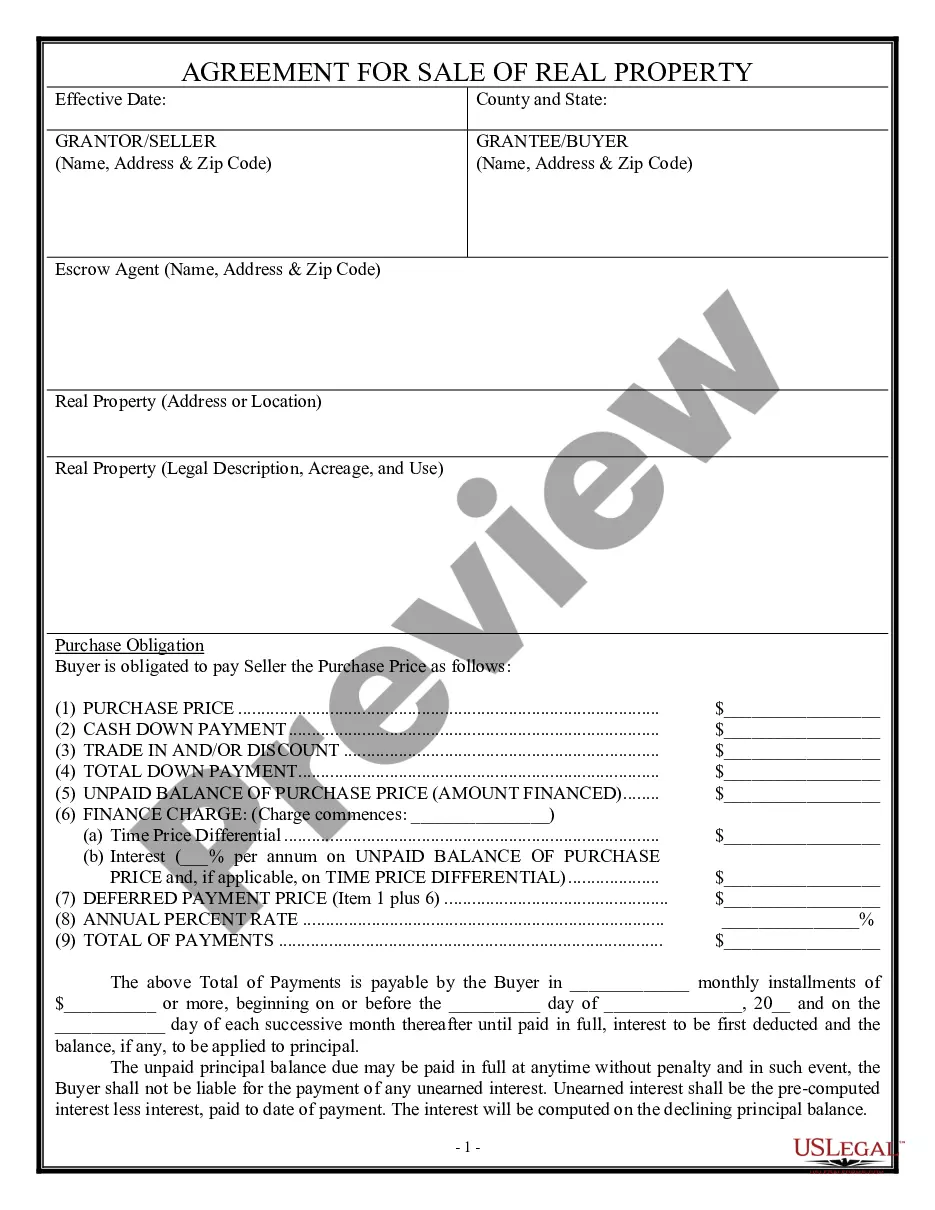
Get your form ready online
Our built-in tools help you complete, sign, share, and store your documents in one place.
Make edits, fill in missing information, and update formatting in US Legal Forms—just like you would in MS Word.
Download a copy, print it, send it by email, or mail it via USPS—whatever works best for your next step.
Sign and collect signatures with our SignNow integration. Send to multiple recipients, set reminders, and more. Go Premium to unlock E-Sign.
If this form requires notarization, complete it online through a secure video call—no need to meet a notary in person or wait for an appointment.
We protect your documents and personal data by following strict security and privacy standards.

Make edits, fill in missing information, and update formatting in US Legal Forms—just like you would in MS Word.

Download a copy, print it, send it by email, or mail it via USPS—whatever works best for your next step.

Sign and collect signatures with our SignNow integration. Send to multiple recipients, set reminders, and more. Go Premium to unlock E-Sign.

If this form requires notarization, complete it online through a secure video call—no need to meet a notary in person or wait for an appointment.

We protect your documents and personal data by following strict security and privacy standards.
Looking for another form?

Form popularity
FAQ
Unlike some states, Florida does not require that sellers involve a lawyer in the house-selling transaction. Nevertheless, you might decide to engage a lawyer at some point—for example, to review the final contract or to assist with closing details.
A title is transferred via a deed, and this is the standard process in Florida real estate transactions. Both are important to leave a record of a title transfer, but a deed works as physical proof. This is why sellers and buyers are required to sign the deed during the closing.
A quit claim deed is the easiest way to change property title in Florida. This type of deed is used to (1) add or remove family members from the title, (2) transfer property to an LLC, (3) transfer property to a living trust, and (4) remove an ex-spouse from the title.
The 2-Out-of-5-Year Rule. One strategy to avoid capital gains tax in Florida is to take advantage of the primary residence exclusion is the “2 Out of 5 Year Rule.” This rule lets an individual exclude up to $250,000 in capital gains taxes from the sale of a home and up to $500,000 for married couples that file jointly.
Who draws up the FSBO contract in Florida? The seller draws up the For Sale By Owner real estate contract in Florida. However, the seller can hire other professionals like a Florida real estate attorney to ensure legal accuracy.
Homestead exemption provides a tax exemption up to $50,000 for persons who are permanent residents of the State of Florida, who hold legal or equitable title to the real property, and who occupy the property as their permanent residence. The first $25,000 applies to all property taxes, including school district taxes.
The FAR/BAR “AS IS” and Standard contracts are comprehensive and simplified agreements that contain all the pertinent provisions typically agreed upon in residential real estate agreements in Florida.
FSBO contracts in Florida should include the following: Contract Title. Details of Seller and Buyer: Full names, marital status and contact information. Contract Date: The date of execution. Property Details. Payment terms. Real Estate Taxes: Detail who pays real estate taxes and how.
For a verbal contract to be legally binding in Florida, it must meet the following criteria: Offer and Acceptance: One party must make an offer, and the other must accept it. This mutual agreement forms the basis of the contract. Consideration: There must be an exchange of value between the parties.
