Contract Law For Clat In Houston
Description




Get your form ready online
Our built-in tools help you complete, sign, share, and store your documents in one place.
Make edits, fill in missing information, and update formatting in US Legal Forms—just like you would in MS Word.
Download a copy, print it, send it by email, or mail it via USPS—whatever works best for your next step.
Sign and collect signatures with our SignNow integration. Send to multiple recipients, set reminders, and more. Go Premium to unlock E-Sign.
If this form requires notarization, complete it online through a secure video call—no need to meet a notary in person or wait for an appointment.
We protect your documents and personal data by following strict security and privacy standards.

Make edits, fill in missing information, and update formatting in US Legal Forms—just like you would in MS Word.

Download a copy, print it, send it by email, or mail it via USPS—whatever works best for your next step.

Sign and collect signatures with our SignNow integration. Send to multiple recipients, set reminders, and more. Go Premium to unlock E-Sign.

If this form requires notarization, complete it online through a secure video call—no need to meet a notary in person or wait for an appointment.

We protect your documents and personal data by following strict security and privacy standards.
Looking for another form?






Form popularity
FAQ
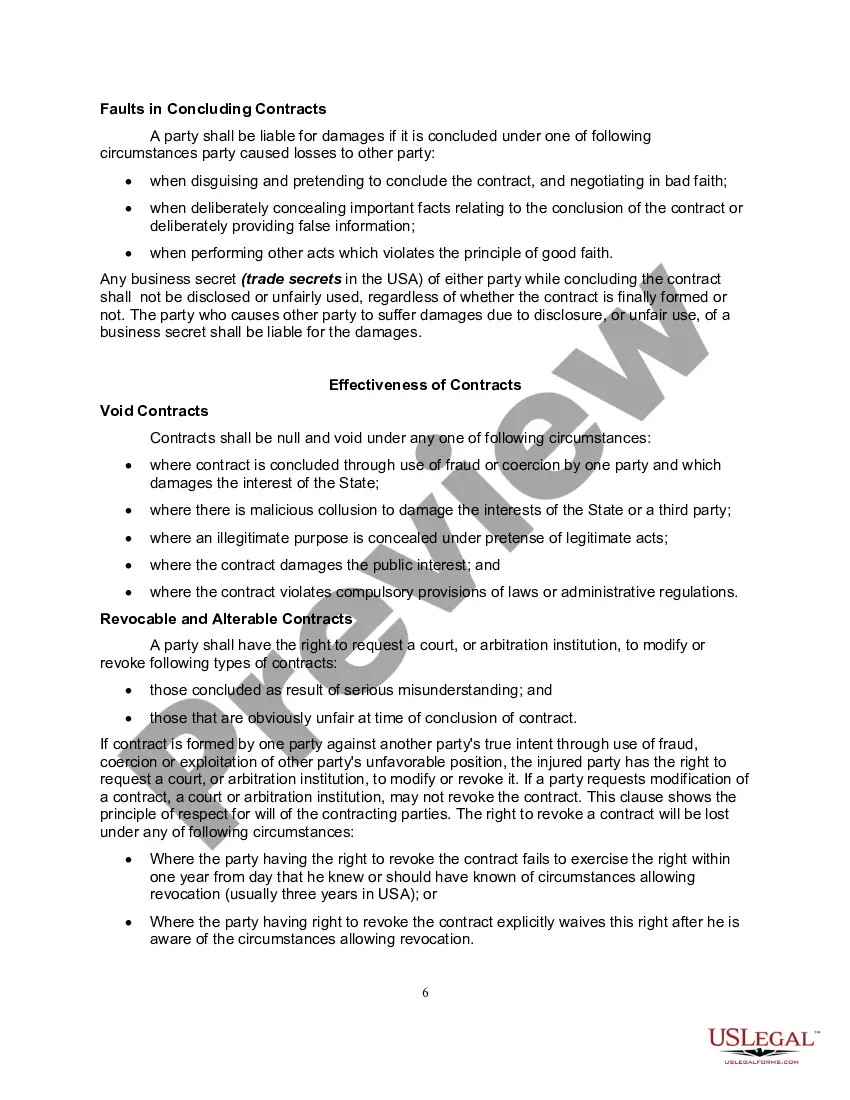
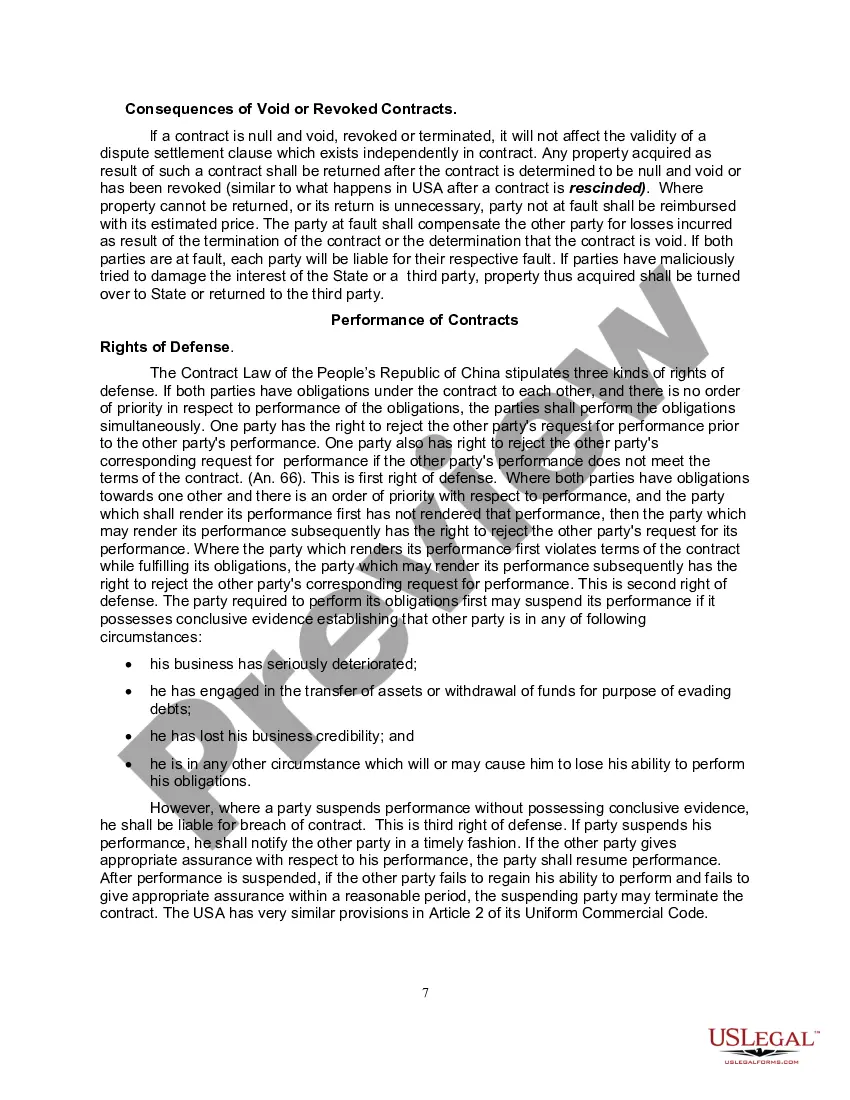
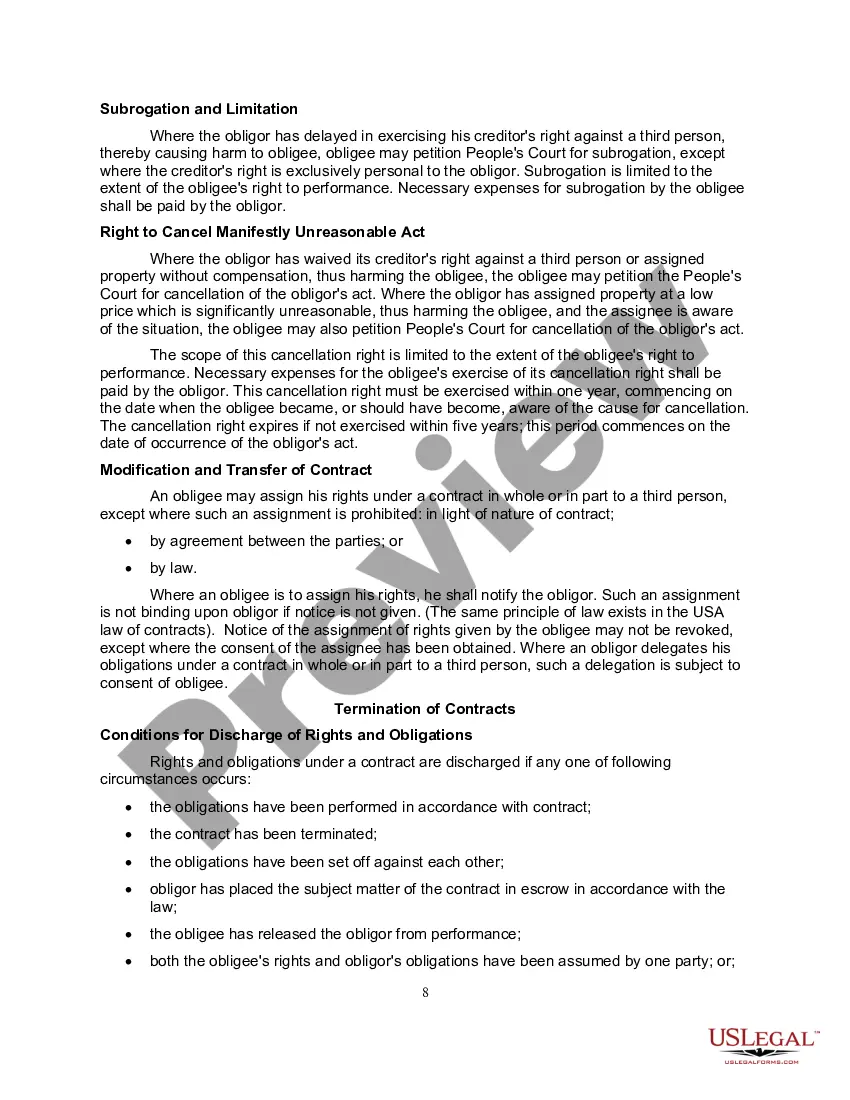
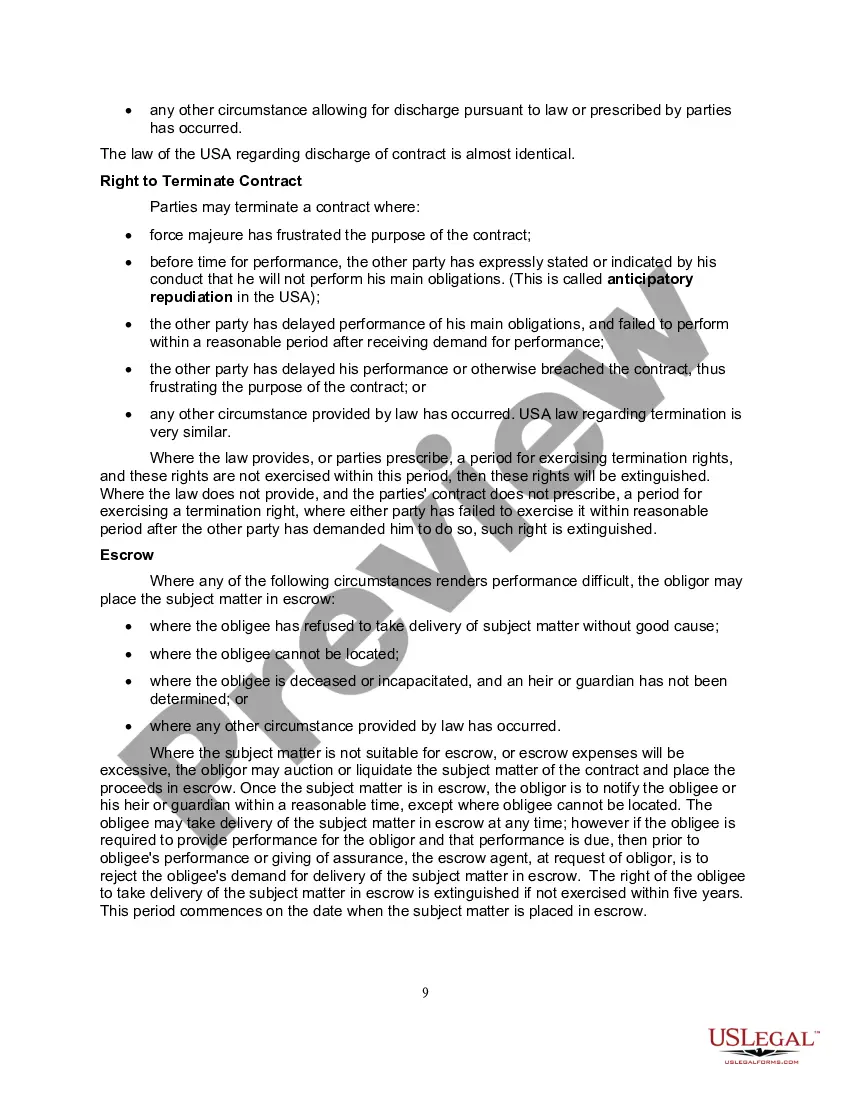
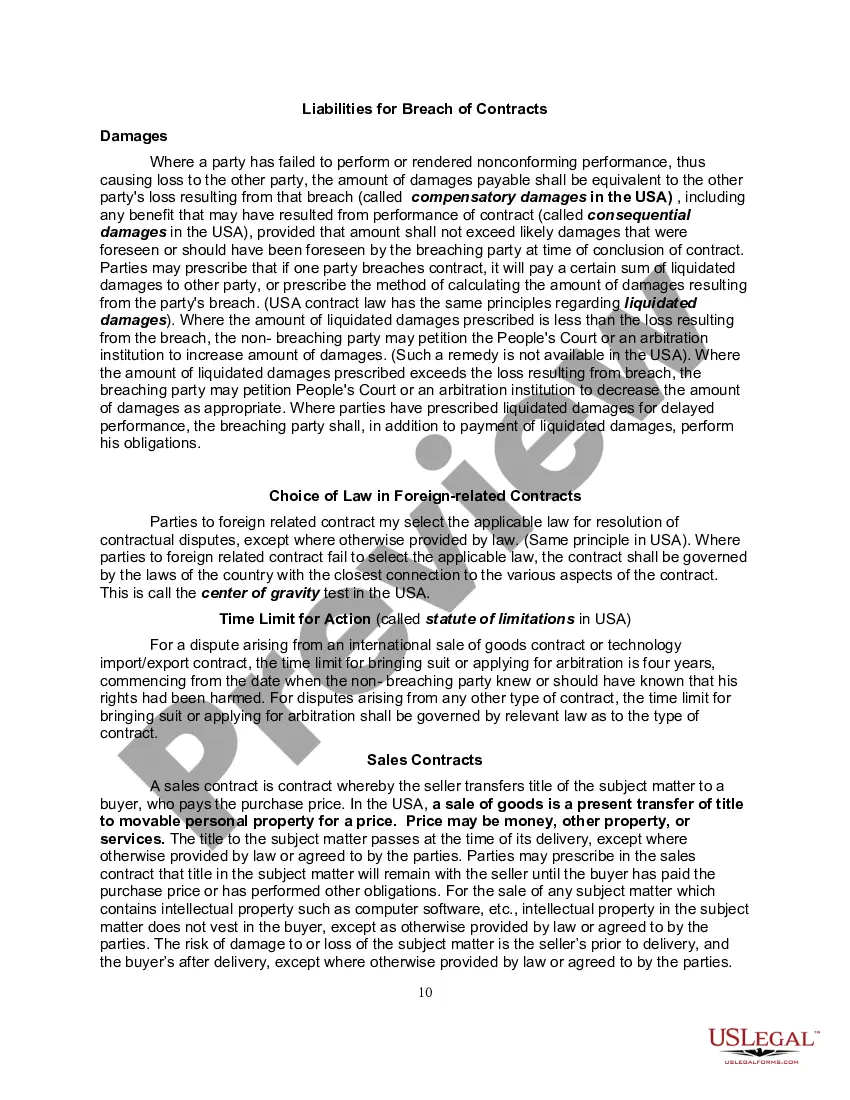
Once the plaintiff proves that a valid contract existed, they must show that they upheld their part. After that, the plaintiff must show that the defendant did not fulfill their obligations. And finally there must be evidence of actual damages that the plaintiff suffered as a result.
When two parties agree to “mutual obligations enforceable by law,” they often put details of their agreement in a written contract. Then, all parties to the contract are expected to abide by the contract's provisions. Breach of contract occurs when one or more parties fail to do so.
Under Texas contract law, the burden is upon the party alleging a contract breach to provide evidence of a valid contract, the breach of the contract, and damages the breach caused.
The Value of the Contract: Consider whether the breach resulted in substantial financial or other losses. If the damages are minimal, the costs of litigation may outweigh the potential recovery. For example, suing over a minor inconvenience or slight delay may not be worth the effort.
For a contract to be valid and recognized by the common law, it must include certain elements-- offer, acceptance, consideration, intention to create legal relations, authority and capacity, and certainty. Without these elements, a contract is not legally binding and may not be enforced by the courts.
Texas law requires the following elements to establish a breach of contract: (1) a valid contract exists; (2) the plaintiff performed or tendered performance as contractually required; (3) the defendant breached the contract by failing to perform or tender performance as required; and (4) the plaintiff sustained ...
You can file a lawsuit to recover your damages. You begin by filing a complaint in the appropriate civil court. A complaint is a technical legal document that describes the problem and explains the case to the judge and the other party. The complaint must then be served, i.e., delivered to the defendant.
Here is a brief overview of the essential elements of a valid contract under Texas law. There Must Be an Offer. There Must Be Acceptance. There Must Be Mutual Consideration. The Parties Must Be Capable of Forming a Contract. The Contract Must Be For a Legal Purpose. The Contract Should Be in Writing.
If you're asking whether you need a lawyer to draft a contract, legally, the answer is no. Anyone can draft a contract on their own and as long as the elements above are included and both parties are legally competent and consent to the agreement, it is generally lawful.
Although you don't have to hire a lawyer, you should. Entering into a legally binding agreement isn't something you should take lightly. Signing a document without fully comprehending the terms or your rights is dangerous. It can lead to significant unintended consequences and time-consuming legal battles.
