Closing Property Title Form Qld In California
Description

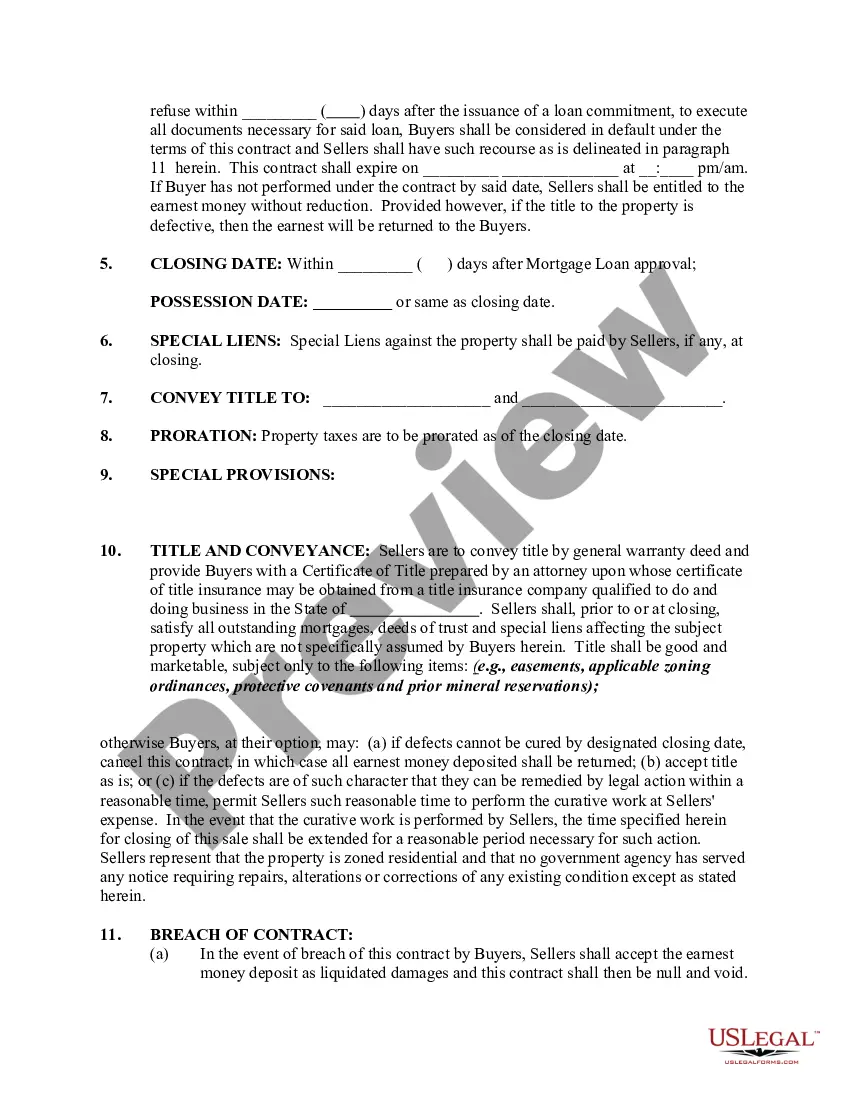
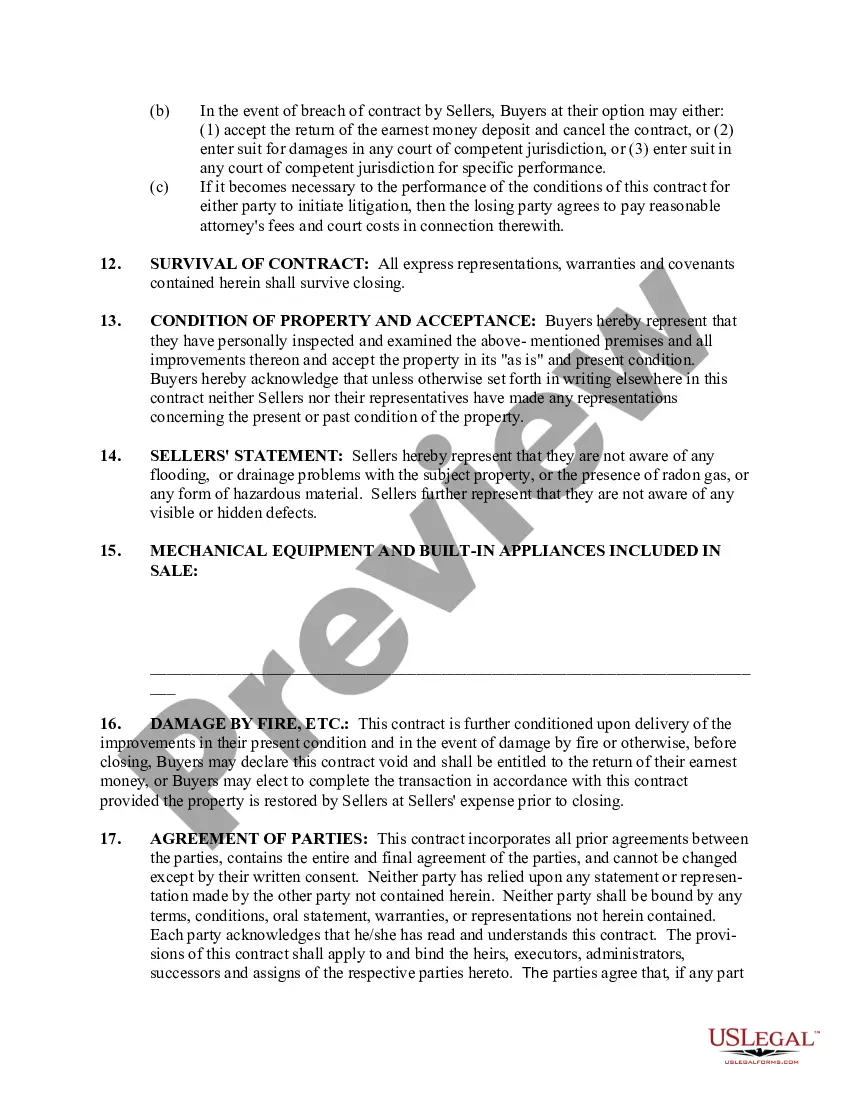
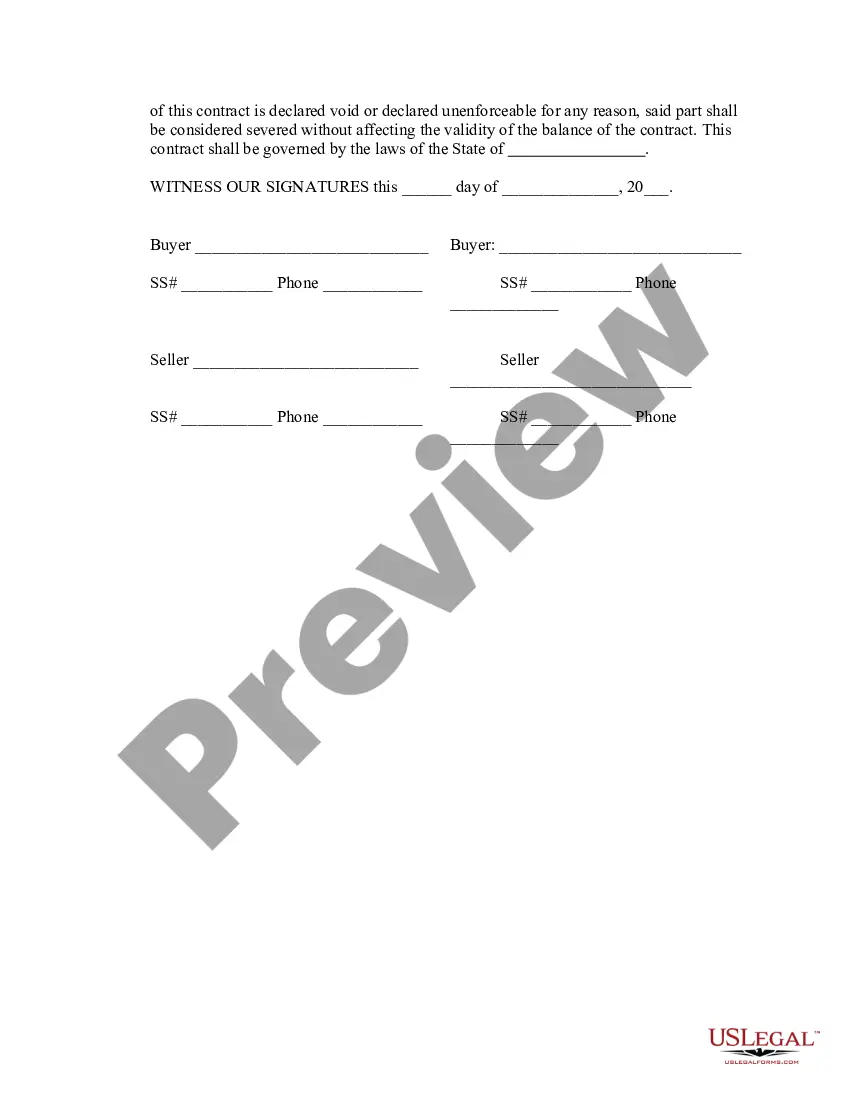
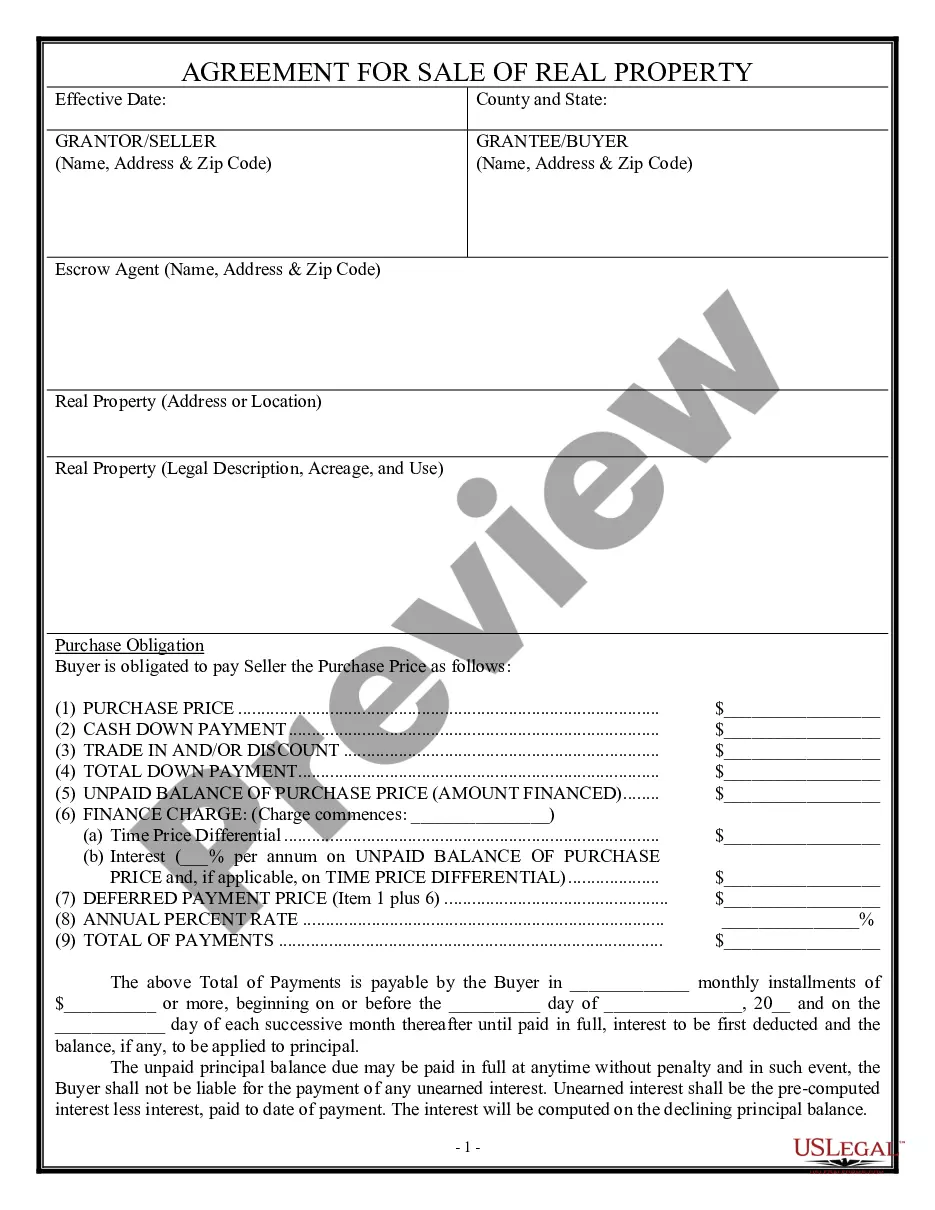
Get your form ready online
Our built-in tools help you complete, sign, share, and store your documents in one place.
Make edits, fill in missing information, and update formatting in US Legal Forms—just like you would in MS Word.
Download a copy, print it, send it by email, or mail it via USPS—whatever works best for your next step.
Sign and collect signatures with our SignNow integration. Send to multiple recipients, set reminders, and more. Go Premium to unlock E-Sign.
If this form requires notarization, complete it online through a secure video call—no need to meet a notary in person or wait for an appointment.
We protect your documents and personal data by following strict security and privacy standards.

Make edits, fill in missing information, and update formatting in US Legal Forms—just like you would in MS Word.

Download a copy, print it, send it by email, or mail it via USPS—whatever works best for your next step.

Sign and collect signatures with our SignNow integration. Send to multiple recipients, set reminders, and more. Go Premium to unlock E-Sign.

If this form requires notarization, complete it online through a secure video call—no need to meet a notary in person or wait for an appointment.

We protect your documents and personal data by following strict security and privacy standards.
Looking for another form?


Form popularity
FAQ
To record a deed in California, you must submit the completed deed along with the appropriate fees to the County Recorder's Office in the county where the property is located. The deed will then be officially recorded, making it a part of the public record.
First, you need to make sure you fill out the quitclaim deed properly and get it notarized. Next, take the quitclaim deed to the County Recorder's Office. Make sure to file a Preliminary Change of Ownership Report and a Documentary of Transfer Tax or a Notice of Exempt Transaction.
– Quitclaim Deed: This deed transfers the grantor's interest in the property without any warranties or guarantees. It is often used for transfers between family members where the grantor may not want to warrant the current status of title.
Property ownership information can be requested from the County Registrar-Recorder/County Clerk. For more information, please visit their website to Request a Real Estate Record.
Filing a Quitclaim Deed in California You can find these forms at your local County Clerk or Registry Office or on their websites listed below.
Get your CA duplicate title with eTags online. Fast processing, contactless, and mailed right to your door. eTags is a digital-first registration and titling online company licensed by the California Department of Motor Vehicles.
A stamped grant deed filed with the county recorder (It shouldn't be handwritten) The grant Deed must show the instrument number and the unit's address. The assessor's property tax statement (the copy must indicate the property's address and name of its owner)
Let's get started how to do a property title search in California. Are you looking to do a propertyMoreLet's get started how to do a property title search in California. Are you looking to do a property title search in California. It's crucial to understand the process to ensure a successful search.
How to fill out the Grant Deed Form Instructions for California? Enter the names of the grantor(s) and grantee(s). Fill in the property details including APN and address. Complete the documentary transfer tax section carefully. Sign the document in front of a notary public.
In California, there are five main ways to hold title. California title-vesting options include: Sole ownership. Community property. Community property with right of survivorship. Joint tenants with right of survivorship. Tenants in common.
