Contract Law In India In Fairfax
Description




Get your form ready online
Our built-in tools help you complete, sign, share, and store your documents in one place.
Make edits, fill in missing information, and update formatting in US Legal Forms—just like you would in MS Word.
Download a copy, print it, send it by email, or mail it via USPS—whatever works best for your next step.
Sign and collect signatures with our SignNow integration. Send to multiple recipients, set reminders, and more. Go Premium to unlock E-Sign.
If this form requires notarization, complete it online through a secure video call—no need to meet a notary in person or wait for an appointment.
We protect your documents and personal data by following strict security and privacy standards.

Make edits, fill in missing information, and update formatting in US Legal Forms—just like you would in MS Word.

Download a copy, print it, send it by email, or mail it via USPS—whatever works best for your next step.

Sign and collect signatures with our SignNow integration. Send to multiple recipients, set reminders, and more. Go Premium to unlock E-Sign.

If this form requires notarization, complete it online through a secure video call—no need to meet a notary in person or wait for an appointment.

We protect your documents and personal data by following strict security and privacy standards.
Looking for another form?








Form popularity
FAQ
Here's how you can execute a contract in a few simple steps. Clarify any discrepancies first. Prior to executing the contract, you need to review it. Set up contract approval workflows. Establish your signatories. Get the contract signed. Track the contractual obligations post-signature.
Executing a contract involves more than just signing it. It includes understanding its terms, ensuring all parties agree to the terms, signing, dating, and often witnessing the document. Post-signing, the execution involves adhering to and fulfilling the terms as agreed upon in the contract.
(1) This Act may be called the Contract Labour (Regulation and Abolition) Act, 1970. (2) It extends to the whole of India. (a) to every establishment in which twenty or more workmen, art employed or were employed on any day of the preceding twelve months as contract labour.
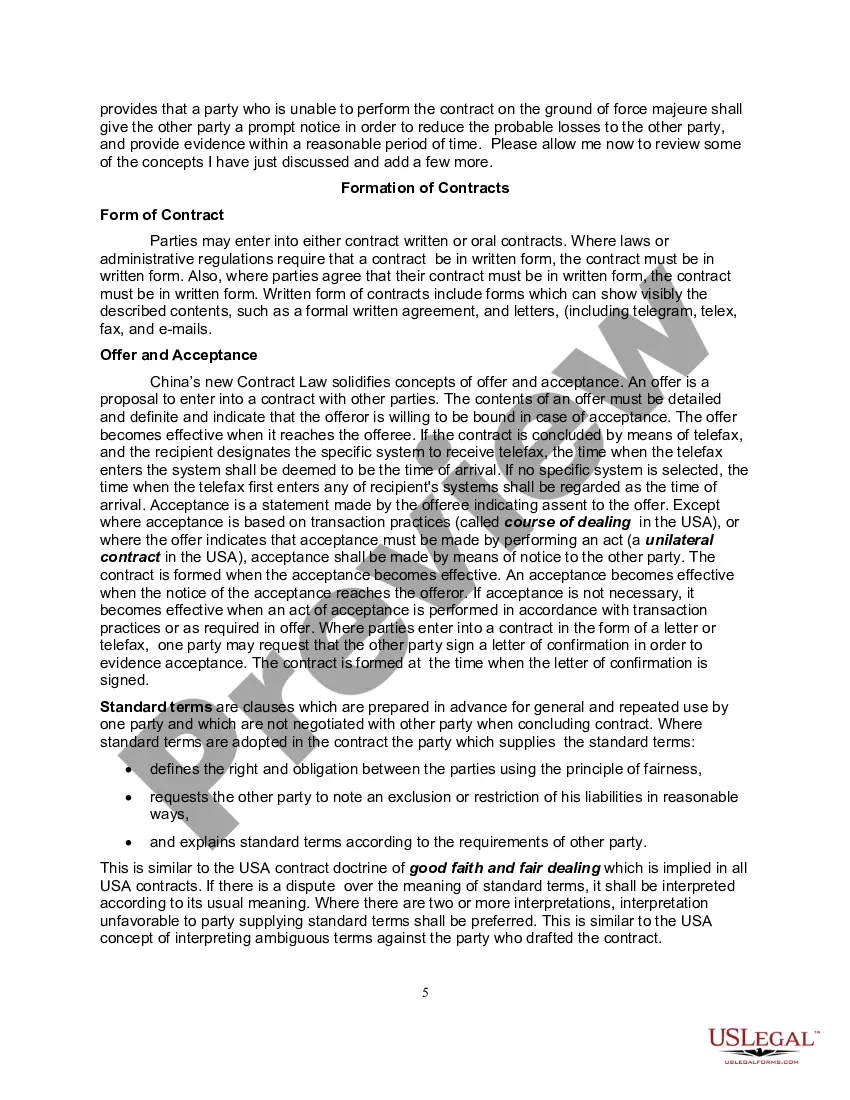
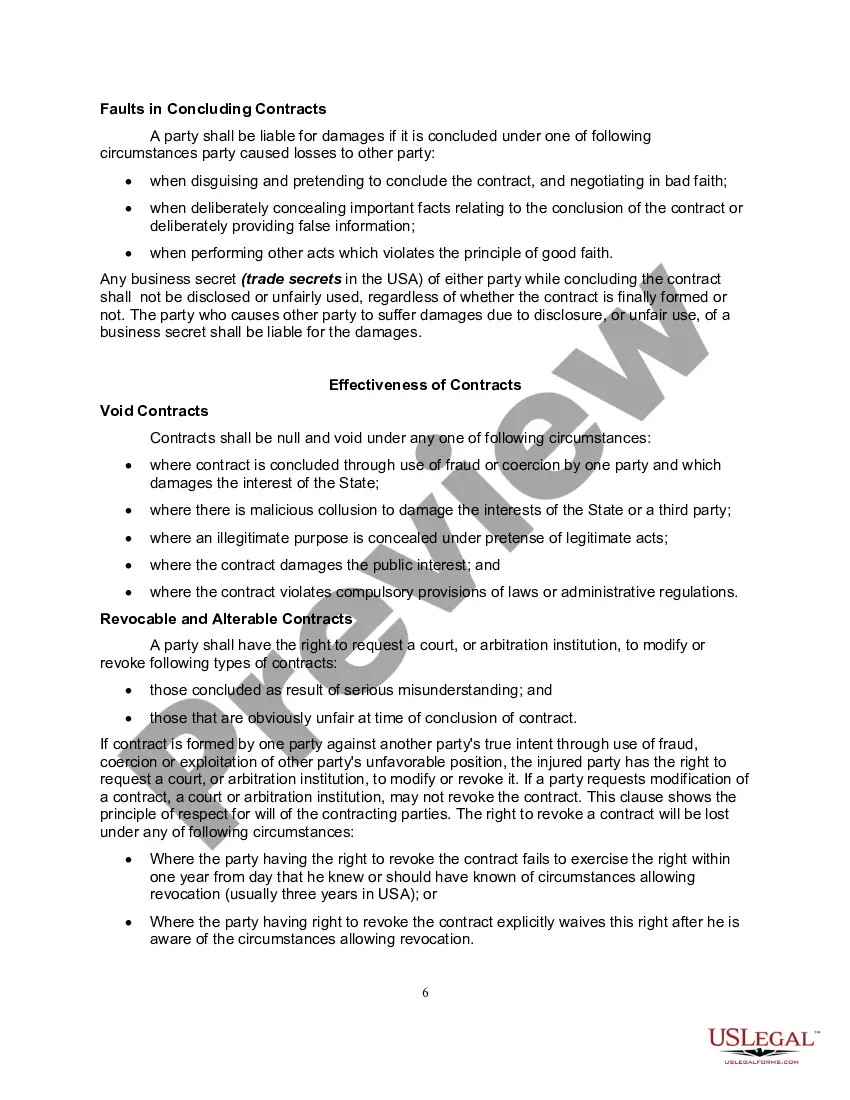
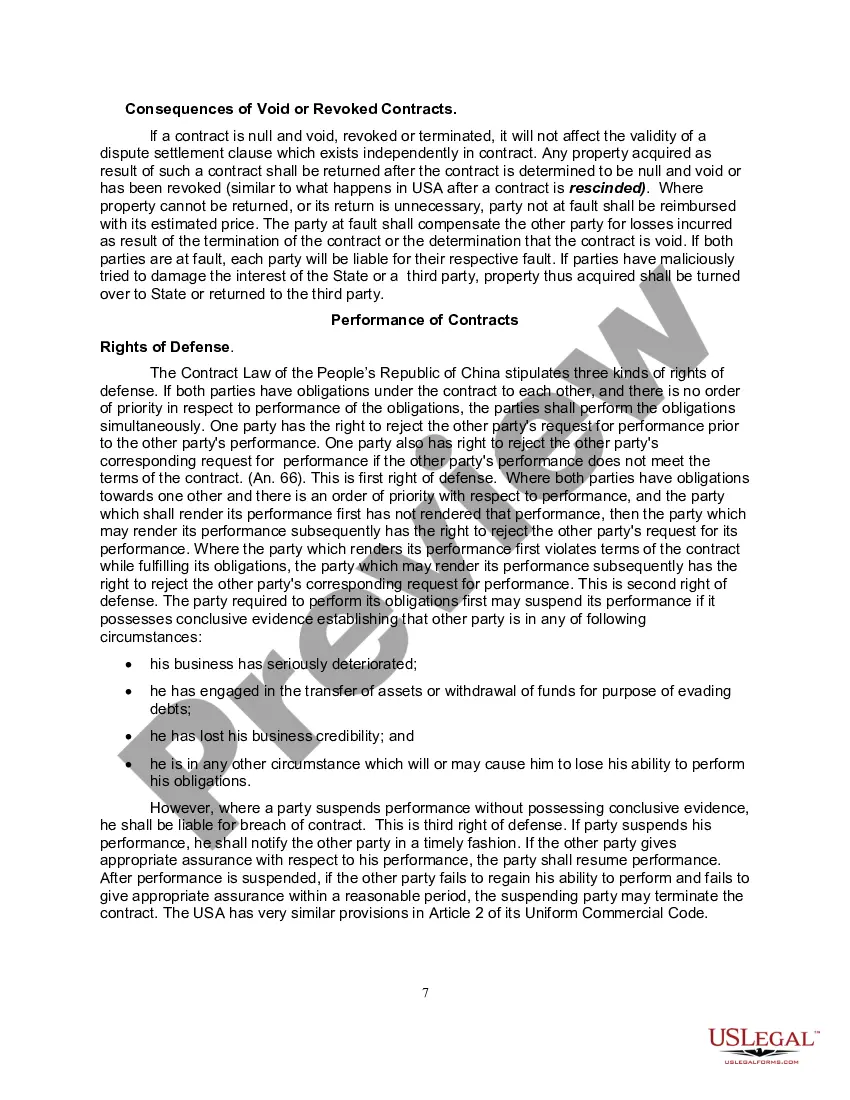
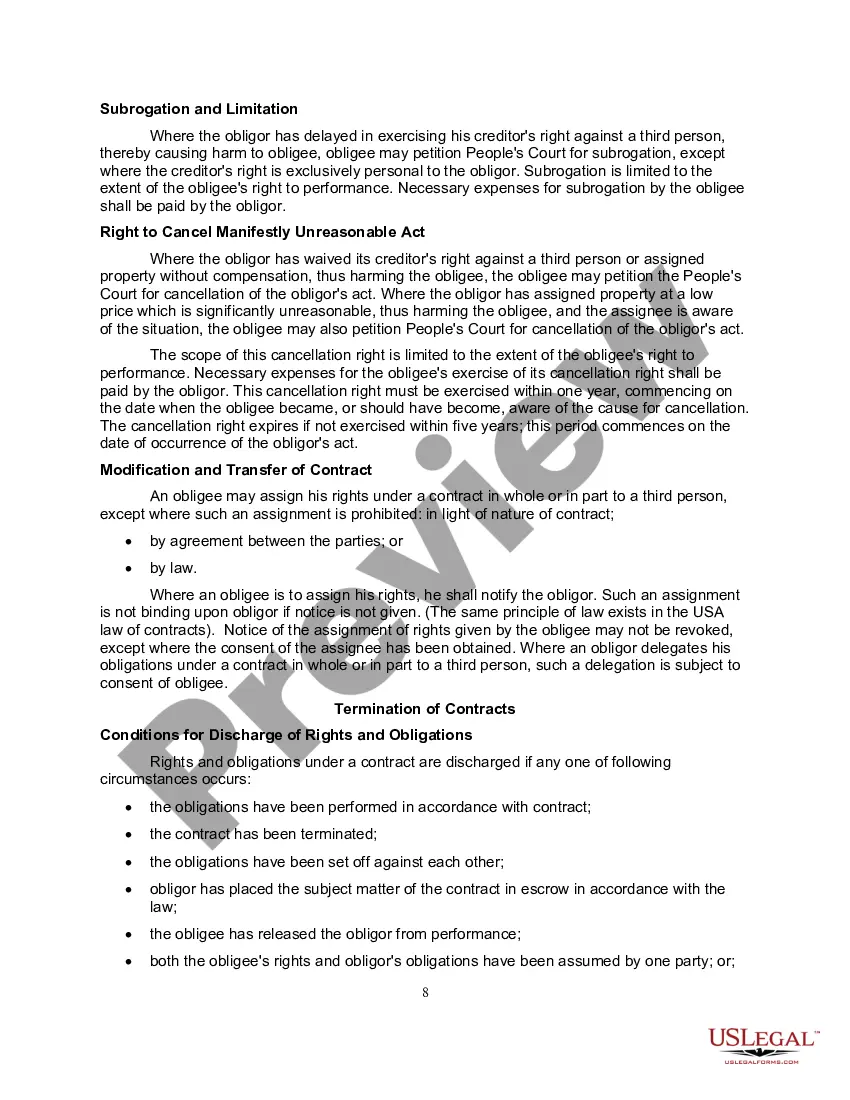
It determines the circumstances in which promises made by the parties to a contract shall be legally binding. Under Section 2(h), the Indian Contract Act defines a contract as an agreement enforceable by Law. To define and amend certain parts of the law relating to contracts.
Contract execution requires participation from all parties. However, the signatory authorities are the most important participants at this stage. That said, anyone who signs a contract on behalf of a company must have the legal authority to bind the organization to a business agreement.
An executed contract is the final product of a legally binding, enforceable agreement between parties. This contract “can be in the form of a written document or a verbal agreement. Once all parties have fulfilled their obligations, the contract is considered executed.
Contract execution requires participation from all parties. However, the signatory authorities are the most important participants at this stage. That said, anyone who signs a contract on behalf of a company must have the legal authority to bind the organization to a business agreement.
How to draft a contract between two parties: A step-by-step checklist Know your parties. Agree on the terms. Set clear boundaries. Spell out the consequences. Specify how you will resolve disputes. Cover confidentiality. Check the legality of the contract. Open it up to negotiation.