Contract Law In Sri Lanka In Clark
Description

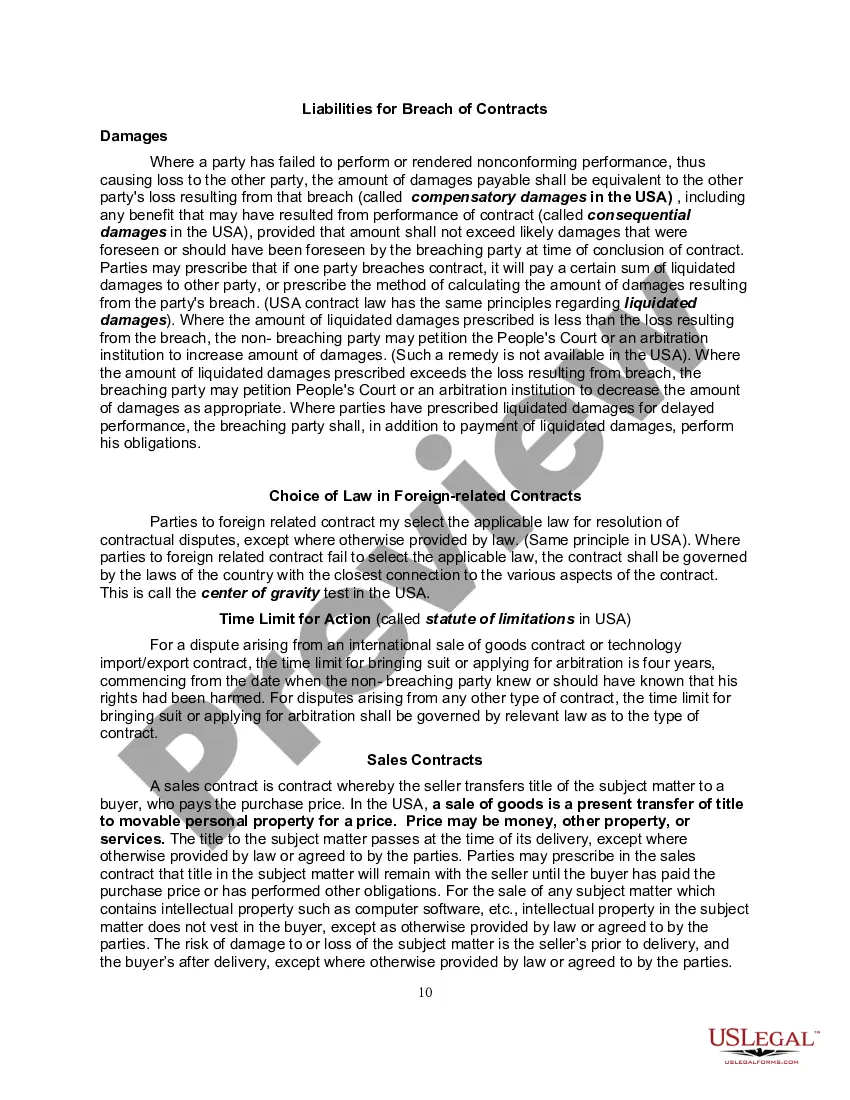


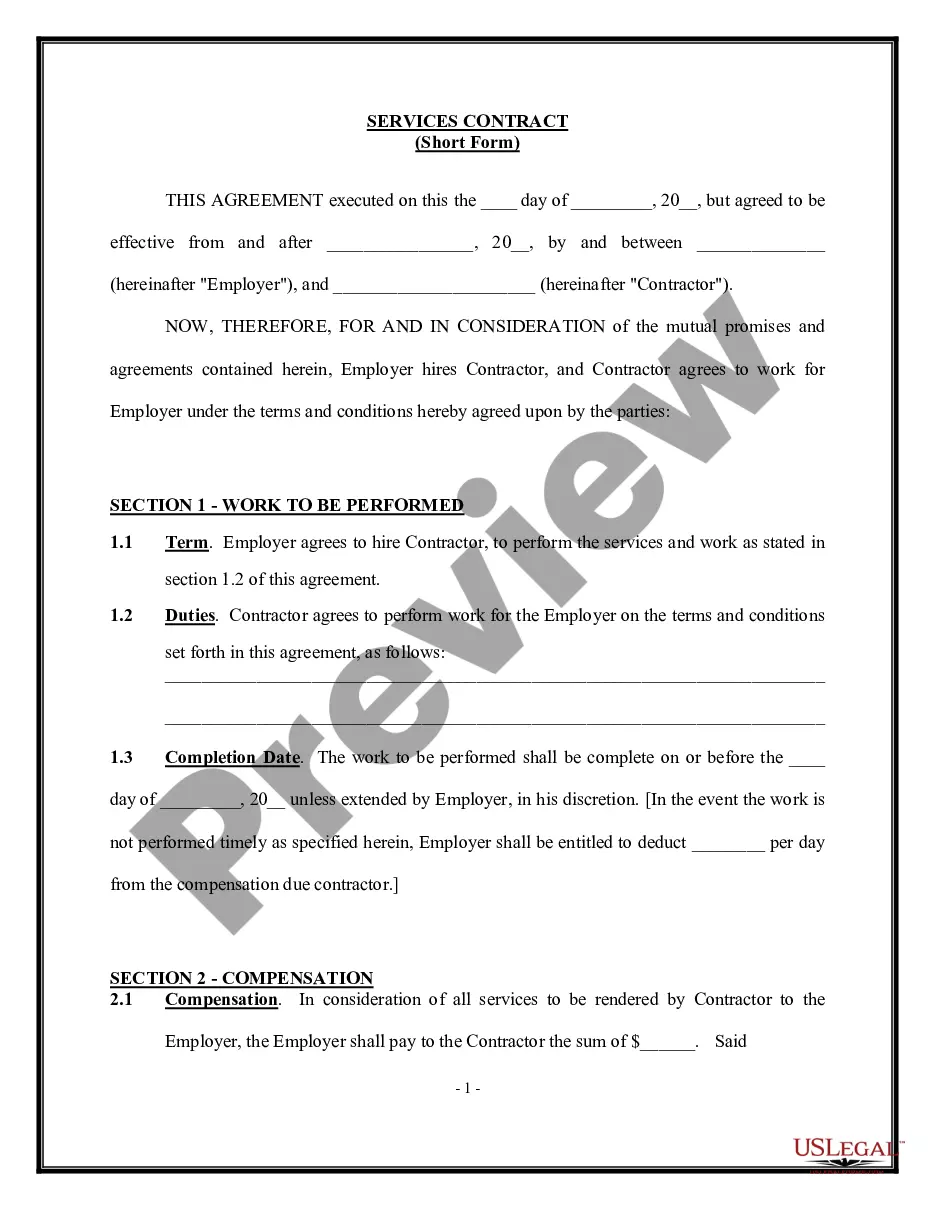
Get your form ready online
Our built-in tools help you complete, sign, share, and store your documents in one place.
Make edits, fill in missing information, and update formatting in US Legal Forms—just like you would in MS Word.
Download a copy, print it, send it by email, or mail it via USPS—whatever works best for your next step.
Sign and collect signatures with our SignNow integration. Send to multiple recipients, set reminders, and more. Go Premium to unlock E-Sign.
If this form requires notarization, complete it online through a secure video call—no need to meet a notary in person or wait for an appointment.
We protect your documents and personal data by following strict security and privacy standards.

Make edits, fill in missing information, and update formatting in US Legal Forms—just like you would in MS Word.

Download a copy, print it, send it by email, or mail it via USPS—whatever works best for your next step.

Sign and collect signatures with our SignNow integration. Send to multiple recipients, set reminders, and more. Go Premium to unlock E-Sign.

If this form requires notarization, complete it online through a secure video call—no need to meet a notary in person or wait for an appointment.

We protect your documents and personal data by following strict security and privacy standards.
Looking for another form?







Form popularity
FAQ
Remedies for breach of contract include damages, specific performance, and restitution. Damages are monetary compensation to make the injured party whole. Specific performance is a court order requiring a breaching party to fulfill their contractual obligations.
In short, the potential remedies for a breach of contract claim can include compensatory damages, specific performance, injunction, rescission, liquidated damages, and nominal damages. If someone breaches a contract with you or your company, you deserve justice.
Offer and Acceptance The most basic rule of contract law is that a legal contract exists when one party makes an offer and the other party accepts it. For most types of contracts, this can be done either orally or in writing.
Some of the main formalities imposed be certain statutes in Sri Lanka in making a contract. There should be a valid offer and acceptance. The parties must have an intention to create legally binding relations. The terms of the contract, should be certain.
First, to become a contract attorney, one must earn a bachelor's degree and graduate with good grades. It is recommended, but not required, to earn a degree in a legally-related field, such as criminal justice or political science. Before applying for law school, you must take the LSAT and get a good score.
Normally, the remedy that the innocent party has for a breach of contract is to sue for damages. The object for seeking damages is to obtain compensation for the actual loss he has suffered.
You need to sue the person or business who signed or entered into and then breached the contract. Generally, someone cannot sue a third party they do not have a contract with. Only the one who signed or entered into the agreement with you is responsible for the damages to you.
The general law of contract is the Roman Dutch Law except in Commercial matters. The Commercial Law of Sri Lanka is the English Law or Statutes based on the English Statutes.
This mixture is a result of the diverse history of the island as a result criminal law is based on English law while much of the common law is Roman-Dutch law, with certain aspects such as marriage, divorce, and inheritance associated with Kandian law, Thesavalamai and Muslim law based on the community and geography.
- The law requires an intention to create legal relations to be present between the parties to a valid and enforceable contract. - What is required is either an intention which actually exists, or an intention, having regard to all surrounding circumstances, the law will deem to exist in the minds of the parties.
