Contract Law Force Majeure In Clark
Description



Get your form ready online
Our built-in tools help you complete, sign, share, and store your documents in one place.
Make edits, fill in missing information, and update formatting in US Legal Forms—just like you would in MS Word.
Download a copy, print it, send it by email, or mail it via USPS—whatever works best for your next step.
Sign and collect signatures with our SignNow integration. Send to multiple recipients, set reminders, and more. Go Premium to unlock E-Sign.
If this form requires notarization, complete it online through a secure video call—no need to meet a notary in person or wait for an appointment.
We protect your documents and personal data by following strict security and privacy standards.

Make edits, fill in missing information, and update formatting in US Legal Forms—just like you would in MS Word.

Download a copy, print it, send it by email, or mail it via USPS—whatever works best for your next step.

Sign and collect signatures with our SignNow integration. Send to multiple recipients, set reminders, and more. Go Premium to unlock E-Sign.

If this form requires notarization, complete it online through a secure video call—no need to meet a notary in person or wait for an appointment.

We protect your documents and personal data by following strict security and privacy standards.
Looking for another form?










Form popularity
FAQ
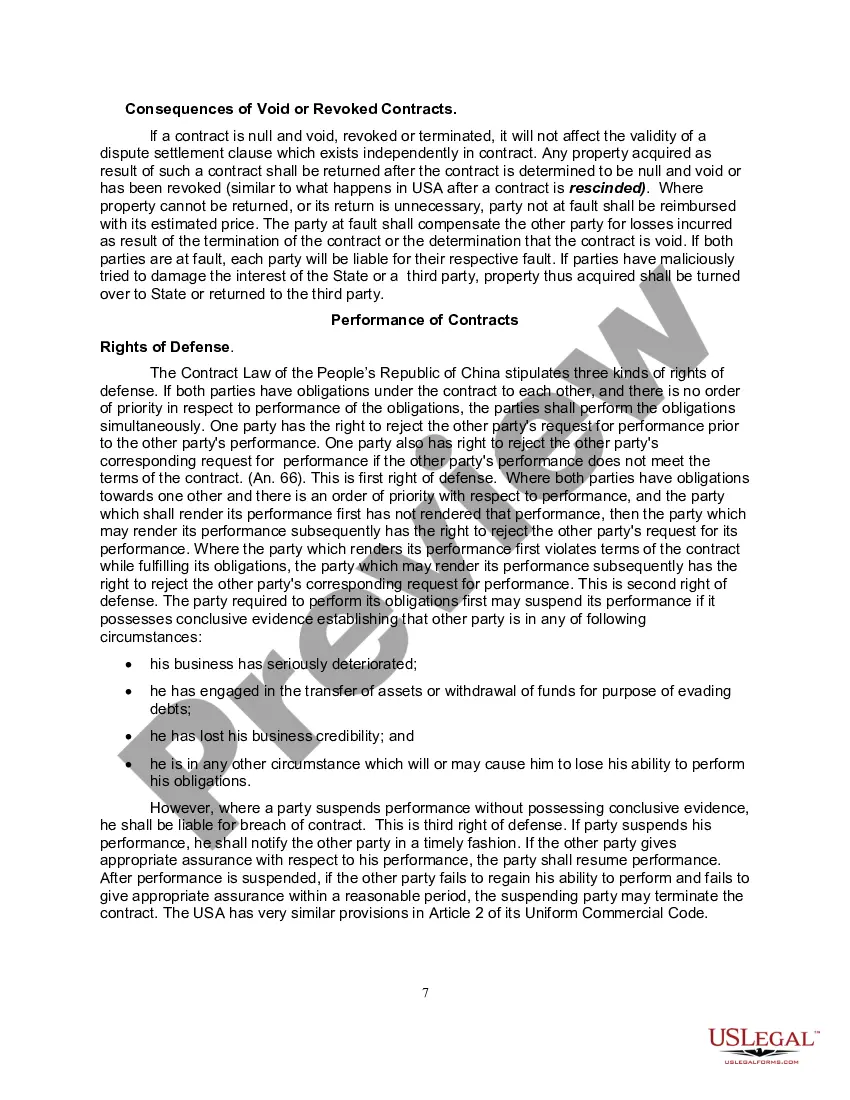
Events that fall under the impracticability defense are normally “acts of God” or acts of a third party. For example, imagine that A contracts to repair B's deck. While the contract is pending, a fire destroys B's deck (through no fault of A). A's performance has become impracticable, and its duty is discharged.
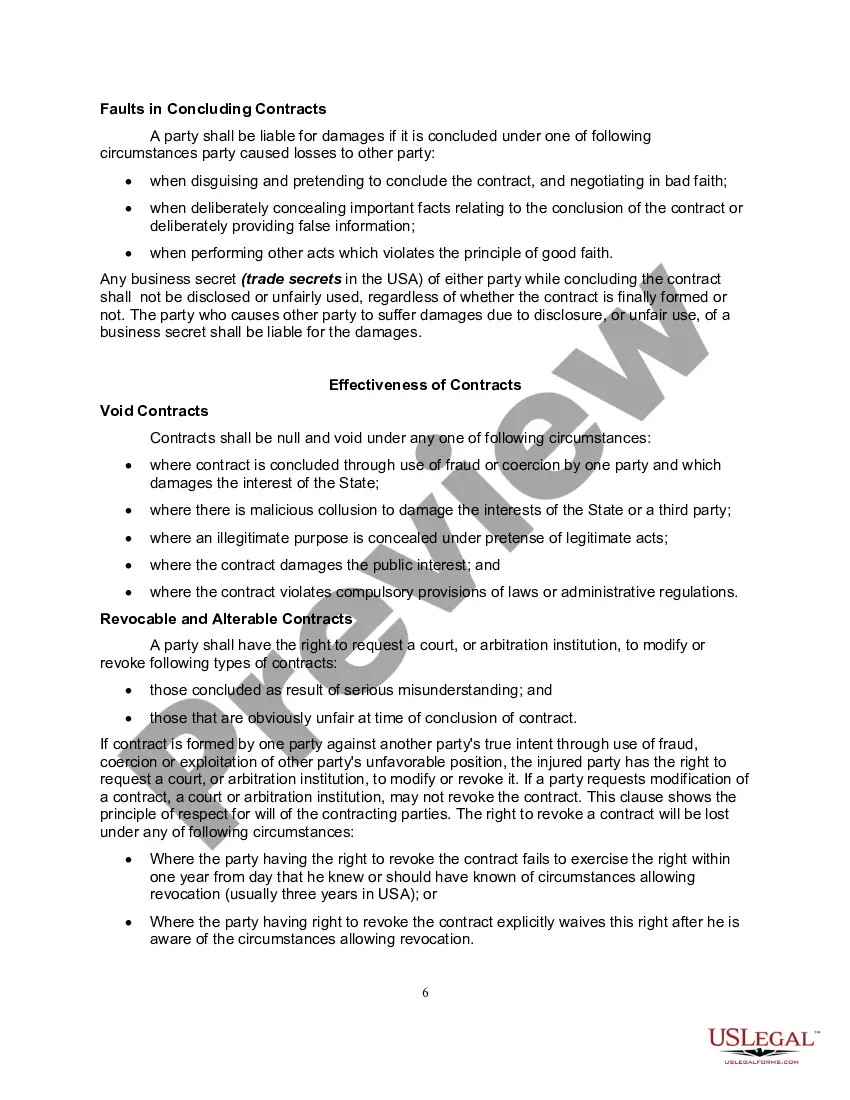
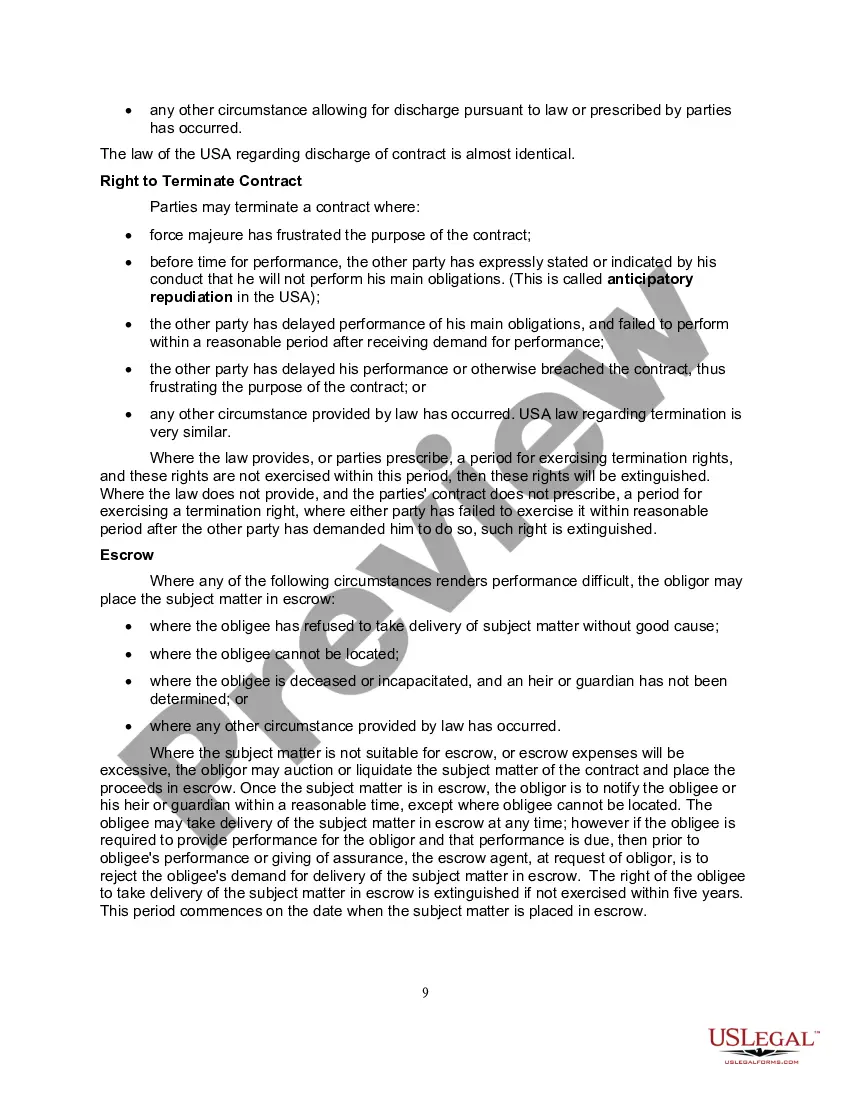
For events to constitute the use of force majeure, they must be unforeseeable, external to contract parties, and unavoidable. Force majeure means “greater force” and is related to an act of God, an event for which no party can be held accountable.
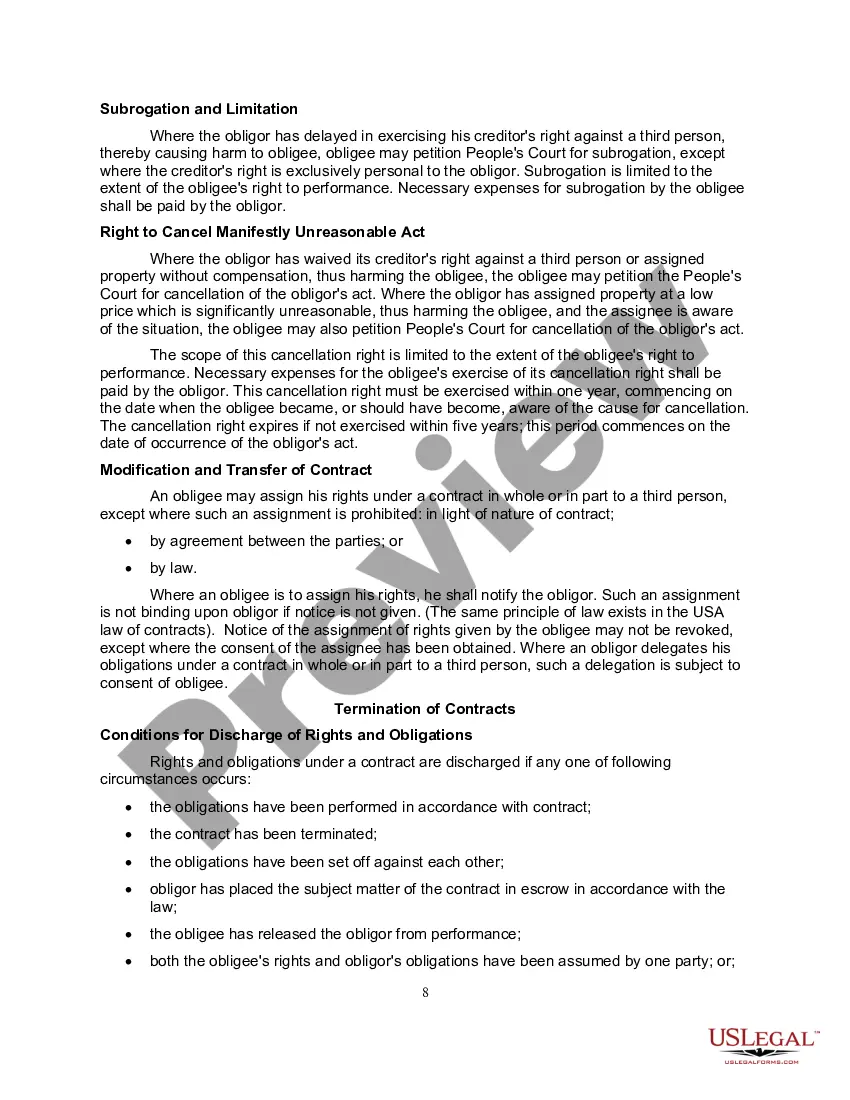
Either Party shall be excused from performance and shall not be in default in respect of any obligation hereunder to the extent that the failure to perform such obligation is due to a Natural Force Majeure Event.
The major difference between the two doctrines is that while impossibility excuses performance where the contractual duty cannot physically be performed, the doctrine of impracticability comes into play where performance is still physically possible, but would be extremely burdensome for the party whose performance is ...
For example, if ABC Corp. agrees to deliver goods to a buyer on a specific date, but a natural disaster such as a hurricane destroys its factory, ABC Corp. would likely be excused from performance due to impracticability.
The rationale for the impracticability defense is that the circumstance causing the breach has rendered performance so critically different from what was anticipated, that the contract cannot be reasonably thought to govern the scenario.
Im·prac·ti·ca·bil·i·ty im-ˌprak-ti-kə-ˈbi-lə-tē 1. : the state of being impracticable. 2. : a doctrine in contract law: relief from obligations under a contract may be granted when performance has been rendered excessively difficult, expensive, or harmful by an unforeseen contingency.
The definition of "force majeure" generally includes "risks beyond the reasonable control of a party, incurred not as a product or result of the negligence of the afflicted party, which have a materially adverse effect on the ability of such party to perform its obligations".
Any events that are within the reasonable control of a party, occur as a result of negligence by one of the contracting parties, or are explicitly listed as exceptions in the force majeure clause, will not be deemed a force majeure event.
Under the Parental Leave Act, you are entitled to Force Majeure leave where for urgent family reasons, your immediate presence is required owing to an injury or illness of a close family member.
