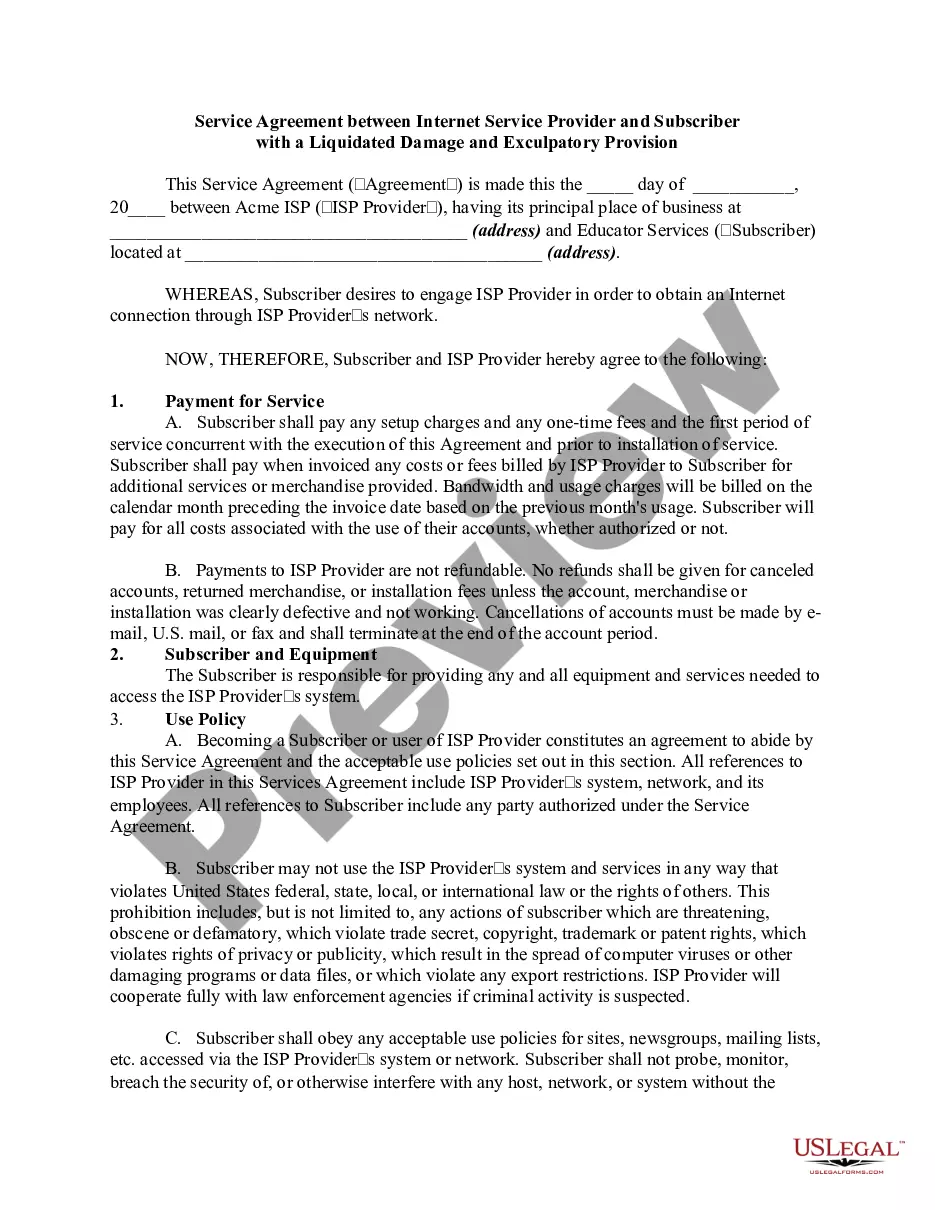
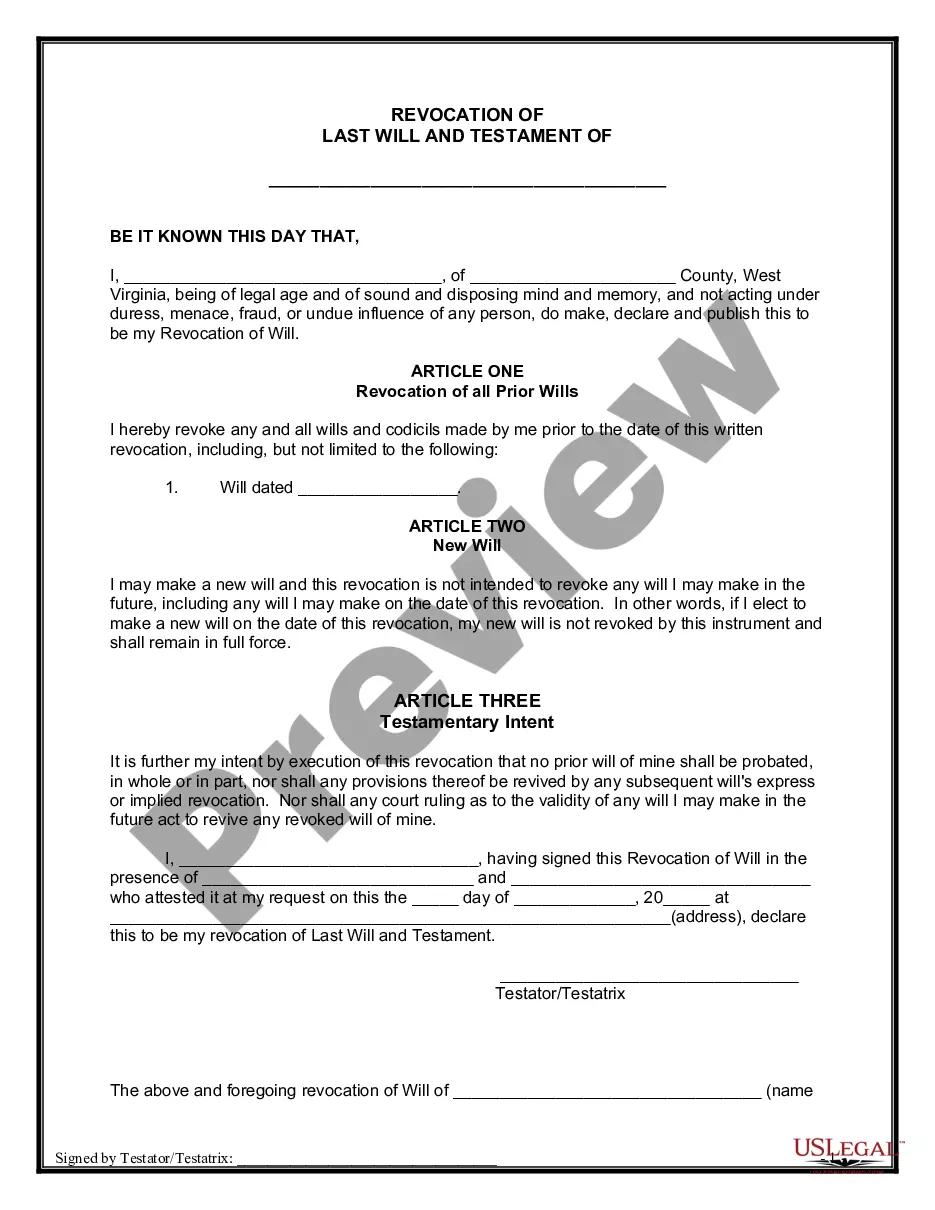
Contract Law In Uk In Arizona
Description













Get your form ready online
Our built-in tools help you complete, sign, share, and store your documents in one place.
Make edits, fill in missing information, and update formatting in US Legal Forms—just like you would in MS Word.
Download a copy, print it, send it by email, or mail it via USPS—whatever works best for your next step.
Sign and collect signatures with our SignNow integration. Send to multiple recipients, set reminders, and more. Go Premium to unlock E-Sign.
If this form requires notarization, complete it online through a secure video call—no need to meet a notary in person or wait for an appointment.
We protect your documents and personal data by following strict security and privacy standards.

Make edits, fill in missing information, and update formatting in US Legal Forms—just like you would in MS Word.

Download a copy, print it, send it by email, or mail it via USPS—whatever works best for your next step.

Sign and collect signatures with our SignNow integration. Send to multiple recipients, set reminders, and more. Go Premium to unlock E-Sign.

If this form requires notarization, complete it online through a secure video call—no need to meet a notary in person or wait for an appointment.

We protect your documents and personal data by following strict security and privacy standards.
Looking for another form?









Form popularity
FAQ
When is a contract legally binding? Typically, a document that includes an offer, acceptance, and appropriate consideration will be considered legally binding. In most cases, a contract is binding in Arizona even if the parties signed it in another state.
These types of lawsuits are common in business litigation. There are four elements of a breach of contract claim: a valid contract, performance, breach, and damages.
Under Arizona law, a breach of contract occurs when one party fails to fulfil their obligations under the contract (in whole or in part) without a legal excuse.
There are three different courses of action available to the court. Firstly, damages may be awarded to put the claimant in the position they should have been in, had the contract terms been carried out correctly. Secondly, where the breach is repudiatory, the contract can be terminated. Damages may also be payable.
Once the plaintiff proves that a valid contract existed, they must show that they upheld their part. After that, the plaintiff must show that the defendant did not fulfill their obligations. And finally there must be evidence of actual damages that the plaintiff suffered as a result.
An employer must give employees and workers a document stating the main conditions of employment when they start work. This is known as a 'written statement of employment particulars'. It is not an employment contract.
A: To prove breach of contract, there are four elements that must be met: (1) the contract is valid; (2) the non-breaching party must show that they fulfilled their commitments or that there is a justifiable reason for not doing so; (3) the breaching party failed to fulfil their obligations; and (4) demonstrate damages ...
In common law, there are 3 basic essentials to the creation of a contract: (i) agreement; (ii) contractual intention; and (iii) consideration. 3. The first requisite of a contract is that the parties should have reached agreement.
For a contract to be valid and recognized by the common law, it must include certain elements-- offer, acceptance, consideration, intention to create legal relations, authority and capacity, and certainty. Without these elements, a contract is not legally binding and may not be enforced by the courts.
Key Takeaways There are four essential elements of forming a contract: offer, acceptance, consideration, and intention to create legal relations. Beyond this, the terms of the contract must also be unambiguous, and the parties must have the mental capacity to agree.