Contract Law For In Utah
Description












Get your form ready online
Our built-in tools help you complete, sign, share, and store your documents in one place.
Make edits, fill in missing information, and update formatting in US Legal Forms—just like you would in MS Word.
Download a copy, print it, send it by email, or mail it via USPS—whatever works best for your next step.
Sign and collect signatures with our SignNow integration. Send to multiple recipients, set reminders, and more. Go Premium to unlock E-Sign.
If this form requires notarization, complete it online through a secure video call—no need to meet a notary in person or wait for an appointment.
We protect your documents and personal data by following strict security and privacy standards.

Make edits, fill in missing information, and update formatting in US Legal Forms—just like you would in MS Word.

Download a copy, print it, send it by email, or mail it via USPS—whatever works best for your next step.

Sign and collect signatures with our SignNow integration. Send to multiple recipients, set reminders, and more. Go Premium to unlock E-Sign.

If this form requires notarization, complete it online through a secure video call—no need to meet a notary in person or wait for an appointment.

We protect your documents and personal data by following strict security and privacy standards.
Looking for another form?


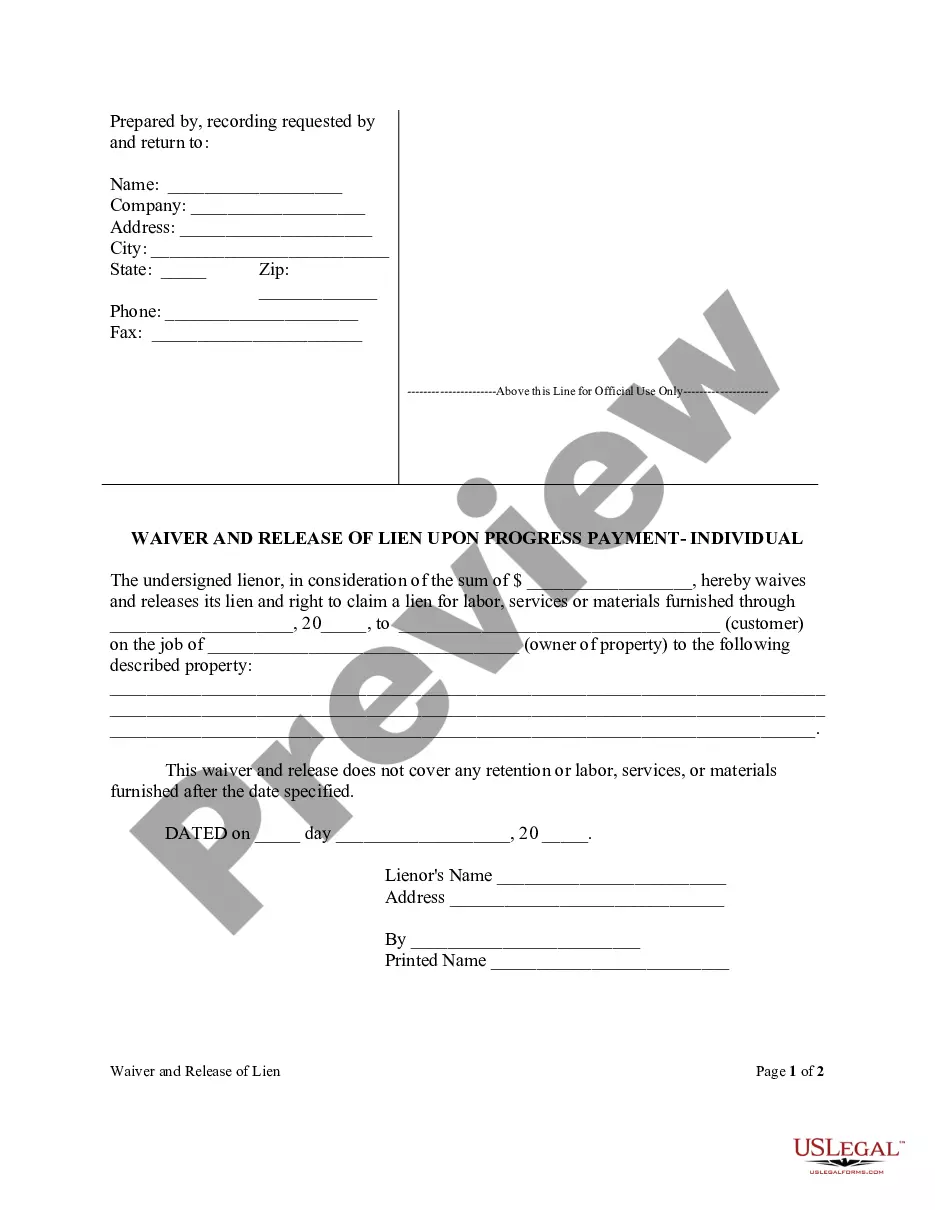
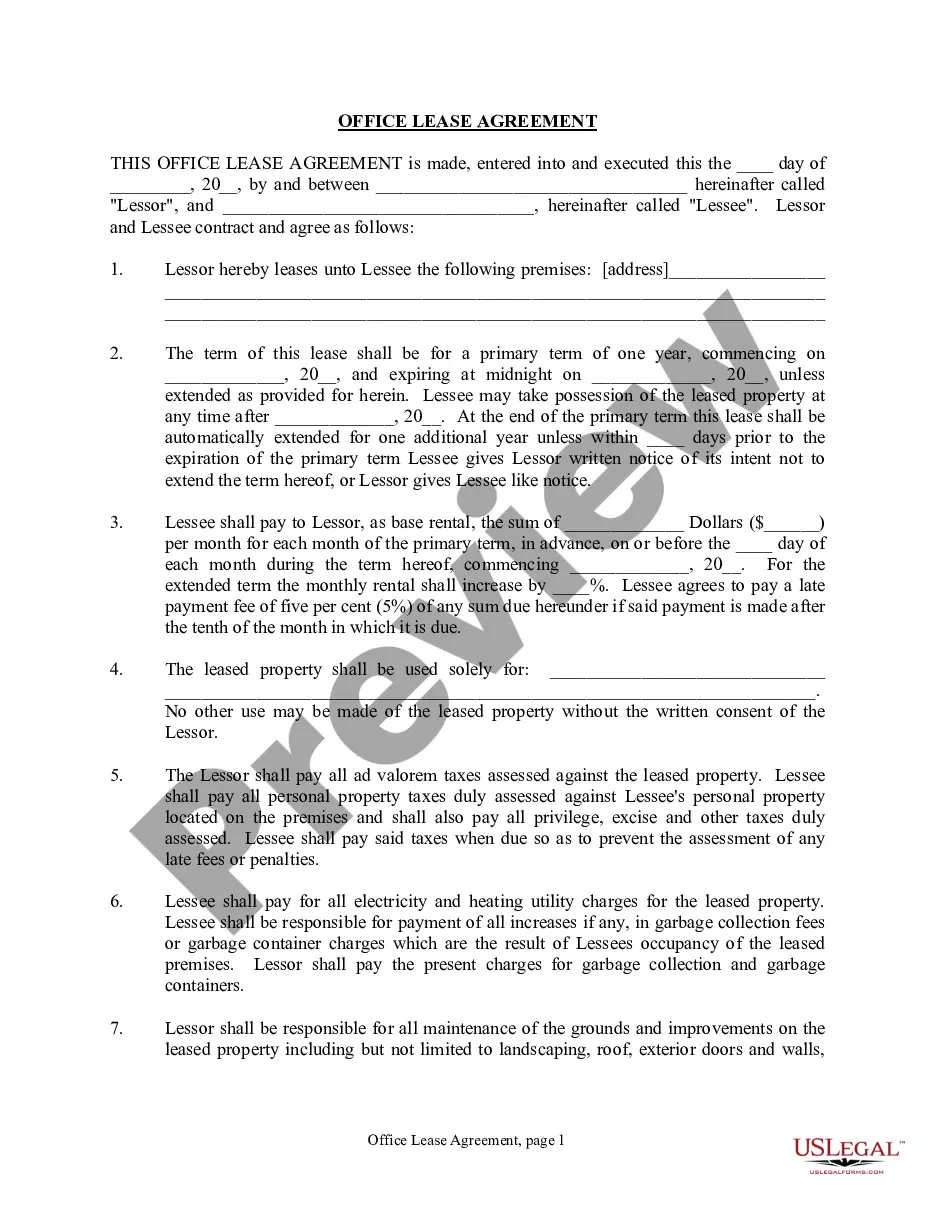





Form popularity
FAQ
You may be held liable for monetary damages if you breach a contract. There are three different types of monetary damages: expected damages, reliance damages, and restitution damages. Collectively these are known as “compensatory damages.”
An action for breach of any contract for sale must be commenced within four years after the cause of action has accrued. By the original agreement the parties may reduce the period of limitation to not less than one year but may not extend it.
Construction Law and the 'Right to Cure' Statute of Limitations Utah 6 years for contracts 4 years for personal injury 3 years for property damage Vermont 6 years for contracts 3 years for torts Virginia 5 years for contracts and property damage 2 years for personal injury Washington 6 years for contracts 3 years for torts47 more rows
While contracts are generally binding for both parties, it is important to be aware of certain issues that could make an otherwise valid contract unenforceable by law. The elements of a contract are offer, acceptance, and consideration, which have strict standards of enforceability.
The Value of the Contract: Consider whether the breach resulted in substantial financial or other losses. If the damages are minimal, the costs of litigation may outweigh the potential recovery. For example, suing over a minor inconvenience or slight delay may not be worth the effort.
For a contract to be valid and recognized by the common law, it must include certain elements-- offer, acceptance, consideration, intention to create legal relations, authority and capacity, and certainty. Without these elements, a contract is not legally binding and may not be enforced by the courts.
A breach of contract is a violation of any of the agreed-upon terms and conditions of a binding contract. The breach could be anything from a late payment to a more serious violation, such as the failure to deliver a promised asset. A contract is binding and will hold weight if taken to court.
The basic elements required for the agreement to be a legally enforceable contract are: mutual assent , expressed by a valid offer and acceptance ; adequate consideration ; capacity ; and legality .
What Is Required For A Valid Contract In Utah? Understanding the Basics of Contracts. Essential Elements of a Valid Contract. The Offer. Acceptance. Consideration. Mutual Assent. Legality. A Closer Look at Consideration and Its Importance.
