Construction Law In South Africa In Travis
Description












Get your form ready online
Our built-in tools help you complete, sign, share, and store your documents in one place.
Make edits, fill in missing information, and update formatting in US Legal Forms—just like you would in MS Word.
Download a copy, print it, send it by email, or mail it via USPS—whatever works best for your next step.
Sign and collect signatures with our SignNow integration. Send to multiple recipients, set reminders, and more. Go Premium to unlock E-Sign.
If this form requires notarization, complete it online through a secure video call—no need to meet a notary in person or wait for an appointment.
We protect your documents and personal data by following strict security and privacy standards.

Make edits, fill in missing information, and update formatting in US Legal Forms—just like you would in MS Word.

Download a copy, print it, send it by email, or mail it via USPS—whatever works best for your next step.

Sign and collect signatures with our SignNow integration. Send to multiple recipients, set reminders, and more. Go Premium to unlock E-Sign.

If this form requires notarization, complete it online through a secure video call—no need to meet a notary in person or wait for an appointment.

We protect your documents and personal data by following strict security and privacy standards.
Looking for another form?

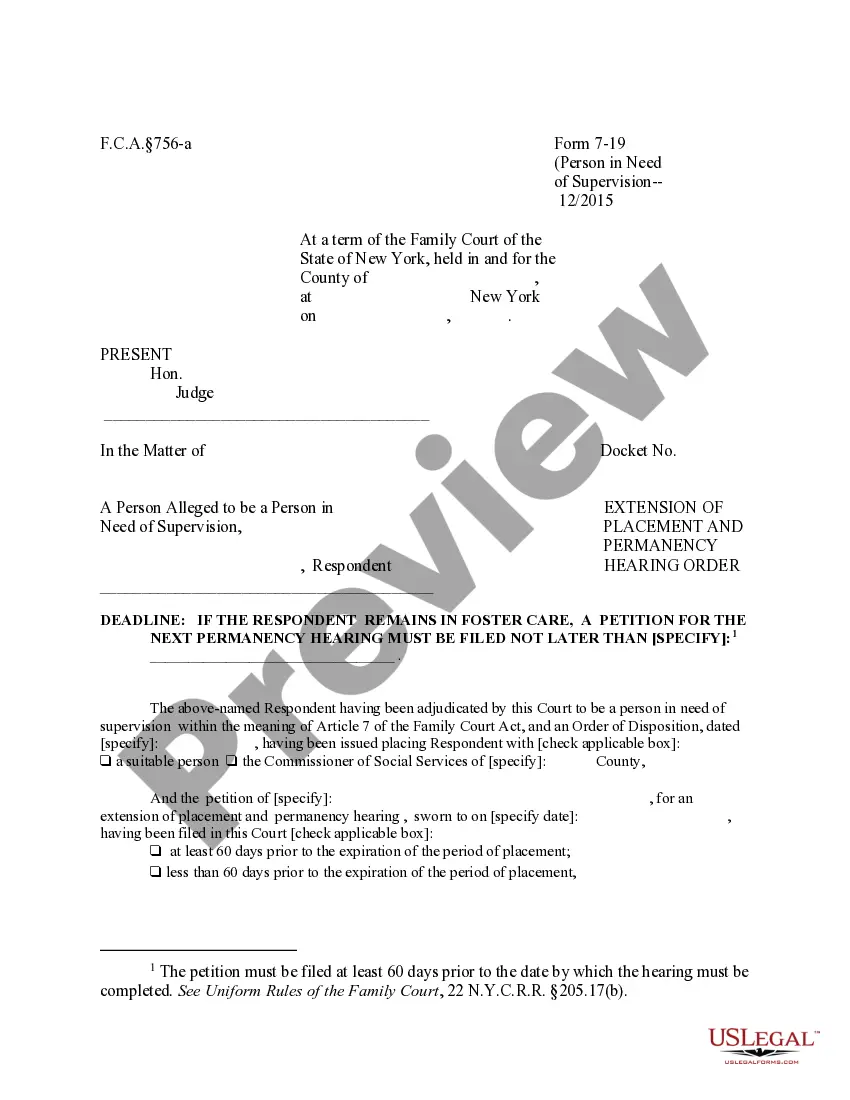
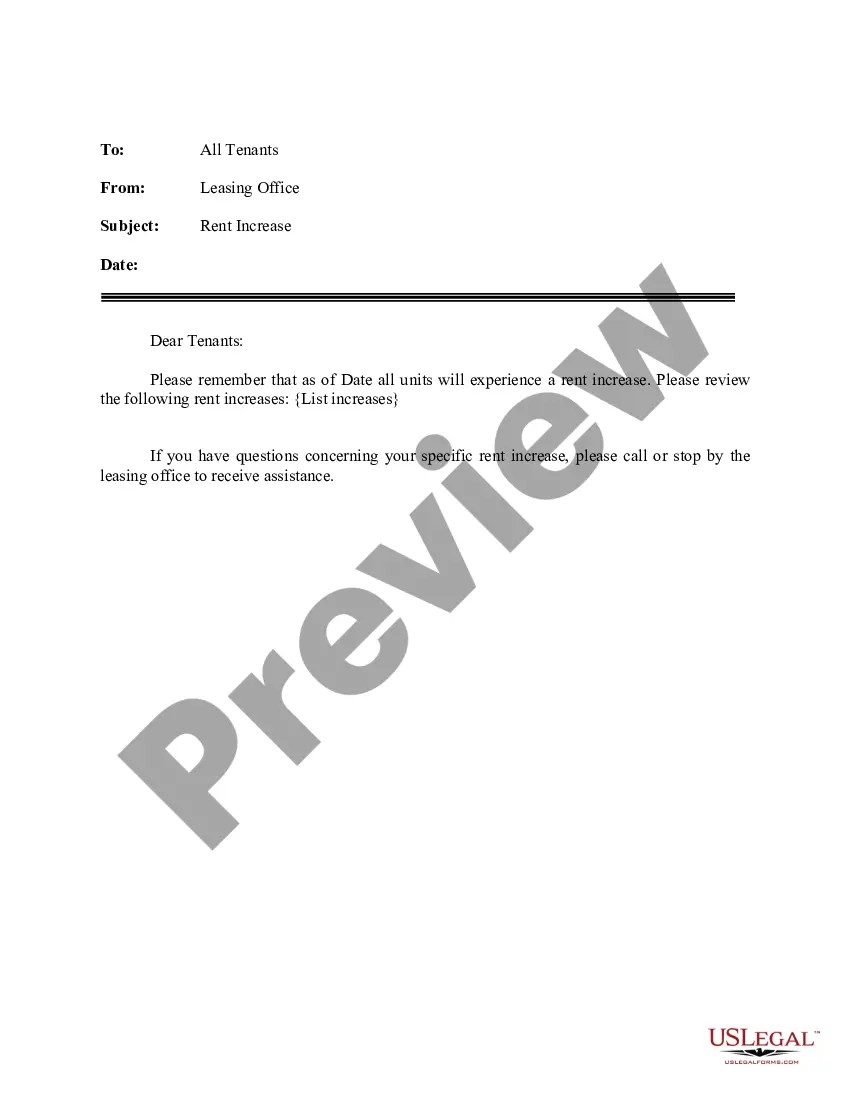


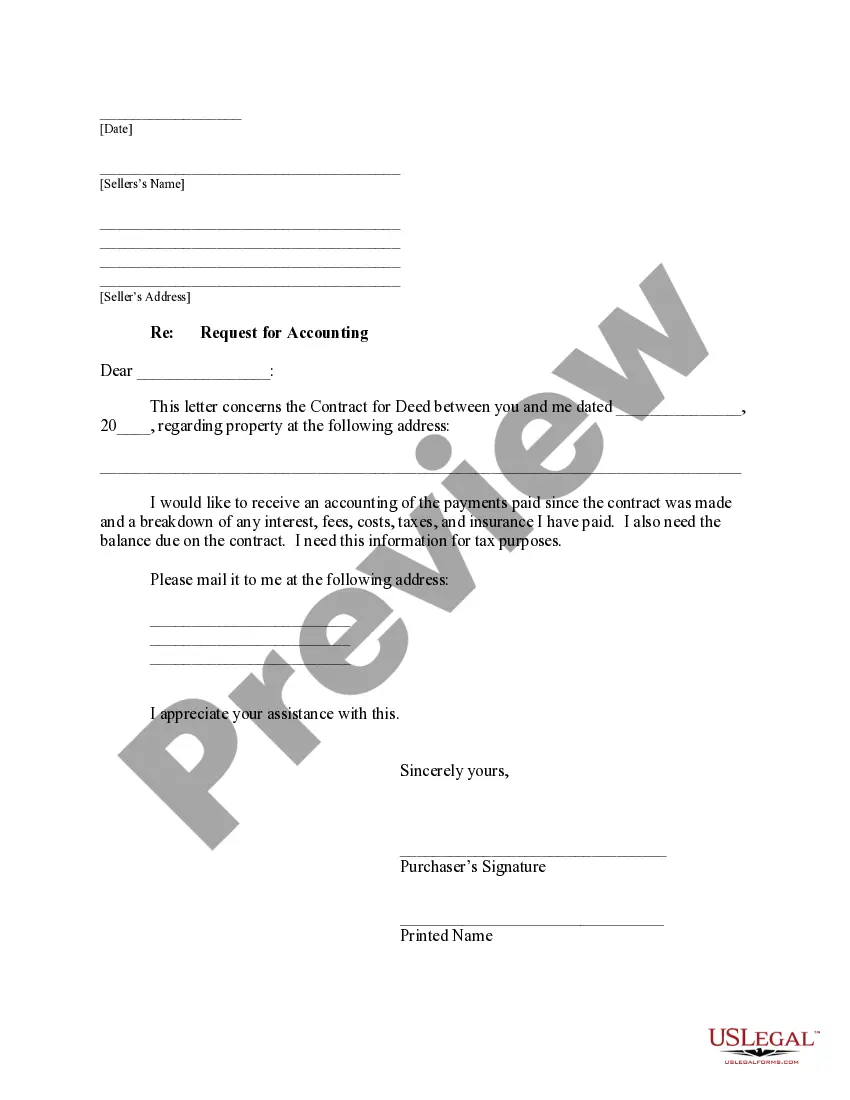
Form popularity
FAQ
Business law deals with the fundamental legalities required for new businesses or organizations to be formed while corporate law focuses more on the activities, operations, and validity of organizations. Summarily, corporate lawyers write contracts and business lawyers review them.
Construction law has evolved into a practice discipline in its own right, distinct from its traditional locations as a subpractice of project finance, real estate or corporate law.
Construction law in South Africa regulates the building industry of the country. It is a flexible and dynamic body of law, due to obligations and rights of parties in the construction industry of South Africa changing over time.
Corporate law is considered to be part of civil law when civil law is considered to be any law that is not criminal in nature. As such, the day-to-day business of corporate law, such as incorporations or mergers, would fall under the umbrella of civil law.
The Occupational Health and Safety Act (“OHSA”) of 1993 is the cornerstone of health and safety legislation in South Africa, specifically tailored to protect workers in all industries, including construction.
Since its foundation in 1983, the Society of Construction Law has worked to promote for the public benefit education, study and research in the field of construction law and related subjects (including adr, arbitration and adjudication), both in the UK and overseas.
Business law covers a wide range of topics such as contracts, property rights, corporate governance, taxes, business formation and dissolution, consumer protection, environmental regulations, and many more.
Step-by-Step Guide to Starting a Construction Company in South Africa (2024) Step 1: Register Your Company with the CIPC. Step 2: Get a Tax Clearance Certificate. Step 3: Meet B-BBEE Requirements. Step 4: Register with the CIDB. Step 5: Get a Letter of Good Standing. Step 6: NHBRC Registration (Optional)
Step-by-Step Guide to Starting a Construction Company in South Africa (2024) Step 1: Register Your Company with the CIPC. Step 2: Get a Tax Clearance Certificate. Step 3: Meet B-BBEE Requirements. Step 4: Register with the CIDB. Step 5: Get a Letter of Good Standing. Step 6: NHBRC Registration (Optional)
To apply for government tenders, your business must be registered on the Central Supplier Database (CSD). This is the list of approved government suppliers. You'll need to submit various documents, like your company registration, tax clearance, BEE certificate, and others.
